Re: Successful Light Curing – Not As Easy As It Looks, July 2013

It was a pleasure to read your July 2013 Issue of Oral Health and Dr. Freedman is to be congratulated for editing the issue. Dr. Strassler in his excellent overview on “Successful Light Curing — Not As Easy As it Looks,” reinforces the fact that there are many variables affecting the polymerization and the resultant … Read more
To Premedicate or Not to Premedicate – That is the Question!

Dr. Nicolucci is president of the Canadian Society of Oral Implantology and is Oral Health magazine's editorial board member for Implantology.

Prophylactic antibiotic coverage has been a very controversial topic in the profession over the years. There seems to be little ‘scientific data’ to support the current protocols for antibiotic coverage — as it pertains to premedication for heart surgeries and valve replacements as well as implanted joints and prosthetic devices. We do have a so … Read more

Peri-Implantitis: Treatment Options

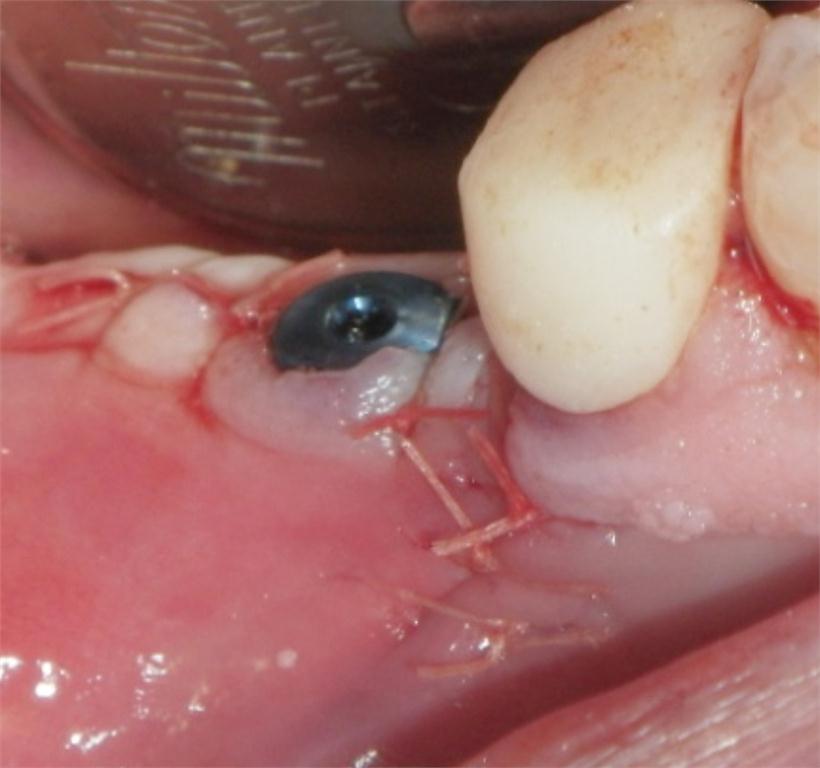
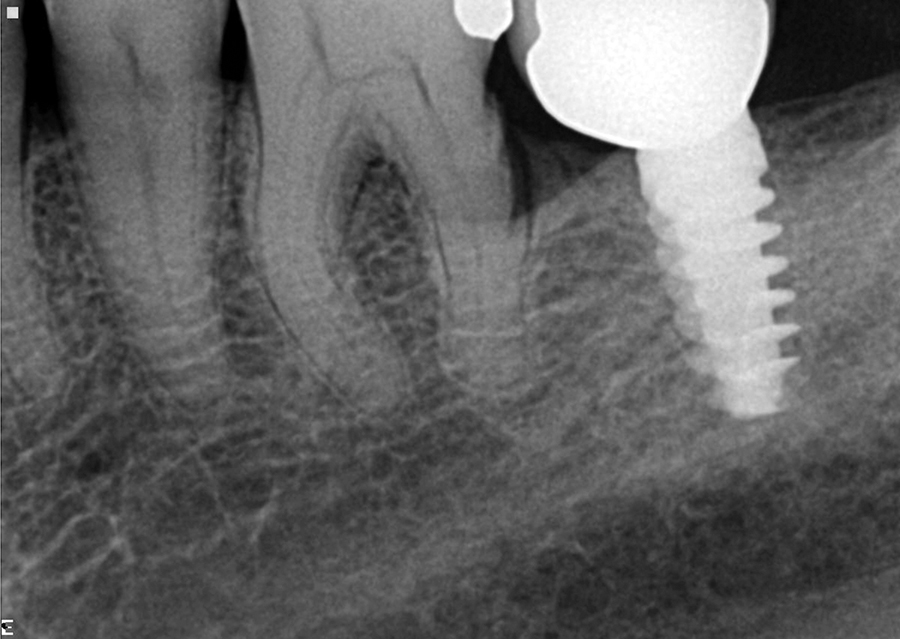
Figure 4H. Post-operative image after flap closure and suturing.

Peri-implantitis has been defined as a localized lesion involving bone loss around an osseointegrated implant.1 Its prevalence has been widely reported4 depending on the chosen threshold and specific study, varying from as low as two percent2 to as high as 58 percent3 of implants. Although a well-accepted threshold and prevalence is currently unavailable, it would … Read more

Successful Dental Implant Placement in a Liver Transplant Survivor: Literature Review and Case Report

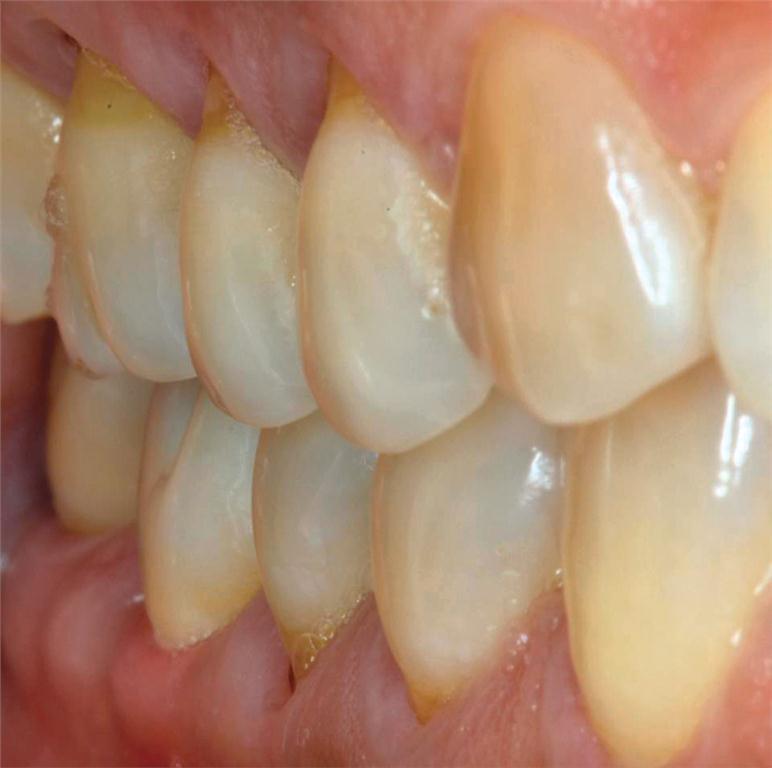
Figure 3. Implant at tooth position #9 is fully osseointegrated and stable in oral bone 30 months post-placement.

Abstract:Twenty-five years after federal regulation through the United Network for Organ Sharing established criteria governing utilization of scarce donated body parts and individual access to healthy and viable organs, safe almost routine organ transplantation is the norm. Authors explore clinical decision-making in medical management for dental implant placement in immunocompromised transplant survivors, and report the … Read more

The One-piece Implant Design: Prospective Case Report

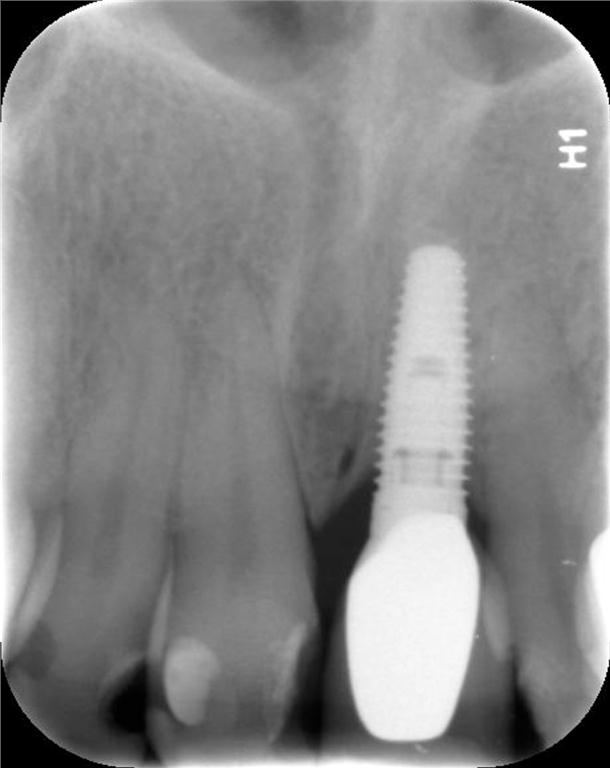
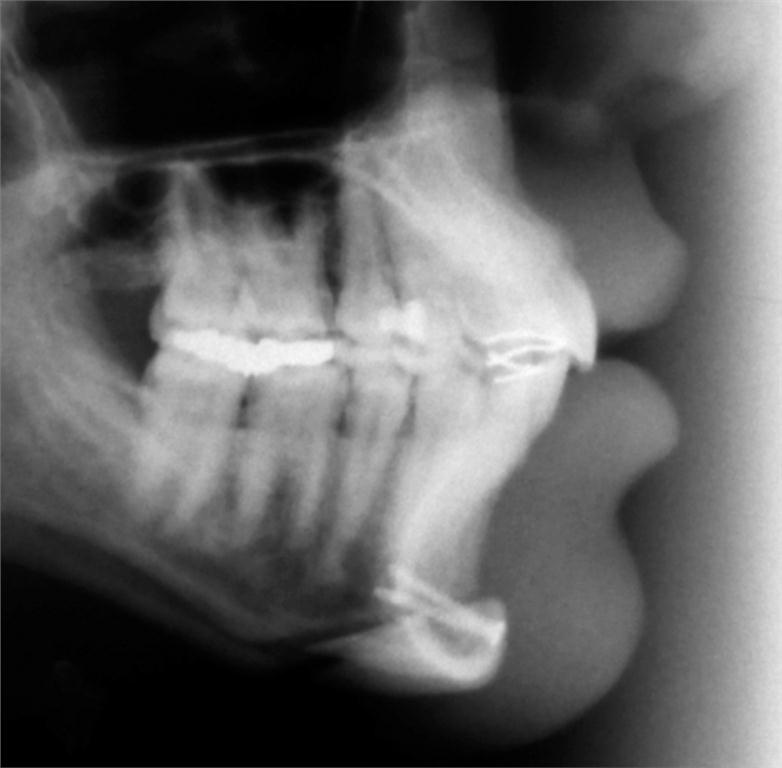
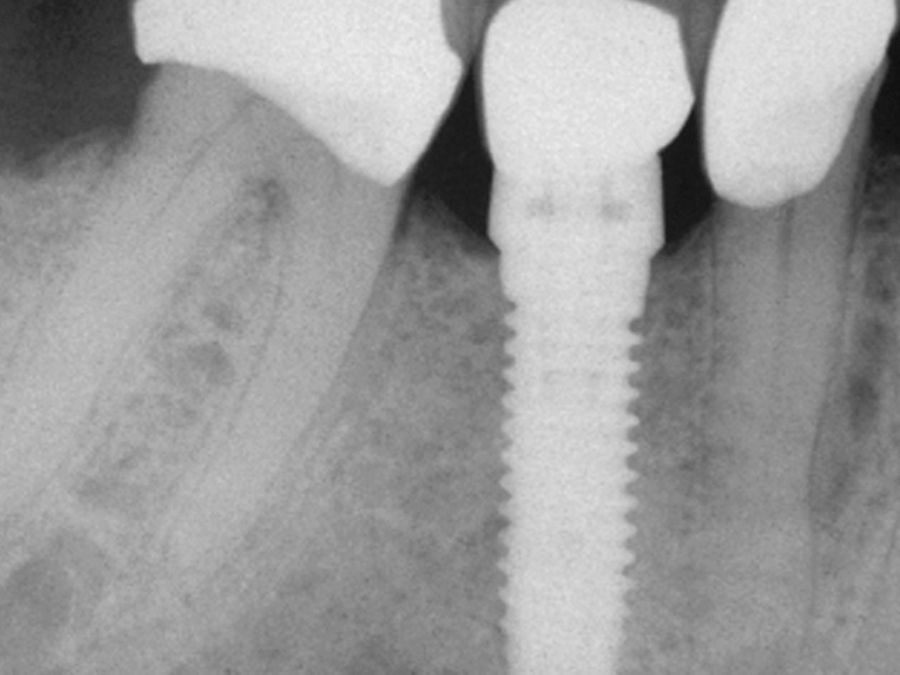
Figure 15. 36 months follow-up Implant #37, Peri-apical radiograph

AbstractThe design of an implant plays a key role in the success of a final restoration. The two basic designs which are available are the two-piece implant design, (the surgical implant and prosthetic abutment are two separate components) and the one-piece implant design (the surgical implant and prosthetic abutment are one integral piece). This one … Read more

Chin Advancements – The Oral Surgery Perspective.

Figure 9. Postoperative radiograph.

There is no argument that recent innovations in the diagnosis and management of disease involve the application of technology. However, can some of the complementary technological advancements and gadgets that have become lifestyle necessities actually cause disease themselves? Blackberry thumb, iPad finger, and tech neck are becoming the common new ailments compromising our work, activities … Read more

Nobel Biocare Global Symposium New York, 2013

Figure 15.

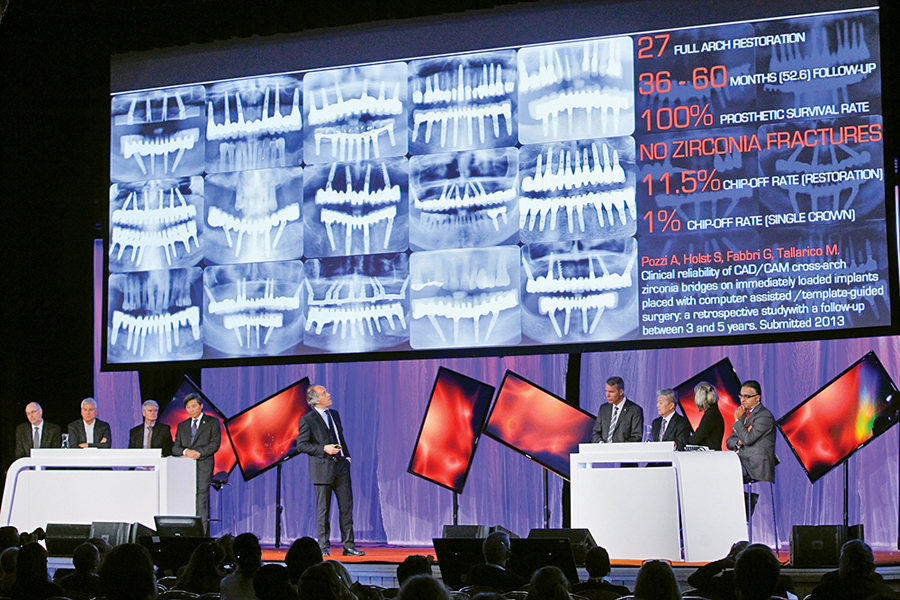
The Nobel Biocare Global Symposium 2013 in New York saw more than 2,000 dental professionals from around the world come together to explore the latest developments in implant dentistry under the theme “Designing for Life: Today and in the future.” A varied and unique scientific program held over four days saw well over 100 leading … Read more

Mapping Occlusal Decay: The Puzzle is Solved

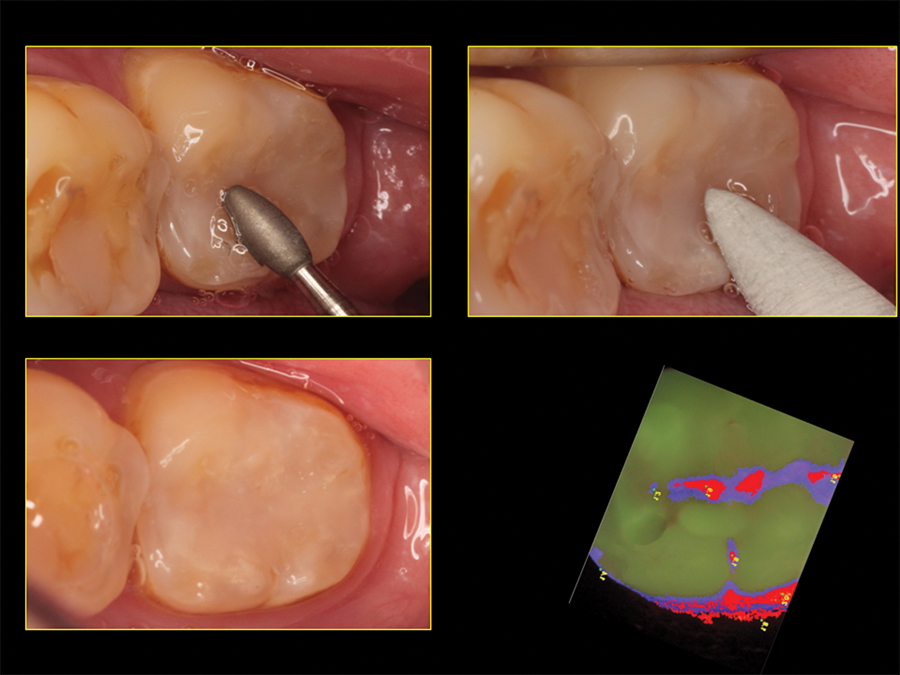
Figure 15. UL Restoration finished with ET bur UR Restoration polished with Jazz Supreme polisher LL Completed restoration LR Initial Spectra image.

The management of dental decay, its detection, assessment and treatment, is one of the cornerstones of dental practice. The dentist and hygienist spend each workday dealing with the results of the caries process and yet, until recently, we have not had a scientific, accurate, reproducible and clinically significant way to detect the extent and severity … Read more

Successful Light Curing – Not As Easy As It Looks

Figure 10B. Nanohybrid composite resin light-cured in a translucent cylindrical matrix holding the light at a 45 degree angle and within 0.5-mm distance to the top surface of the cylinder-note incomplete depth of cure for the length and the angle due to the position of the curing light (20 seconds of light-curing with LED curing light measured at 1200 mW/cm2).

Dentists assume that activating a light-curing device reliably and predictably light cures restorative materials. There are many factors that must be considered when light-curing resin adhesives, resin-based composites, resin cements, etc., to ensure the quality and durability of the restorations being placed. Clinicians have choices in the light-curing devices they use. Despite appearances that all … Read more

Wireless Digital Sensors

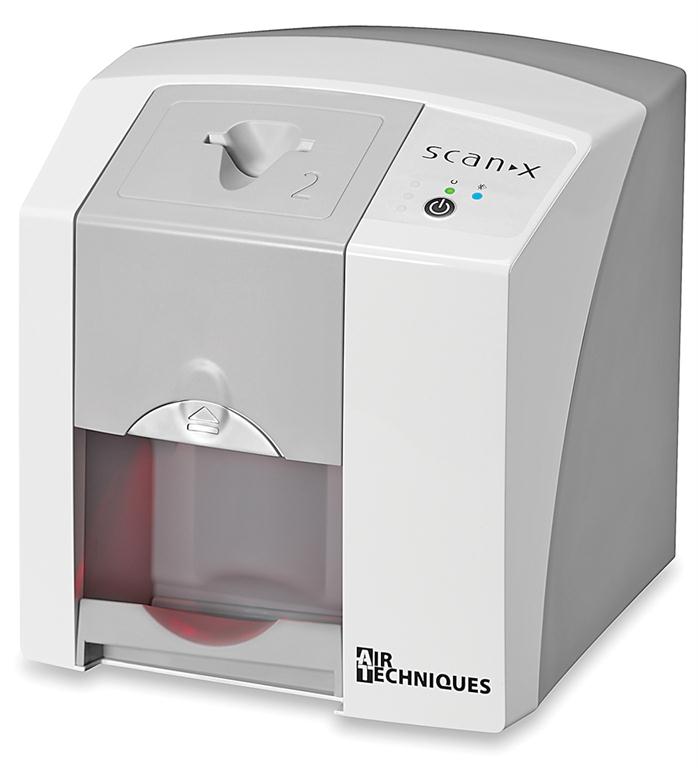
Figure 11. ScanX Swift, a countertop scanner for size 0, 1 and 2 digital PSP sensor.

When digital dental radiography was first introduced in the late 1980s, conventional X-rays had been used for almost a century. Over the years, the radiograph expanded the dentist’s investigative capacity in many ways; it was possible to confirm health, or to detect disease, in many previously invisible areas of concern to the profession including coronally, … Read more

Incandescent to Halogen to Diode: The Evolution of Visual Diagnostics

Figure 10. Illumination at higher level.

Lighting technology has evolved dramatically over the past century. With the introduction of gas and incandescent lighting, dentists were finally able to shed some light on the teeth that they were treating. The illuminated visual access enhanced diagnosis and facilitated more precision in dental procedures. As the use of light-focusing bulbs and light-reflective surfaces matured, … Read more

Bruxism/Snoring Monitor: Measure, Analyze, Categorize and Treat

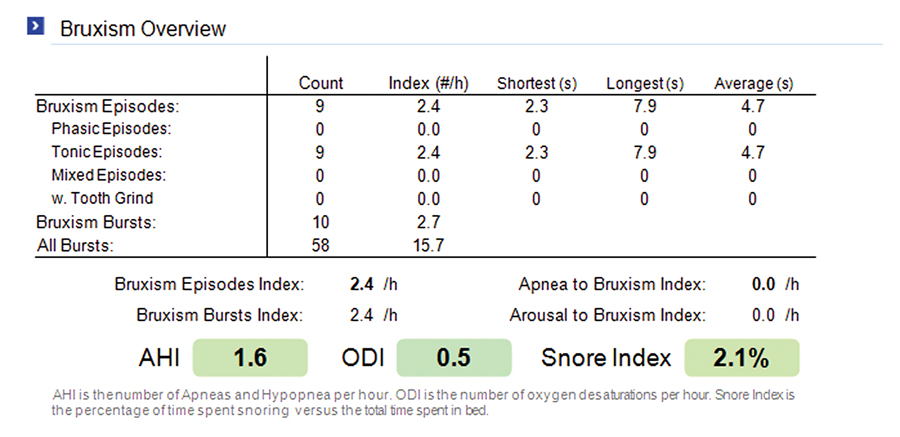
Figure 4. Report summarizes a patient successfully treated with an oral appliance and no significant bruxism needed.

The diagnosis and management of dental disease implies an effort by the practitioner and the dental team to identify and assess the problem as early as possible. This is consistent with the generally accepted principle that early treatment is likely the most conservative, least invasive, and most likely to achieve optimal results for the patient. … Read more

Increased Predictability in Tooth Shade-Matching

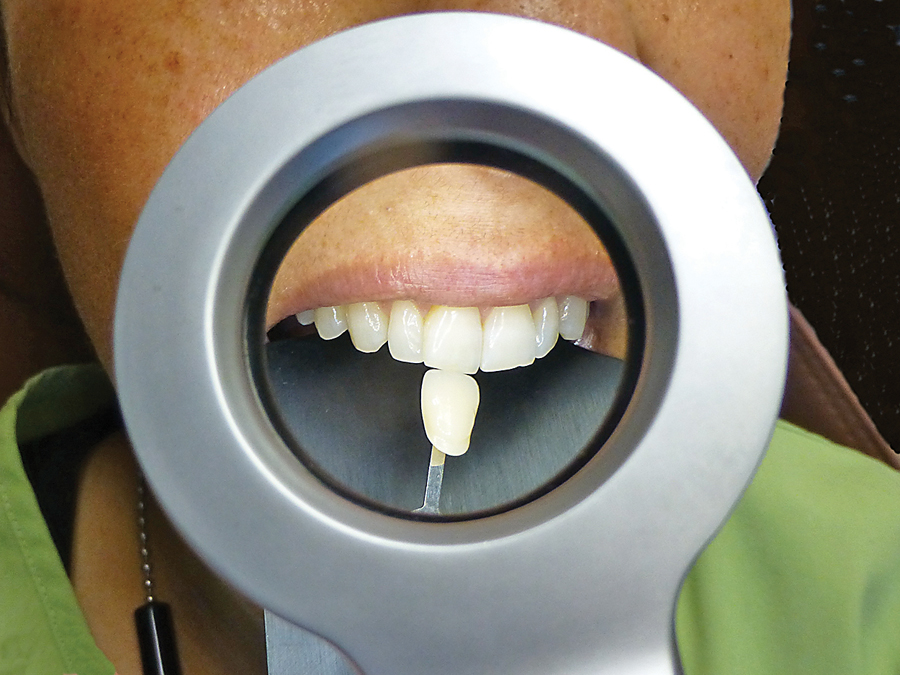
Figure 7. By holding the shade tab's incisal edge to the incisal edge of the natural tooth reduces afterimages.

FOUNDATION OF ESTHETIC DENTISTRYCosmetic and esthetic dental outcomes are essential to meet patients’ high expectations and positively influence their self-esteem.1,2 Shape and color determine the aesthetics of both natural and restored teeth.3-6 Attractive restorative and prosthodontic outcomes begin with a consistent buccal shape and silhouette that reflect light.7 The perceived color of natural teeth depends … Read more

Can an Instrument Make a Difference?

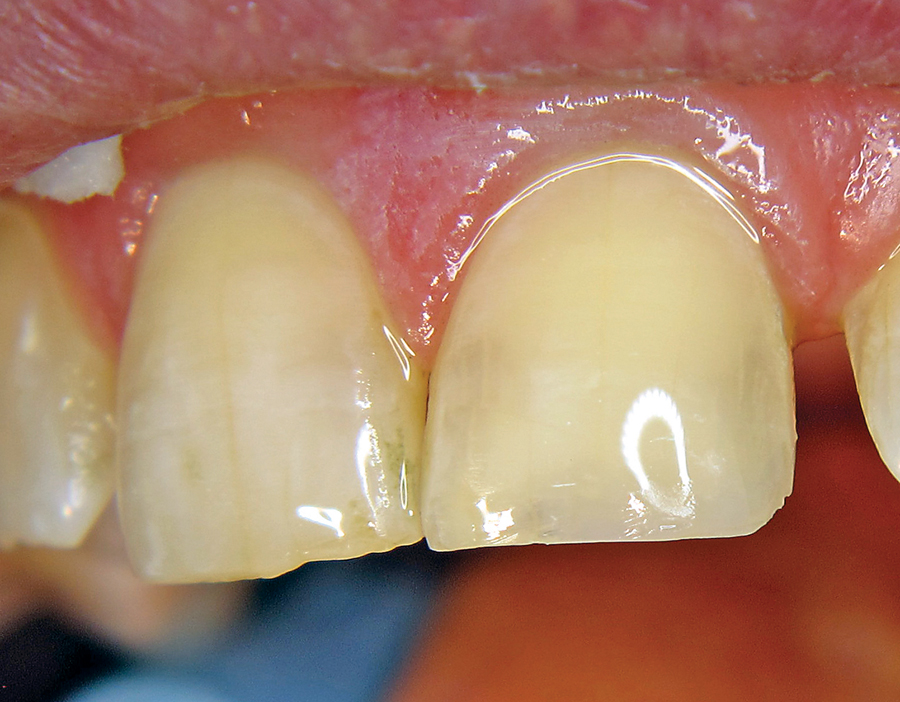
Figure 15. Finished and polished with invisible margins.

The simple answer is yes. But to truly understand why it can make a difference it is necessary to understand the problem. There has been a sharp rise in the past decade in the use and direct placement of composite resin restorations. Materials have become stronger, more aesthetic with a wide shade range, and able … Read more

Modifications to Class II GV Black Preparations for Composite Resin

Table 1.

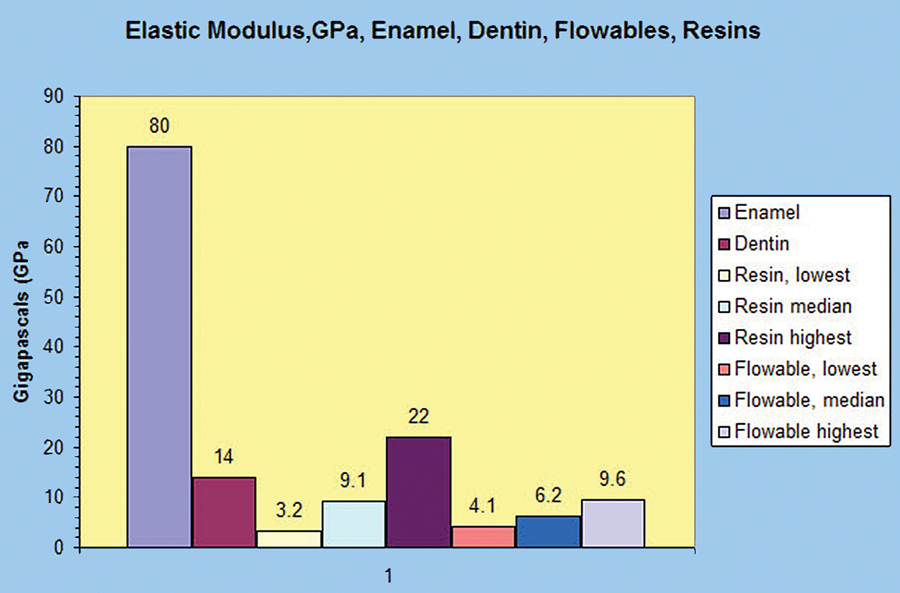
This article follows a previous article titled “Design Principles for Composite Class II Prep­arations,” published in Oral Health December 2012. This article will further illustrate the clinical rendition of the five axioms guiding enamel preparation, and the five axioms guiding dentin preparation, to optimize Class II composite preparations (Figs. 1 & 2). CLASS II ISTHMUS … Read more

Ayuda 2013

Volunteerism

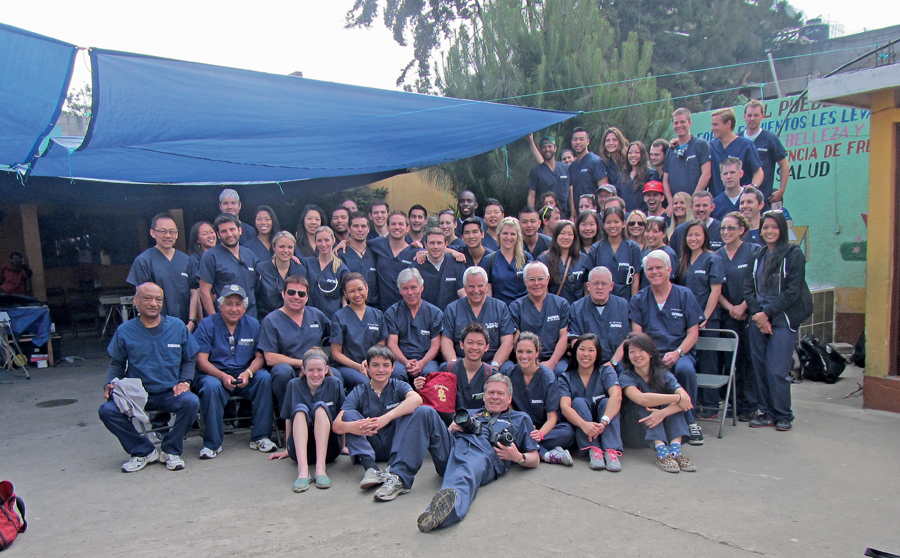
This past April, Doctors Timothy and Melissa Milligan had the privilege of joining forces with AYUDA to provide dental care to an underprivileged population of a town that’s an hour outside of Antigua, Guatemala. AYUDA is the Spanish translation for “help” and that is exactly what this organization strives to do. Founded 47 years ago … Read more

Diagnostic Technologies

Dr. George Freedman is a founder and past president, American Academy of Cosmetic Dentistry; co-founder, Canadian Academy for Esthetic Dentistry; and Diplomate, American Board of Aesthetic Dentistry. Author or co-author of 12 textbooks, including "Contemporary Esthetic Dentistry" (Elsevier), and more than 700 articles, he is a REALITY Team Member. An internationally recognized lecturer on esthetics, technology, and dental materials, he was awarded NYU College of Dentistry's Irwin Smigel Prize in Aesthetic Dentistry. A McGill graduate, Dr. Freedman is a Regent and Fellow of the IADFE and maintains a private practice limited to Esthetic Dentistry in Toronto.

What makes a dentist a dentist? The technical dexterity to repair hard and soft oral structures in a hard to access, and hard to see, oral cavity? The acumen to run a small health-care business effectively and efficiently? The capability to generate sufficient community and online presence to keep existing patients motivated and new patients … Read more