Minor Surgery

Dr. Simon Weinberg is Emeritus Professor of Oral and Maxillofacial Surgery, Faculty of Dentistry, University of Toronto. He was the former Oral and Maxillofacial Surgery Consultant to the Editorial Board of Oral Health and is currently a Contributing Consultant.

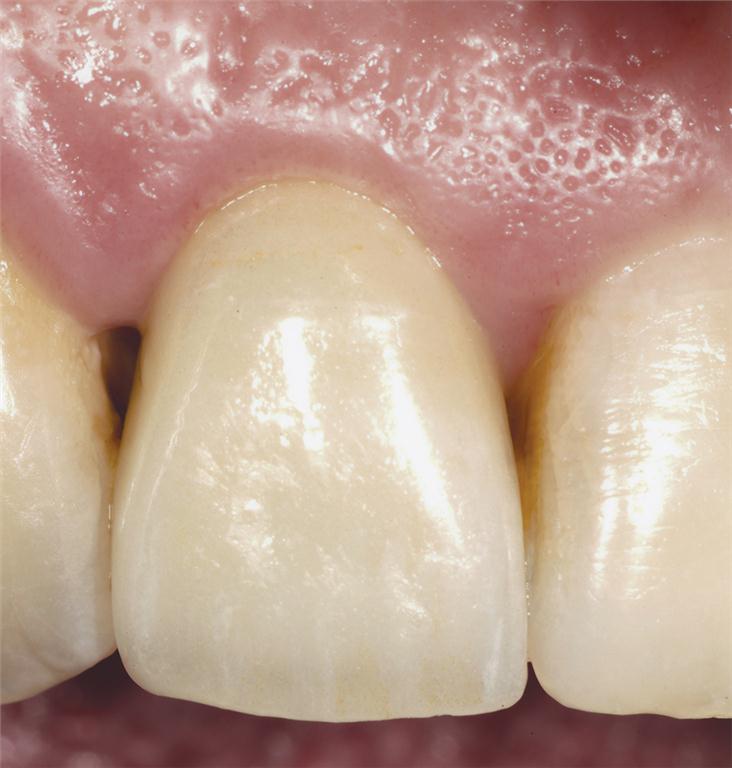
The traditional classification of exodontia as minor surgery is often unwarranted considering the potential for the development of serious and unusual intra and post-surgical complications. Indeed, few situations in dentistry generate as much fear and anxiety as those precipitated by the sudden and unexpected emergence of a serious complication associated with the performance of a … Read more
Surgical Management of Basal Cell Carcinoma

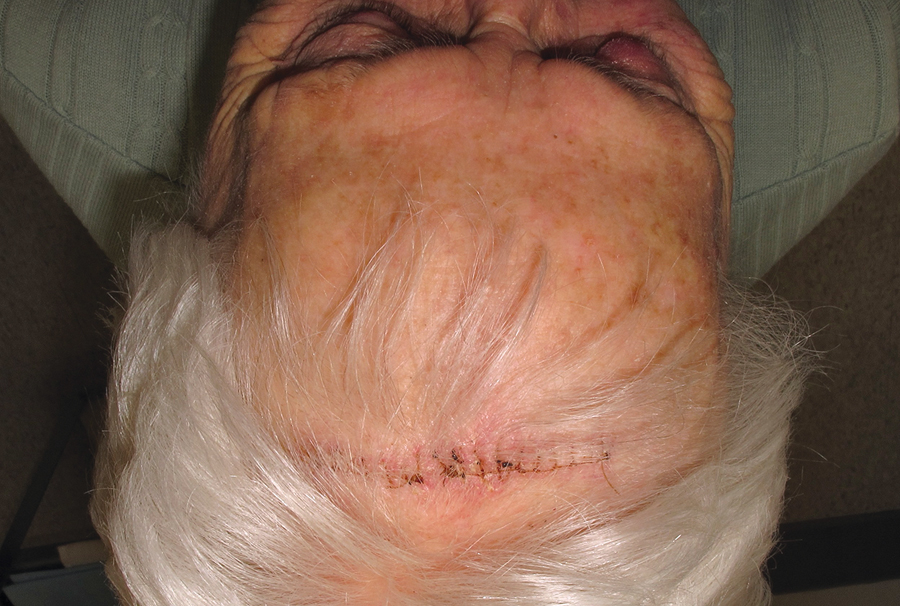
Figure 33. One week follow-up for suture removal.

INTRODUCTIONThe incidence of skin cancer appears to be increasing around the world.1 Basal cell carcinoma (BCC) accounts for the majority of non-melanoma skin cancers (NMSC) and is the most common cancer in humans.  The actual incidence of BCC is likely underestimated, as many lesions are treated non-surgically. These cases are also difficult to quantify due … Read more

Complications During and After Surgical Removal of Third Molars

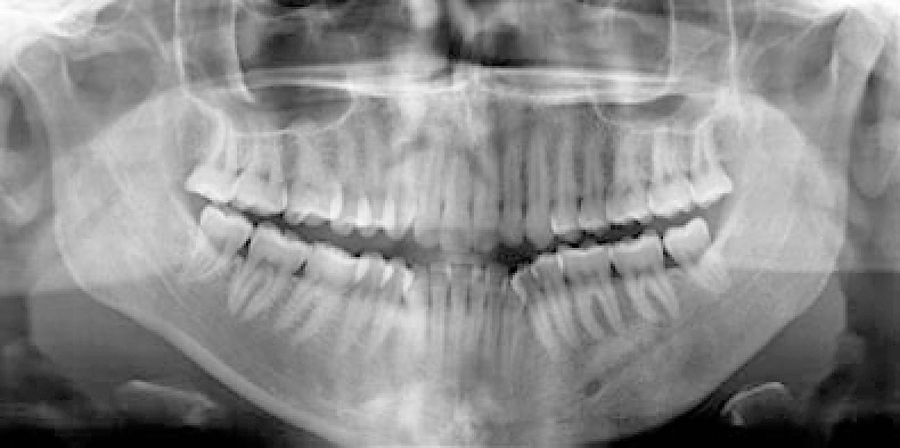
Figure 7. Post-surgery panorex showing tooth #28 displaced into the left sinus.

INTRODUCTIONThird molar surgery is one of the most common procedures performed in oral and maxillofacial surgery offices.1-6 Nevertheless, this procedure requires accurate planning and surgical skills. With surgical procedures in general, complications can always arise. The reported frequencies of complications after third molar removal are reported between 2.6 percent and 30.9 percent.1 The spectrum of … Read more

“Informed Refusal”

Dr. Steve Cohen is the on-staff Endodontist at Sunnybrook Health Sciences Centre, Department of Dentistry, is a Dental Advisor for CDPA (Canadian Dental Protective Association), and maintains a private practice limited to Endodontics in Mississauga, Ontario.

After a 13-hour wait in the emergency room with an elderly family member, we presented a consent form by a first-year orthopedic resident during discussion of treatment for two broken bones. The 78-year-old female patient in question was assaulted on her morning walk and suffered a broken knee and wrist, among other injuries. This patient … Read more

Where Is Dentistry in Stem Cell Regeneration and Repair?

Jeffrey W. Linden, DMD, M.MED.SC, FACD Since completing his endodontic postdoctoral program and receiving his Masters of Medical Sciences in Oral Biology at Harvard School of Dental Medicine and the Forsyth Dental Research Institute in 1980, Dr. Jeff Linden has been proactive in many endodontic areas. A Global lecturer on endodontics he has published extensively on clinically relevant endodontic techniques and technologies. Dr. Linden is an endodontic contributing consultant for Oral Health Dental Journal and has maintained a private practice limited to Endodontics and Microscopic Surgery in Manhattan, New York.

If you ever traded in your baby teeth to the tooth fairy and got a mere 50 cents under your pillow – you got short-changed. The National Institute of Health recently discovered that mesenchymal stem cells derived from bone marrow have been found to exist in teeth. This discovery will transform Dentistry and the future … Read more

Thank You Oral Health (letter to editor)

Keeping The Spousal Exemption Issue Alive

Our thanks to Oral Health for keeping the spousal exemption issue at the fore front for Ontario dentists and their spouses by publishing Dr. Randy Lang’s editorial ‘Ontario’s Dumb, Stupid “Zero Tolerance” Law; September 2012. (https://www.oralhealthgroup.com/news/ontarios-dumb-stupid-zero-tolerance-law/1001656652/) Recognition of the Coalition to Restore Spousal Rights and Freedoms by Oral Health Journal is appreciated and we should … Read more

Elder Abuse: Time for Dentists to be Aware

Abuse and neglect are not limited by age. Child abuse awareness has been well documented in the dental literature. All states have mandatory reporting statutes for child abuse. This is not the case for elder abuse. It was not until 2009 with the passage of the Elder Abuse Victims Act that elder abuse received national … Read more

University of Technology Jamaica Update

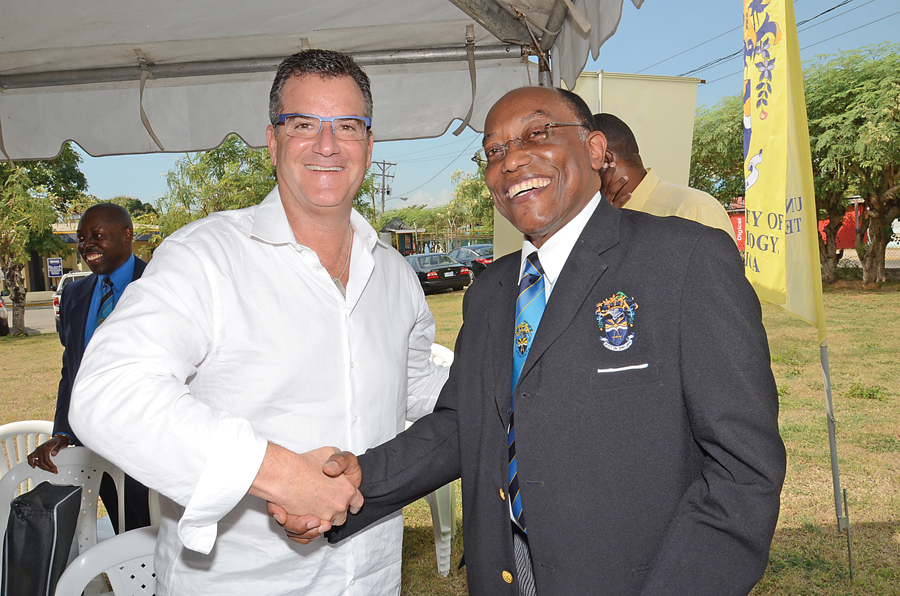
Fig. 4 Dr. Glassman with the President of The University of Technology, Jamaica, Professor the Honourable, Errol Morrison.

This past February, I returned to Jamaica to teach endodontics to the second-year class at UTech in Kingston. This will be the graduating class of 2016. It was great to temporarily escape this year’s harsh winter in Toronto and be back in Kingston, where I was greeted by both new and familiar faces. Here is … Read more

TF Adaptive: A Novel Approach to Nickel-Titanium Instrumentation “Rotary when you want it, Reciprocation when you need it”

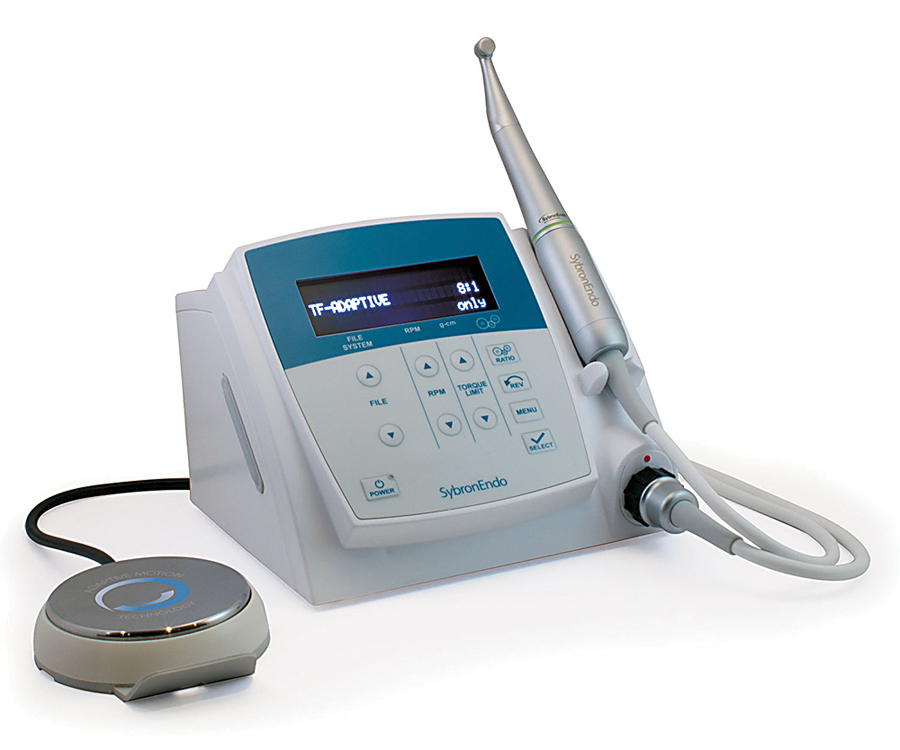
Figure 11. Elements Motor. Settings for TF Adaptive, TF, K3, Lightspeed, M4 Safety Handpiece and custom settings for personal preference.

INTRODUCTIONFile separation via torsional and cyclic fatigue has created the biggest fear and risk for dentists using rotary nickel titanium (NiTi) files for root canal treatment 1-2) Increasing the resistance to file separation has been a focus for new NiTi rotary instrument design and manufacturing. Since 2008, the only way to improve performance and safety … Read more

Fiber Posts and Tooth Reinforcement: Evidence in the Literature

Figure 8. When preparing a ferrule on a tooth with a wide flare, the preparation removes all lateral dentin creating a stand-alone core which drastically decreases the clinical success rate.

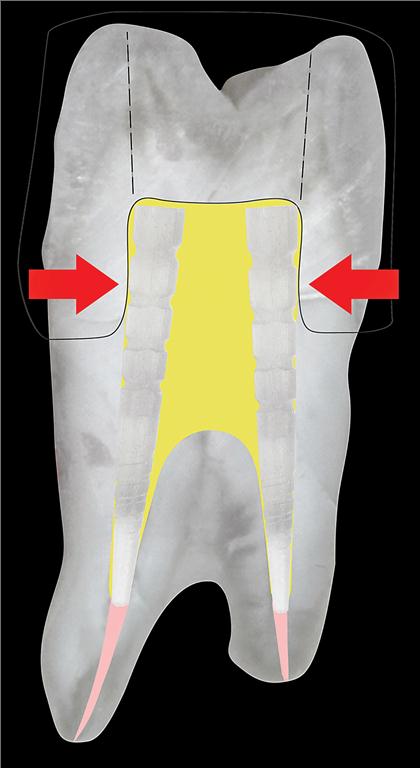
“Traditional thinking that a post is only placed to retain a core and serves no other purpose may no longer be valid.”1 The preservation of dentin during access opening, shaping the canal, preparing the root for placement of a post, and during restoration with an onlay or full coverage preparation is critical to the clinical … Read more

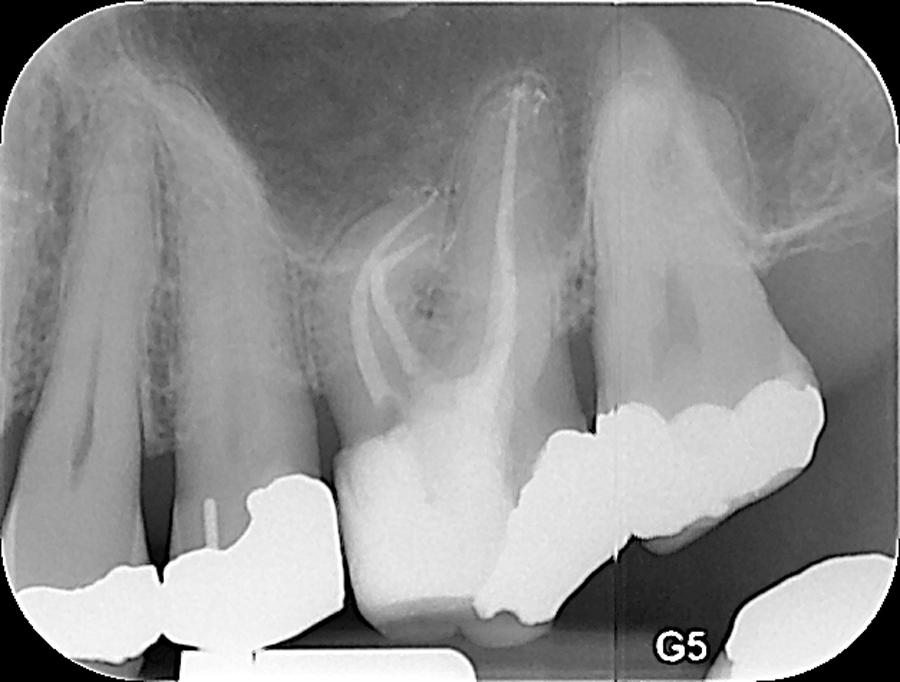
Endodontic Treatment of Curved Root Canal Systems

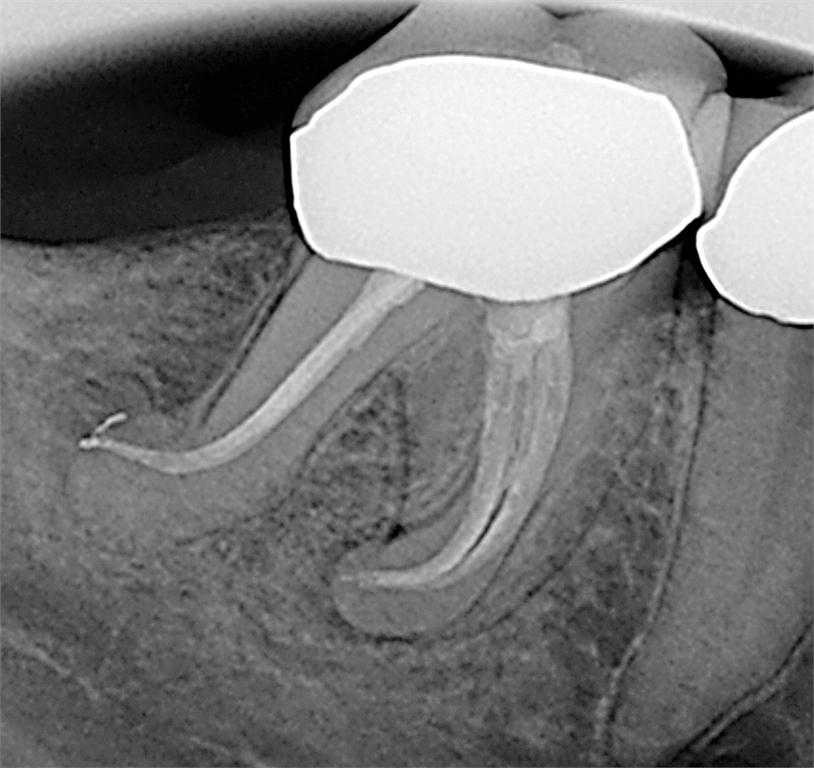
Figure 10. Post operative radiograph with distal angulation (obturation of 3 mesial canals).

The goal of quality endodontic therapy has remained the same since its inception. Appropriate removal of pulpal tissues with proper cleaning and shaping, followed by an obturation system and coronal seal, will satisfy both mechanical and biological objectives.1 As clinicians we need to appreciate each of these aspects and know that our therapy’s success is … Read more

Rips, Strips and Broken Tips: Part III: Treating the Untreatable – A Case Report

Figure 13. 3-month recall radiograph.

The objective of dentistry is to retain the natural dentition as part of maintaining optimum oral health. With recent studies linking oral health to general systemic health, promoting oral health translates to improved quality of life. The discipline of Endodontics encompasses retaining the dentition in the face of diseased pulp and periapical tissues. As endodontics … Read more

Bisphosphonates or Other Drug-Induced Osteonecrosis of the Jaw

ABSTRACTAs an oral and maxillofacial surgeon I am often asked by referring dentists what the protocol is for dealing with patients who are taking bisphosphonate medication. These drugs are associated with what has been termed Bisphosphonate-Related Osteonecrotic Jaw (BRONJ). It is important to note that there are now additional drugs that have been implicated in … Read more

Pulpal Necrosis Secondary to Orthodontic Tooth Movement

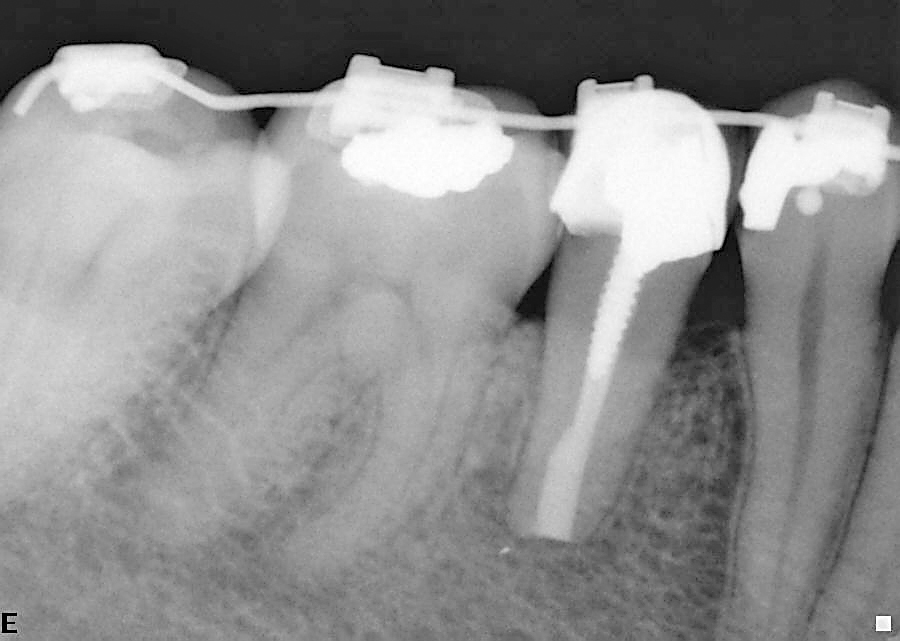
Figure 10.

INTRODUCTION AND REVIEW OF THE LITERATUREOrthodontic tooth movement is dependent on changes to the local environment, including vascular changes, recruitment of inflammatory mediators and alveolar socket remodelling.1 In most instances, orthodontic tooth movement occurs without significant damage to the teeth and surrounding periodontium. Rarely, pulpal side effects may occur, including altered pulpal respiration rate, internal … Read more

“Own the Canal”-The Importance of a Reproducible Glide Path

Figure 16B.

The principles of three dimensional cleaning, shaping and obturation of the root canal system which are the foundations for predictable endodontic success were outlined by Schilder over four decades ago and remain pertinent even with all the technological advances that have been made since the turn of the century1,2 The preparation of the root canal … Read more

The Missing Link to Low Back and Neck Health

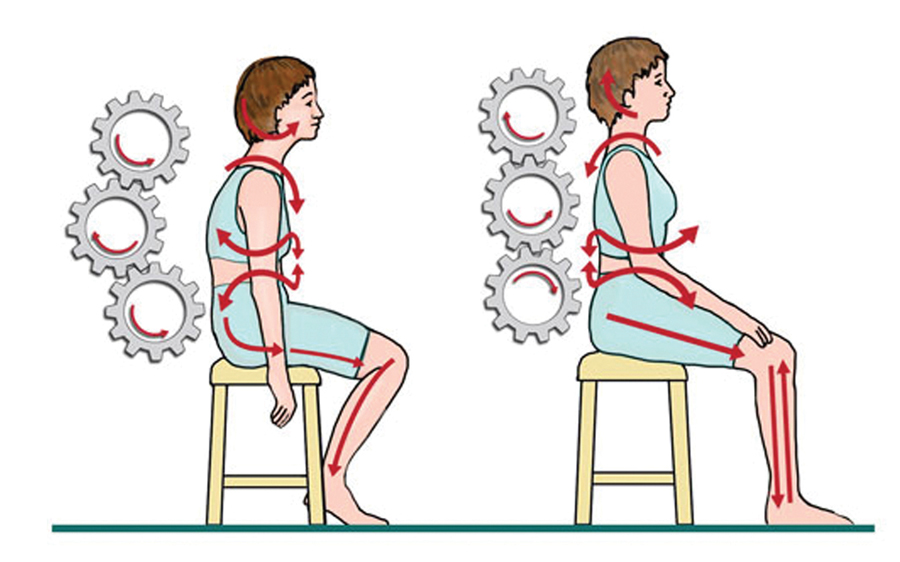
Figure 1. The common dental posture, and the "cog and wheel" effect contributed by our thoracic spine and the subsequent changes in the body leading to long-standing injury.

Four handed dentistry has definitely led to some ease in practice and an increase in efficiency. However, it also has impacted the dental professional’s long-term health and well being. As a dental professional there is a requirement for precision, focus and unorthodox body positions. This combination may lead to prolonged sitting and standing positions in … Read more

The Quarterback

Dr. Elliot Mechanic practices esthetic dentistry in Montreal, Quebec. He is Oral Health's editorial board member for esthetics.

I am the quarterback. I call the plays and lead my team. I have learned from several great coaches and always appreciate my teammate’s input. However, I am the one that makes the final decision on how to play the game. After all, I am the one who is responsible for the final outcome. Over … Read more

Do You Have a ‘Blue Ocean Strategy’?

Dr. Jordan Soll is a Diplomate on the American Board of Esthetic Dentistry and Co-Chair of the Editorial Board of Oral Health.

I recently read a viewpoint by Marc Cooper, DDS, MSD (Dentistry Today, January 2013) in which he confirmed my fear and suspicion. The viewpoint was entitled “The Future of the Solo Private Practice”. After reading only a few sentences, and before reading his condensed bio, I immediately realized that Dr. Cooper had an excellent grasp … Read more

Using CBCT Scan Technology as a Tool to Facilitate Ideal Implant Placement and Restoration in the Anterior Aesthetic Zone

Figure 12. Final restoration.

Dental implants allow the clinical dentist an additional tool in the armamentarium of treatment options to offer the patient for the replacement of a missing tooth or teeth. The conventional approach to treatment planning of dental implants includes a thorough clinical examination, review of intra-oral and panoramic radiographs, study models and a diagnostic wax-up. Additionally, … Read more