How to Utilize Microbiology in the Treatment of Periodontitis
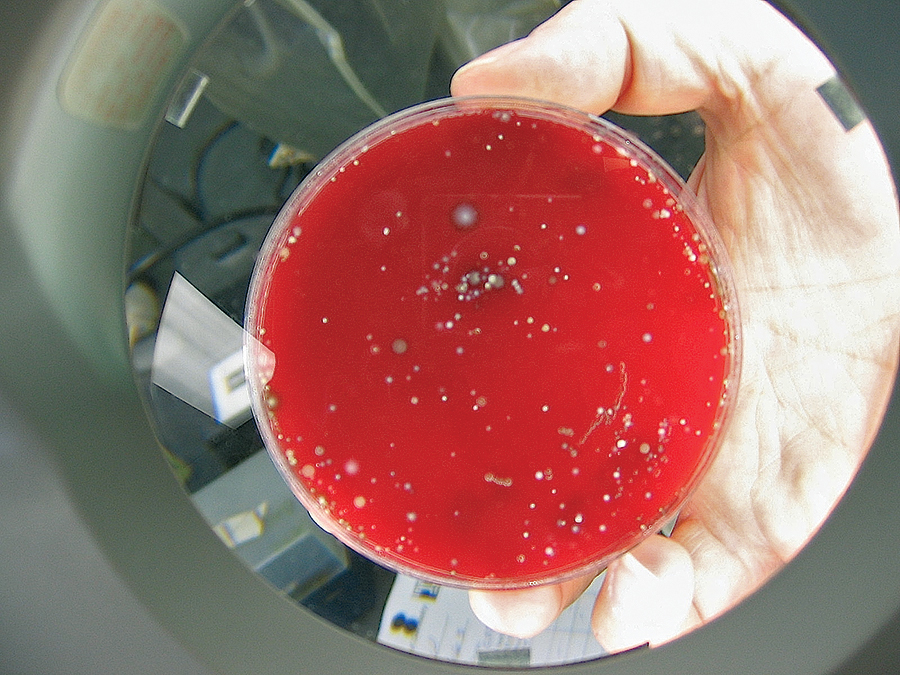
Figure 18. Blood agar plate with bacteria from a subgingival plaque sample after they were cultured under anaerobic conditions in an incubator.

INTRODUCTIONThe main cause for tooth loss today is periodontitis. It predominantly strikes the over 40-year-old age group. Prevention of periodontitis is imperative to general and oral health with the population becoming progressively older.31 Periodontal patients can benefit from the additional data that user-friendly chair side microbiological culture and sensitivity testing provides to augment conventional periodontal … Read more
Ridge Preservation and Bone Grafting for the General Dental Practitioner

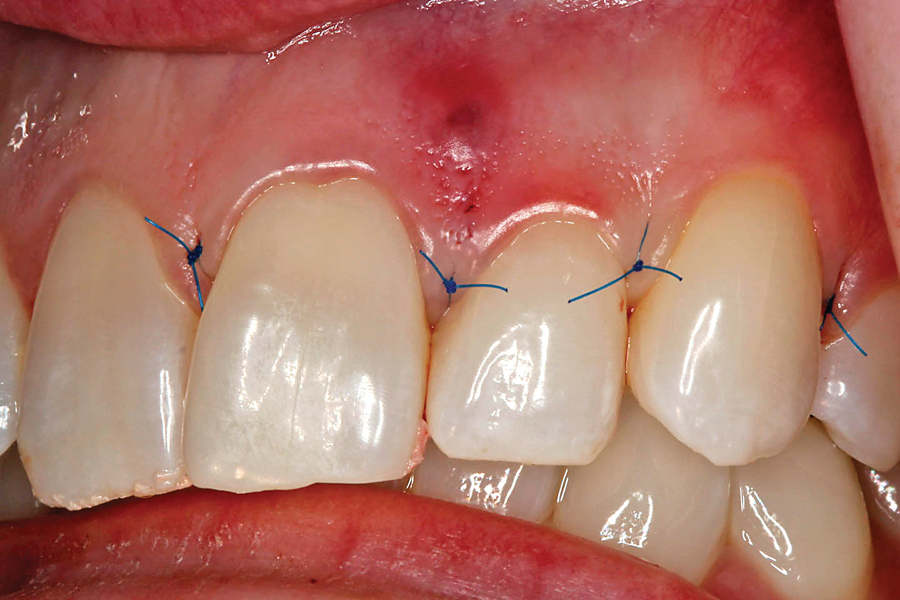
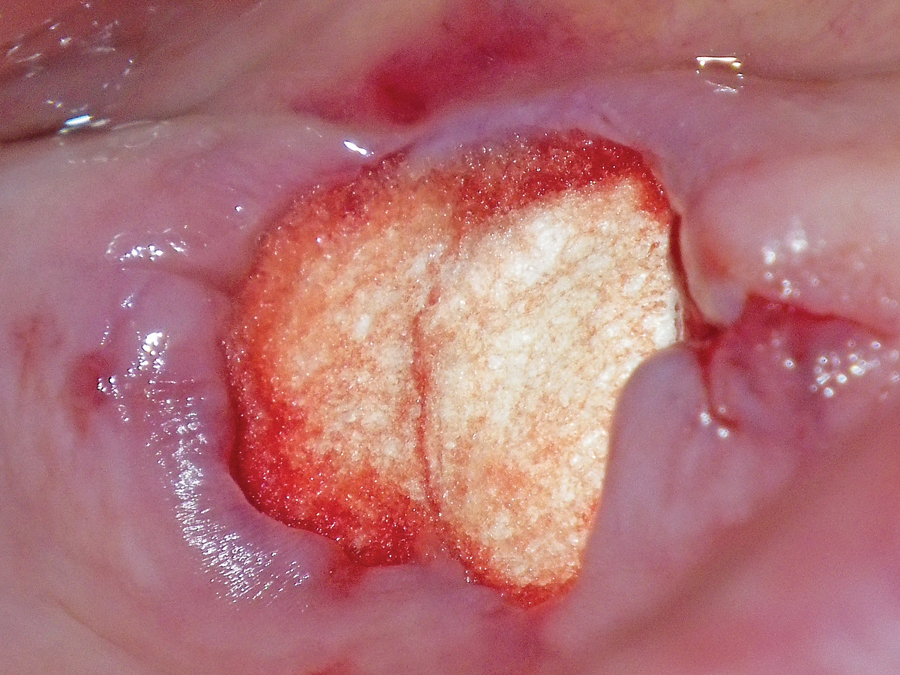
Figure 12. Based on the anatomic configuration of the intact extraction socket and due to financial constraints, conventional ridge preservation was not affordable at the time of extraction. Stabilization of the blood clot and biocompatible wound coverage was achieved by placing condensed gelfoam into each of the root sockets and the width of the extraction socket, and held in place with resorbable sutures (not depicted).

Tooth extraction is one of the most widely performed dental procedures and tooth removal will generally result in alveolar bone loss, as well as structural and integral changes in the overlying soft tissue.2 A narrower and shorter knife edge ridge can be the expected sequelae of alveolar bone resorption10 and the process of resorption often … Read more

The Rogue Dentist, Infection Control and Questionable Testing

In the first two weeks of August 2013, a considerable amount of media hype was devoted to the exploits of Tung Sheng (David) Wu performing dentistry without a licence. According to various reports this so called rogue dentist had been “practicing” dentistry in the Burnaby/Richmond area of BC as far back as the 1990s. Seemingly … Read more

Controlled Technique for Indirect Sinus Grafting With Simultaneous Implant Placement

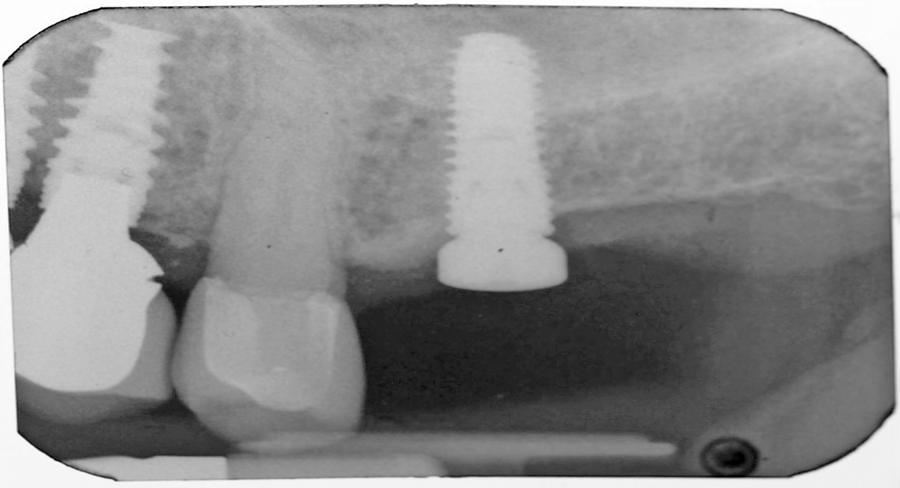
Figure 16. Indirect sinus with vertical bone augmentation using the CAS-KIT and surgical placement of Hiossen ET dental implant.

RESIDUAL RIDGE RESORPTION OF THE POSTERIOR MAXILLANon-restorable carious lesions, periodontally compromised alveolar support or fractured roots result in the extraction of the natural dentition. Once the loss of the natural dentition occurs, the lack of occlusal forces transferred to the alveolar bone, activates a series of bone remodeling processes that cause pressure threshold-regulated bone atrophy … Read more

A Review of Luting Agents

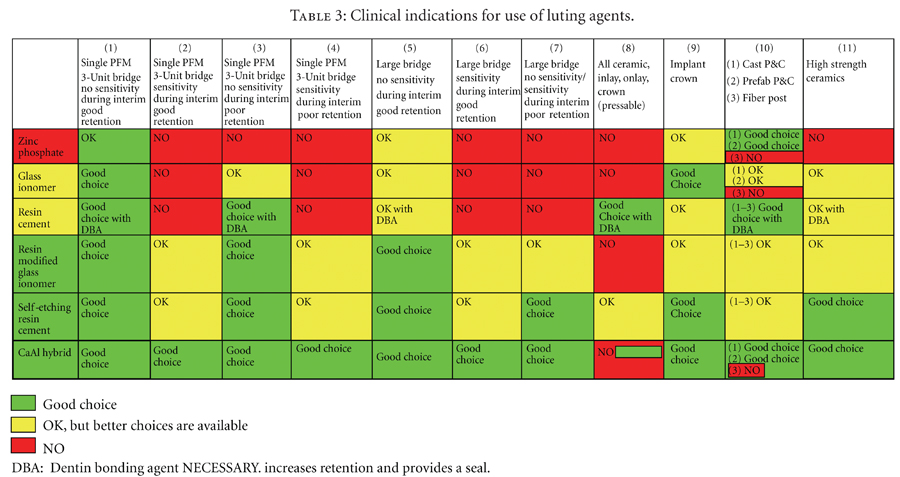
Table 3. Clinical indications for use of luting agents.

Due to the availability of a large number of luting agents (dental cements) proper selection can be a daunting task and is usually based on a practitioner’s reliance on experience and preference and less on in depth knowledge of materials that are used for the restoration and luting agent properties. This review aims at presenting … Read more

The Shaping Movement 5th Generation Technology

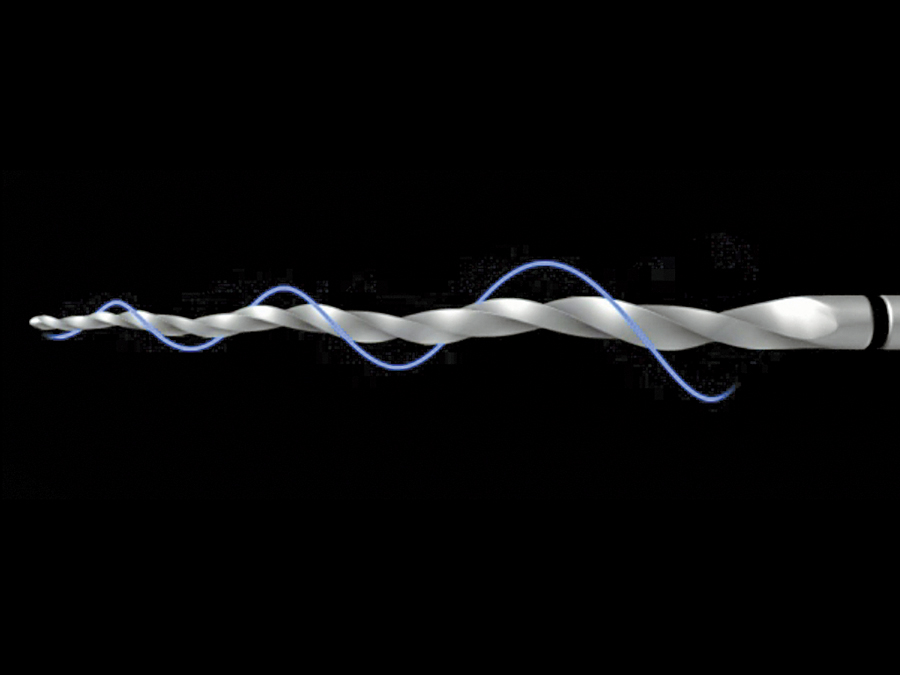
Figure 10. Similar to a sinusoidal wave, a rotating PTN file produces a mechanical wave of motion, or swaggering effect, along its active portion.

Since the beginning of modern day endodontics, there have been numerous concepts, strategies, and techniques for preparing canals. Over the decades, a staggering array of files has emerged for negotiating and shaping canals. In spite of the design of the file, the number of instruments required, and the surprising multitude of techniques advocated, endodontic treatment … Read more

PIPS Improving Your Outcomes Using Laser Activated Irrigation

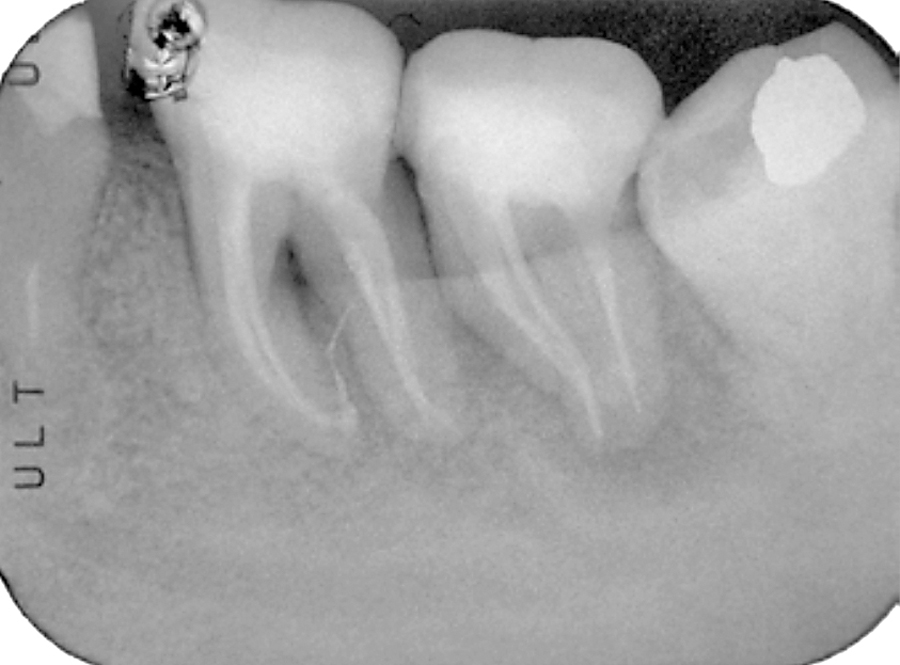
Figure 8. 4 months post-op.

Successful endodontic treatment depends upon maximal debridement and disinfection of the entire root canal system. The root canal system must be shaped to a convenience form that permits adequate cleaning and disinfection by elimination of microbes.1 The literature is clear that as much as 35 percent or more of the root canal system remains untouched … Read more

What happened to the distal cusp…?

Dr. Birek is an Associate Professor in the Department of Periodontics and staff surgeon with the Oral Reconstruction Unit at the University of Toronto. He maintains a private practice in Periodontics and Implant Surgery in Toronto. Peter is the Peridontology editor for Oral Health Journal.

I can’t stand hypocrisy, saying one thing while doing something else. And yet, I am guilty of it, albeit by coercion. Yes, I admit to electronic communication with colleagues regarding patients, treatment plans and the like. A little while ago the RCDSO did a great job providing us with a comprehensive package outlining our responsibilities … Read more

Periodontal Defect Associated with an Unusual Root Anatomy of a Maxillary Lateral Incisor: A Case Report

Figure 8. Immediate post-surgical appearance of the buccal aspect.

Prior to commencing treatment, a prudent practitioner seeks to establish clarity of diagnosis and expected treatment outcome. Occasionally, the clinical presentation is unclear and a degree of uncertainty presides over both the diagnosis and the degree of expected treatment success. In this case report, the clinical presentation did not yield a definitively diagnosis requiring an … Read more

Clinical Application of the Mucogingival Subepithelial Connective Tissue Graft

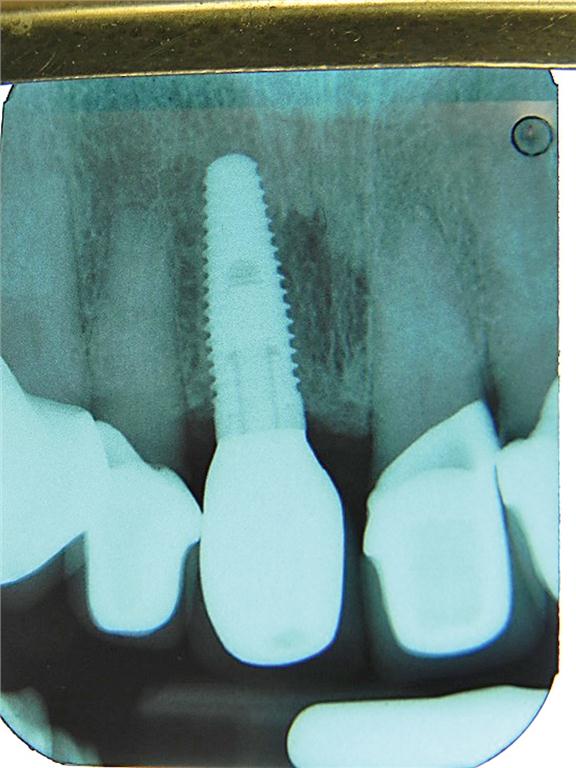
Figure 9I. Periapical of end result showing osseous harmony and a suitably sized implant for the area

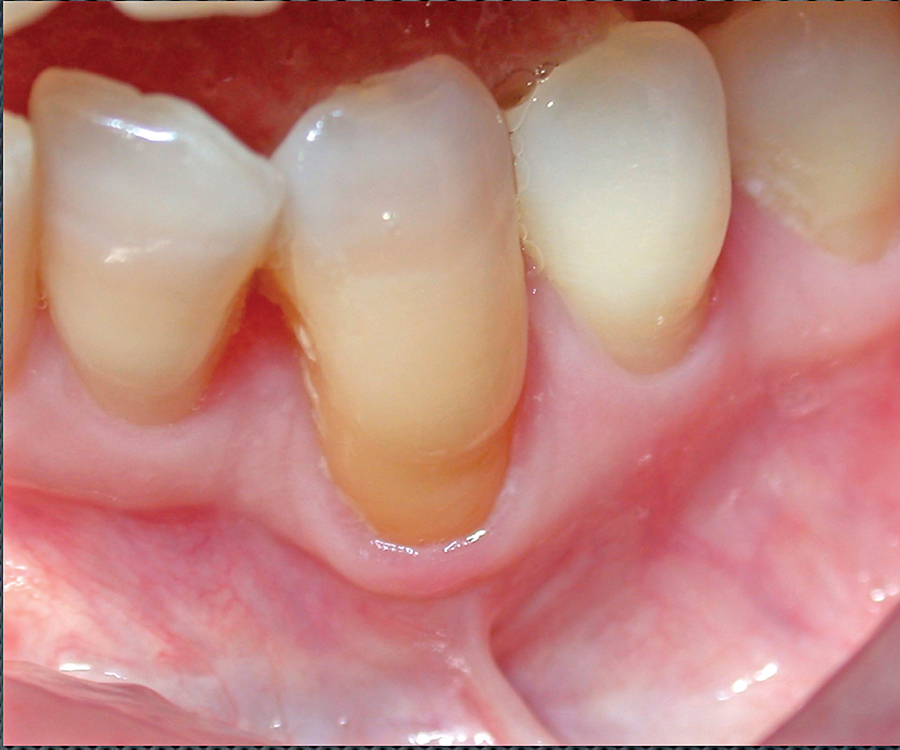
INTRODUCTIONIn 1999, Albandar et. al1 estimated that more than 20 percent of the population presents with one or more tooth surfaces with gingival recession. When root exposure occurs, it can be quite uncomfortable causing root sensitivity and can lead to cosmetic and functional impairment. The treatment of gingival recession therefore is indicated for esthetic reasons, … Read more

Peri-Implant Infection – A modern Phenomenon or a Long-Ignored Problem?

Figure 2. A severe case of peri-implantitis with a progressive bone loss and multiple exposed threads.

Replacing lost teeth by artificial tooth roots (implants) in combination with artificial dental crowns has become part of mainstream dentistry and is now regarded as a routine procedure with predictable results. Over the past 30 years, the number of implants placed in the jaws constantly increased promoting development of new materials and techniques based on … Read more

Extraction and Management of Extraction Sockets are Integral Part of the Implant Treatment – Rationale and Treatment Strategies

Figure 32. Final post-operative radiograph of implants 25-26.

Dental implants are the preferred method for replacing missing teeth in most circumstances. They offer high predictability, which is backed by many long-term studies. Very often the discussion on tooth replacement starts when patients learn that they will be losing one or more teeth. What they often don’t realize is that the extraction procedure becomes … Read more

The Continued Evolution of Class II Matrix Armamentarium

In his Meta-analysis of the clinical effectiveness of direct Class II restorations, Heintze states that, “more than five hundred million direct dental restorations are placed each year worldwide” and “in about 55 percent of the cases, resin composites or compomers are used.” When evaluating the clinical trials in the literature, he found that “restorations with … Read more

Advising Orthodontic Patients About Their Wisdom Teeth

Dr. Lang is an orthodontic lecturer at the University of Toronto and past president of the Ontario Association of Orthodontics. He maintains an orthodontic practice in West Toronto and Mississauga, ON. Dr. Lang is co-chair of Oral Health's editorial board.

After the successful completion of two years of orthodontic treatment, the parents of my patients will usually ask, “What should we do about the wisdom teeth? We don’t want them to push forward and screw up your lovely result. When should we have them out?” If those questions were asked not that long ago, most … Read more

Timing and Assessment of Ankylosed Deciduous Molar Teeth – A Case Report

Figure 18.

Ankylosed or submerged deciduous teeth are teeth that do not keep up with other teeth in the quadrant in their vertical development. As a result, this may cause significant problems in eruption, often with severe bone loss and migration of deciduous and permanent teeth. The first and second deciduous molars are most commonly involved teeth … Read more

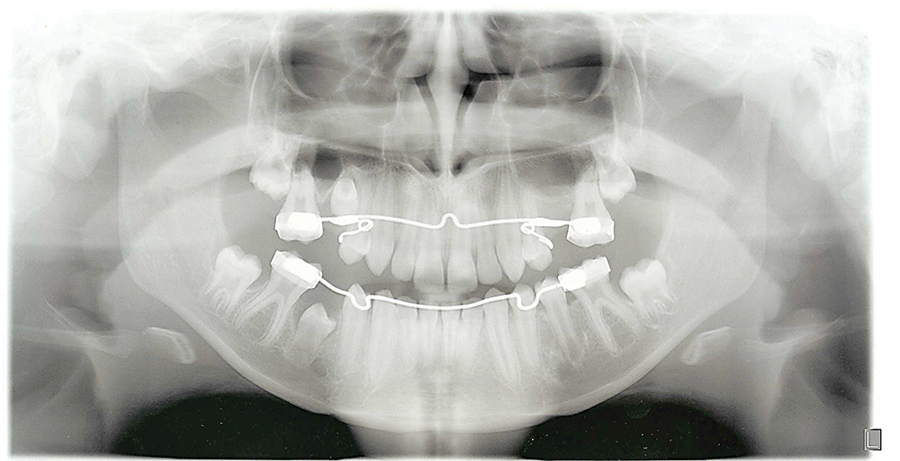
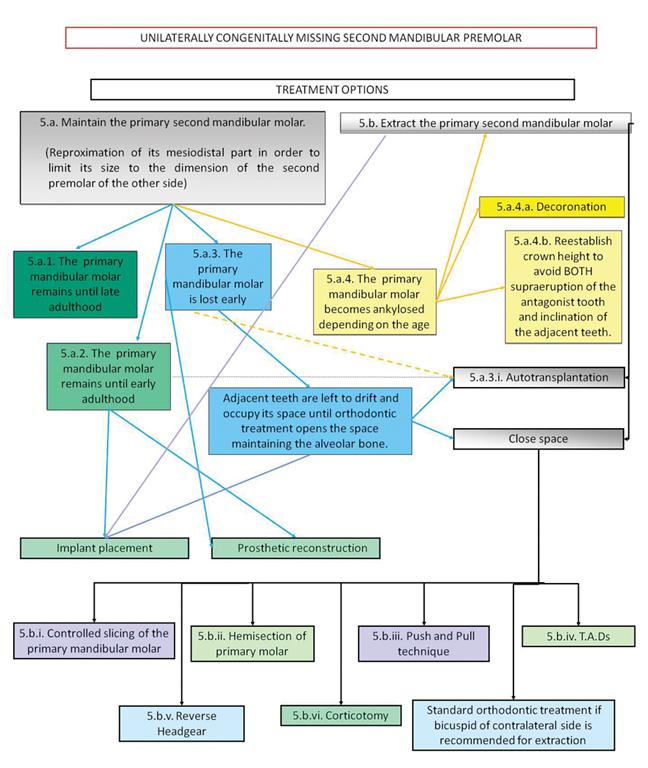
What Are The Treatment Options in Patients with Unilateral Congenitally Missing Second Mandibular Premolars?

Table 1.

ABSTRACT:Four case presentations are utilized to review the treatment options in patients with unilateral congenitally missing second mandibular premolars. Once diagnosed, the dentist can either preserve or remove the respective primary molar. Preservation will lead to a tooth-size discrepancy. To limit the size of the second primary molar to the dimension of the contralateral premolar, … Read more