AI, DSOs, and the new dental operating model
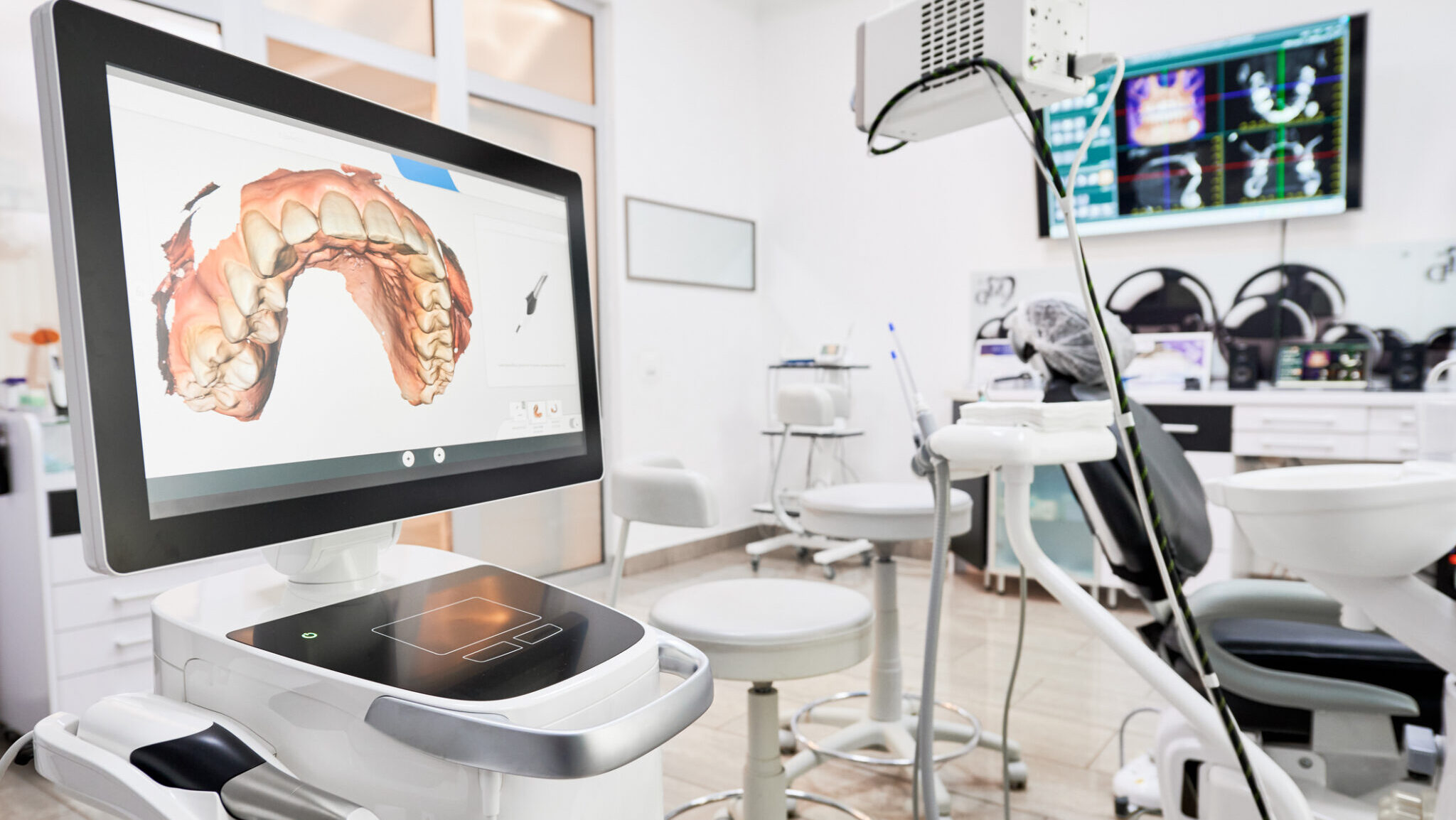
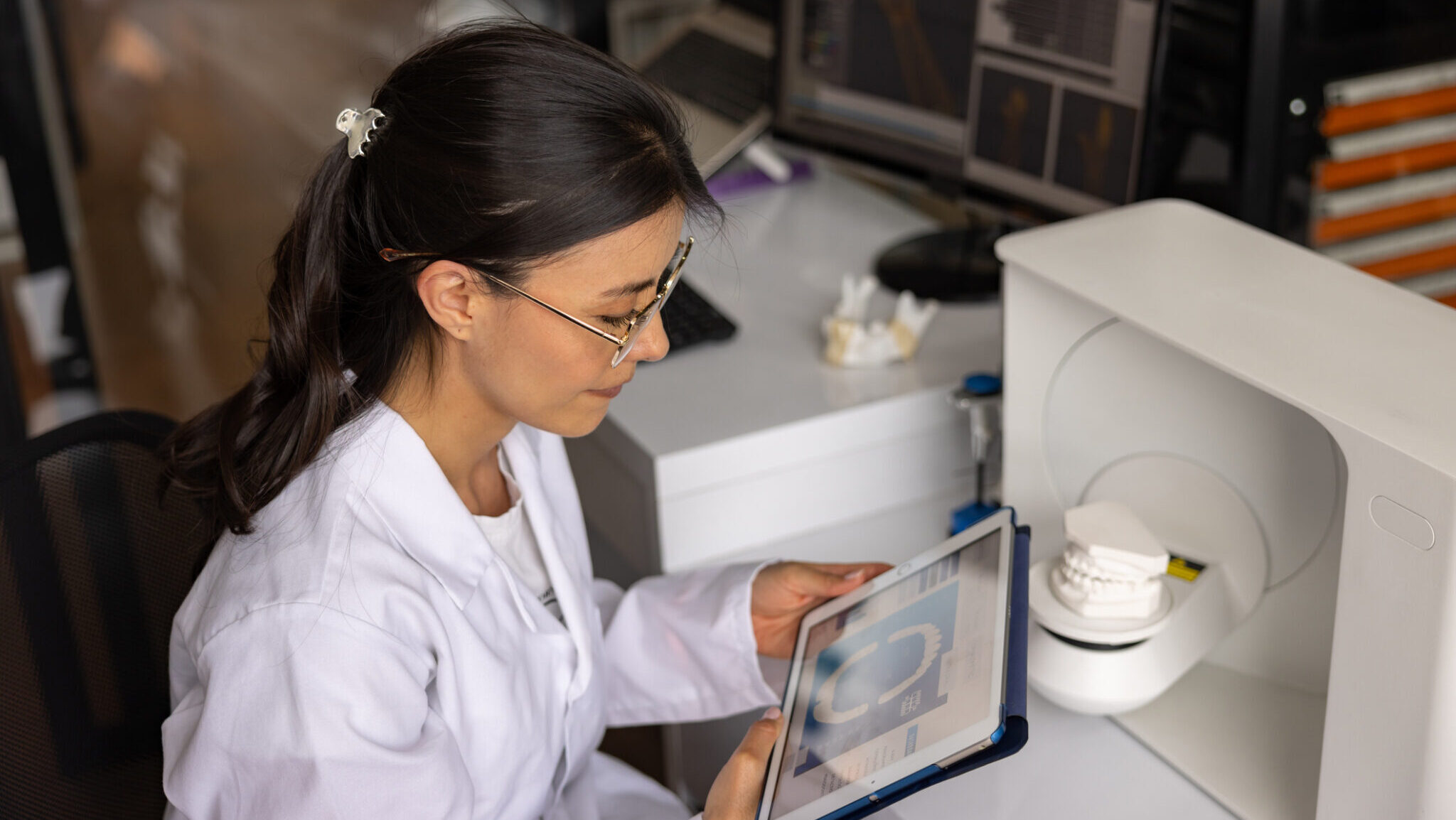
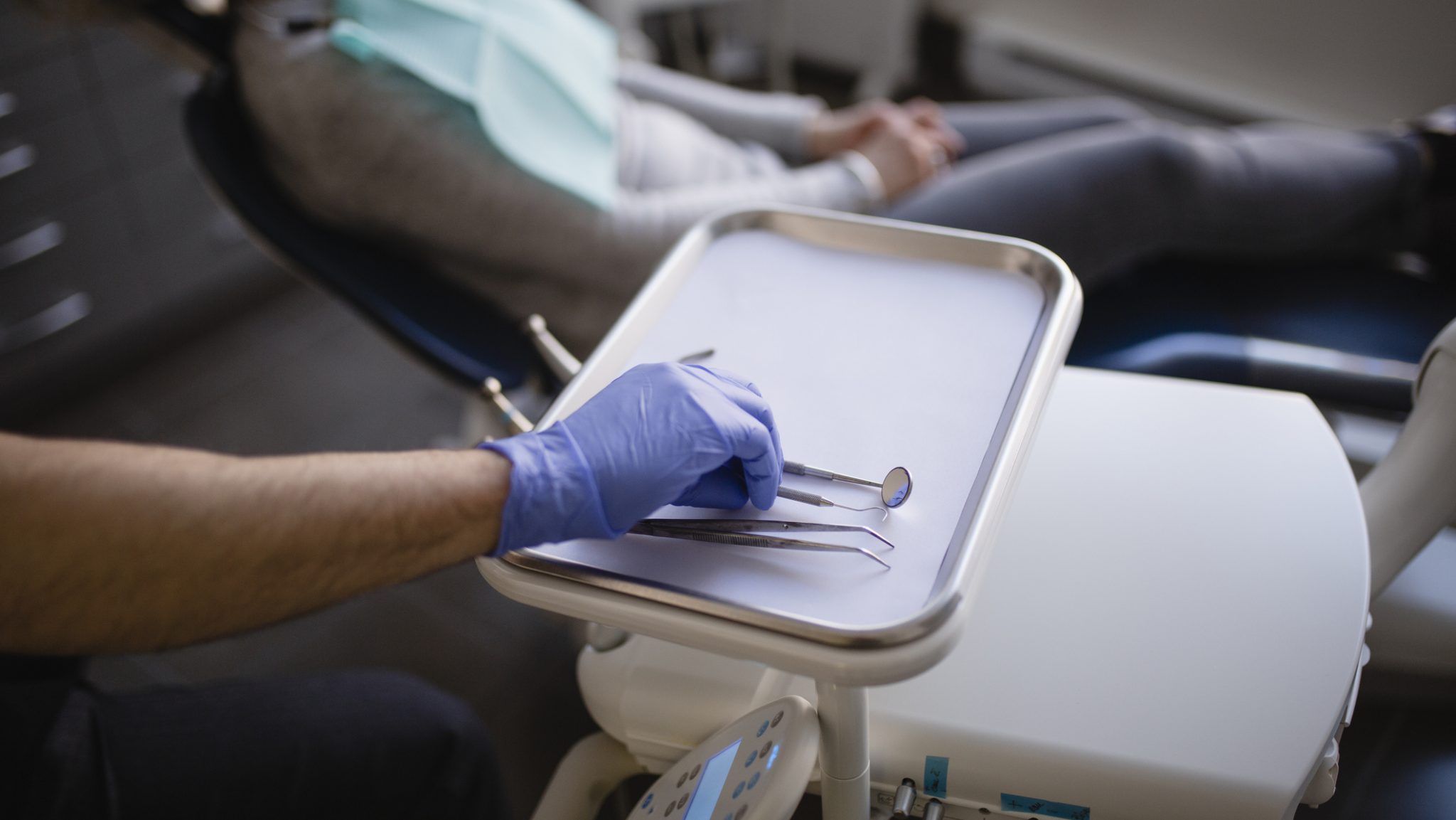
Interior of dental office with modern equipment and dental intraoral scanner with teeth on display, medical system for intraoral scanning. Concept of digital dentistry and dental scanning technology.

With DSOs continuing to grow and multi-location dentistry becoming more common, the operational side of dentistry can’t be treated as secondary. Dentistry isn’t just about great clinical care; it’s also about strong systems.
Non-profit U.S. institute aims to link long-siloed medical and dental data using AI

Medical and dental data integration efforts are not new. (iStock)

A U.S.-based oral health nonprofit is seeking to bridge the long-standing divide between medical and dental data using artificial intelligence. CareQuest Institute for Oral Health, a national nonprofit focused on advancing a more accessible and integrated oral health system, announced Tuesday it has partnered with health-care AI company Innovaccer to integrate medical and dental claims … Read more

AI-driven drug dosing algorithms

Doctor dentist working in office, using laptop, making notes on clipboard. Dentistry, medicine, hygiene, treatment, dental health care concept

This review summarizes current evidence and future implications on AI-assisted drug monitoring and dosing, AI-based behavioural support and decision-support tools highlighting the impact in dentistry.

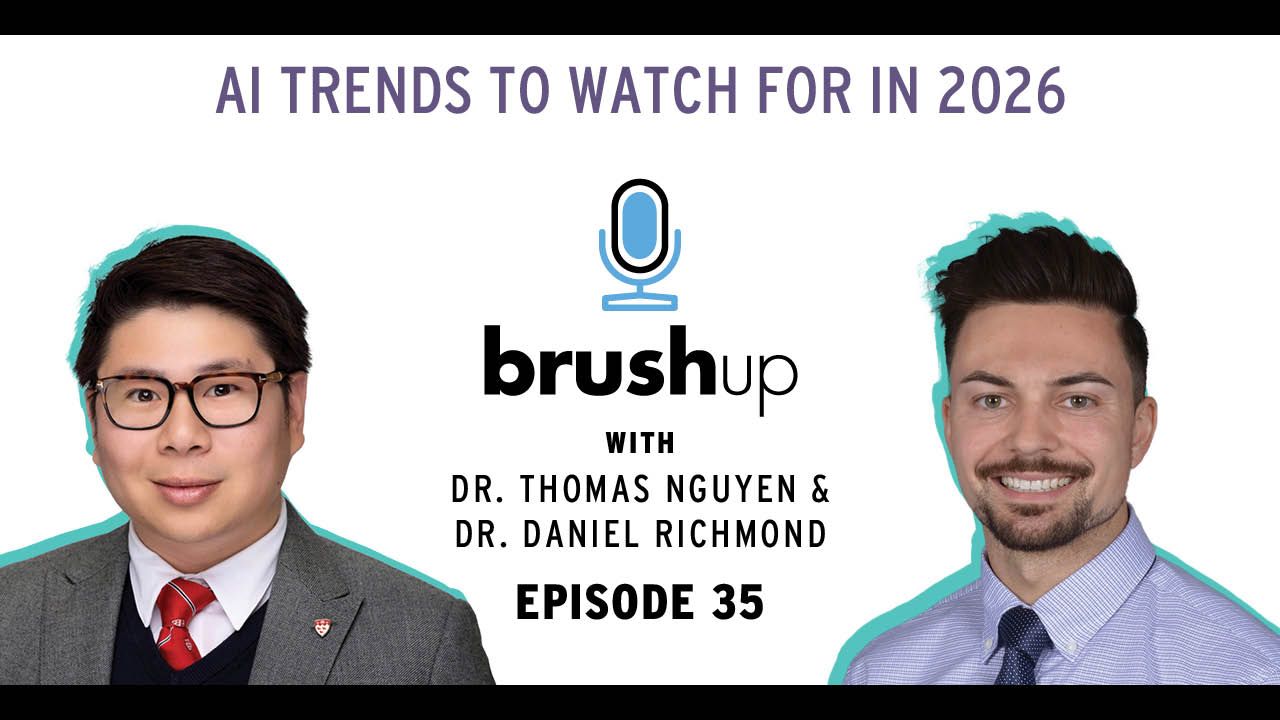
AI trends to watch for in 2026 | Episode 35

Dr. Thomas Nguyen shares some dental AI trends to look out for in 2026, including the integration of AI into dental workflows and the rise of AI-powered virtual reality in dental education.

Why most dental practices are still on the fence about AI

A conceptual image showcasing the merging of advanced robotics and human interaction against an urban skyline. A robotic arm and a human hand point towards a glowing holographic question mark, symbolizing the future of technology, questions, and potential challenges.

Oral Health’s recent Data Driven Dentistry survey of practicing Canadian dentists revealed that 55% of respondents are not using AI tools for administrative tasks. This finding demonstrates that despite the hype surrounding AI in dentistry, a significant gap in adoption remains.

Patient-controlled PHRs are the right platform for AI-directed health care

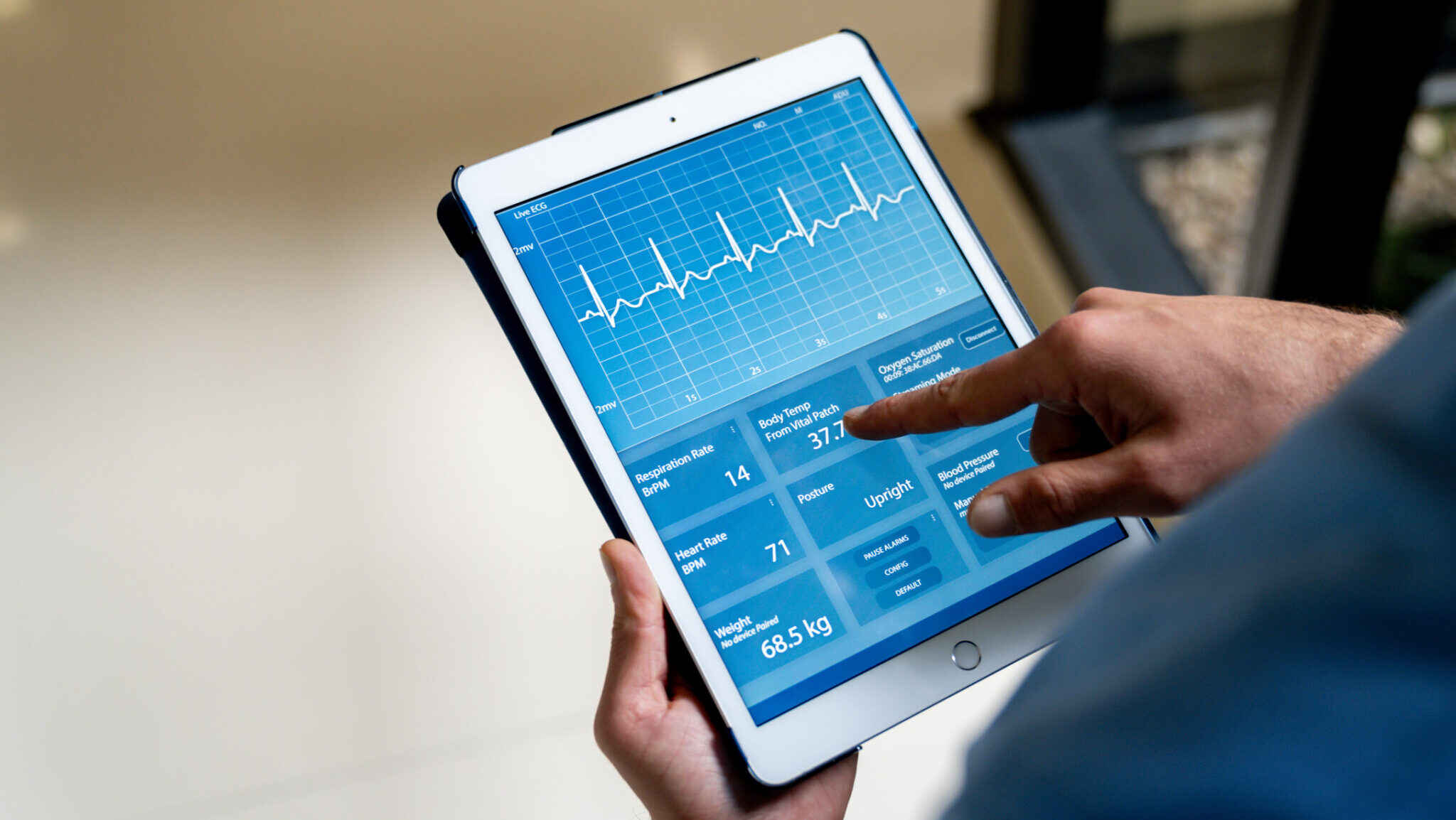
Close-up on a doctor monitoring the vital signs of a patient at the hospital using a digital tablet

The next wave of digital health will not thrive inside institution-tethered portals. These tools need comprehensive, longitudinal data assembled under a single, durable identity and governed by transparent, revocable consent. A patient-controlled personal health record (PHR) provides exactly that substrate.