Layered intraoral scanning for longitudinal soft tissue monitoring
Layered-intraoral-scanning-for-longitudinal-soft-tissue-monitoring alternate text for this image

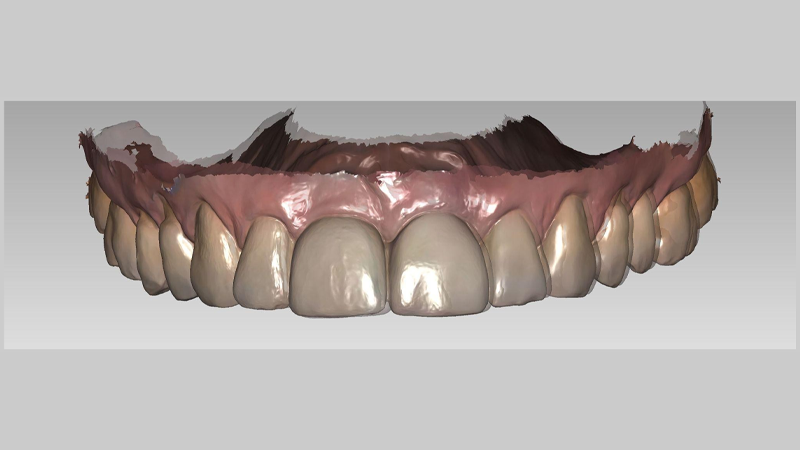
Abstract Monitoring peri-implant soft tissue stability has long been hindered by the subjectivity and limitations of traditional methods such as probing, photography, and radiography. Layered intraoral scanning offers a reproducible digital method to detect subtle changes in soft-tissue morphology over time. By superimposing baseline and recall scans, clinicians can identify early shifts in papilla height, … Read more
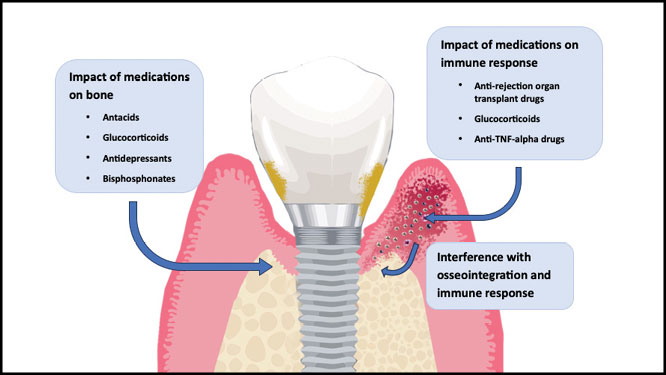
Impact of medications on osteointegration and implant survival

Ting-impact-osteointegration-implant-survival alternate text for this image

Dental implants are the preferred treatment for edentulous and partially edentulous patients. Over the past decade there has been an increasing number of dental implants placed in patients each year.1 The longevity of dental implant integration is challenged with the increase in life expectancy. This increase in life expectancy is most often associated with an increase … Read more

Management of prosthetic complications in hybrid implant-supported fixed prostheses

kucey-is-fdp alternate text for this image

Full-arch, implant-supported fixed dental prostheses (IS-FDP) are a well-established restorative option for the replacement of missing and terminal dentition. There are multiple suprastructure configurations and materials from which clinicians can consider, including acrylic resin to metal, metal-ceramic, monolithic zirconia, and porcelain fused to zirconia prostheses. Frameworks are composed of either titanium alloy, chromium cobalt, or … Read more

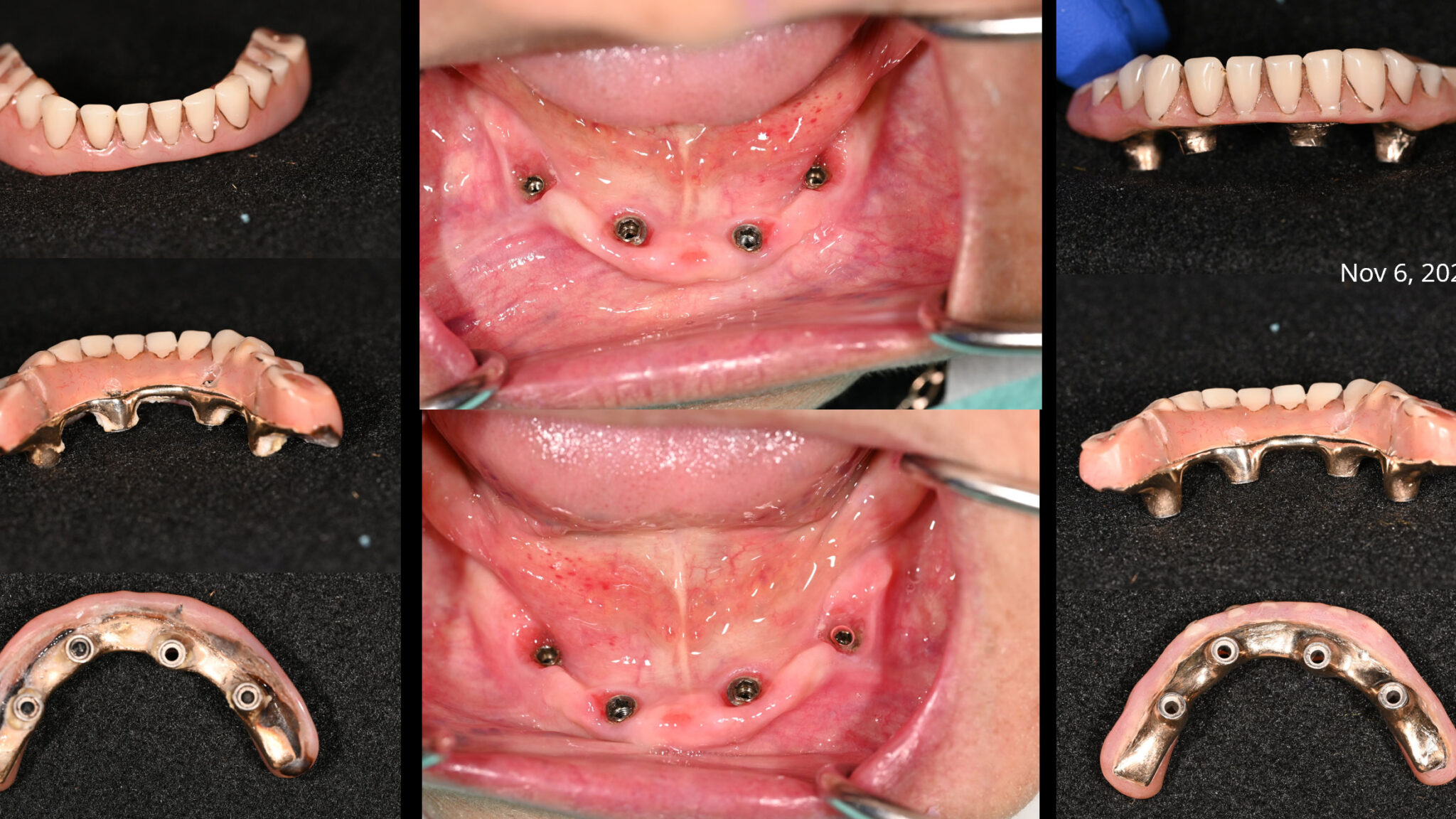
Streamlining the full arch implant solution

Picture 4b alternate text for this image

Abstract There is a growing demand for fixed full arch implant supported restorations.1 The procedures associated with this type of treatment can be daunting due to the complexity of all aspects of this treatment modality, from the initial data gathering and diagnosis to the surgical and prosthetic treatment implementation.2 Recent technology with its associated workflows can streamline … Read more

Reality and current status of the peri-implant diseases management

Figure 5a alternate text for this image

Over the past few decades, patient demand and inquiries regarding dental implants have increased significantly. Today, more than 100 commercial implant brands exist, with an estimated 12–15 million implants placed annually worldwide.1 As a result, by 2023, over 200 million patients globally were living with dental implants. According to Grandview Research, North America accounted for 38.4% … Read more

Etiology and management of a common and complex dental problem: Tooth wear

figure 2b alternate text for this image

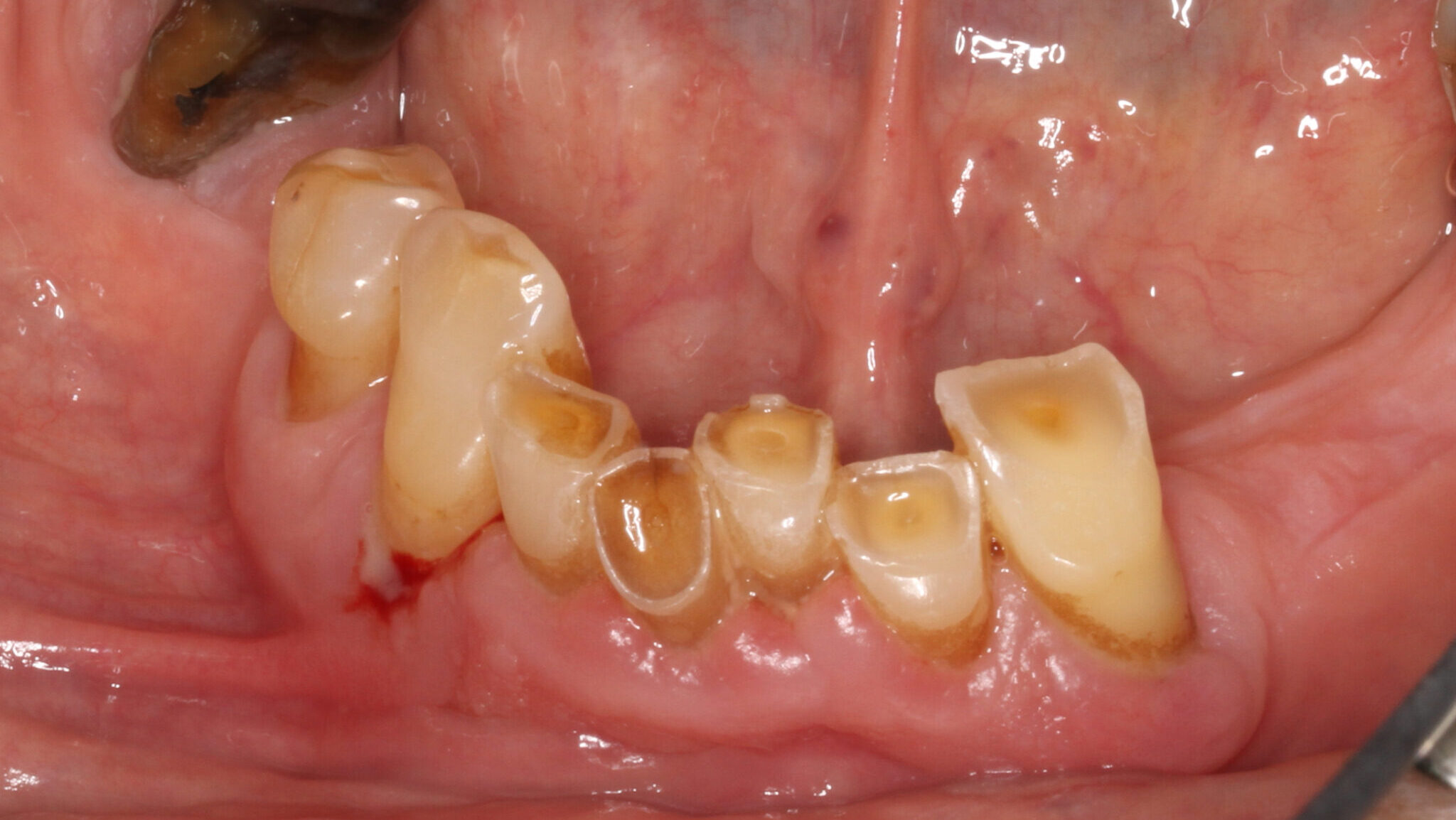
Abstract Tooth wear has become an increasingly prevalent condition across age groups. With this article, we want to explore the etiology, classification, diagnosis, and management of tooth wear, focusing on the interplay of mechanical, chemical, and biomechanical factors such as abrasion, attrition, erosion, and abfraction. Dietary habits, parafunctional activities, systemic diseases, and oral hygiene practices … Read more

The truth about dental tourism: When initial cheap dental treatment causes expensive biological and financial consequences

Adobe Stock / Generated by AI

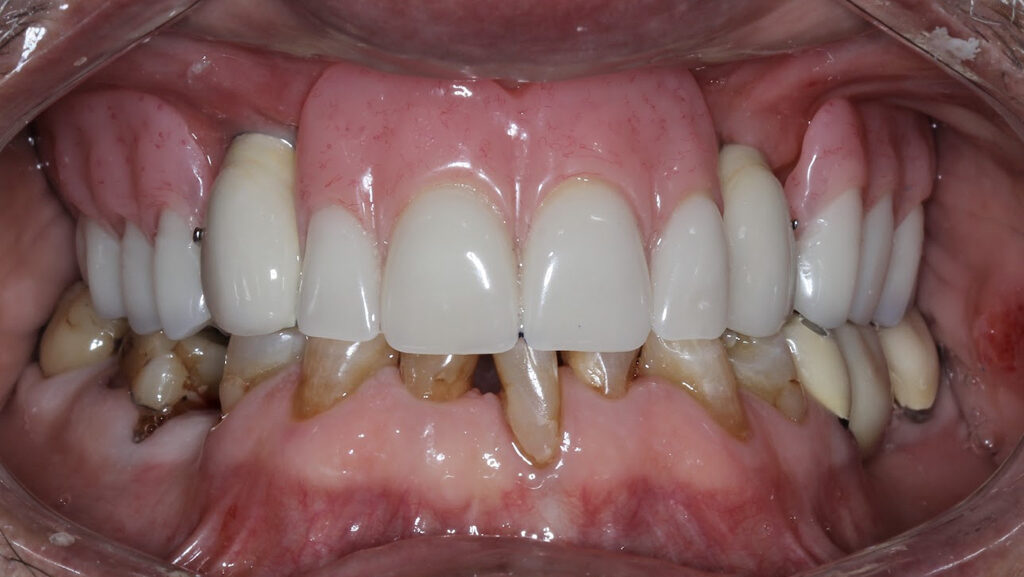
As a practicing prosthodontist in Toronto, I’m experiencing a disturbing trend in clinical practice which is causing expensive biological and financial consequences for our patients. On average, a few patients per month are being referred to my specialty practice after some full-mouth reconstruction, cosmetic, and/or implant dentistry was initiated in another country. Patients return to … Read more