A novel means of modulating the oral microbiome to promote dental health

stein-thumbnail alternate text for this image

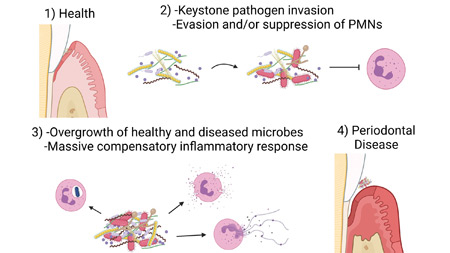
Oral dysbiosis, a key driver of many oral diseases that impact over three billion people worldwide, is the shift away from health-associated homeostatic microbial populations that inhabit the oral cavity.1-3 Indeed, the oral microbial consortia associated with dental health is characteristic of having high diversity, both in genetic composition and in metabolic capability.4-7 Antibiotics, chronic antiseptic exposure, … Read more
Use of “Black Magic” in arresting oral decay in Sjögren’s disease patients

Laing-thumbnail alternate text for this image

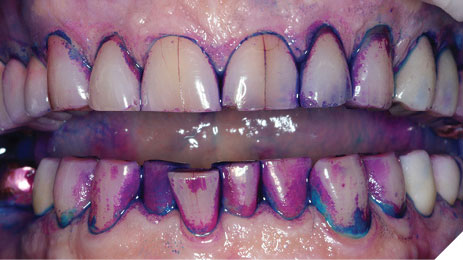
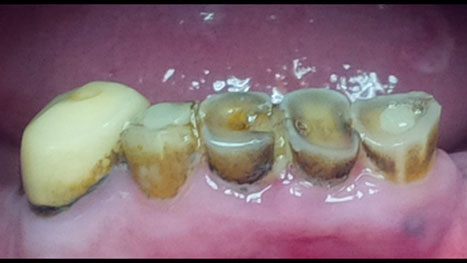
Sjögren’s Disease (SjD) is a systemic autoimmune disease characterized by lymphocytic infiltration and dysfunction of the exocrine glands, notably the lacrimal and salivary glands. The oral consequences include salivary gland dysfunction, altered salivary compositions, and loss of protective effects from saliva such as buffering capacity, antimicrobial capabilities, and clearance of bacteria and food debris.1 The disease … Read more

SDF in a restorative dental practice: A prosthodontist’s perspective

Muniz_thumbnail alternate text for this image

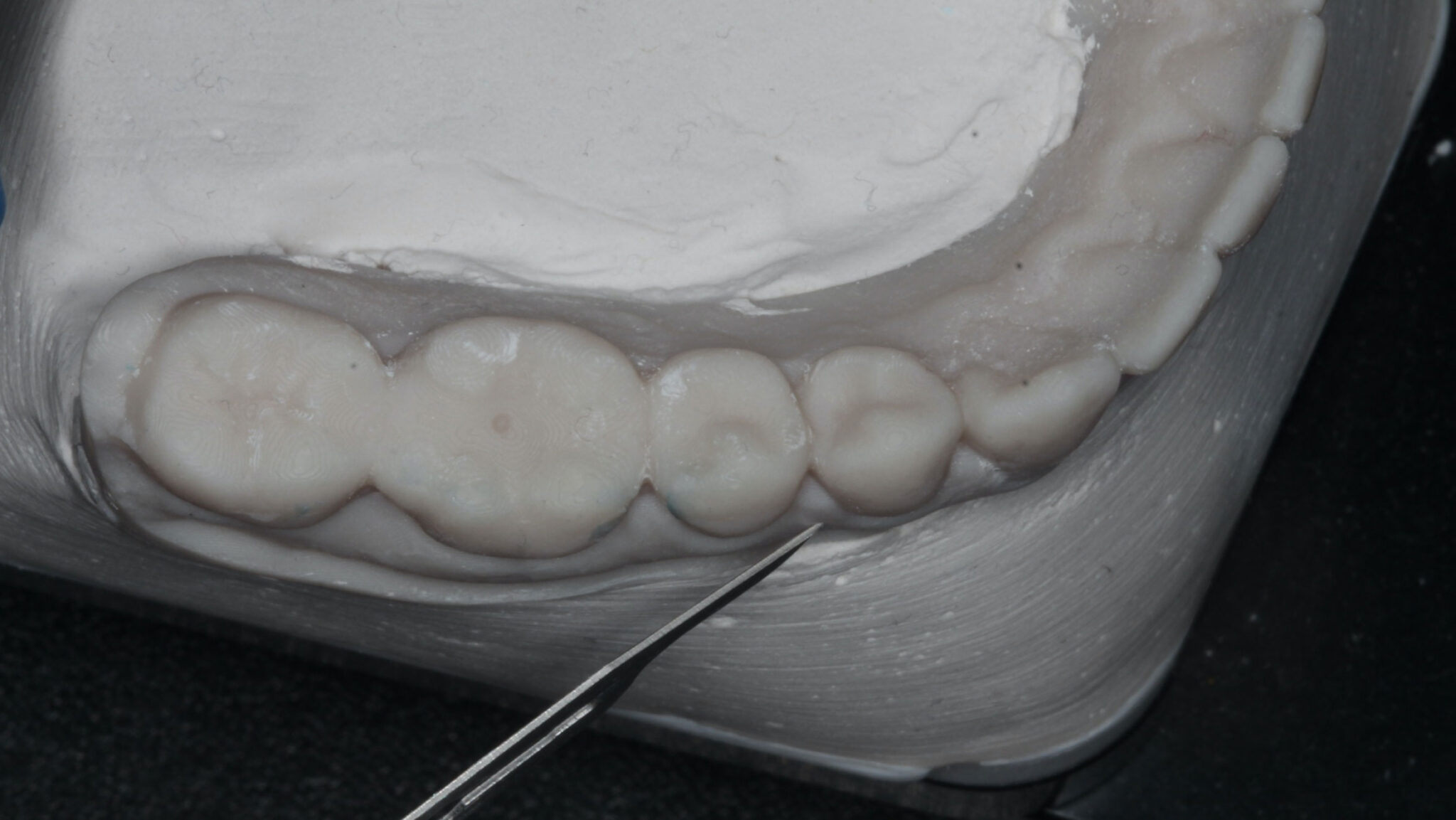
Silver diamine fluoride (SDF) has been used in caries prevention since the 1800s and has gained relevance in private practice since its FDA approval in the United States in 2015.1 While it is FDA approved for dentinal hypersensitivity, clinicians have been using SDF off-label for caries prevention and treatment, as it has been shown to stabilize … Read more

Novel approaches to improve esthetics and patient comfort following an apically positioned flap in combination with a free gingival graft

morris_thumbnail alternate text for this image

A case report and review Abstract With growing evidence in the literature to support soft tissue grafting around teeth and implants, reported patient concerns have been the esthetics following free gingival grafts and the management of post-operative pain. A novel approach to the recipient bed preparation using the “M-technique” for an apically positioned flap in … Read more

Leveraging AI and genetic testing

Parkes_Fig_3 alternate text for this image

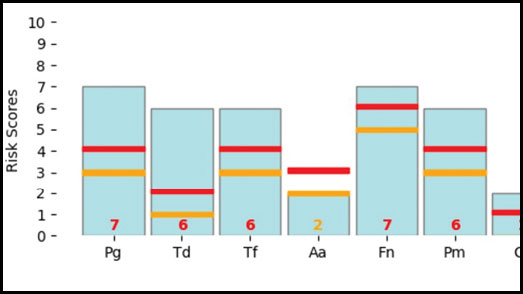
Collectively, periodontal disease and dental caries are among the most common diseases worldwide and are leading causes of tooth loss.1 They not only diminish quality of life and systemic health but also impose significant burdens on public health systems.2,3 For decades, clinicians have relied predominantly on visual assessment tools to detect and classify periodontal disease. While … Read more

Salivary diagnostics – From the hygiene perspective

Lepicek_thuimbnail alternate text for this image

Disease prevalence in dentistry is an ever-increasing battle. As dental hygienists, being the true prevention specialists, it is difficult not to become frustrated or even deflated by the statistics surrounding periodontal disease and the high caries rates. Our assessment strategies have come a long way. However, perhaps it is time to implement new techniques and … Read more

Practicing dental medicine: The partnership with a clinical laboratory

oral-health-december alternate text for this image

If you are reading this article, you were likely born in a country and era where medical testing is a routine part of healthcare. From birth, data collection begins with tracking weight and height, followed by simple blood tests to screen for potential concerns. As we progress through life, additional tests are conducted based on … Read more

Saliva diagnostics: Pioneering the future of dentistry and medicine

Vig_Fig.2 alternate text for this image

More than 100 years ago, the famed physician Charles Mayo, MD, stated that the future of medicine and disease prevention lay in the hands of and must come from the dental profession. Historically, the dental profession has not used or monitored patient wellness via traditional diagnostic testing as is common in medicine. Recently, there has … Read more

Chairside screening for oral inflammation: A case series

Figure 1a alternate text for this image

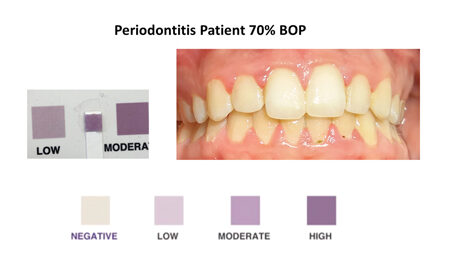
Background: Periodontitis is a common chronic inflammatory disease, with many patients unaware that they have this condition. This is partly because it progresses slowly and often comes with mild or intermittent symptoms. Diagnosing periodontal disease usually requires gingival probing, a reliable method, but one that often gets skipped during routine dental check-ups. Patients who cannot afford … Read more

Finding the key to oral health … and total health

oral-health-december alternate text for this image

It is astonishing that as early as 1914, Dr. Charles Mayo, of Mayo Clinic fame, wrote an article titled “Mouth Infection as a Source of Systemic Disease.” He is also known to have said, “The next movement in preventive medicine must come from the members of the dental profession.” Wow! This was over one hundred … Read more

Salivary Biomarkers: A New Horizon in Clinical Dentistry

oral-health-dec-2023 alternate text for this image

Saliva, often referred to as the “mirror of the body,” is a remarkably complex and valuable biofluid that holds a wealth of information about an individual’s health, disease status, and well-being. Saliva originates from diverse glands within the oral cavity, comprising a rich and intricate assortment of biological molecules. These include a wide range of … Read more

Chronotherapy in Dentistry: Another Treatment Approach

Figure 2 alternate text for this image

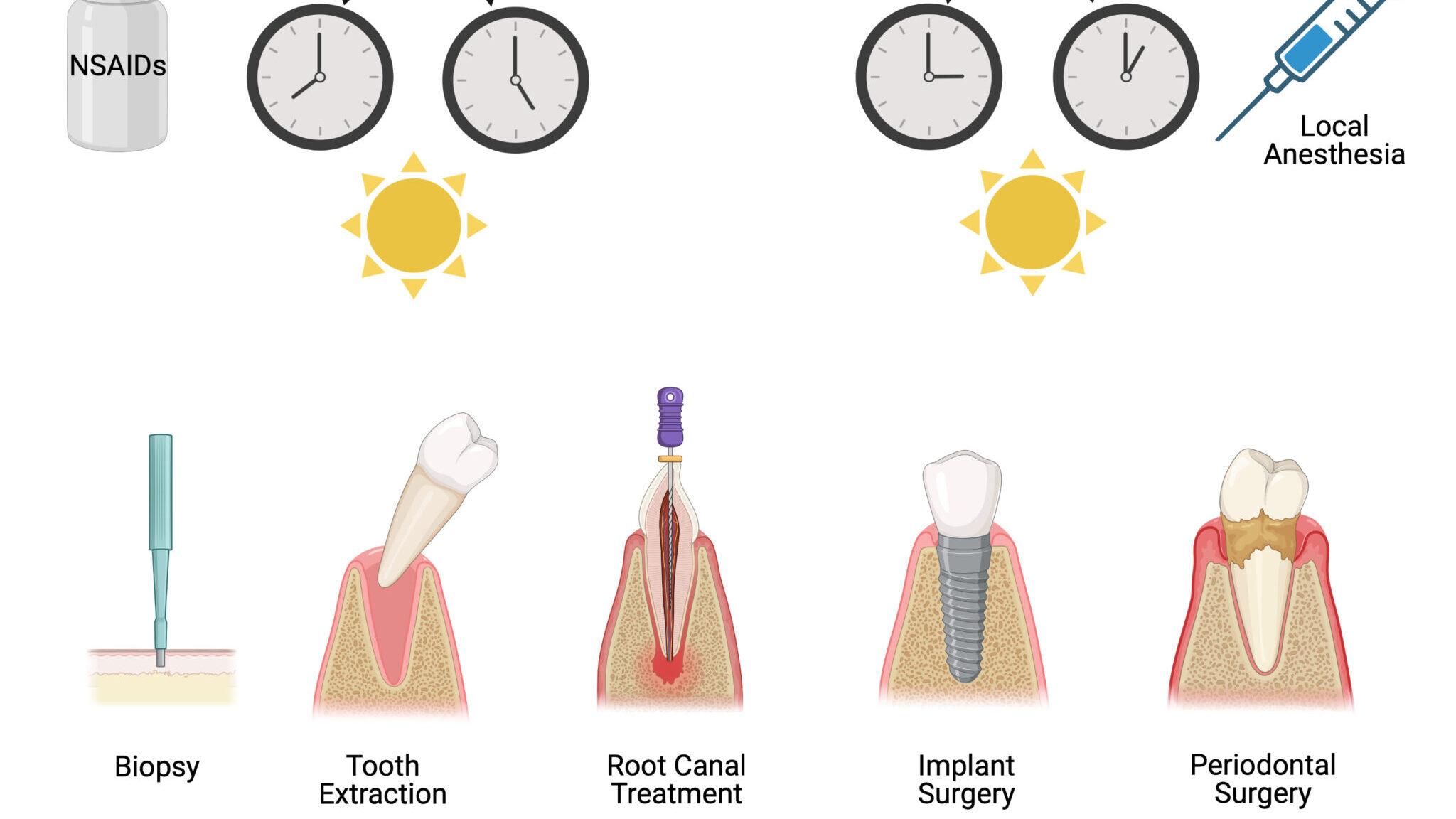
Abstract This review focuses on the emerging field of chronotherapy in dentistry, which aims to optimize therapeutic efficacy and minimize adverse effects by administering drugs or interventions at specific times of the day based on the circadian clock’s modulation of physiological processes relevant to dentistry. It has been found from well conducted systematic reviews that … Read more

Monitoring Oral Inflammation: A Chairside Game-changer

Glogauer pic 1C alternate text for this image

Periodontal disease (gingivitis and periodontitis) is an oral inflammatory condition that is an all too common oral problem.1 Gingivitis often presents as bleeding, swollen gums, and pain, and if left untreated progresses to periodontitis, which involves the loss of periodontal attachment and supporting bone. The imbalance between oral bacteria and the innate immune cells, particularly … Read more

Vitamin D: Unveiling the Crucial Trifecta – Teeth, Immune System, and Bones

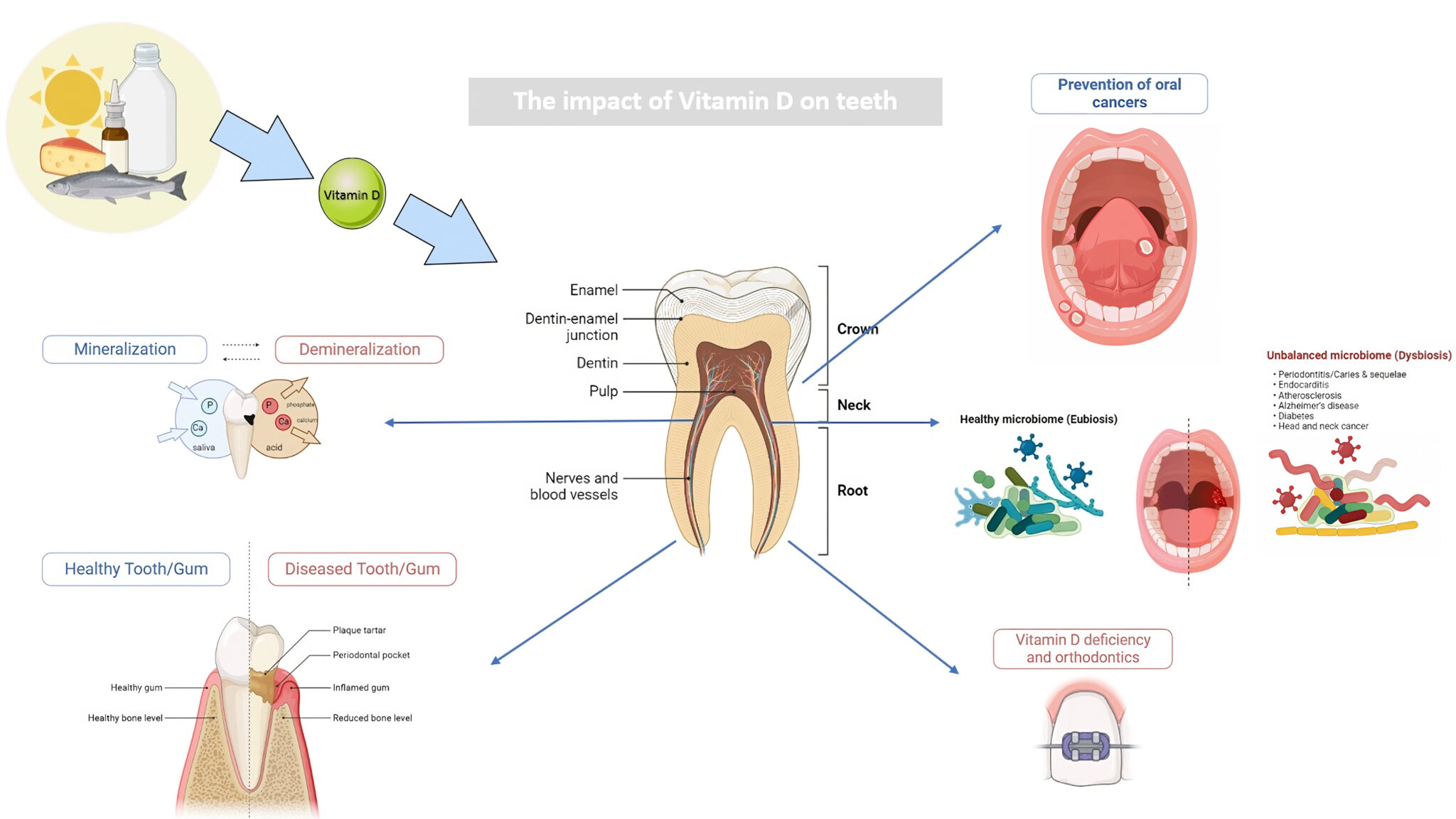
. By contrasting a tooth surrounded by healthy, light-colored gums with a tooth surrounded by diseased gums, this picture demonstrates how dietary vitamin D influences dental health. By facilitating calcium absorption, dietary vitamin D, represented by a food symbol, affects dental health. This promotes stronger teeth and supports overall dental health by strengthening tooth structure. The illustration also shows the potential prevention of oral cancer, maintenance of a healthy oral microbiome, and faster bone formation during orthodontic treatment.

Abstract According to recent studies, vitamin D insufficiency is connected with the occurrence of various diseases, including cancer, cardiovascular disease, and neurological disorders. Understanding the elements that regulate vitamin D intake and enhancement is crucial to preserving health and preventing the beginning of disease. With this review, we seek to shed light on the relevance … Read more

Interprofessional Collaboration: What Can Dentists Learn from Colleagues in Medicine and Pharmacy on How to Counsel Patients on Prevention of HPV-related Head and Neck Cancers?

FIGURE-2 alternate text for this image

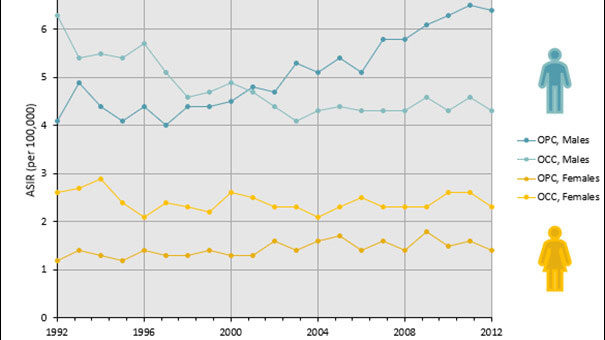
Oropharyngeal cancers (OPCs) and oral cavity cancers are distinct head and neck cancers via location, causation, and incidence. OPCs encompasses the oropharynx structures – consisting of the mid-throat, the back one-third of the tongue, the soft palate, tonsils, and the side and back walls of the throat (Weatherspoon et al., 2015). Causally, OPC malignancies are … Read more

Antiresorptive Medication Effects on Dental Implant Survival and Implant-Related Jaw Osteonecrosis

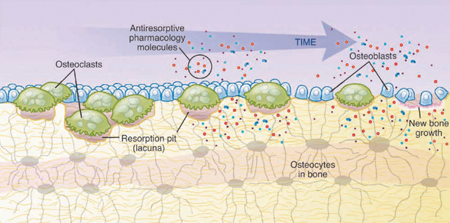
Antiresorptive therapy: 1) decreased osteoclastogenesis leads to osteoclast apoptosis and decreased bone resorption; 2) decreased osteoblastogenesis leads to decreased bone formation.19

Dental implants to replace missing teeth are a predictable treatment option with survival rates ranging as high as 98 to 99%.1-6 Antiresorptive agent-related osteonecrosis of the jaw (ARONJ) is a serious dental surgical post-operative risk for patients on antiresorptive medications, and may also interfere with dental implant osteointegration. The data on antiresorptive medication-associated implant failure … Read more

How Do We Know What We Know?

oral-health-december-2021 alternate text for this image

We go through life on many roads picking up information and details as we grow, mature and age. The journey of life is a journey of knowledge. How do we gain knowledge? How do we know what we know? The ancient Greeks created a branch of philosophy dedicated to this question called epistemology. A quick … Read more

The Neutrophil in Oral Health and Disease: The New Diagnostic Biomarker

GLOGAUER-FIGURE-1 alternate text for this image

Introduction Neutrophils (Polymorphonuclear neutrophils or PMNs) are a highly abundant white blood cell type, that are the first cells recruited to acute sites of infection. Through their essential role in immune surveillance and maintenance of organismal homeostasis, PMNs innately recognize tissue damage and infection, quickly home to relevant sites throughout the body and destroy invading … Read more