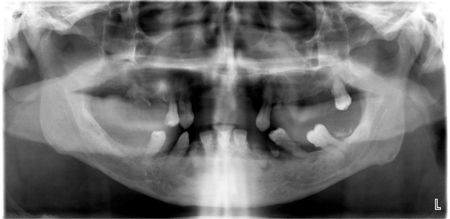
The rising prevalence of oral potentially malignant disorders
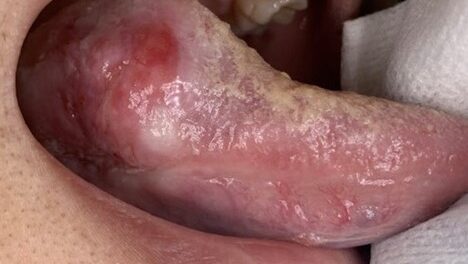
Freilich-Fig11 alternate text for this image

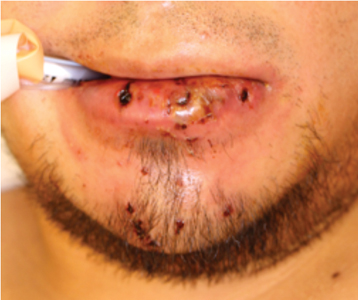
The increasing incidence of oral potentially malignant disorders (OPMDs) requires vigilance on the part of dental practitioners in the identification of at-risk mucosal lesions and patients.1 OPMDs are defined as oral mucosal abnormalities that are associated with a statistically increased risk of developing oral cancer.2 The World Health Organization anticipates an increase in oral squamous cell carcinoma (OSCC) associated with increased … Read more
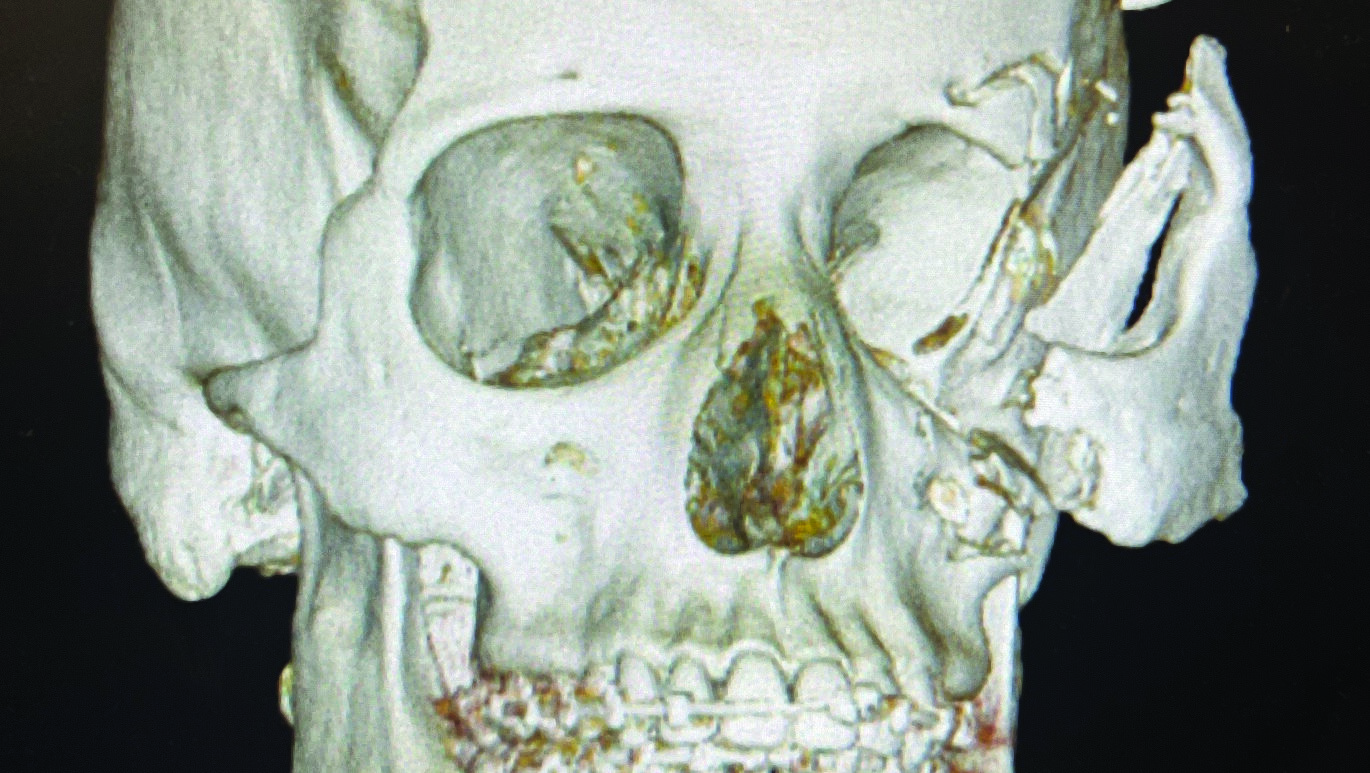
Insights Beyond Teeth: The Dental Practitioner’s Role in Midface Trauma Detection

Misty_Fig2C alternate text for this image

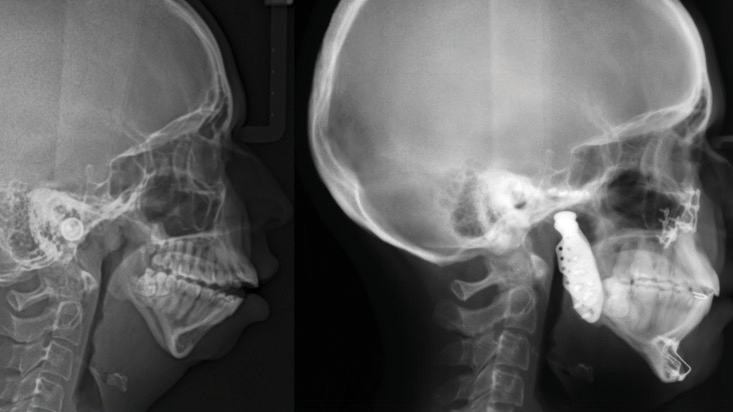
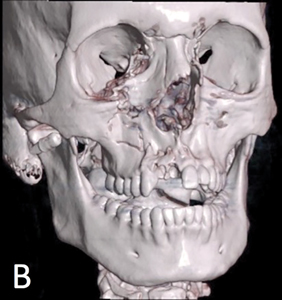
The oral and maxillofacial surgeon or potentially other dental practitioner may be called upon to assess and examine dental injuries, and oftentimes these patients may present with concomitant injuries to other structures outside the dentoalveolar complex, such as the midface. The dental practitioner’s role in recognizing midface fractures and related injuries extends beyond dental structures. … Read more

Concomitant Temporomandibular Total Joint Replacement and Orthognathic Surgery

thumbnail alternate text for this image

Abstract Facial differences and temporomandibular joint (TMJ) disorders often coexist. Some dentofacial deformities can be a common primary cause of TMJ pathology or develop as a secondary result of joint disease. Patients with these concurrent pathologies benefit from simultaneous surgical management of both issues, typically involving OGS and alloplastic total joint reconstruction (TJR). This article … Read more

Percutaneous Radiofrequency Thermal Ablation of Gasserion Ganglion in Trigeminal Neuralgia –Does it Really Make a Difference?

Kumar-fig1 alternate text for this image

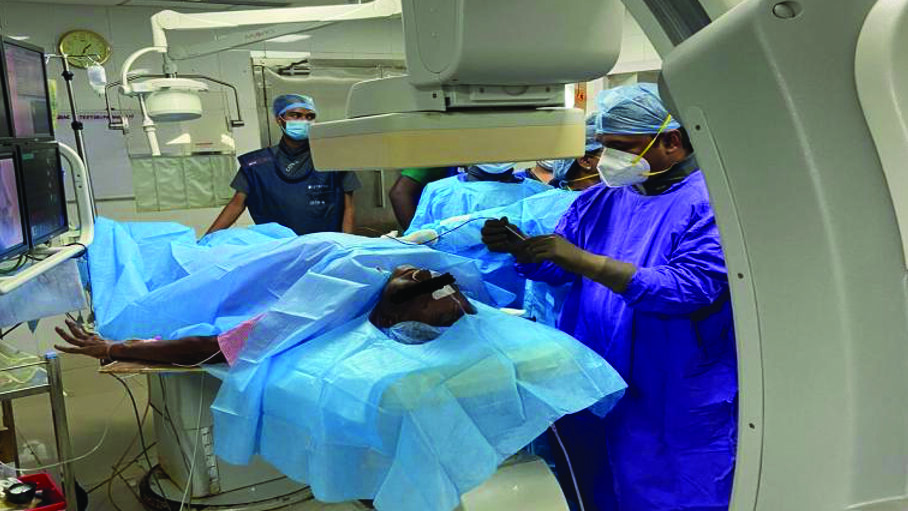
Trigeminal neuralgia (TN) is defined as a chronic condition characterized by the presence of unilateral neuropathic facial pain, which is of severe nature with episodic pain distributed along the branches of the fifth cranial nerve and might result in physical and/or psychological disability. According to the International Classification of Headache Disorders, TN is a condition … Read more

Brain Abscess of Dental Origin

Pynn_Fig3 alternate text for this image

Brain abscesses originating from carious teeth represent a rare yet potentially severe condition. Dental caries, if left untreated, can lead to various complications, including the development of brain abscesses due to the proximity of dental structures to the central nervous system. This paper aims to elucidate the pathophysiology, clinical manifestations, diagnostic approaches, treatment modalities, and … Read more

CAOMS Update 2024

istock-viewpoint alternate text for this image

With great honour and enthusiasm, I assume the role of President of our esteemed organization, the CAOMS. Stepping into the shoes of my friend and well-respected colleague, Dr. Robert Wagner, is both a privilege and a responsibility that I embrace with dedication. I consider myself fortunate to be surrounded by an exceptional executive team. Working … Read more

I Can Do it All by Myself…

ORAL-HEALTH-JUNE-2024 alternate text for this image

“Teamwork makes the dream work.” – John Maxwell Dentists practice in varied settings. They could be in the community or hospital, general or specialty, or individual or group practices. Regardless of the setting, each of us is called on to make decisions on the fly, manage complications, and deal with what may come, usually in … Read more

Correction of Temporomandibular Ankylosis

Reyneke fig3 alternate text for this image

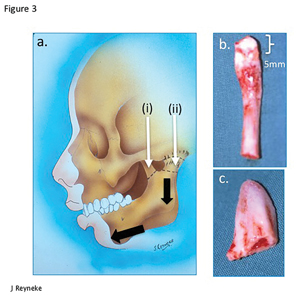
Trauma to the mandibular condyle or infection in the temporomandibular joint (e.g. septicaemia or chronic mastoiditis) in a paediatric patient can have a marked impact on facial development, particularly in the small percentage of patients that develop ankylosis. Ankylosis implies the loss of joint function due trans-articular fusion with bone (Fig. 1). Whilst it is … Read more

Lingual Nerve Injury: Surgical Anatomy and Management

Alali fig 1 alternate text for this image

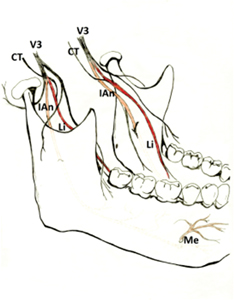
Introduction The Lingual nerve (LN) is a branch of the mandibular division of the trigeminal nerve (V3) that is responsible for general somatic afferent (sensory) innervation. It supplies the mucous membranes of the mandibular lingual gingiva, floor of the mouth and the ipsilateral two-thirds of the tongue. 1 It also carries specialized taste fibers and … Read more

Aesthetic Crown and Bridge Restorations Using a Fully Digital Workflow

crown and bridge

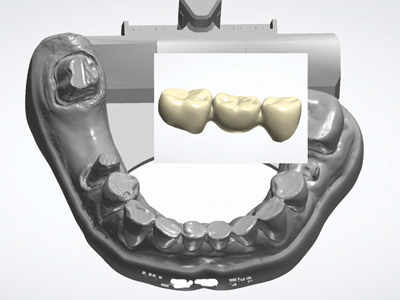
Introduction: The Digital Revolution in Dentistry Whether or not a clinician is working under the model of an in-house chairside milling solution or a more traditional lab-based relationship, digital scanner capture for crown and bridge restorations offers significant advantages over impression based capture – especially when prescribing digitally manufactured restorations. Many esthetic restorative materials are … Read more

The Role of the Dentist in Recognizing Orbital and Ocular Trauma

Orbital and Ocular Trauma

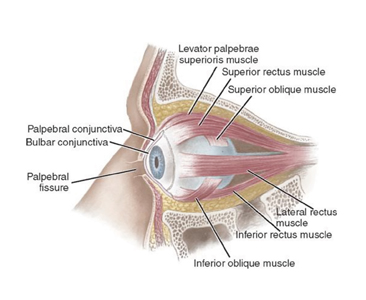
Introduction General dentists and dental specialists alike are often called upon by Emergency Department (ED) physicians to assess patients with dental injuries and concomitant maxillofacial trauma. Whether the assessment occurs in the ED, the hospital ward, or the private dental clinic, a full examination of the oral and maxillofacial structures is required to identify all … Read more

State-Of-The-Art Geriatric Dental Centre Now Part of Baycrest Campus

Baycrest Centennial Celebration – 175827 – Photo by Danielle Roach alternate text for this image

 As part of a recent centennial celebration, Baycrest revealed the latest donor-funded renovations and new spaces on campus, created to better serve the aging population. Among these spaces is the new Alpha Omega Dental Centre for Geriatric Care, a dental centre dedicated to the treatment of geriatric patients in the community who have complex medically … Read more

CAOMS Update

CAOMS

The Canadian Association of Oral and Maxillofacial Surgeons (CAOMS) is a not-for-profit organization that serves the needs of hundreds of Oral and Maxillofacial Surgeons across Canada. It is designed to support the ongoing practise requirements of OMFS and ensure that they are able to maintain excellence in their area of specialty – translating into the … Read more

Wisdom Tooth Removal: 25 Years Smarter?

CAOMS

In 1993, we wrote an editorial for Oral Health entitled “Wisdom Teeth: To Extract or Not?” and our accompanying two-part review on the current concepts and controversies involving third molar surgery. The articles provided a discussion of the indications for third molar removal and the influences of a variety of factors upon the surgical outcome. … Read more

A Rare Complication of a Retrobulbar Hematoma Formation

Pompura fig 5 alternate text for this image

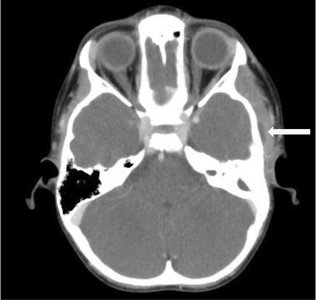
Following the Extraction of an Impacted Maxillary Wisdom Tooth The on-call team of Oral and Maxillofacial Surgery was notified to assess and treat a complication of retrobulbar hemorrhage and hematoma following the extraction of a left impacted maxillary wisdom tooth. This case is unusual as an ophthalmologic complication secondary to a dental extraction is very … Read more

Oral Injury as a Source of Tetanus Inoculation

Davis pan1 alternate text for this image

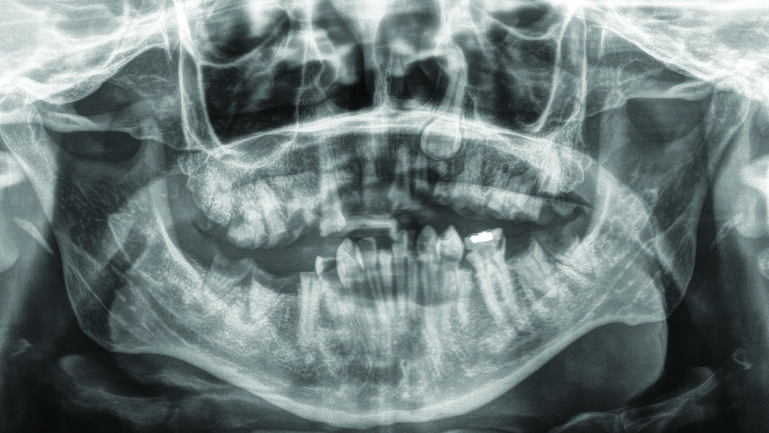
Abstract Tetanus is a serious, life threatening infection caused by the bacterium, Clostridium tetani. Due to almost widespread vaccination against tetanus toxoid the incidence in the developed world is extremely low. Vaccination in childhood does not result in lifelong immunity and requires “booster” doses of the vaccination every ten years. In the United States, the … Read more