Why bother with organized dentistry?
Just like there are leaders and followers, there are joiners and non-joiners. This is quite true in our profession when it comes to organized dentistry.

Just like there are leaders and followers, there are joiners and non-joiners. This is quite true in our profession when it comes to organized dentistry.

The journey of Dr. Sara Razmavar and her husband, Amirali Kavousian, began in 2017 when they acquired Highland Creek Dental.

Zero-click searches let patients get answers without visiting your website. Learn how AI is changing dental marketing and what practices must do to stay visible in 2026.

Despite growing interest, many dentists remain cautious. When asked whether they had implemented AI-assisted technologies for clinical diagnostics in the past five years, 60% of Canadian dentists said they had not.

As dentistry continues to move toward data-driven decision-making, tools that close the diagnostic gap in hygiene are becoming essential to sustainable practice growth.

January is a perfect moment to pause and ask an important, guiding question: Where could I enhance and elevate the care I provide to my clients this year? Growth in dental hygiene doesn’t always require dramatic change. More often, it begins with honest assessment, thoughtful reflection, and intentional decision-making.
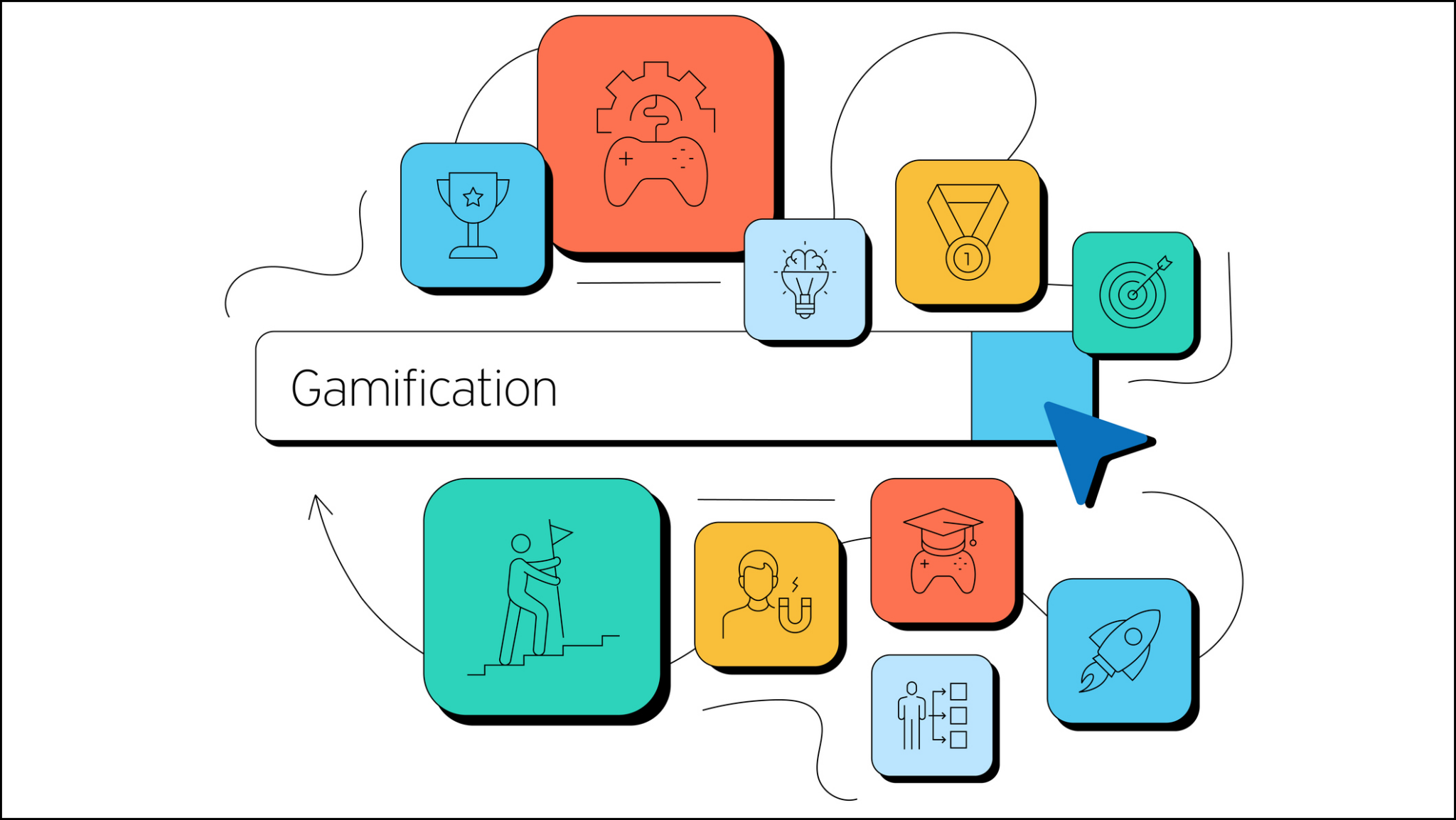
“Gamification” is already big business in health care. While historically used in healthcare education, it is increasingly being applied to drive better management of various medical conditions.

This month we are showcasing Precious Rios, RDH, Myofunctional Therapist, and Ortho Coordinator. Precious is passionate about helping families understand the powerful connection between oral health, breathing, and overall wellness.
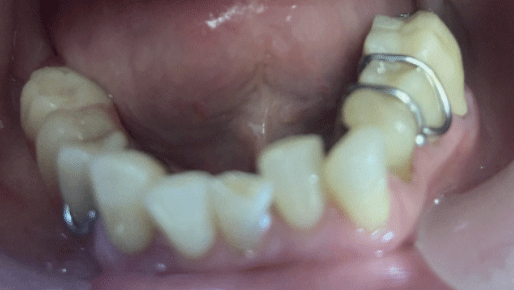
The management of patients with a collapsed bite presents both diagnostic and therapeutic challenges, particularly when vertical dimension of occlusion (VDO) must be reestablished.

By using structured checklists, flowcharts, and communication scripts, your dental team can be adequately prepared to integrate menopause-aware protocols into recall visits that can improve quality of life, reduce oral disease burden, and contribute to better systemic health outcomes for millions of patients.

Oral Health’s recent Data Driven Dentistry survey of practicing Canadian dentists revealed that 55% of respondents are not using AI tools for administrative tasks. This finding demonstrates that despite the hype surrounding AI in dentistry, a significant gap in adoption remains.

Paid ads aren’t “bad,” but they work best when used strategically. Learn when and how dentists can leverage paid advertising—like a scalpel, not a hammer—for better outcomes and ROI.

Kiki is the first Tooth Fairy built for today’s world: a fully animated, movie-quality tooth fairy with warmth, humour, and an entire universe built around her.
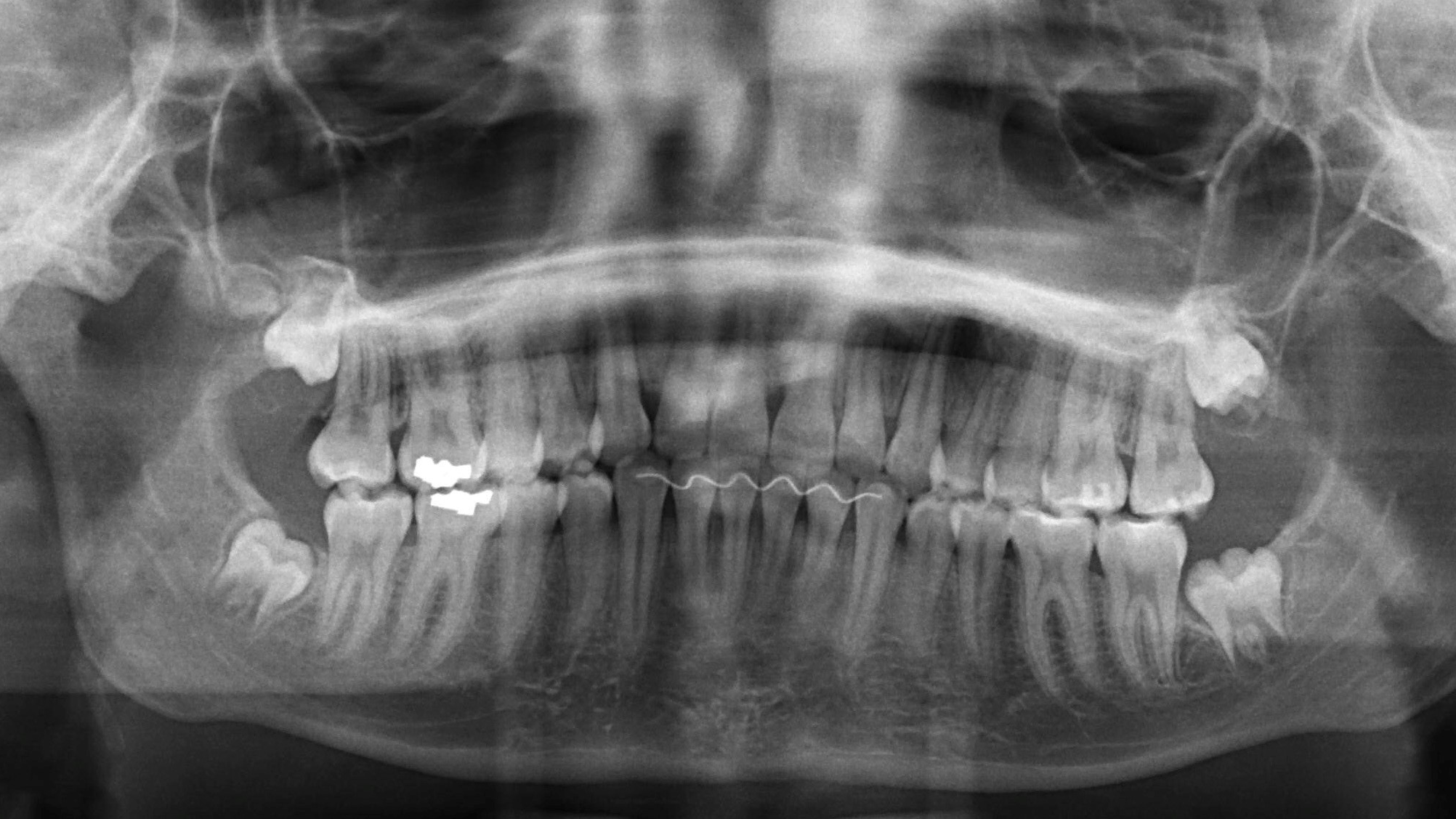
Publications have documented supernumerary bicuspids arising up to 11 years after completion of development of normal teeth. This paper reports a case of late development of supernumerary fourth and fifth molars in the maxilla.

This case report describes a rare instance of a five-year-old pediatric patient who exhibited extreme refusal to eat or drink for approximately 1 week following anesthesia for full-mouth dental restorations.
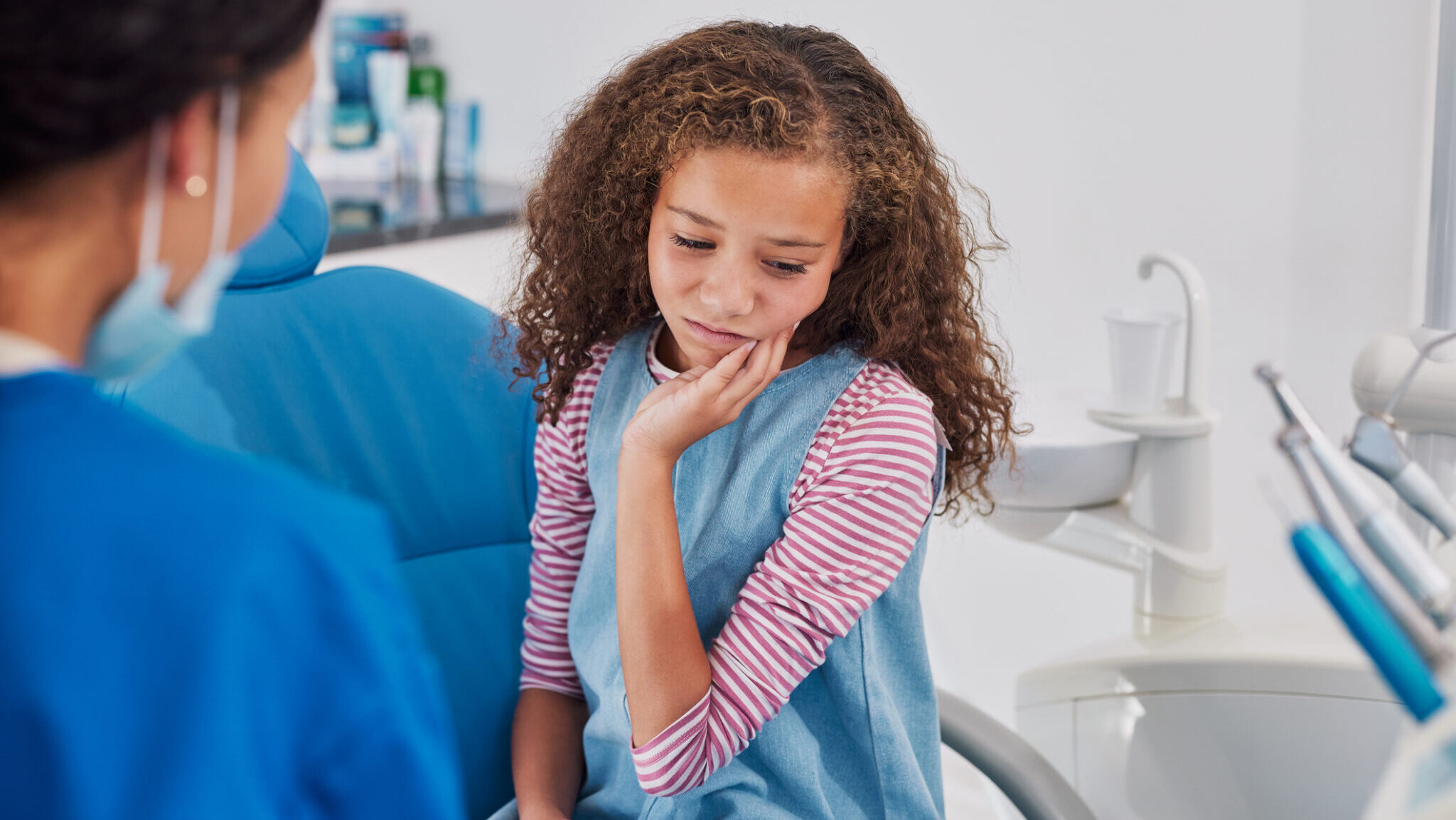
Acute dental pain in children can stem from various conditions, such as extractions, pulpitis, or apical abscesses. Managing this pain effectively is crucial for improving the child’s comfort and reducing distress for both the patient and their caregivers.
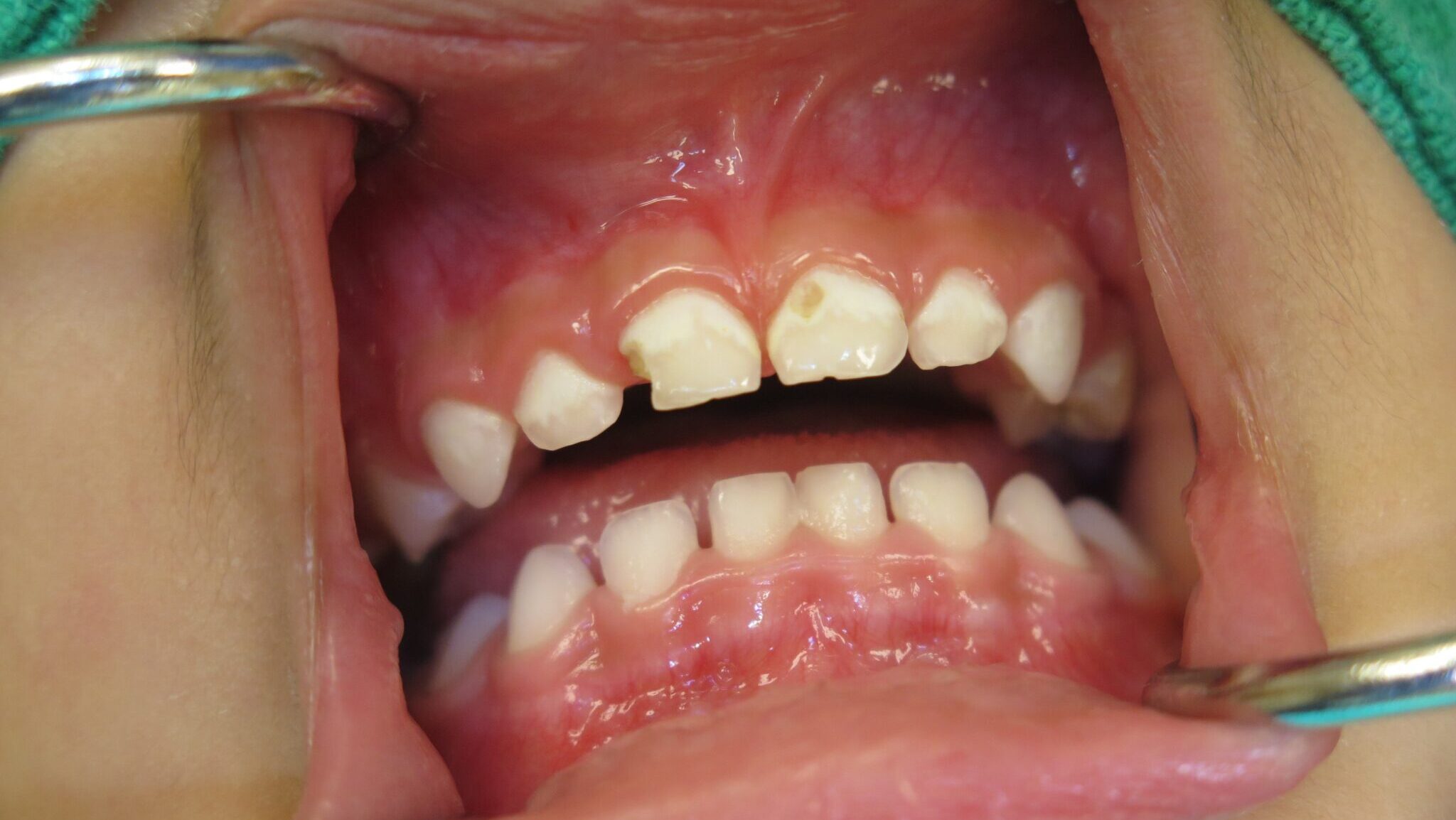
Early Childhood Caries (ECC) or Baby Bottle Syndrome (BBS) is a rampant form of tooth decay that destroys the newly erupted primary teeth very quickly. The tooth decay progresses at an astonishingly quick rate and will occur even before the tooth fully erupts.
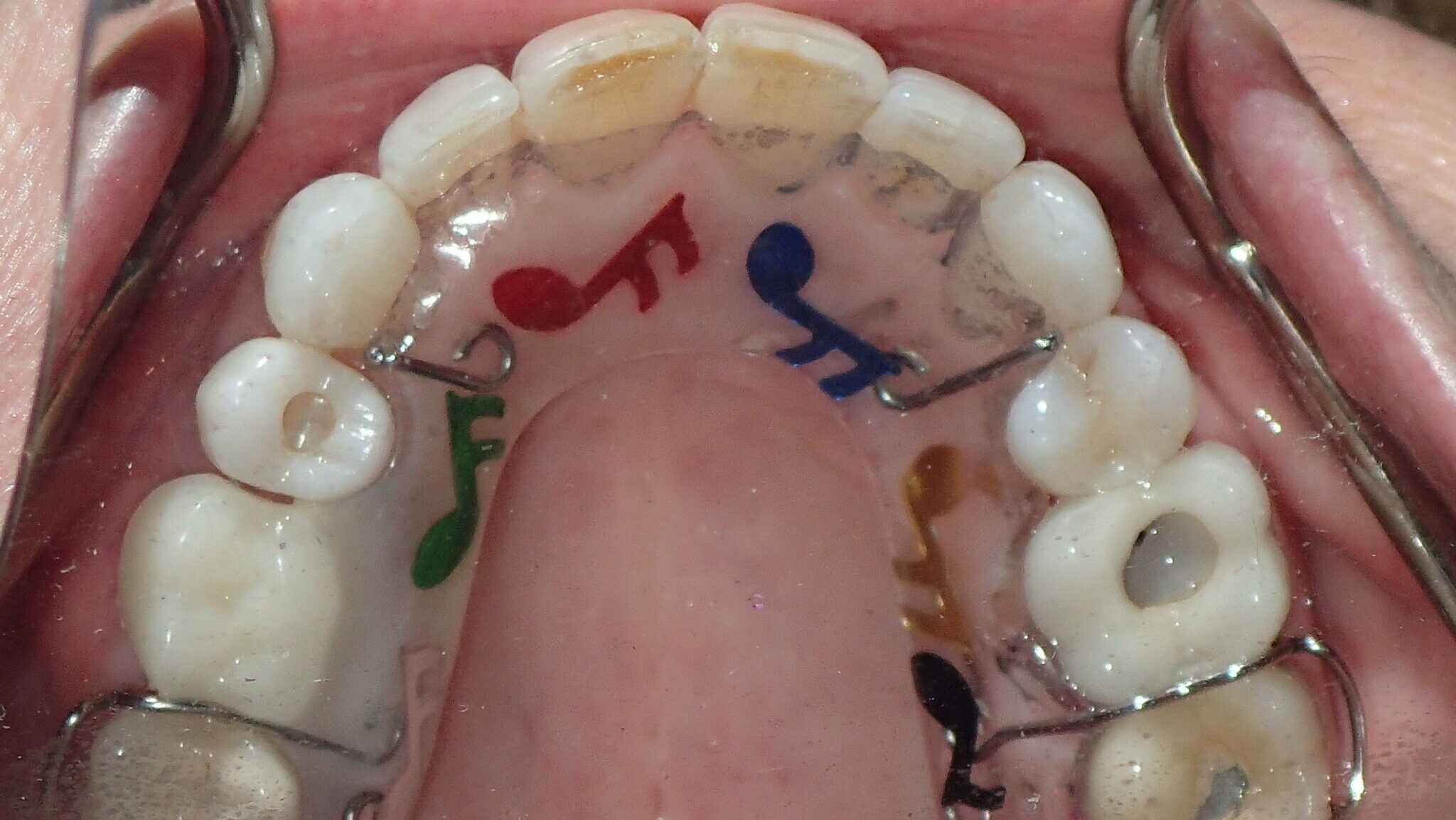
With great care, orthodontic retainers would serve for a long time without any major issues. However, in some cases, the failure to notice the clinical problems early on results in functional issues that would require a comprehensive orthodontic treatment to correct it.

For many owners, the coming year will feel harder not because dentistry in Canada has stopped working, but because inefficiencies that were once tolerable are becoming expensive.
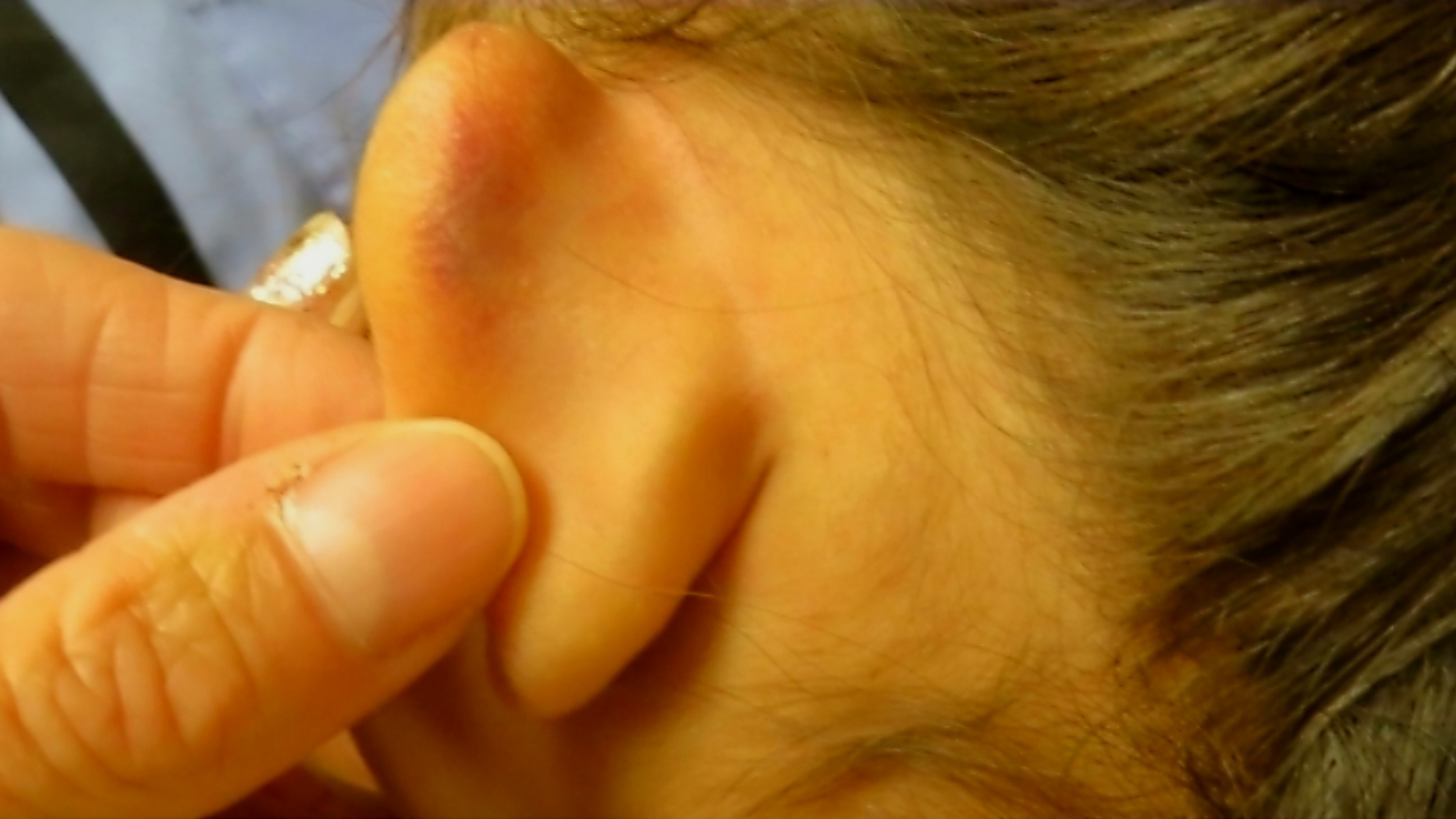
Oral health professionals, dentists and hygienists, are in a unique position to recognize and report signs of abuse and neglect during their dental exams and procedures as it is estimated over 50% of injuries from child abuse occur on the head and neck.