
Anesthetic Considerations for Patients Taking Glucagon-Like Peptide-1 Agonists
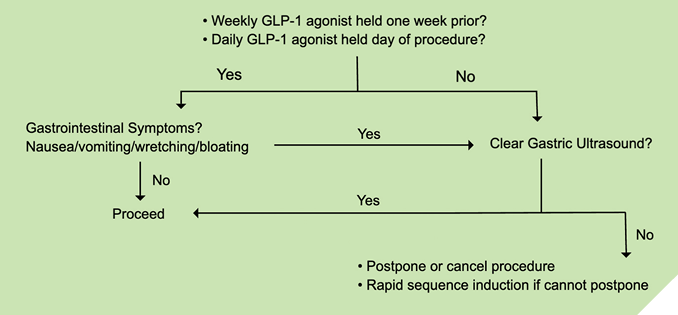
Decision algorithm for elective procedures adapted from CAS and ASA consensus statements.12,13

Semaglutide, more commonly known by the brand names Ozempic®, Rybelsus®, and Wegovy™ is a glucagon-like peptide-1 (GLP-1) agonist that has been used for several years in the management of type 2 diabetes mellitus (T2DM). Ozempic® and its cousins are recognizable names now because of their role in weight loss programs. The first GLP-1 agonist was … Read more
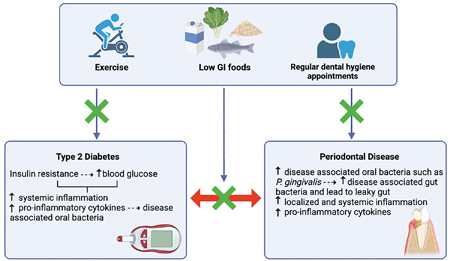
Periodontal Disease and Type 2 Diabetes

. Low GI foods, regular exercise and dental hygiene appointments can help manage both T2D and periodontal disease. Both T2D and periodontal disease result in an elevation of proinflammatory cytokines and altered oral and/or gut microbiome. T2D is characterized by an elevated level of blood glucose and insulin resistance which causes the liver to increase the production of pro-inflammatory cytokines that can travel and target periodontal tissue resulting in destruction of the periodontium and disease associated oral bacteria. P. gingivalis, an oral bacteria, causes periodontal disease which in turn further stimulates the production of this pathogen that can travel and target the liver resulting in T2D. Additionally, T2D can alter the oral microbiome and increase the number of pathogenic bacteria. Periodontal disease can also alter the oral and gut microbiome and increase disease-associated bacteria which alters metabolic activity and increases T2D risk. Note. GI = glycemic index; P. gingivalis = porphyromonas gingivalis. Diagram created with Biorender.

Chronic Diseases and Periodontal Health Every 24 hours, 480 Canadian men and women are diagnosed with type 2 diabetes (T2D).1 In 2019, 11 million Canadians were diagnosed with T2D or pre-diabetes.2 The high prevalence of this disease equates to a high economic burden. For example, treatment costs in Canada reached approximately $30 billion in 2019.2 … Read more