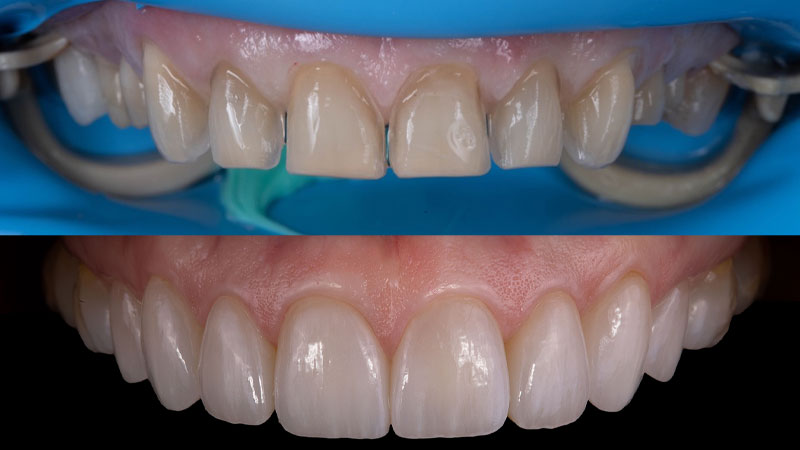
Adhesive cementation of veneers: A key to success or a path full of pitfalls?

Adhesive-cementation-veneers alternate text for this image

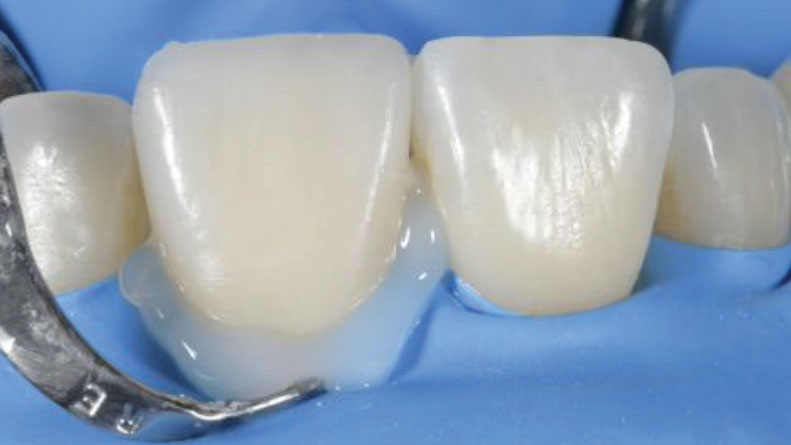
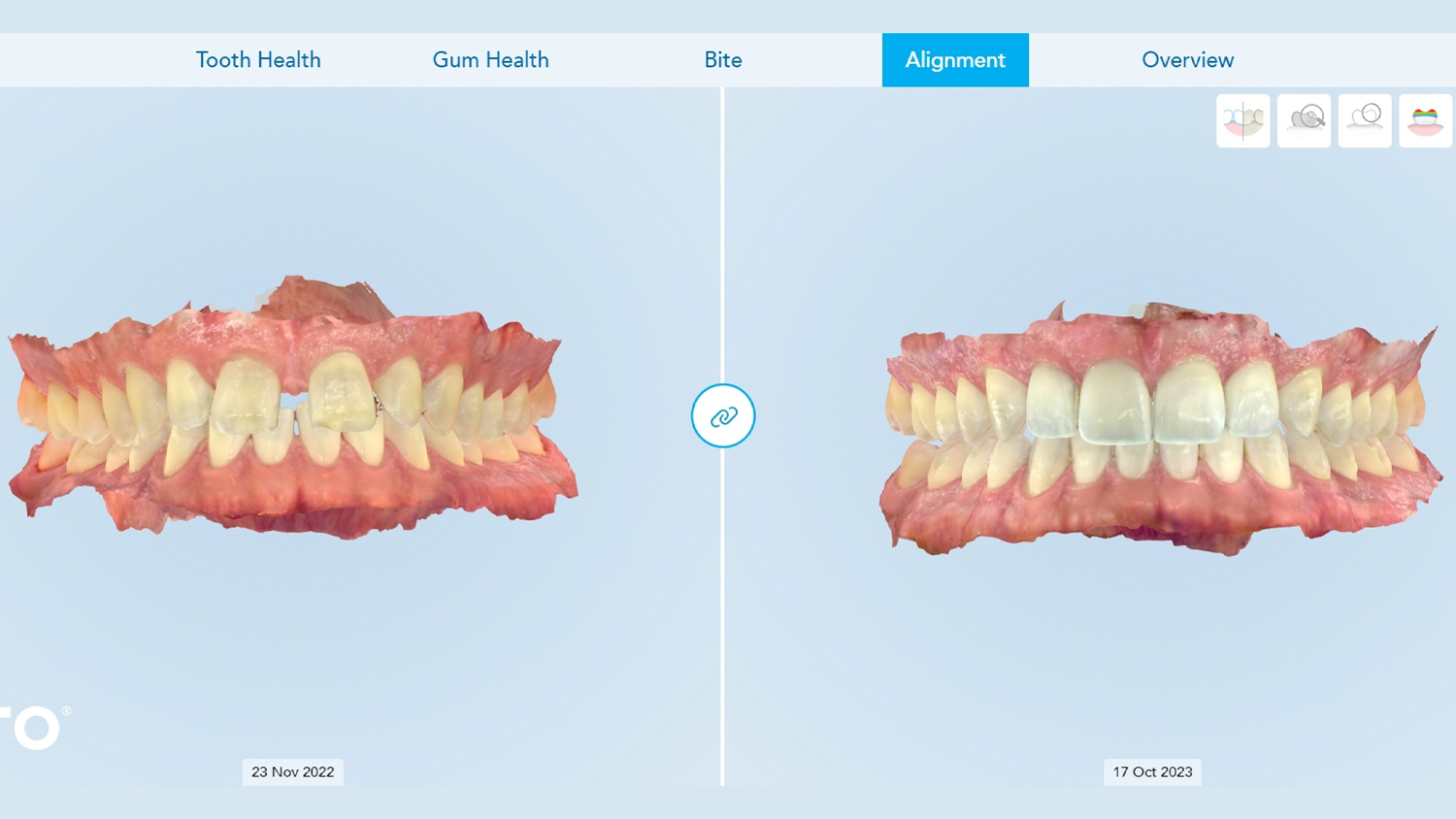
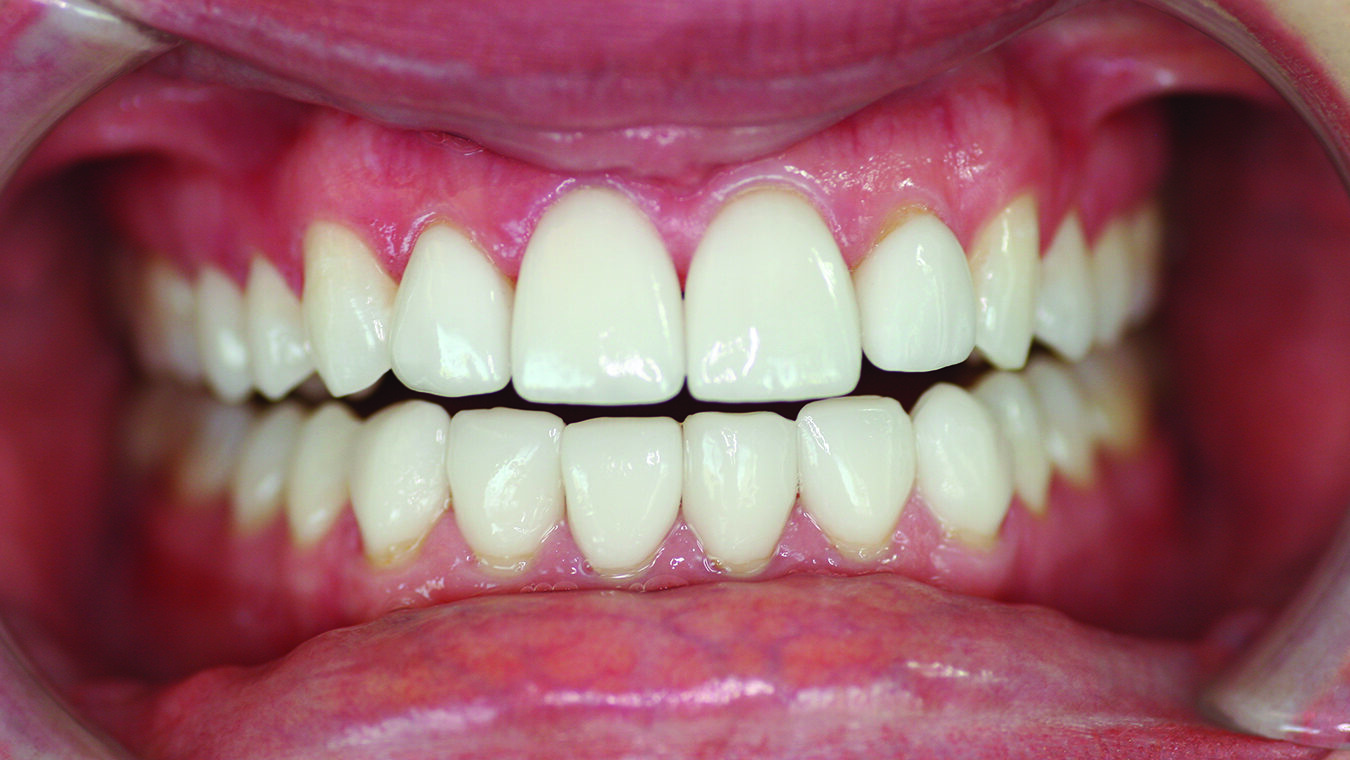
Many dentists regularly face demanding cases like veneer placements, where both esthetic challenges and patient expectations are high. Below, we will demonstrate how using the right techniques and materials can facilitate the adhesive cementation of veneers, making the procedure simple and successful. Veneers are among the most common treatments in dentistry, and for a good … Read more

Choosing a dental curing light for your office

Figure 14 alternate text for this image

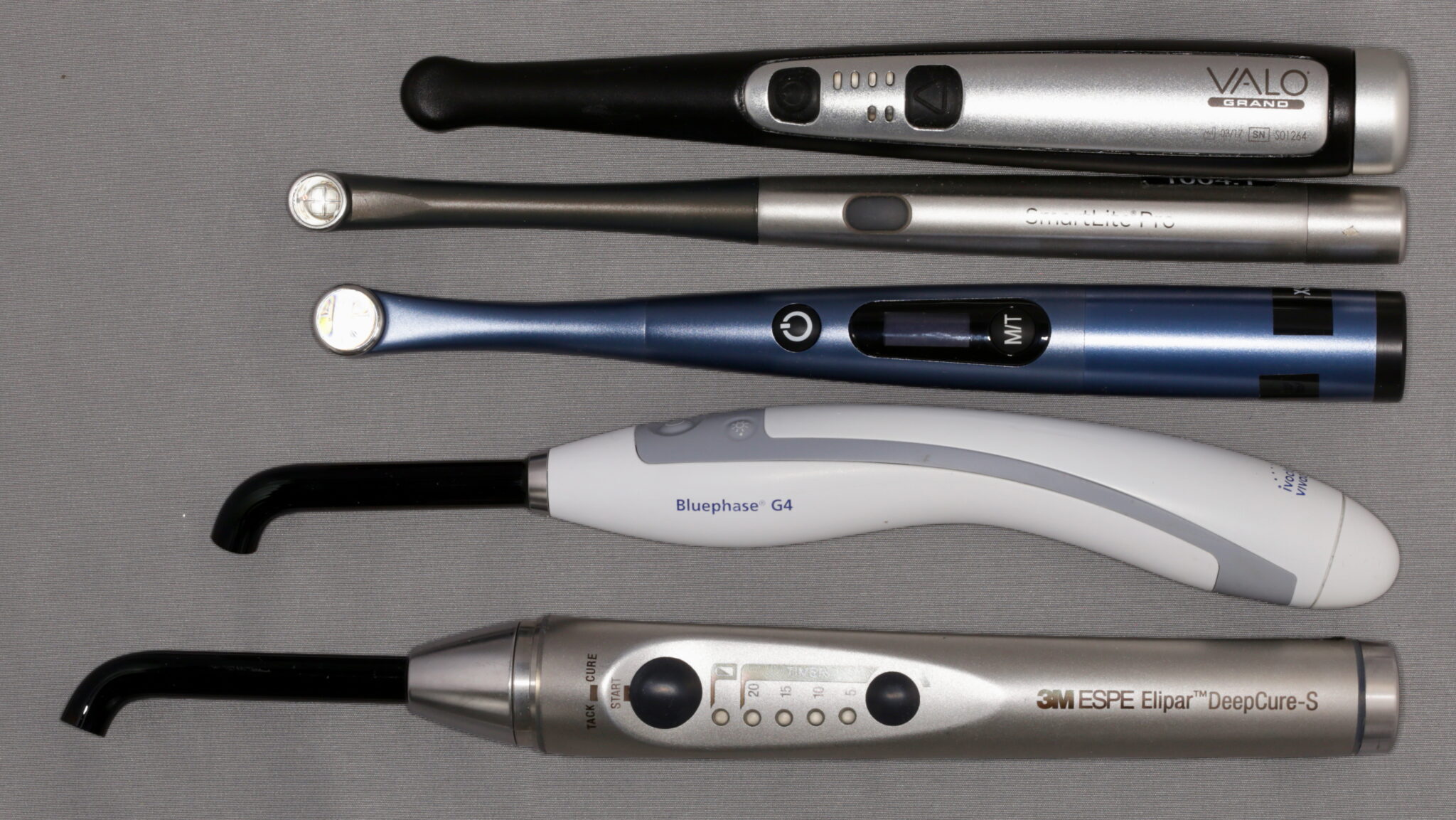
A good light curing unit (LCU) is required to activate the photoinitiator(s) in the resin-bonded composite (RBC) and transform it into a durable, functional restoration.1-3 The international standard ISO 40494 stresses that the RBC should be properly photocured according to the instructions of the manufacturer of the RBC (not the LCU) and no resin manufacturer recommends undercuring … Read more

Restorative dentistry: The foundation of your career | Weekly Wisdom 

Restorative-dentistry-The-foundation-of-your-career alternate text for this image

While it may be tempting to learn about more advanced dentistry, Dr. Aisling Whitaker, CEO of Dental Hive, recommends becoming great at restorative dentistry first, which you will be doing every day as a general dentist. Subscribe to Oral Health’s weekly e-newsletter to have the latest episode delivered straight to your inbox every week!

“Must haves” in dental practice today

must-haves-in-dental-practice alternate text for this image

If I were starting out in practice today, there are certain items I have come to realize that are must haves that allow me to perform at the highest level to insure optimal treatment outcomes. In most cases, I have chosen these items based on the criteria of being faster, easier, and better for me, … Read more

Achieving aesthetic excellence: A fully digital approach to midline diastema closure with orthodontic and restorative integration

albatish-thumbnail alternate text for this image

Abstract Closing a midline diastema without addressing key smile components—such as tooth colour, shape, size, gingival positions, and alignment—can result in restorations that look out of place and disproportionate to the surrounding teeth. A more holistic, interdisciplinary approach using digital planning is essential for achieving optimal results. This method not only visualizes both orthodontic and … Read more

Has the “ideal” material for direct restoration of posterior teeth finally arrived?

Has the “ideal” material for direct restoration of posterior teeth finally arrived?

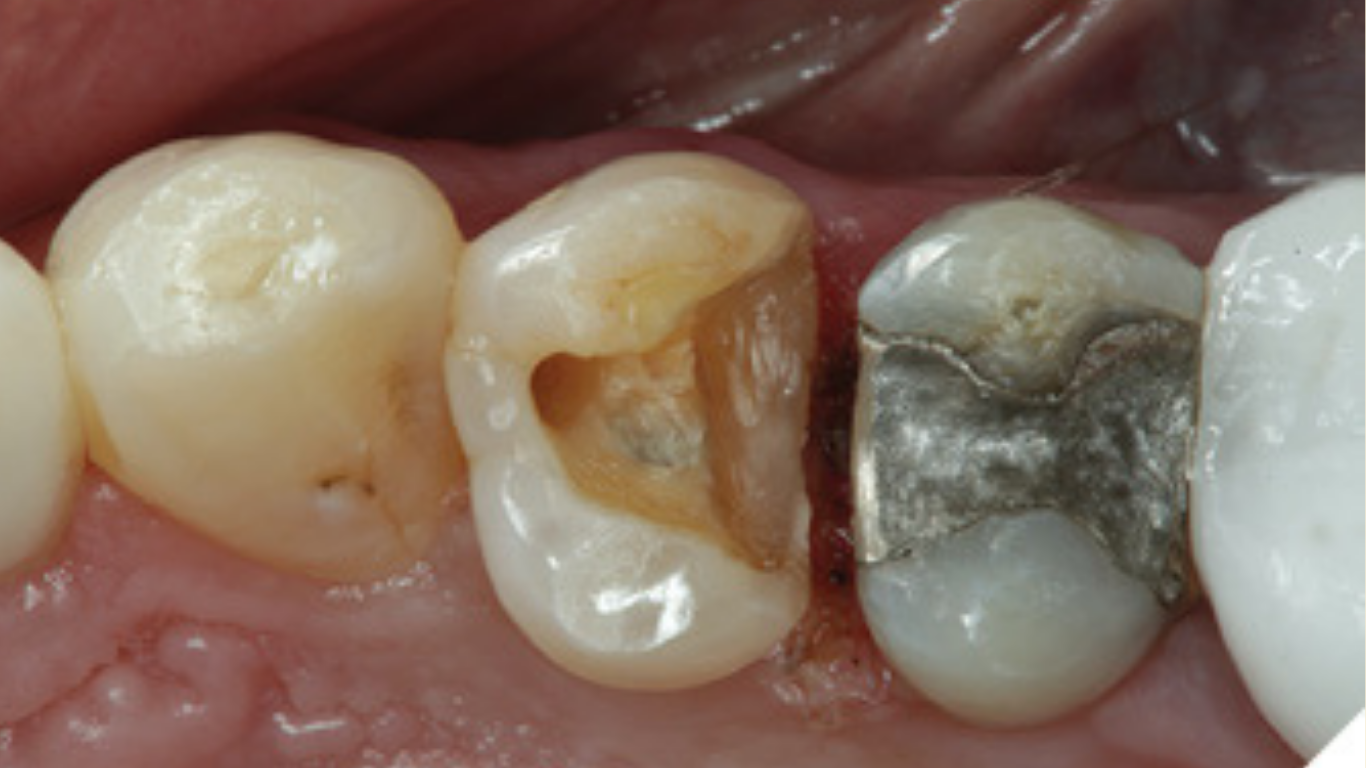
It has long been a goal of dental clinical and material science to find a less technique sensitive approach to the posterior direct resin restorative process. Unlike amalgam, the technique “insensitive” patrician of direct restoratives, successful placement of composite resins requires many more steps and exacting technique to achieve clinically acceptable results. So…what does an … Read more

A smile over time: Case study

Fig 11 alternate text for this image

Patients seek out cosmetic dentists with an expectation of improving their smile. Sometimes patients have well thought out and easily articulated expectations related to their treatment goals. More often, they have a vague, idealized vision of “perfection” that they cannot define. Communication becomes a major factor in the success or failure of a case. It … Read more

A new approach to anterior aesthetic prosthetics: Utilizing gray card, DSLR, and Miyo stain

Oh-Fig 9 alternate text for this image

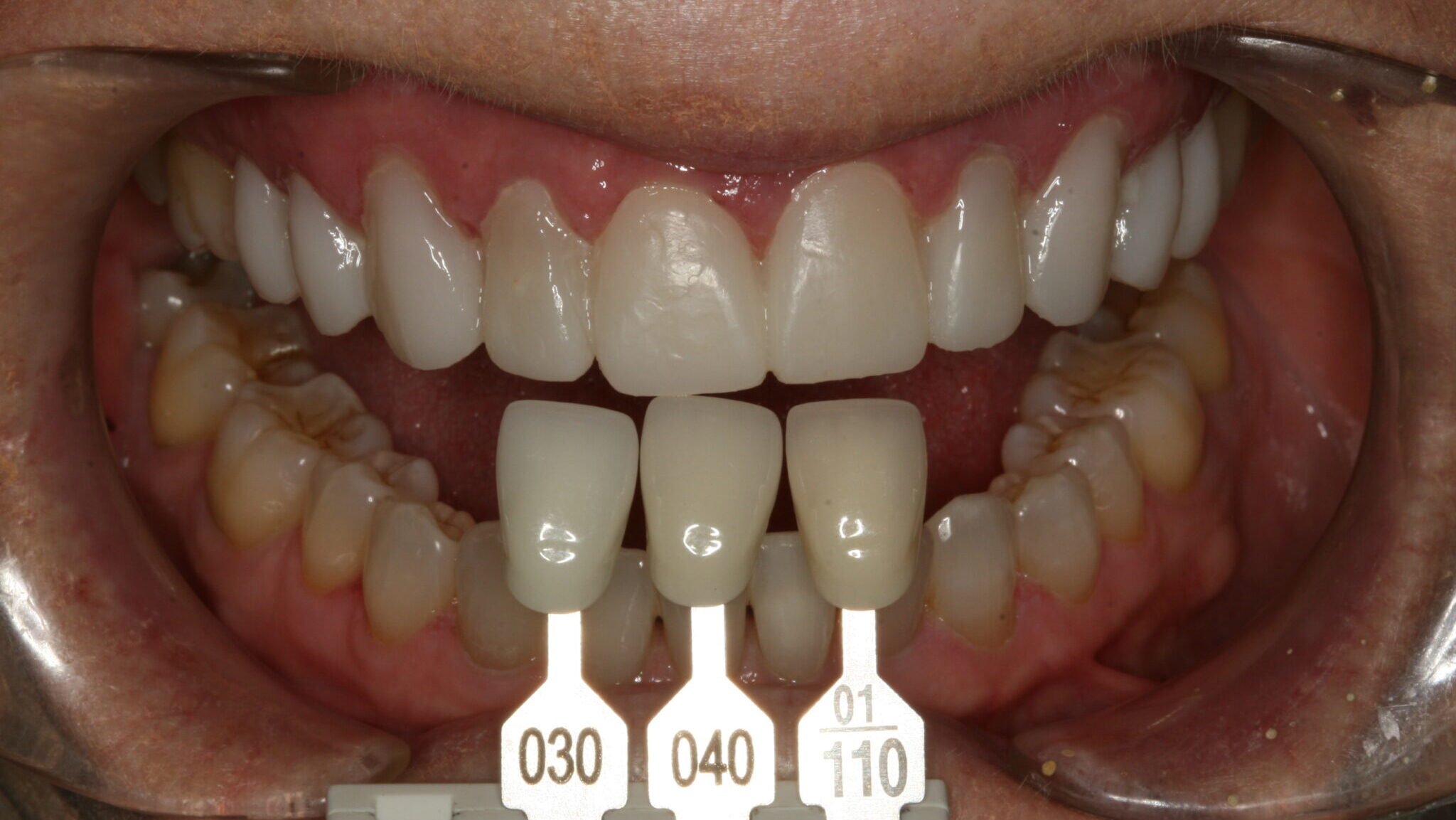
Anterior aesthetic prosthetics play a vital role in restoring a patient’s appearance and confidence. Achieving a seamless blend between prosthetic restorations and natural dentition requires precise shade matching, a process that remains a significant challenge in clinical dentistry. Various visual and instrumental methods have been employed to assist clinicians in matching the color of synthetic … Read more

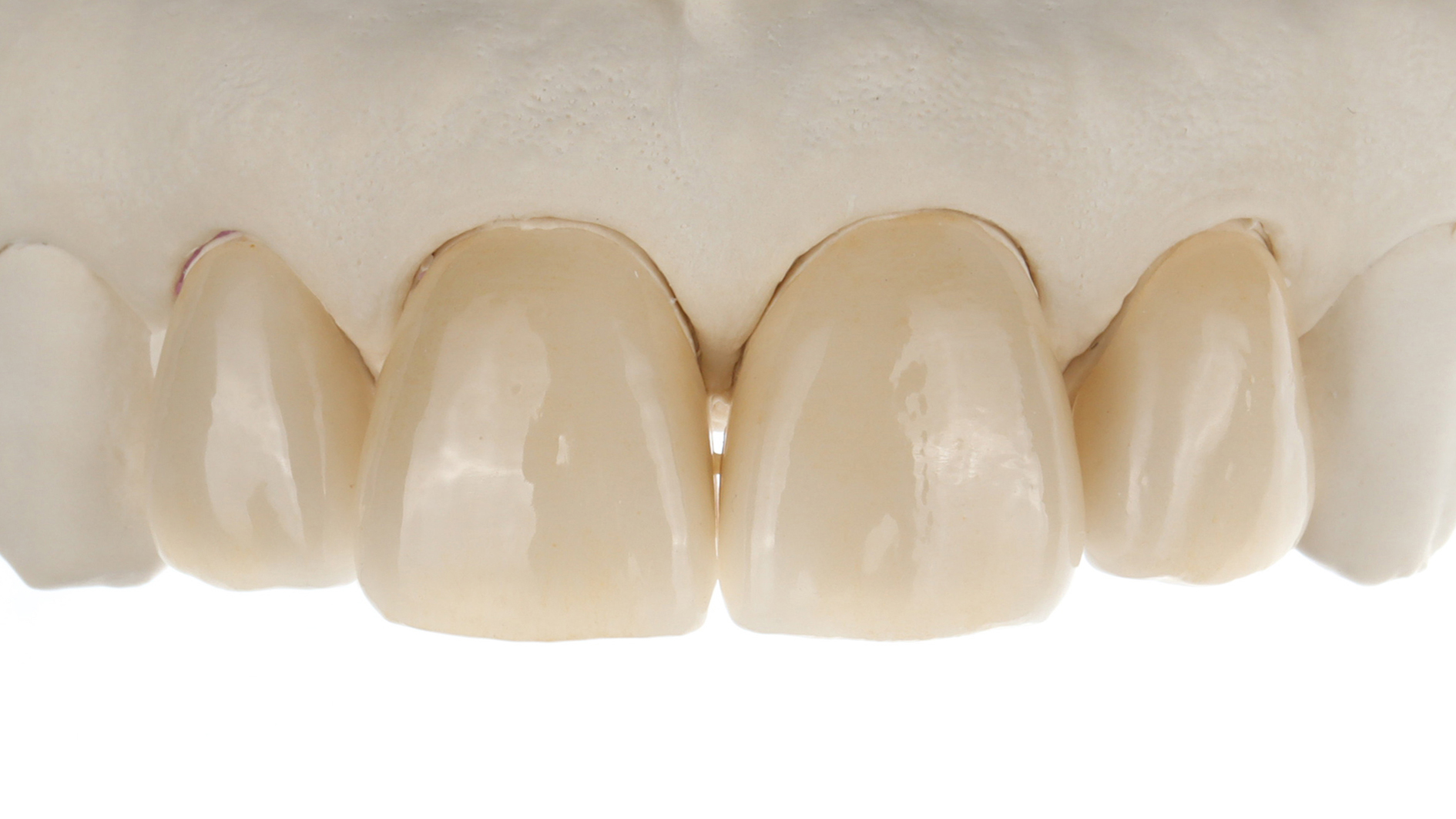
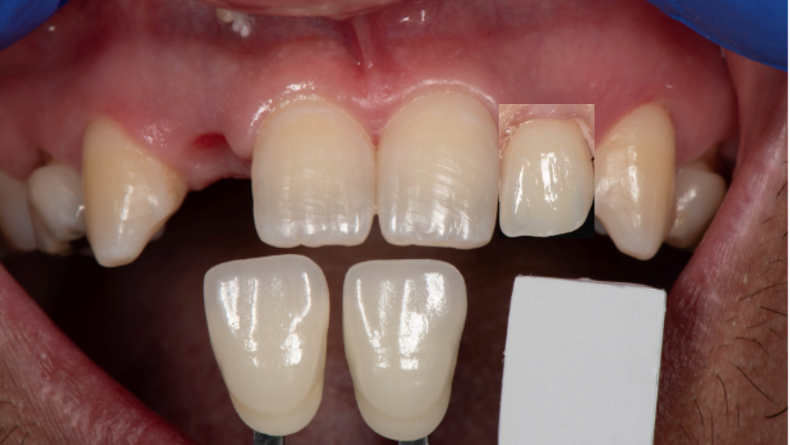
A technique to predict the shade of lithium disilicate veneers

lawson-april-2025 alternate text for this image

Full coverage crowns and ceramic veneers are used to treat patients with structural damage to anterior teeth caused by caries, previous restorations or trauma. Additionally, ceramic veneers can be used as an esthetic treatment to correct the shape and color of anterior teeth. Currently, ceramic materials have become the material of choice for anterior crowns, … Read more

How to create beautiful smiles that last | Episode 25

OHG_podcast25-800×450 alternate text for this image

Dr. Nada Albatish, a multifaceted dental professional, discusses her approach to dentistry, emphasizing the importance of a comprehensive, interdisciplinary approach. Dr. Albatish shares her experience with restorative materials and advises on the proper use of digital tools without neglecting traditional knowledge. Newcom Media Inc · Episode 25 – How to create beautiful smiles that last … Read more

3M Oral Care Introduces New Custom Matrix System That Makes Restorative Procedures More Affordable for Patients, More Predictable for Dentists

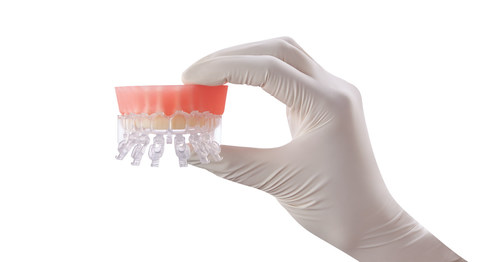
The 3M Filtek Matrix makes restorative procedures more affordable for patients, more predictable for dentists

Today’s dental patients are looking for less-invasive options to improve their smile at a price they can afford. That’s why 3M has introduced the 3M™ Filtek™ Matrix – a new restorative solution that makes composite placement less stressful and more predictable for dentists and more affordable for their patients. Dental composites can be a great choice to … Read more

Preheating Composite Resins Using Composite Warmers

Mangla Figure 3.1 alternate text for this image

Composite resins offer several advantages over dental amalgams beyond just esthetic benefits. Since composite resin restorations are retained through adhesion rather than mechanical retention, more conservative tooth preparation is encouraged – preserving natural tooth structure for future restorative margins, maintaining structural resistance of the remaining tooth, and decreasing the likelihood of damage to the pulp. … Read more