AI-driven drug dosing algorithms

This review summarizes current evidence and future implications on AI-assisted drug monitoring and dosing, AI-based behavioural support and decision-support tools highlighting the impact in dentistry.

This review summarizes current evidence and future implications on AI-assisted drug monitoring and dosing, AI-based behavioural support and decision-support tools highlighting the impact in dentistry.

As the old saying goes, “one man’s meat is another man’s poison.” A medication may be highly effective in one individual, ineffective in another, and potentially harmful in a third. Drug handling by the body varies significantly between individuals, and genetic makeup is one of the major factors contributing to this variability. Pharmacogenomics, a branch … Read more
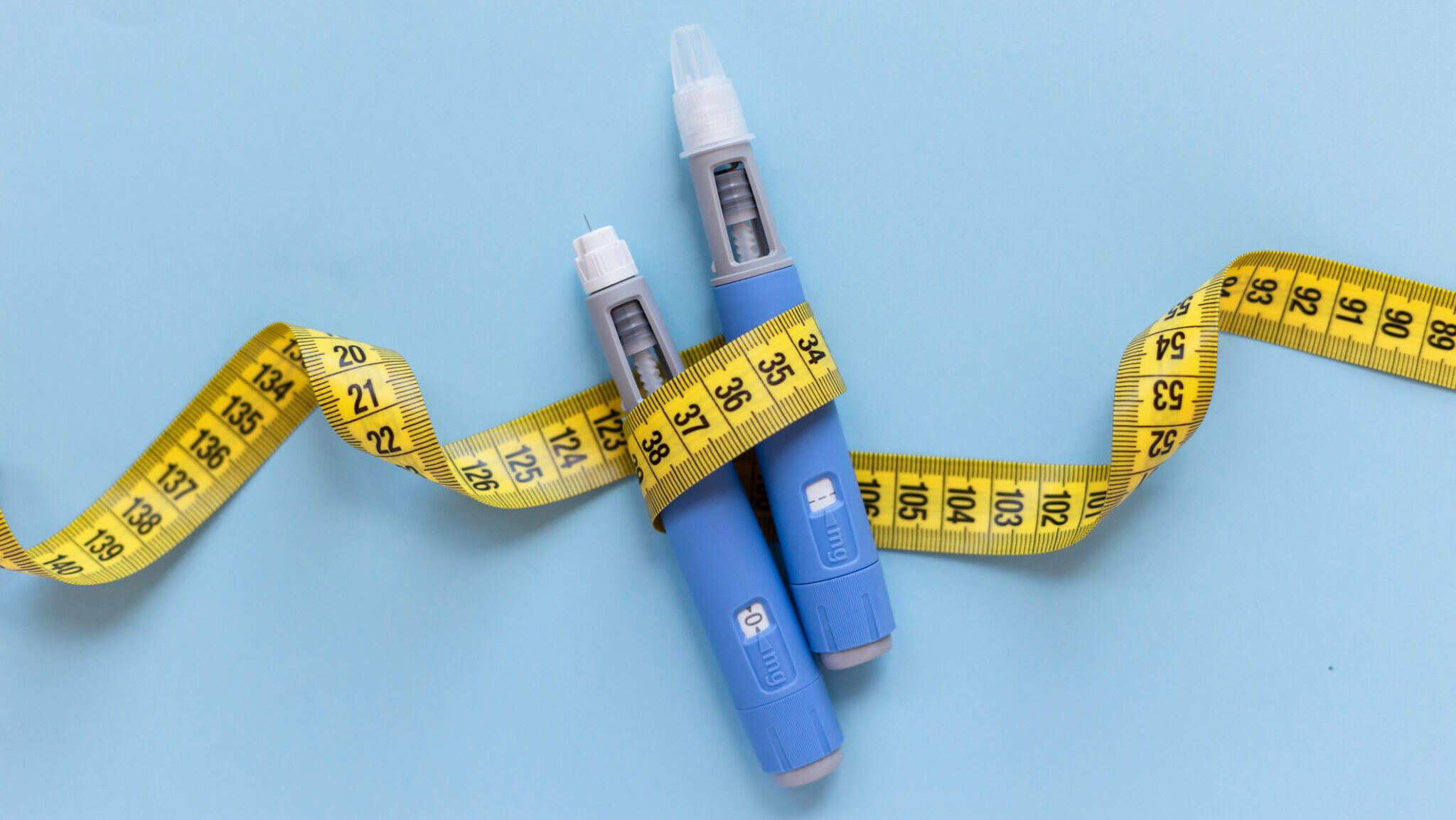
As obesity rates continue to rise across Canada, so does the demand for weight-loss medications. More than 63% of Canadian adults were classified as overweight or obese in 2018,1 a number that has likely increased in the intervening years, fueling a significant increase in prescriptions for these drugs. Originally designed to treat type 2 diabetes, semaglutide—marketed … Read more
Introduction Subcutaneous emphysema is a well-known complication that can occur during dental procedures. It arises when air is forcefully pushed into the submucosal spaces, leading to tissue distension. This trapping of air can progressively spread through the facial spaces, which are anatomical regions of loose connective tissue between muscles and bones. The consequences of subcutaneous … Read more
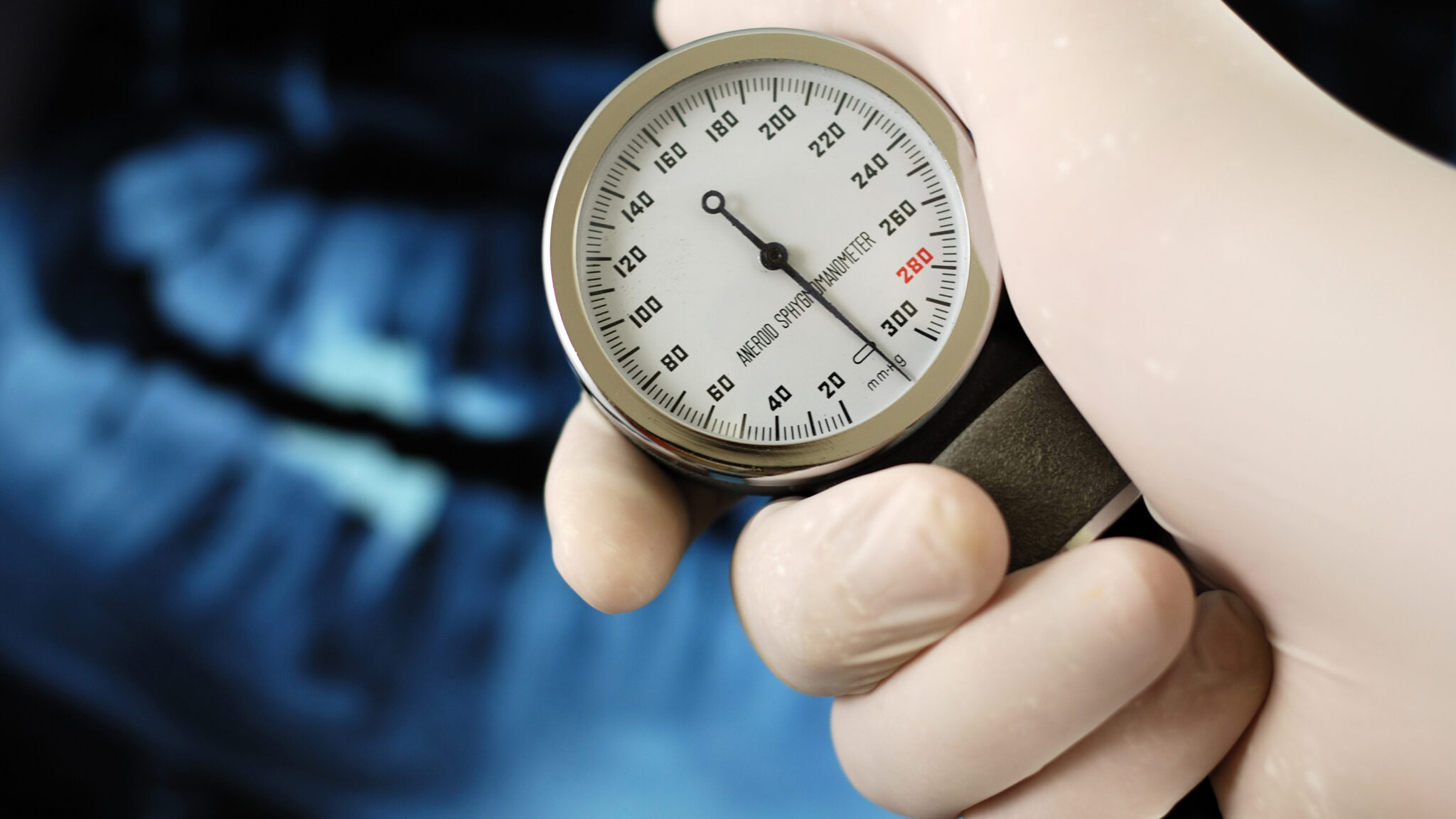
As dental care professionals, we are all familiar with measuring our patients’ blood pressure. Since the beginning of the COVID-19 pandemic, there have been several changes in our health care system, some of which have led to the question: is it time we make changes to the frequency of blood pressure measurements in the dental … Read more
Nitrous oxide is an odorless, colourless, inorganic gas that has been used in dental and surgical anesthesia since the mid-1800s. The combination of inhaled nitrous oxide and oxygen provides mild conscious sedation that can effectively manage dental anxiety. Beyond conscious sedation, nitrous oxide is commonly used in medical surgeries requiring general anesthesia in combination with … Read more
The primary function of an automated external defibrillator (AED) is to convert certain fatal non-perfusing heart rhythms back into perfusing heart rhythms (producing a pulse that can provide oxygen to vital organs). They are now a required component of the Basic Life Support (BLS) training courses for healthcare providers such as dentists and dental personnel. … Read more
Abstract Cornelia de Lange Syndrome (CdLS) is a rare genetic neurodevelopment disorder that can present challenging behavioral and airway management during general anesthesia. This case report involves a 25-year-old female patient with CdLS who received a moderate sedation for dental treatment at the Adult Surgicentre, Faculty of Dentistry, University of Toronto. CdLS is associated with … Read more
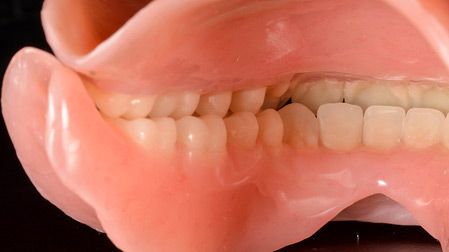
Introduction Rehabilitation of completely edentulous maxillary and mandibular arches should satisfy form, function and esthetics. Such rehabilitations can be carried out either with or without implants. Although contemporary rehabilitation of completely edentulous situations is inclining towards dental implants, the demand for conventional removable prosthodontics is still high owing to surgical, economic and patient’s medical limitations. … Read more

The two most common methods for administering systemic medications to dental patients is by enteral (PO) or intravenous (IV) routes. In an emergency, the PO route has a slow onset of action. The drug, administered PO, needs to be absorbed before being systemically available.1 The IV route will offer faster onset, but IV access can … Read more
Current nil per os (npo) standards promote pre-operative fasting as an approach to reduce the volume and acidity of a patient’s stomach contents to reduce the risks of regurgitation and subsequent pulmonary aspiration. Pre-anesthesia fasting standards apply to any procedure where sedative medications reduce the protective airway reflex that under normal conditions prevent aspiration. The … Read more
Epistaxis (nasal bleeding) is a relatively common complication that may arise during a dental visit that utilizes sedation/anesthesia. While rarely fatal, appropriate and prompt management of peri-operative epistaxis is critical in order to prevent further harm. This article will discuss a case report of epistaxis encountered during dentistry under deep sedation. In addition, the anatomy, … Read more
In health care dentists are often referred to as the local anaesthesia experts as we provide localized anaesthesia as an integral part of what is performed daily. When thinking of going to the dentist, this is the one aspect that most patients dread and often what prevents patients from seeking treatment. Local anaesthesia as it … Read more
INTRODUCTIONThe hypothesis that articaine, a local anesthetic with well-established effectiveness widely used in dentistry, might have neurotoxic effects is continuously under intense discussion. A number of reports claim to provide a basis for the opinion that articaine is related to a higher frequency of neurologic adverse events like paresthesia, demanding a change in the recommendations … Read more
It has been estimated that seventy-five percent of adults experience an element of dental anxiety, and that in ten percent of patients, such fear can prevent them from making a visit to the dental office in the early phase of their symptoms.1 These patients quite often delay treatment until their disease process has progressed significantly … Read more
Blood pressure (BP) measurement can be a difficult and time-consuming task in the dental office. Many general practitioners avoid measuring their patients’ blood pressures, and some wonder, “Why should I even measure blood pressure in the office?” However, there are many reasons why dentists should be cognizant of their patients’ blood pressures. First and foremost, … Read more
Dental professionals have become highly proficient in providing local anaesthesia. Local anaesthesia reduces pain by blocking sodium channels, however, many patients find the injection process anxiety-inducing.1 It is not only just pain that makes many patients uncomfortable. The plethora of instrument sounds and smells, the violation of personal space, and experiencing unusual sensations, can make … Read more
Strictly speaking, “ethics” is a plural noun that is supposed to relate to moral principles. Try as we might to define ethics and to follow them in our personal and professional behaviours, we sometimes fail. This is because while our professional codes of ethics may be objective, ethics themselves are not. Context shouldn’t affect morals … Read more
Drs. Peter Nkansah and Randy Lang won University of Toronto Teacher of the Year awards at the Dental faculty recently. Dr. Nkansah won for 2nd Year and Dr. Lang won for 4th Year. Congratualtions to both of these editorial board members.
The 2014 Pacific Dental Conference will once again be held at the Vancouver Convention Centre, West Building. We’re excited to see the consistent growth of the conference over the past years with a new record of 12,200 participants in attendance at the 2013 PDC. Partnering with valued exhibitors such as yourself is important to our … Read more