
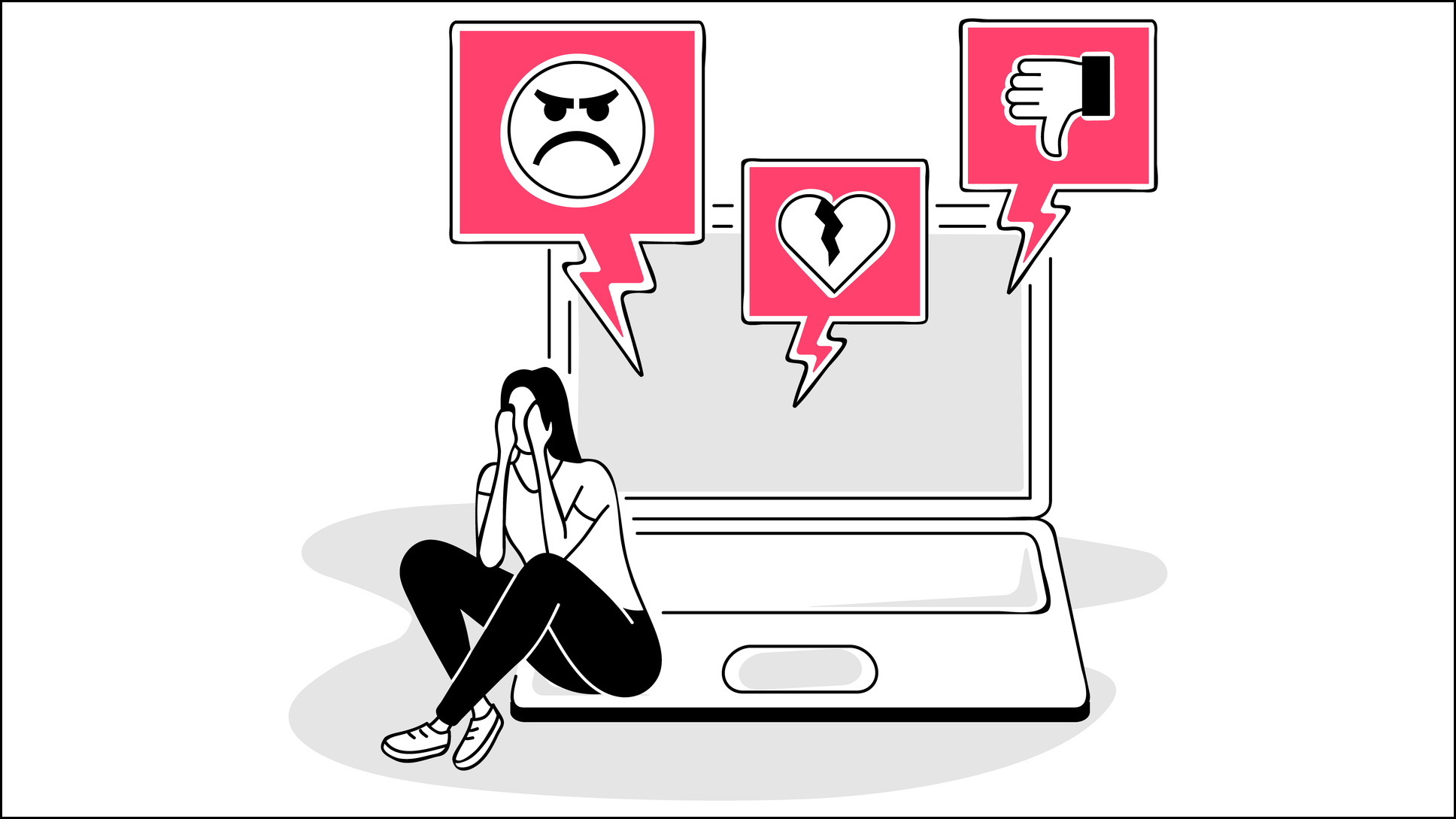
In today’s world, the boundary between personal and professional life has never been thinner. Social media, once a casual way to stay connected with friends and colleagues, now holds the power to shape—and sometimes shake—a professional career overnight. In dentistry, where precision, decorum, and trust are paramount, the pressure to maintain a flawless image feels even heavier. But behind every clinician’s mask and every polished website bio is a real human being: one who feels, stumbles, learns, and, most importantly, grows. This is a reflection not just on one difficult chapter in my life, but on a broader reality that every professional—especially in health care—must grapple with today: How do we navigate the unrelenting scrutiny of the internet while staying true to ourselves, especially during our most vulnerable moments?
The incident
In early 2024, about three months after I returned to work part-time following a long medical leave, I found myself still regaining my footing—emotionally, mentally, and professionally. The world felt particularly heavy: I was grappling with personal challenges, the echoes of a medical journey not far behind me, and the deep emotional impact of the Gaza war unfolding in real time. It was a time of vulnerability, both privately and globally, and like many others, I struggled to process it all. During this fragile period, I made a mistake. On a private Instagram account—intended only for a close circle of friends and coworkers—I shared thoughts that, while never intended for a broad audience, ended up being taken out of context, amplified, and weaponized in the public arena. The internet, as is often the case, was unforgiving. What was once private was now public, and suddenly, my career, reputation, and very identity were under attack. For my safety and peace of mind, I made the difficult decision to change my name—not to hide, but to survive. In that choice, however, there was also a reclaiming: I returned to my birth name, an Arab name I had long kept at arm’s length in an effort to assimilate. What was once a shield of invisibility became, ironically, a source of quiet strength and authenticity. This is not a story seeking pity or offering excuses. It is a story of resilience, growth, and a deeper understanding of the complex intersection between personal humanity and professional responsibility in the digital age.
The bigger picture
While my experience was deeply personal, it highlighted something much larger that we, as a profession, cannot ignore: the evolving relationship between dentistry and the digital world. Dentistry demands that we strive for perfection—for precision, care, and excellence—because our patients trust us with their health, their confidence, and often their deepest fears. I understand this, and I embrace it. We must always aim for perfection in our work. Yet outside the operatory, we remain human. We are not immune to the tides of grief, anger, hope, and fear that move through the world. When global events touch our lives, they inevitably influence our emotional states, even if our white coats suggest otherwise. Striving for clinical excellence should not require the denial of our humanity. Social media has created unprecedented opportunities for professional growth: sharing innovations, connecting with colleagues, and building brands with authenticity. But it also brings unprecedented risks. In spaces designed for rapid consumption and even faster outrage, nuance often gets lost. Context evaporates. The humanity of the professional behind the screen can be forgotten in an instant. We are encouraged to be relatable, yet punished for being imperfect. We are told to be authentic, yet exposed when that authenticity doesn’t align with shifting societal expectations. It is an exhausting tightrope—and one that leaves many professionals feeling isolated, anxious, and afraid to show vulnerability at all. If the expectation is that professionals must be untouched by the world around them, we risk cultivating a culture that values appearances over authenticity. It is not weakness to be impacted by the times we live in—it is simply part of being human.
Lessons learned
The hardest experiences often offer the clearest lessons—if we are willing to sit with them long enough to listen. First, I learned that professionalism is not about never making mistakes. It’s about how we respond when we do. True professionalism lies not in the maintenance of a perfect image, but in the commitment to learn, to grow, and to take accountability without losing compassion for ourselves. Second, I learned that rebuilding trust takes time, transparency, and consistency. A public stumble can feel like a final verdict, but it doesn’t have to be the final chapter. Every day, through every patient interaction, every team meeting, every quiet decision to keep showing up with integrity, we write a new story. Trust is not rebuilt with grand declarations—it is rebuilt with small, steadfast acts. Third, I recognized how important it is to extend grace—not just outwardly, but inwardly. We often reserve our harshest judgments for ourselves. We hold ourselves to impossible standards of strength, composure, and perfection, forgetting that resilience is not about never breaking; it is about choosing to heal, even when it would be easier to stay hidden. Finally, I realized the importance of redefining authenticity for myself. For years, I had kept parts of my identity tucked away, believing they didn’t belong in my professional life. But embracing my roots—my full name, my heritage, my story—has allowed me to step into my role as a dentist with more wholeness and sincerity than ever before. We, as a profession, must create space for that complexity. We must allow our colleagues—and ourselves—to be imperfect, emotional, and impacted by the world. We must recognize that resilience does not erase struggle; it rises from it. Our profession is built not just on clinical excellence, but on trust, empathy, and the quiet courage to keep going—even when it’s hard.
Moving forward
Experiences like mine are not isolated—they reflect a broader truth about the new realities of practicing dentistry in the age of social media. As clinicians, we are taught to strive for perfection in our technical skills, but we must also recognize the profound personal and professional challenges that come with existing in a hyperconnected world. A single misjudgment, shared even in a private setting, can have public consequences. Social media has blurred the lines between our personal and professional lives, and it demands a new kind of vigilance—not just about what we post, but about how we protect our emotional wellbeing and reputations over time. Navigating this reality requires resilience, humility, and adaptability. It requires understanding that while clinical excellence is our goal, perfection in all aspects of life is neither realistic nor sustainable. Mistakes, when they happen, do not have to define a career—but how we respond to them can. As a profession, we must create space for reflection, for grace, and for continued growth. We must hold each other to high standards while also remembering that behind every set of credentials is a human being with a story far greater than what appears on a screen. Moving forward, I hope we can continue to evolve—not only as practitioners of dentistry, but as stewards of empathy and resilience in a complicated digital age.
Conclusion
The intersection of dentistry and social media is only becoming more complex. As our professional and personal lives continue to overlap in public spaces, the risks—and responsibilities—will grow. We owe it to ourselves, to our colleagues, and to our patients to engage thoughtfully with these realities. To aim for clinical excellence while protecting our humanity. To recognize that resilience is not the absence of mistakes, but the presence of growth after adversity. Our profession is built not only on knowledge and skill, but on trust—trust that must be earned, protected, and when necessary, rebuilt with integrity. The digital age challenges us in new ways, but it also offers opportunities: opportunities to lead with transparency, to model grace under pressure, and to remember that behind every title, every smile, and every story is a person striving, learning, and growing—just like everyone else.
About the author
Dr. Noor N. Ay Toghlo is a practicing dentist committed to excellence in patient care, professionalism, and education. After navigating personal and professional challenges amplified by the digital world, she is passionate about sharing lessons in resilience, authenticity, and growth with the broader dental community. Dr. Ay Toghlo strives to inspire conversations around humanizing the profession while maintaining the highest clinical standards.