
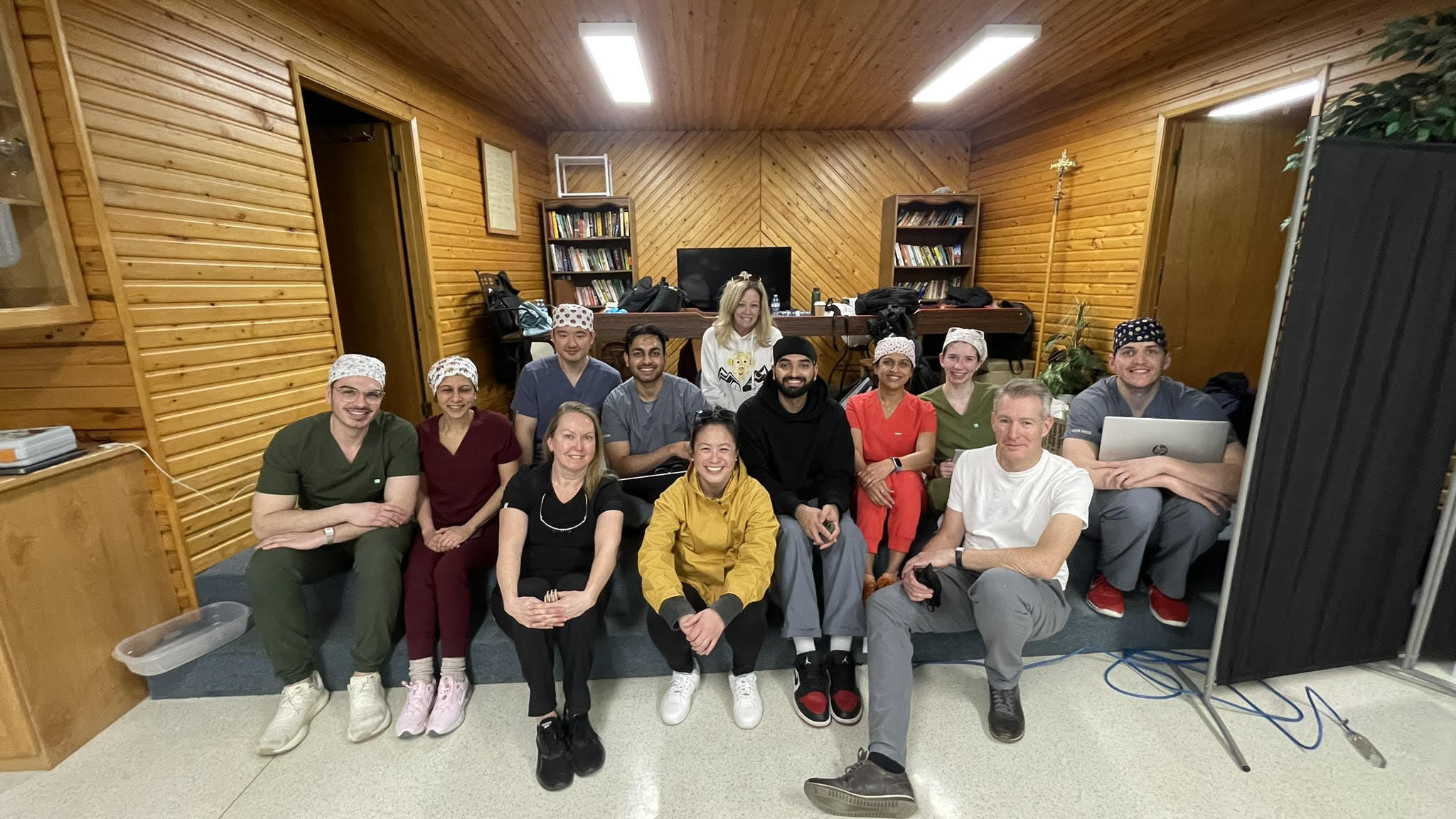
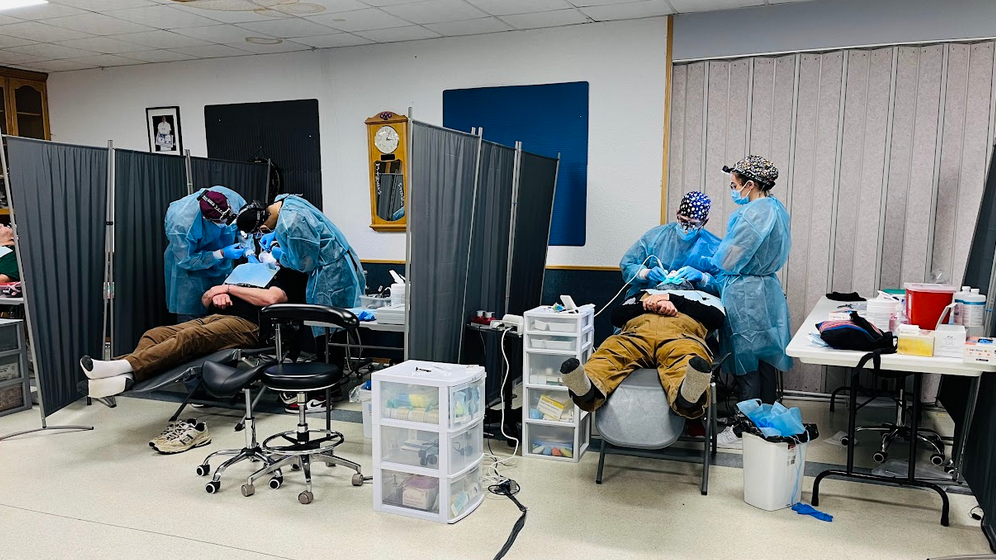
The partnership between the University of Alberta and the Otipemisiwak Métis Government of the Métis Nation of Alberta (MNA) highlights a collaborative effort to build meaningful connections. Their work reflects a shared commitment to fostering understanding and respect between academic and Indigenous communities. One standout example is a student-led project that began in 2019 to provide urgent dental care to remote communities, which has since evolved into a popular elective course at the university.
“It’s so popular as an elective course,” says Jason Chen, a University of Alberta dental student and co-chair of Access for All, a student-led non-profit offering free dental services to underserved Canadians. “More than 25 of our classmates signed up for it,” he told Oral Health Group, speaking alongside his co-chair, Ibraheem Maita, also a dental student at the University of Alberta.
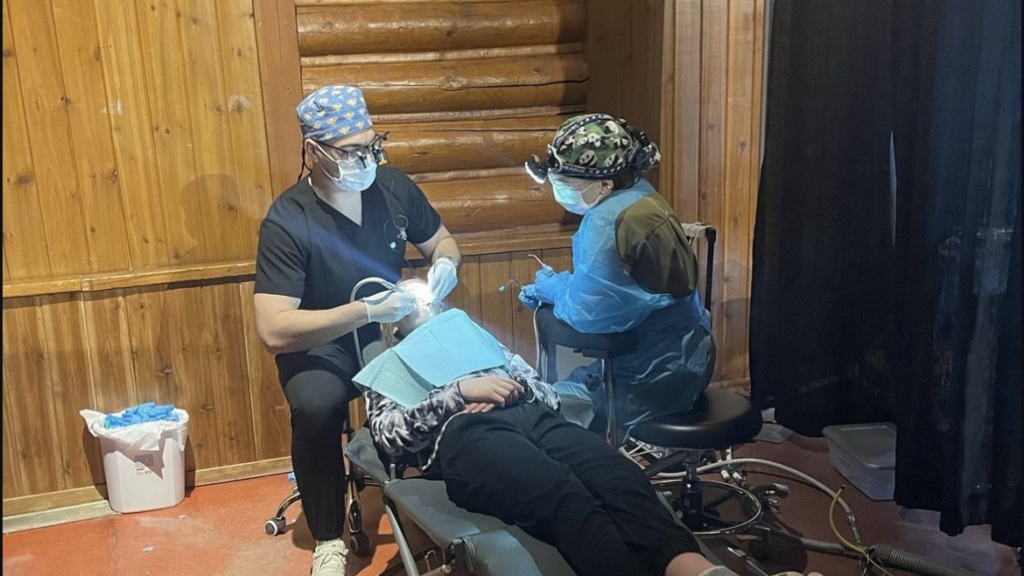
Access for All organizes three trips annually, aiming to treat around 100 patients per trip, and provides on-campus dental care for those without dental insurance or who cannot afford it. The initiative is also gaining traction, with the University of Toronto attempting to replicate it.
“This could be a model for other universities and Indigenous programs across Canada,” says Suzy Depledge, director of clinical coordination and assistant clinical professor at the Faculty of Medicine & Dentistry, University of Alberta.
“Some people told us, ‘I don’t go to a dentist,’ or ‘I’ve never seen a dentist,’ and when we work on their mouths, we find that they’re in really bad shape. If we weren’t there to intervene, they would lose their teeth”
Ibraheem Maita
Indigenous Faculty’s Vision Turns into Reality
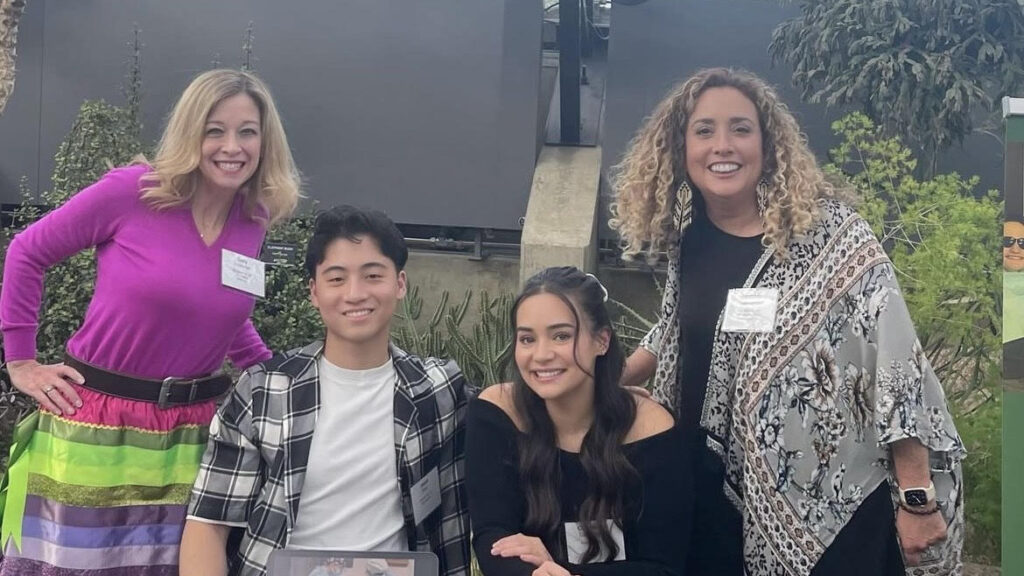
The program’s development was built on the partnership between the MNA and the School of Dentistry. Depledge, who is Métis herself, recognized the contributions of fellow Métis faculty member Paulette Dahlseide, who has run a mobile dental clinic for Métis and First Nations communities since 2010, and Reagan Bartel, Health Director at the MNA.
It was Dahlseide who approached Reagan Bartel, MNA’s Director of Health, to discuss increasing access to care in rural Métis communities.
“Reagan, Paulette, and I had always envisioned this becoming a possibility,” Depledge explained. “The fit and timing with the student-led Access for All group and their mission to provide access to dental care was a natural alignment for this program in rural Métis communities,” she elaborated.
“I believe this program works because we have Indigenous faculty involved, which helps build trust and understanding within Métis communities.”
Students Desired a Local Option
The connections with the Métis community provided a solid foundation for U of A students.
With Depledge’s help, Reid Boulet and Walter Junikiewicz founded Access for All in 2019 to create an affordable, homegrown option for students to serve underserved communities. After their graduation, students Adam McCourt and Adam Manfrin expanded the program post-COVID-19 by forming partnerships with dental suppliers like Patterson Dental.
“Patterson Dental has supported us by donating and maintaining equipment,” Maita said. “They want to be involved without charging us.”
Patterson Dental also assists in other ways. “They drive to each site for free. They don’t charge us anything; they just want to be involved,” Maita added.
The MNA offers extensive assistance connecting patients to the program and creating a safe, welcoming community clinic space.
“The MNA provides so much support. They book the patients, reach out to these areas, and prioritize the communities in need,” Maita said.
To further enhance the workflow, a Memorandum of Understanding was signed in 2021 between the University of Alberta and the MNA to improve access to oral health care. After all, Métis people are not covered under the Non-Insured Health Benefits (NIHB) program, unlike other Indigenous groups. With the Canadian Dental Care Plan (CDCP) aiming to expand coverage, gaps remain, particularly in remote areas.
To address these gaps, the Canadian government introduced the Oral Health Access Fund (OHAF) to support dental care in underserved communities. Depledge has applied for OHAF funding to sustain Access for All long-term. “We rely on grants and external support,” Depledge said. “The OHAF is a significant opportunity for our students.”
Two Trips, Nearly $100,000 in Free Dental Treatments
There are several reasons for the program’s increasing success. Previously, students traveled abroad for volunteer experiences to countries like Guatemala and the Dominican Republic, often paying approximately $2,000 out of pocket. Thanks to the program’s funding, students now pay less to provide care locally.
In addition to reduced costs and helping local communities, Chen, Maita, and their student colleagues have provided nearly $100,000 in free dental care to about 180 patients during trips to Medicine Hat and Red Deer in Alberta.
“In Medicine Hat, we saw around 100 patients and provided about nine treatments per patient,” Chen said. “Based on the Alberta fee guide, the treatment amounted to approximately $650 per patient, which totaled around $57,000.”
In Red Deer, about 82 patients were treated, averaging seven treatments per patient. Each patient received approximately $500 worth of dental care, bringing the total to around $40,000, he added.
The students see the impact on a personal level. “Some people told us, ‘I don’t go to a dentist,’ or ‘I’ve never seen a dentist,’ and when we work on their mouths, we find that they’re in really bad shape. If we weren’t there to intervene, they would lose their teeth,” Maita said.
The program’s funding is also crucial. “While transportation costs are covered, we manage all other expenses,” Chen explained.
Community Dinners, Culture of Collaboration
Chen and Maita highlighted the crucial role of their faculty, especially Depledge. “We wouldn’t be where we are without their support,” Chen said. “They’ve been instrumental in our progress.”
The program not only benefits from this strong support but also ensures that patients receive care in a culturally respectful environment. “Each trip includes cultural activities like jigging lessons from community members,” Maita said. Performed to fiddle music, jigging, a traditional dance of the Métis, combines European step-dancing and Indigenous footwork.
“We have large community dinner on Thursday nights during our trips. It’s a warm, welcoming event where students and community members, including patients, come together. This experience is powerful for the students—they hear firsthand about the impact of their work.”
The Otipemisiwak Métis Government and Métis communities are also incredibly supportive of the education, training, and dedication of the students, Depledge explained.
“They [Métis communities] see the sincere efforts of our students to learn and provide culturally appropriate care in rural Métis communities,” she added.