
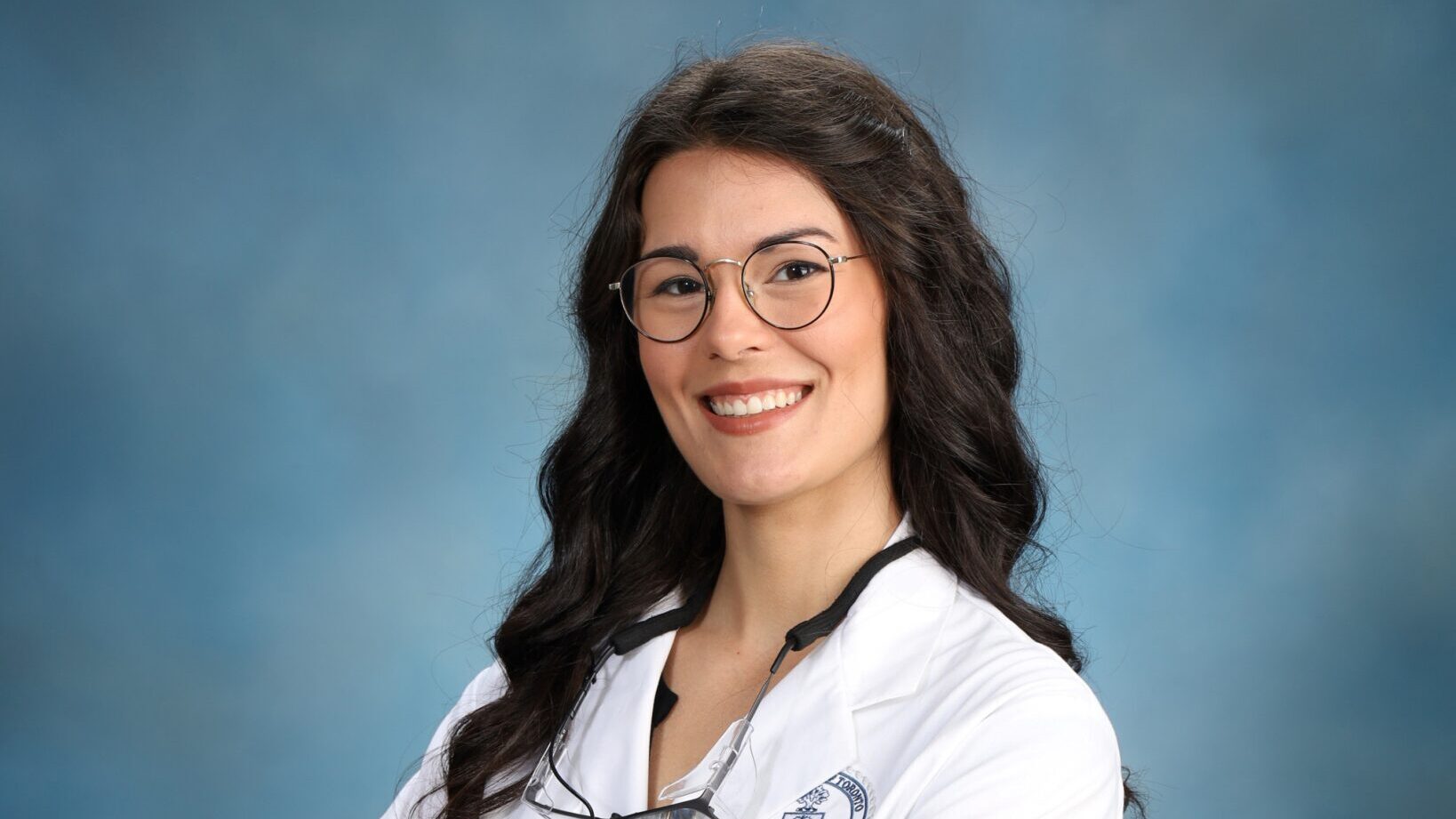
Next Gen of the Month is a monthly Q&A with a dental student or new dentist where we ask them about their experiences and accomplishments thus far in their dentistry journey. This month we are featuring Dr. Laura Hildebrandt, instructor at the University of Alberta. Dr. Hildebrandt took part in the University of Alberta’s general practice residency program after graduating from the U of T.
You took part in the University of Alberta general practice residency program. How would you describe your experience?
In one word: busy! Honestly, it was both intensive and deeply rewarding. I often tell others that you cannot gain five years’ worth of private practice experience in just one year, unless you are willing to invest the time and effort equivalent to those five years.
Beyond the technical and theoretical skills I acquired, the most valuable lesson from the University of Alberta’s general practice residency program was the importance of building a reliable professional network. I had the privilege of working alongside remarkable individuals who were generous with their time and expertise, and their example has greatly influenced the way I strive to conduct myself as a practitioner.
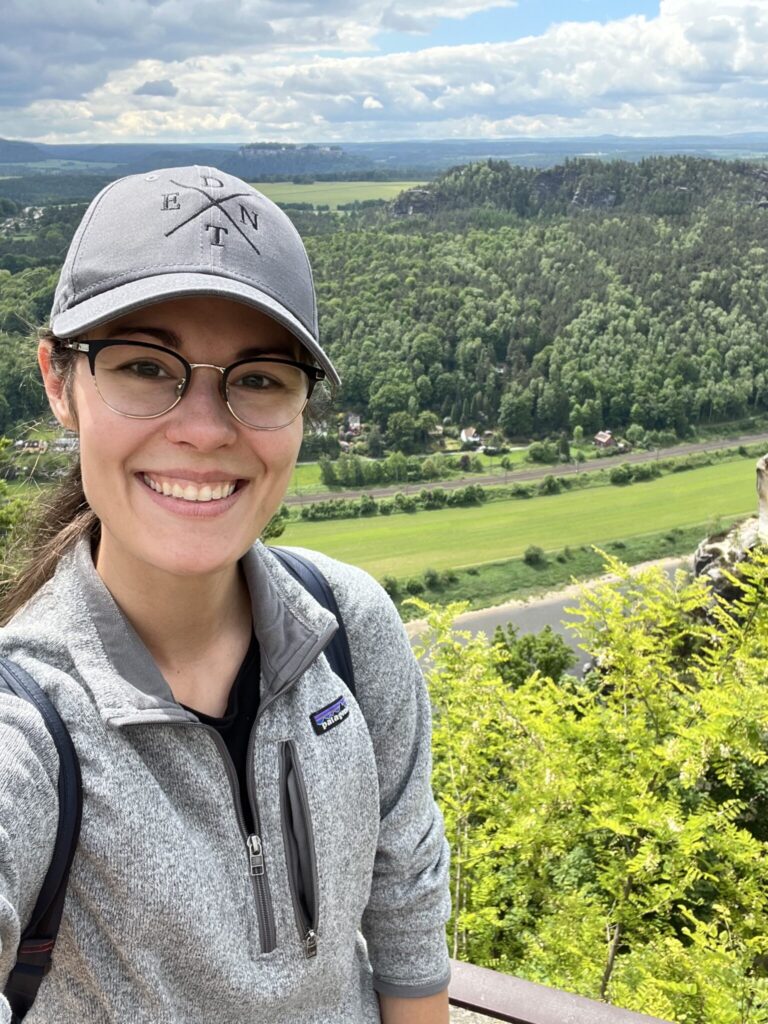
Advice for future dental graduates?
Listen to your patients. You do not need to have all the answers—and you may not even have all the right questions—but taking the time to look your patient in the eye and give them time to share their history and their goals will not only show that you care, but it will also lead to better treatment outcomes.
Also, never underestimate the value of mentorship and collaboration. Seeking guidance from more experienced colleagues and being open to learning from your peers can significantly accelerate your growth and confidence as a clinician.
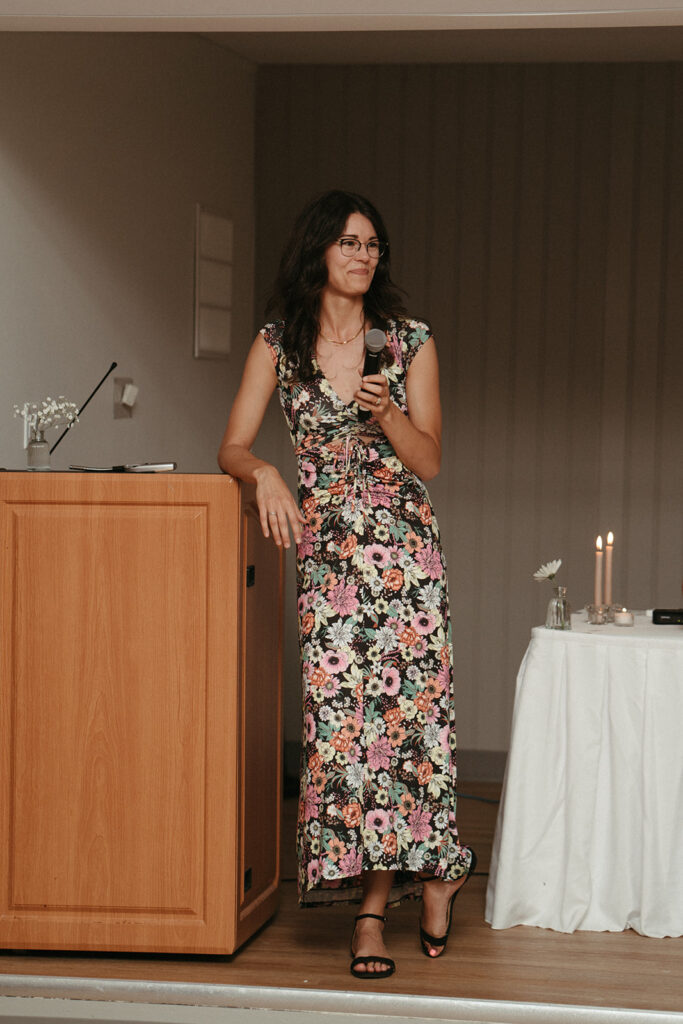
What dental technology could you not imagine working without?
My loupes, for sure! I recently got ergo loupes at about a 5x magnification, and they have done wonders for my posture. I’m able to confidently use them for almost all procedures, including surgery, endodontics, restorative, and exams.
I also highly value a CBCT for diagnosis and planning, especially with endodontics and implants. Because I work with a predominantly elderly population, conventional endodontic testing is not always reliable, and a CBCT reveals so much. 2D imaging is still really useful, but there are some cases that I could not confidently treat without 3D imaging.

You are now an instructor at the University of Alberta. What was it like stepping into the instructor role while still being early in your career?
Stepping into the instructor role at the University of Alberta while still early in my career was both empowering and humbling. It was empowering to realize how much knowledge and experience I had already accumulated, and how I could meaningfully contribute to the growth of future dental professionals. At the same time, it was humbling to stand alongside colleagues and mentors I deeply respect, and to recognize that teaching is an ongoing learning process in itself. The experience reinforced the importance of staying curious, reflective, and open to feedback, which are qualities I strive to pass on to my students by word and action.
You can connect with Laura on Instagram at @laura.dentistry.