
For many patients, the decision to replace a missing tooth with a dental implant is both exciting and intimidating. As clinicians, we often focus on the technical aspects of treatment, but understanding the patient’s experience, especially their first encounter with implant dentistry, is critical to delivering empathetic, personalized care.
Patients’ perceptions of implants are shaped by their age, cultural background, and socioeconomic status. A younger adult may view implants as a long-term investment in aesthetics and confidence, while an older patient may associate them with improved chewing function and quality of life. Some approach implants with optimism; others carry anxiety rooted in medical mistrust, financial strain, or previous negative dental experiences.1–3
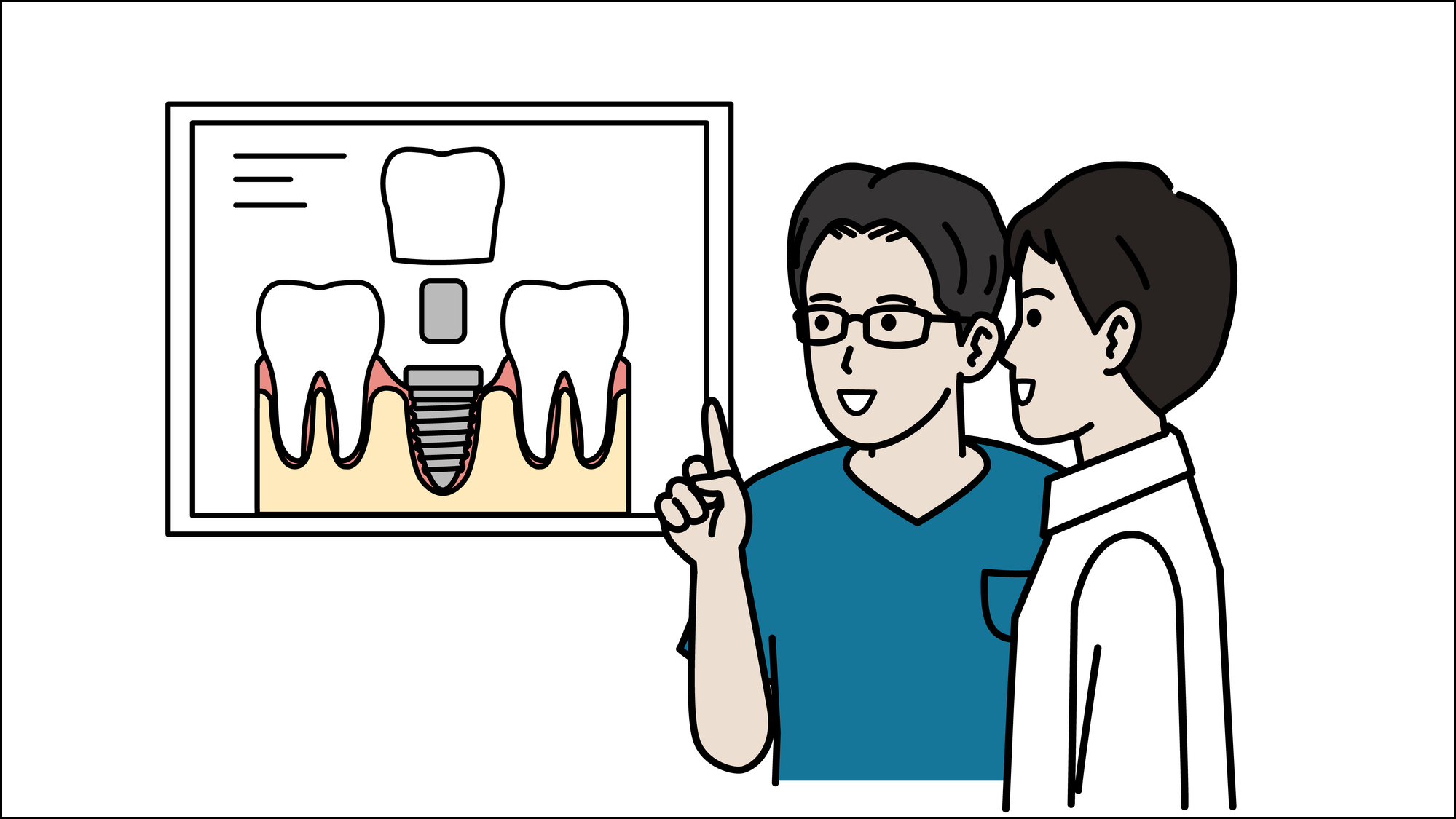
During consultation, younger patients (often with higher health literacy) ask about materials, longevity, and digital workflows. Meanwhile, older or lower-income patients may fixate on costs or worry about pain and post-op recovery.4,5 First-time implant patients universally benefit from clear, jargon-free communication and seeing clinical photos or animations. Visualizing the treatment steps and expected outcomes empowers patients and calms uncertainties.6
Gender also plays a subtle role. In my experience, women often express more concerns about aesthetics and timelines, especially when the implant site is visible in the smile zone. Men, on the other hand, tend to ask fewer questions, though they may require more encouragement to adhere to follow-up and hygiene protocols. Tailoring communication styles to different patient needs is key.7
Critically, socioeconomic background affects treatment acceptance and follow-through. For patients without private insurance, a single implant may represent a major financial decision. Offering phased treatment options, payment plans, and explaining long-term value, such as preserving adjacent teeth compared to a 3-unit fixed dental prosthesis, can help bridge the gap between desire and access.2,4
After the surgical phase, patient reactions vary widely. Some report a surprising lack of discomfort and are amazed at how “natural” the implant feels. Others, especially those with minimal prior surgery experience, may feel disoriented or overly cautious during healing. Guiding patients with gentle post-op check-ins and realistic expectations around osseointegration builds trust and enhances satisfaction.3,8
By understanding these human dimensions, young dentists can better prepare first-time implant patients emotionally, not just technically. Implant dentistry is more than a procedure, it is a milestone in a person’s health journey. Managing that first experience with care, clarity, and empathy can set the tone for a lifetime of positive oral healthcare engagement.
References
- Afrashtehfar KI, Bryant SR. Understanding the lived experience of North American dental patients with a single-tooth implant in the upper front region of the mouth: protocol for a qualitative study. JMIR Res Protoc. 2021;10:e24066.
- Chatzopoulos G, Wolff L. Implant and endodontic treatment selection are influenced by patients’ demographic characteristics, insurance status, and medical history: a retrospective cohort study. Quintessence Int. 2017;48(9):753–64.
- Canallatos JE, Hobbs G, Bryington M, Dye BD. The effect of implant prosthesis complications on patient satisfaction. J Prosthet Dent. 2020;124(1):69–74.
- Reese R, Aminoshariae A, Montagnese T, Mickel A. Influence of demographics on patients’ receipt of endodontic therapy or implant placement. J Endod. 2015;41(4):470–2.
- Afrashtehfar KI, Assery MKA, Bryant SR. patient satisfaction in medicine and dentistry. Int J Dent. 2020;2020:6621848.
- Afrashtehfar KI, Assery MKA, Bryant SR. Aesthetic parameters and patient-perspective assessment tools for maxillary anterior single implants. Int J Dent. 2021;2021:6684028.
- Karimi K, Jurado CA, Handelsman M, Afrashtehfar KI. Conservative management of malpositioned maxillary anterior implant. Technique description and case report. Int J Esthet Dent. 2024;19(4):362–73.
- Uehara Y, Kanazawa M, Miyayasu A, Watanabe M, Kasugai S. Comparison of general satisfaction, oral health-related quality of life, and patient’s self-assessment between mandibular single-implant overdentures and experimental removable complete dentures: a randomized crossover clinical trial. J Dent. 2021;113:103792.
About the author

Dr. Kelvin I. Afrashtehfar is a Canadian board-certified prosthodontist, adjunct faculty at Dubai’s ID-SC, and research faculty at the University of Bern. Ranked in the Top 2% of Scientists globally, he holds postgraduate degrees from UBC, McGill, and UNIBE, with a practice in implant and reconstructive dentistry.