
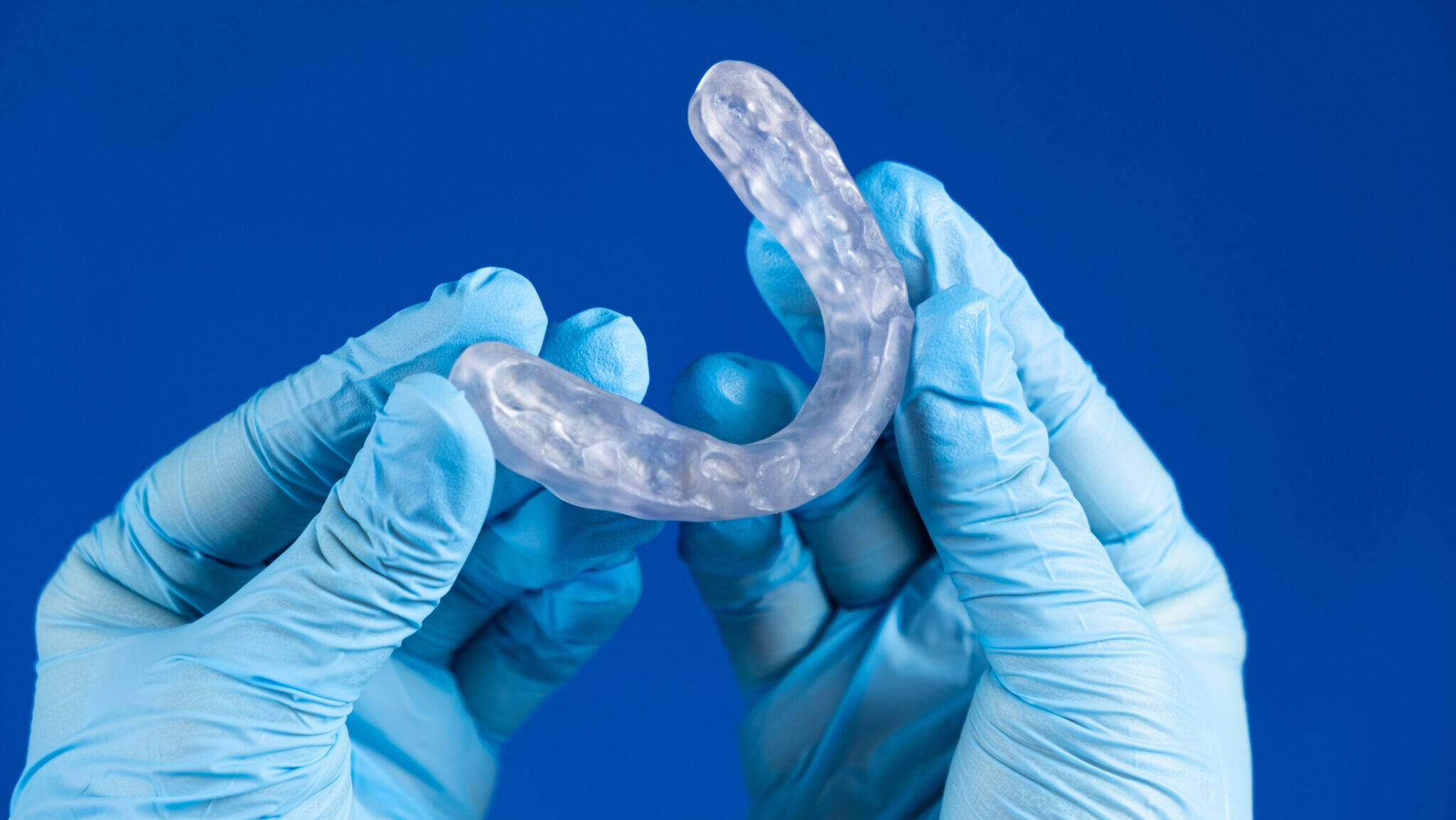
Traditionally, most dentists don’t consider themselves to be sports dentists, but are they ever wrong? Every dentist is a sports dentist. Why do I say that? During the course of your dental career, you will see a wide variety of dental issues, including oral facial trauma. Some of the causes of dental trauma that you may see in your office include, but are not limited to, slips and falls, motor vehicle accidents, physical activity, and sports.
A majority of the time spent in your office with patients focuses on examinations, diagnosis, treatment planning, and performing dental procedures. Your training in dental school prepares you well for this role. Still, unfortunately, many dental students do not get much, if any, information on how to prevent and treat sport-related dental injuries.
The experience you gain in dental school is invaluable; however, if you are motivated to be the best you can be, you need to incorporate all aspects of oral facial injuries as well, so that you can continue to improve throughout your dental career. Never stop learning!
Related podcast: How sports dentistry keeps athletes on the field | Episode 28
I graduated from the University of Manitoba Dental School thirty years ago. Once I walked out of those doors, I didn’t know if I’d ever go back. Things changed quickly! I have a keen interest in sports dentistry, and since we weren’t taught anything about sports dentistry in dental school, I took it upon myself to return a year later to volunteer and teach a class in sports dentistry. Shortly after that first lecture, my commitment evolved into an all-day course on Sports Dentistry and a Custom-fabricated Mouthguard Workshop. The students learn how to prevent dental injuries in sport (which carries over to everyday life) and some basic treatment. It’s hard to believe that I’ve been teaching sports dentistry for 29 years.
Being prepared to treat oral-facial injuries and other dental injuries is a good practice builder. You may not gain just that patient, but also their family and friends. The key point is “Don’t panic when an emergency comes up—don’t get flustered!” Educate your team members and patients on prevention, custom mouthguards, and how to manage dental trauma, both in the office and on the field of play. You want to be able to efficiently accommodate emergency patients into your day.
An essential part of prevention is asking patients and their parents if they participate in any sports or physical activities. If they do, you should take the time to explain to them how they can minimize oral health problems when they are physically active.
Ask your patients the following questions:
- What sport (s) do you participate in?
- What is the competition level? Recreational, competitive, or highly competitive?
- What is the frequency of physical activity weekly?
- What liquids do you use to hydrate? Explain the potential ill effects of sports and energy drinks and advise your patients to use water to stay hydrated. If they feel the desire to have sports drinks, then they should make their own without any sugar or citric acid.
- Do you use any tobacco products in any form, such as snuff, chewing tobacco, dip, or cigarettes? Do you vape or use e-cigarettes? Discuss oral cancer and the problems with using vape pens and e-cigarettes.
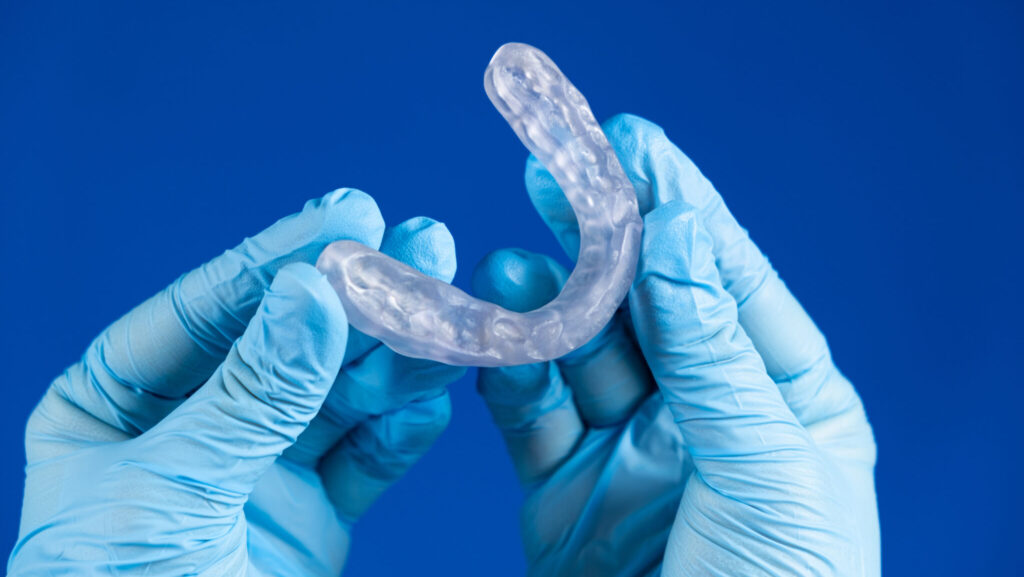
If your patient is participating in a sport where a custom mouthguard would help to protect their teeth, then you should offer to make one for them. The ASD recommends over 40 sports in which custom mouthguards should be worn. Explain the benefits of custom mouthguards to them.
Ensure that you have a team of dental specialists and physicians whom you can rely on and refer to in the event of injuries beyond your current comfort level. It’s beneficial to establish a good rapport with these specialists and, if required, refer your regular patients to them as well. If you become a team dentist, reach out to them to see if they would join your “team”.
If you would like to learn more about sports dentistry, consider joining the Academy for Sports Dentistry. The ASD was founded in San Antonio, Texas, in 1983. It’s an organization with about 400 members from around the world, but concentrated in Canada and the USA. The ASD hosts a Symposium and Sports Team Dentist Course every summer. It’s an excellent opportunity to expand your knowledge, gain confidence in preventing and treating dental emergencies, and meet colleagues from around the world who specialize in sports dentistry. You will soon realize how easy it is to make connections with sports dentists from all over the globe once you attend your first symposium.
A great way to get started as a team dentist is to volunteer to start a custom mouthguard program for your local athletic teams. If you want help getting started, contact the ASD, and they will have someone reach out to you to give you valuable tips.
Thousands of physically active Canadians could use your assistance. I hope that you will join the ASD, take the Sports Team Dentist Course, and start volunteering with teams at all levels. A team of Canadian ASD dentists from coast to coast are in discussion with the Canadian Olympic Committee Medical Team to assist our Canadian Olympic Athletes with dental services. If you are interested in joining our team you will need to join the ASD and take the Sports Team Dentist Course.
For more information about Sports Dentistry, please follow ASD on Instagram, X, and LinkedIn, and visit the ASD website at academyforsportsdentistry.org. Two of our UK Sports Dentistry colleagues host “The Sports Dentistry Podcast” on Spotify and Apple.
I hope to see you at the 2026 ASD Symposium and Sports Team Dentist Course, which will take place in San Diego, California, from June 13 to 15.
About the author
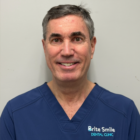
Dr. Stasiuk obtained his Doctor in Dental Medicine Degree from the University of Manitoba in 1995. He has a special interest in sports dentistry, which began in dental school. Since joining the Academy of Sports Dentistry in 1996, Dr. Stasiuk has held numerous roles with the ASD, including President in two occasions, Secretary, Editor and Symposium Chair. Dr. Stasiuk has taught Sports Dentistry and conducted a Custom Mouth Guard workshop at the University of Manitoba for over 25 years.