
Oral health is a critical component of well-being, shaping both physical and psychological health across one’s lifespan. Despite growing recognition of its importance, significant disparities in access to oral health care persist across Canada.
According to the Canadian Oral Health Survey, 28% of Canadians aged 12 and older did not visit an oral health professional within the past 12 months.1 For many, cost remains the dominant barrier, with nearly half reporting that they avoided dental visits due to financial constraints and more than one-third delaying or declining recommended treatment for similar reasons. These figures reflect a reality that many dentists see daily: coverage does not always translate into access.
The introduction of the Canadian Dental Care Plan (CDCP) represents a meaningful step toward reducing financial barriers and improving access to dental care for millions of Canadians. However, as the program continues to roll out, it has become clear that gaps remain, and Filling the Gap Dental Outreach (FTG) works to serve patients left behind.
Founded in 2020, FTG is a Toronto-based dental charity created in response to persistent inequities in Canada’s dental care system. FTG’s mission is simple but urgent: to provide accessible, high-quality, low-cost dental care to uninsured individuals across the Greater Toronto Area. FTG serves patients whose oral health is shaped by broader social and structural determinants, including low income, housing instability, precarious immigration status, language barriers, limited transportation, and administrative challenges. For many of our patients, cost and difficulty navigating eligibility systems continue to limit access to public dental coverage.

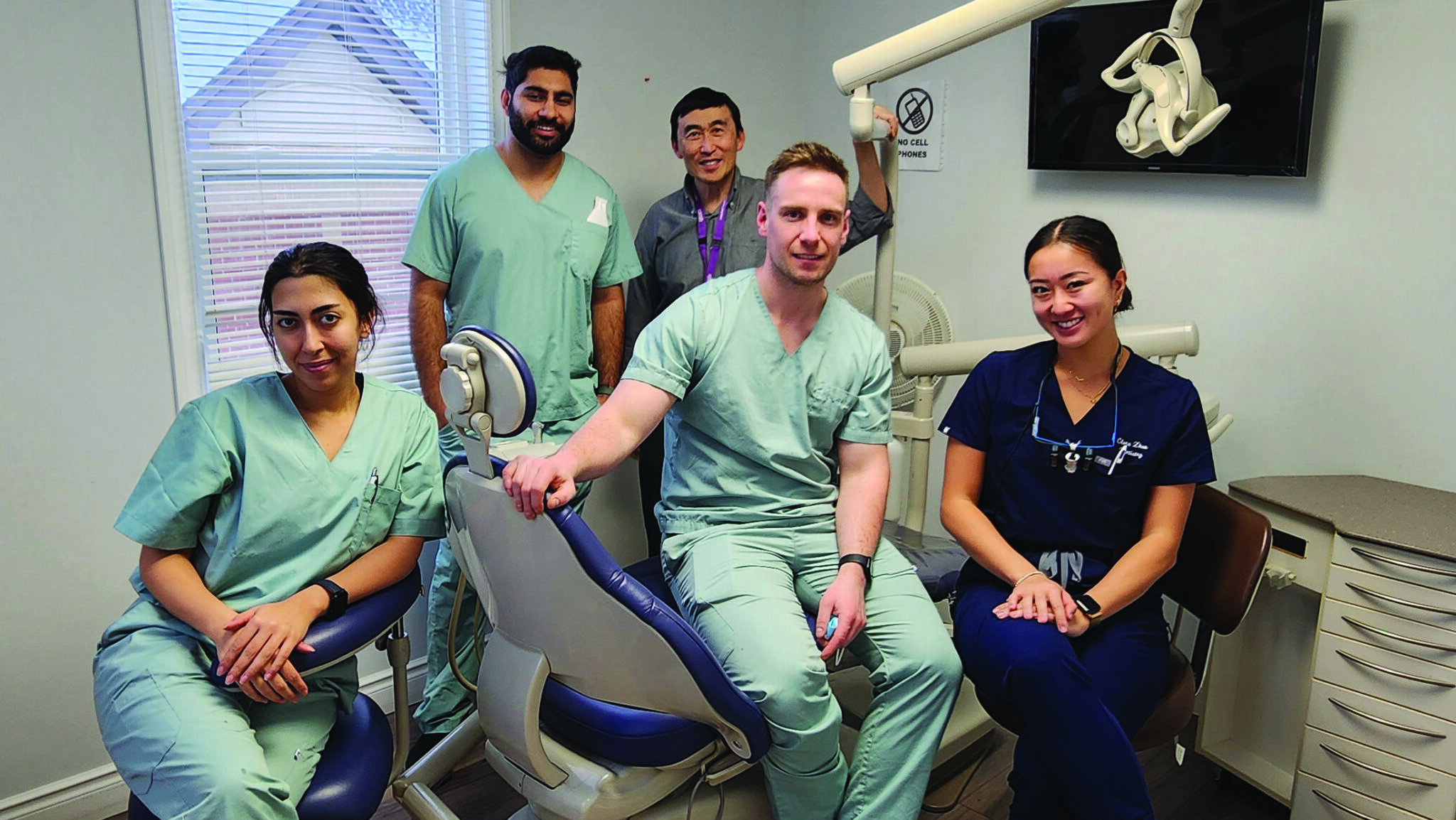
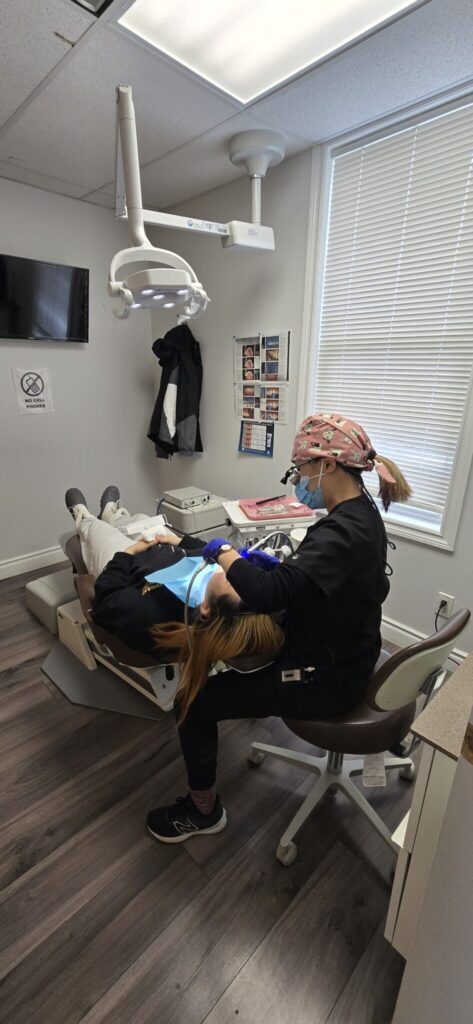
To address these gaps, FTG operates two sites: the Urban Dental Clinic in Scarborough and the Community Health Centre Hub in Rexdale. Both sites are supported by volunteer dentists, dental assistants, and dental hygienists who provide emergency examinations, X-rays, cleanings, restorations, and extractions.
Despite the 2025 CDCP expansion to include all remaining eligible Canadians, demand for care remains high. Over the past year, FTG provided 2,190 emergency visits, restored 1,215 teeth, completed 766 emergency extractions, and delivered 258 dental cleanings, representing an estimated $466,387 in avoided dental care spending for Toronto Public Health.
FTG’s work is made possible by a dedicated team of volunteer dentists, dental hygienists, and dental, graduate, and undergraduate students. As an M.Sc. graduate from McMaster University’s Global Health program, getting involved with FTG felt like a natural fit. My training strengthened my understanding of how upstream determinants and health systems shape care-seeking and access, and why community-based programs like FTG are critical in closing those gaps. In many ways, these programs function as a safety net within our dental care system, supporting people who fall between the cracks of public and private coverage.
Community-based dentistry offers meaningful learning opportunities at every stage of practice, from students to experienced clinicians. I feel fortunate that FTG was my first real exposure to dentistry. Working in a community setting has strengthened my interest in this kind of practice because it makes the purpose of dentistry feel clear, grounded in service to the community. As I prepare to enter dentistry, this experience has sharpened how I think about equity and access, while underscoring the importance of community-based care in Canada.
I am not alone in recognizing the impact FTG can have on students and professionals. Through its partnership with the University of Toronto Faculty of Dentistry, FTG offers dental students the opportunity to work alongside providers and engage directly with community oral health needs. One student highlighted FTG’s supportive culture and the confidence it builds through mentorship:
“One thing that stood out to me during my time there was the people. The staff were extremely supportive and encouraging. The patients were all friendly and appreciative. My colleagues were all team players and encouraged one another to take on procedures they had limited experience with. In the future, when I am a dentist, I intend to volunteer at Filling the Gap.”
Another student reflected on how this exposure can sharpen awareness of local inequities and motivate action:
“From this experience, I became cognizant that there are a significant number of people in our local community who have urgent dental care needs yet have no access to the much-needed care […] As future professionals with the skill sets, we should all work together to raise awareness and contribute in whatever way that is feasible for each of us to push for change.”
It’s incredible to see how FTG impacts everyone who gets involved. For our volunteer dentists, the work is both clinically meaningful and personally grounding, even when their reasons for joining FTG might differ. One dentist described volunteering as a return to dentistry’s core responsibility:
“Dentistry is healthcare first. As our profession becomes more profit-driven, volunteering grounds me in our true responsibility to patients, not profits, and reminds me that helping someone in pain who has nowhere else to turn is one of the most meaningful rewards this profession offers. Such rewards touch the soul, bring peace of mind, and offer something profits never can.”
Dr. Sukhjeevan S. Chattha
Another emphasized how a small, consistent commitment can make a real difference for patients who might otherwise delay care:
“I volunteer with Filling the Gap because no one should have to live with dental pain simply because they cannot afford care […] Through a small commitment of volunteering once a month, I can make a real difference for people who might otherwise avoid treatment. This work fills my heart and reminds me why I love dentistry.”
Dr. Sanjukta Mohanta
FTG offers dental professionals a structured, supportive environment without productivity pressures or overhead costs, allowing clinicians to focus on patient needs. While expanding public coverage is essential, community-based organizations remain critical in bridging access gaps, and that work depends on ongoing support from dental professionals.
FTG is currently seeking volunteer dentists for both clinic locations, so whether you are early in your career or a seasoned practitioner, your skills can help ensure no one falls through the cracks. If you are interested in volunteering or learning more about Filling the Gap, please contact:
Dr. Amanda Morel
Founder, Filling the Gap Dental Outreach
Email: amandamorel@fillingthegap.ca
References
- Statistics Canada. (2024, August 27). The Daily—Dental visits returning to levels seen before the COVID-19 pandemic among Canadians in the provinces, 2023-2024. https://www150.statcan.gc.ca/n1/daily-quotidien/240827/dq240827b-eng.htm
About the author

Amal Moukanni holds an M.Sc. in Global Health from McMaster University and is actively involved with Filling the Gap Dental Outreach. Her work centres around community-based care and health systems approaches that help bridge gaps between coverage and access to oral health services across the GTA.