
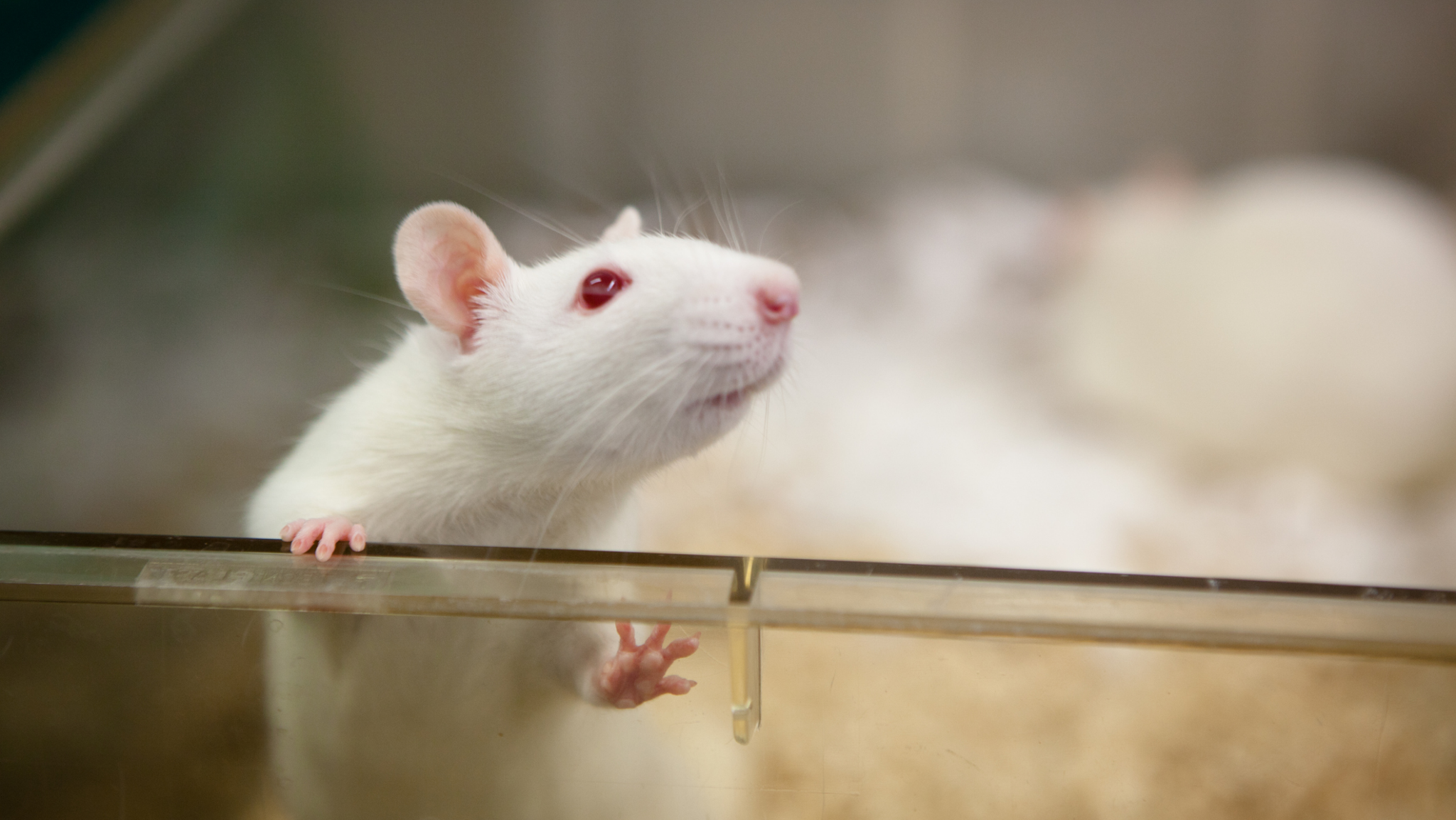

A study published in Archives of Oral Biology suggests that tooth loss — rather than reduced protein intake — plays a central role in driving cognitive decline in aging male mice, underscoring a growing link between oral function and brain health.
Low protein intake has long been linked to frailty, muscle loss and cognitive impairment in older adults, leading researchers to question whether memory decline observed in people with poor oral health stems from nutritional deficiencies or from reduced chewing ability itself.
Conducted by researchers at Hiroshima University’s Graduate School of Biomedical and Health Sciences, the study examined whether tooth loss alone could impair cognition, independent of nutritional deficiencies often associated with poor oral health.
“Tooth loss is common in aging populations, yet its direct neurological impact has remained unclear,” said lead author Rie Hatakeyama, a postdoctoral researcher at Hiroshima University. “Our study examines whether tooth loss itself, independent of nutritional deficiency such as a low-protein diet, can cause cognitive decline.”
To explore the interaction between mastication and nutrition, the research team used aging-prone male mice and assigned them to one of four groups:
1- A normal-protein diet with no tooth extraction
2- A low-protein diet with no extraction
3- Molar extraction with a normal-protein diet
4- Molar extraction with a low-protein diet.
Also, at three months of age, mice underwent either molar extraction or a sham procedure, followed by six months of dietary intervention.
What analysis showed?
Behavioural testing and brain tissue analysis revealed a clear pattern. Mice that lost their molars showed significant memory impairment — even when their protein intake matched that of control animals. By contrast, a low-protein diet alone had only limited effects on cognition.
Brain analyses supported these findings. Tooth loss was associated with increased neuroinflammation and neuronal loss in the hippocampus, particularly in the CA1 and dentate gyrus regions, which are critical for memory formation. Researchers also observed a higher Bax/Bcl-2 mRNA ratio — a marker linked to cell death — in mice with tooth loss, regardless of diet. The effects of a low-protein diet were confined largely to the CA3 region of the hippocampus.
“These results suggest that reduced masticatory stimulation, not dietary protein intake, contributes to cognitive deterioration,” Hatakeyama said. “It is surprising that a peripheral event in the mouth can so profoundly affect the central nervous system.”
Growing body of evidence
The findings add to a growing body of evidence linking oral health to neurological outcomes and suggest that preserving chewing ability may play a role in protecting cognitive function with age.
The research team plans to further investigate the biological mechanisms connecting mastication and brain health, including changes in hippocampal activity, neurotransmitter levels and neurogenesis.
“Our ultimate goal is to demonstrate, in humans, that maintaining or restoring mastication through prosthodontic treatment can help prevent or delay cognitive decline in the elderly,” Hatakeyama said.
Last year, researchers from New York University urged The Lancet to formally recognize oral health as a modifiable dementia risk factor, arguing that poor oral health may carry nearly three times the dementia risk associated with diabetes or hypertension.