
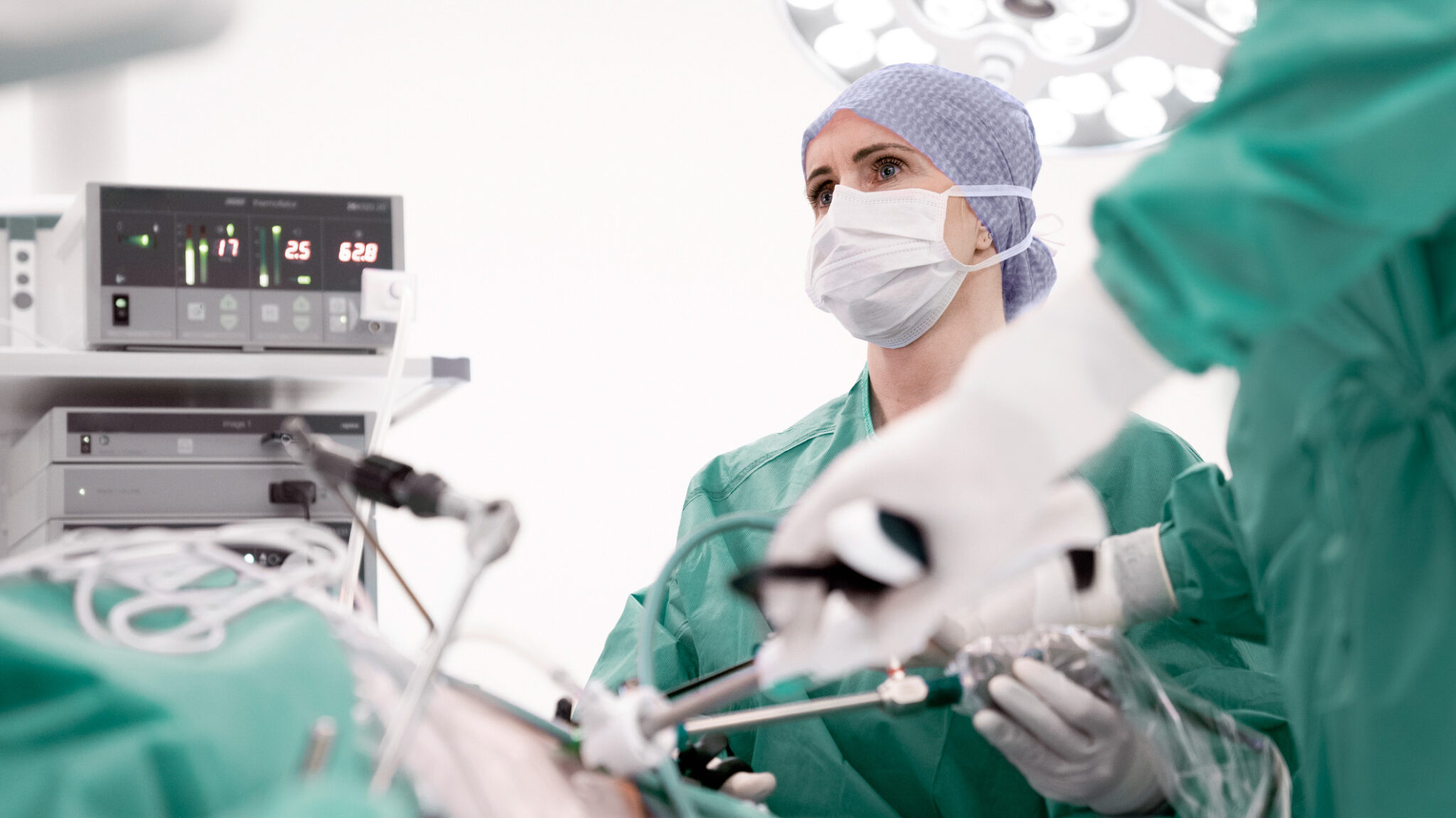
A new study in the International Dental Journal suggests patients who undergo bariatric surgery (BaS) face a significantly increased risk of periodontal and dental disease — prompting calls for integrated medical–dental aftercare.
Although bariatric surgery is often hailed for dramatic weight loss and metabolic benefits, the authors note mounting evidence of unintended consequences for oral health.
“Paradoxically, while BaS improves systemic and cardiometabolic health, it appears to worsen oral outcomes, underscoring the need for integrated medical–dental care and preventive protocols in this population,” they write.
The investigators explain that the effects of BaS on oral health and the microbiome remain “poorly understood,” motivating their study of how obesity and surgery may alter oral microbial communities.
Related: Weight loss medications and their effects in the oral cavity
Three groups of participants
Participants were assigned to one of three cohorts — pre-BaS, post-BaS (six months after surgery), or control — and were evaluated for gingivitis, caries and periodontitis. The study included 36 pre-BaS individuals, 14 post-BaS patients and 56 controls. The research protocol was approved by the Institutional Review Board of the Hebrew University of Jerusalem and adhered to STROBE reporting guidelines.
Key findings: pre-BaS patients already exhibited greater oral microbial diversity and a higher prevalence of bacteria linked to periodontitis than controls — a pattern that intensified after surgery. In addition, bacteria associated with caries and halitosis became significantly more abundant post-BaS.
Related: NYU researchers develop zinc-based treatment to fight tooth decay without drilling or staining
Obese mouse model used
To strengthen the findings, the researchers also used an obese mouse model with experimentally induced periodontitis. Mice undergoing BaS showed elevated oral microbial diversity similar to the human subjects. In the mice, periodontitis alone significantly reduced gut microbiome diversity, regardless of BaS status.
Bariatric-surgery trends
According to the International Federation for the Surgery of Obesity and Metabolic Disorders (IFSO), nearly 600,000 metabolic and bariatric surgery procedures were recorded worldwide in 2023 — based on aggregated data from 35 countries and two regional registries. The increase underscores expanding global access and growing adoption of BaS.
In the United States, the American Society for Metabolic and Bariatric Surgery (ASMBS) estimates that approximately 280,000 metabolic and bariatric procedures were performed in 2022, up from roughly 262,893 in 2021.
In Canada, a market-data report estimated that 9,886 bariatric procedures were conducted in 2022.
As the volume of surgeries continues to climb, these findings highlight the growing importance of understanding long-term outcomes — including emerging concerns around oral health and postoperative care.