
As a practicing prosthodontist in Toronto, I’m experiencing a disturbing trend in clinical practice which is causing expensive biological and financial consequences for our patients. On average, a few patients per month are being referred to my specialty practice after some full-mouth reconstruction, cosmetic, and/or implant dentistry was initiated in another country. Patients return to Canada with chief complaints of discomfort, TMD, clinical failures, complications, substandard dentistry, or incomplete treatment.
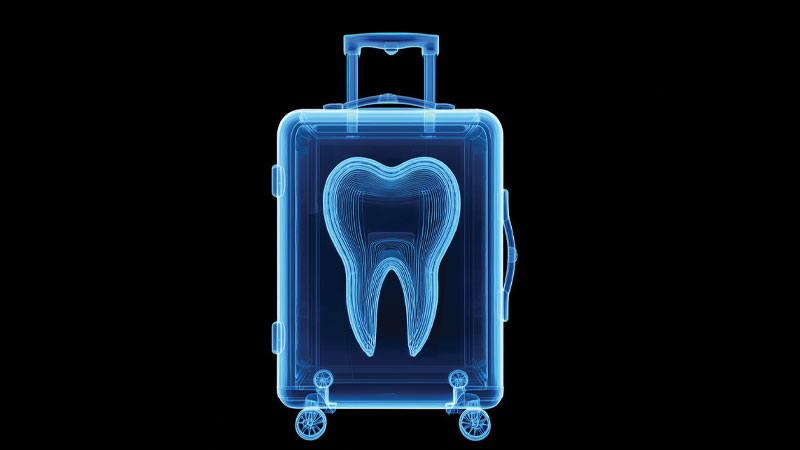
Dental tourism has become increasingly popular over time, with patients traveling abroad to countries where dental procedures are “perceived” to be cheaper than in Canada. While this can offer significant initial cost savings in treatment fees, there are several problems associated with dental tourism, both for the patients and the local professionals involved.
There are some obvious problems associated with tourism dentistry. The quality and control of many dental clinics in popular dental tourism destinations may not adhere to the same rigorous health and safety standards as those in Canada. This can lead to substandard treatment results, infections, or complications. One of the biggest risks is the lack of post-treatment follow-up care since most treatments are rendered in a short period of time pending travel schedules. After getting a procedure done abroad, patients may find it difficult, impractical, or expensive to return for follow-up appointments or corrective procedures if something goes wrong. Due to the lack of regulations in some of these countries, the risk of scams and unqualified pseudo dentists may target the patient tourists. This is particularly concerning for patients who are unaware of what to look for in terms of quality and licensing. Patients may not have the same legal recourse if something goes wrong with their dental treatment abroad, especially in countries where malpractice laws may be weaker or nonexistent.
We should take an active role in educating our patients on the risks associated with tourism dentistry, especially for more complex procedures. Offering honest, clear guidance on the potential dangers of choosing cheaper options abroad can help patients make informed decisions. Building strong relationships with patients is key. By fostering trust and making them feel comfortable, dentists can encourage patients to seek care locally, even if dental tourism might seem like a cheaper option. Canadian dentists should always strive to maintain the highest standards of hygiene, patient care, and ethics in their own practice. By ensuring the highest level of treatment, dentists can position themselves as the more reliable choice for patients, even at higher treatment fees.
Sometimes we are faced with the clinical dilemma of how to best manage these patients when dentistry has been done in another country. Should we decline any revision treatment and refer them back to the country where they initiated the treatment? Should we try to help them by attempting to resolve the complications but in the process put ourselves at higher risk since we didn’t provide the initial diagnosis, treatment plan, or clinical procedures? If we are inclined to attempt to help these patients, we should proceed with extreme caution. It would be prudent to obtain advice from our respective regulatory body and provide a customized consent process and documentation before clinical intervention. The patients should consent that our attempted remedial treatment cannot provide any guarantees and may involve future biological complications or failures.
By addressing the issues associated with dental tourism, dentists can protect their patients from potentially dangerous situations while also building stronger, more loyal relationships.
 About the author

Dr. Mark Lin graduated from the University Of Toronto in the Biochemistry Specialists Honours program. He received his dental degree from the University of Detroit Mercy in which he was on the Dean’s List for 4 consecutive years. He practiced general dentistry for 13 years, then returned to complete his postgraduate training in the specialty of Prosthodontics at the University of Toronto. He maintains a full time specialty practice as a Prosthodontist at Toronto Dental Specialist (TDS). He is currently an Associate in Dentistry at the University of Toronto at the post graduate Prosthodontic department, and a Fellow and Examiner with the Royal College of Dentists of Canada in the specialty of Prosthodontics.