
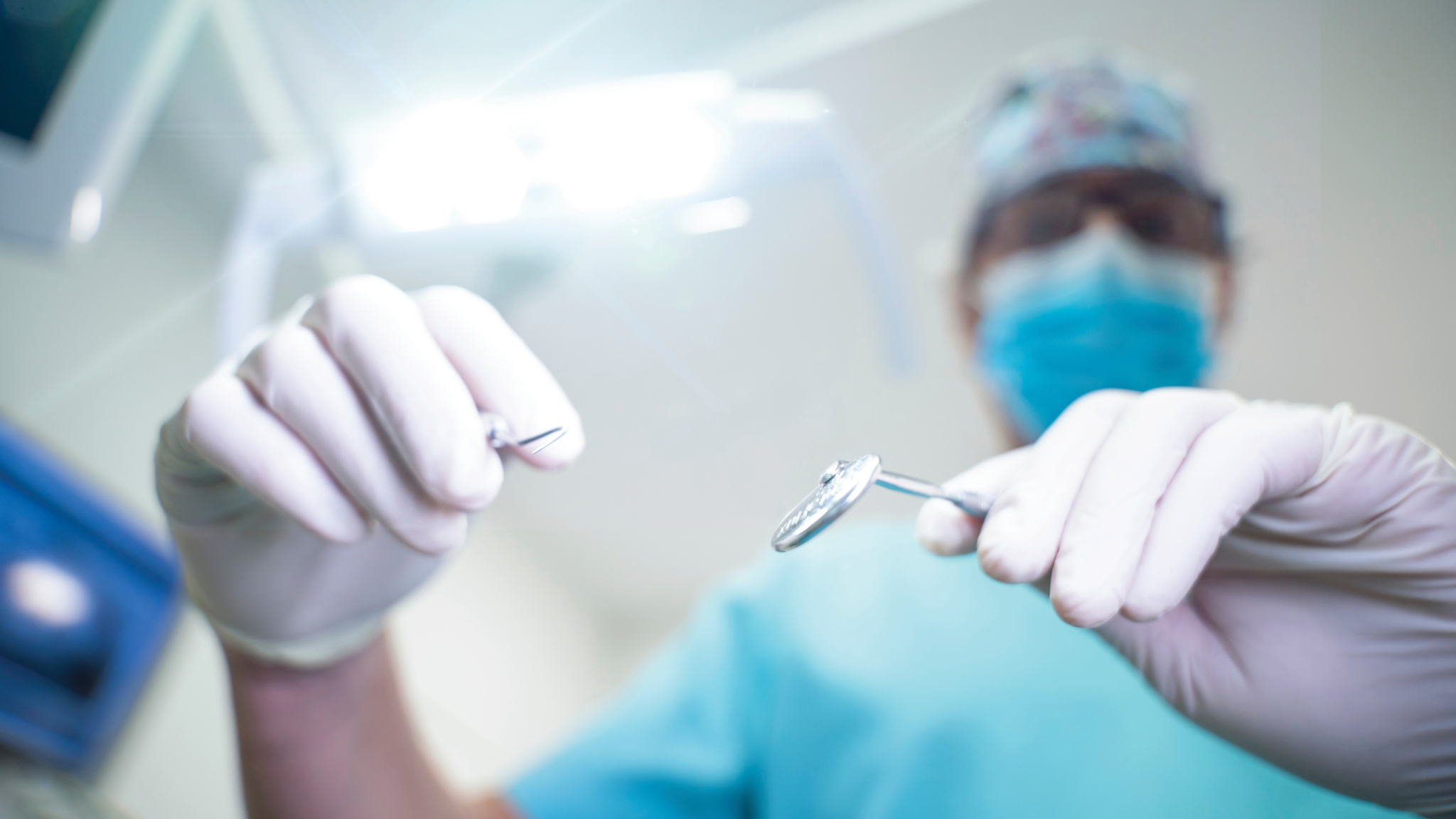
As dental healthcare professionals, we dedicate our career and lives to care for our patients, often becoming so engrossed in our clinical responsibilities that we take for granted their individual experiences as patients. Recently, I found myself on the other side of the medical equation as a patient undergoing an elective medical surgical procedure. This experience offered me a fresh perspective and reminder of the patient journey, deepening my understanding and appreciation of all the phases of any treatment: the initial consultation appointment, case presentation, consent process, pre-surgical preparations, surgical treatment, and post-operative follow-up care.
Like any patient, my journey began with a common chief complaint for functional and aesthetic changes to improve quality of life and self-confidence. I did my research on the internet about potential treatment options, evaluating options for the “right” medical specialist, reading their respective reviews, then consulted with several medical specialists and weighed the potential risks, benefits, and treatment alternatives. All of the medical specialists were highly credentialed with robust clinical experience for the specific procedure. The final selection was based on the personal connection and sincere desire to address my concerns and provide the optimal clinical results. Despite being well-versed in medical procedures, stepping into the role of a patient brought an unexpected mix of anticipation and vulnerability. It was a humbling experience to be on the receiving end of care, relying on the expertise and reassurance of another healthcare professional that I had just recently met.
The surgery itself was a straightforward procedure to him but as the patient it was unnerving. How many times has that happened to us when our patients indicate they are nervous in the dental chair, and we just provide lip service and reassure them there’s nothing to worry about without really appreciating their respective level of anxiety? The post-operative phase has also truly opened my eyes to the realities our patients face. The compliance from the patient, amount of discomfort, the meticulous aftercare, and the gradual healing process were all aspects I had understood theoretically but never fully grasped until I lived through them. The first few days were a lesson in patience and trust, as I followed my surgeon’s instructions to the letter, keenly aware of how vital proper post-op care is to achieve the best outcomes.
One of the most profound insights I gained was the emotional aspect of recovery. As healthcare providers, we focus on the physical healing process, but the psychological journey is equally significant. The initial swelling and bruising were challenging to cope with, even though I knew they were part of the normal healing process. This experience gave me a newfound empathy for patients who might feel anxious or uncertain about their recovery, despite our reassurances.
Additionally, the experience underscored the importance of clear communication and patient education. My surgeon was thorough in explaining what to expect at each stage, which was invaluable in managing my expectations and reducing anxiety. This reaffirmed the crucial role we play in guiding our patients through their journeys, ensuring they feel informed and supported every step of the way.
As I continue to recover and see the positive results of my surgery, I am reminded of the resilience and trust that patients place in us. This experience has not only improved my understanding of the patient experience but has also made me more compassionate and attentive to the concerns of those under my care. It is a powerful reminder that at the end of the day, we are all human and empathy is at the heart of effective healthcare.
My experience as a patient has deepened my understanding as a prosthodontist, highlighting the importance of compassion, care, and communication in healthcare. Beyond technical expertise, ensuring patients feel heard, valued, and supported is essential. I will carry this lesson forward in my practice.
 About the Editor

Dr. Mark Lin graduated from the University Of Toronto in the Biochemistry Specialists Honours program. He received his dental degree from the University of Detroit Mercy in which he was on the Dean’s List for 4 consecutive years. He practiced general dentistry for 13 years, then returned to complete his postgraduate training in the specialty of Prosthodontics at the University of Toronto. He maintains a full time specialty practice as a Prosthodontist at Toronto Dental Specialist (TDS). He is currently an Associate in Dentistry at the University of Toronto at the post graduate Prosthodontic department, and a Fellow and Examiner with the Royal College of Dentists of Canada in the specialty of Prosthodontics.