
Since the institution of the Canadian Dental Care Plan (CDCP), the manner in which dental care is delivered in this country has changed dramatically. The CDCP was created with the intention of increasing access to dental care for Canadians. From the onset of the plan there has been widespread criticism from within the profession as to whether it is providing the care it is intended to. Many of us have questioned the very design of the plan and it all started with our profession not having more of a role in the design and implementation of the plan so that it better suits our patients. Nobody knows what is better for our patients than us, the professionals who provide high quality dental care.
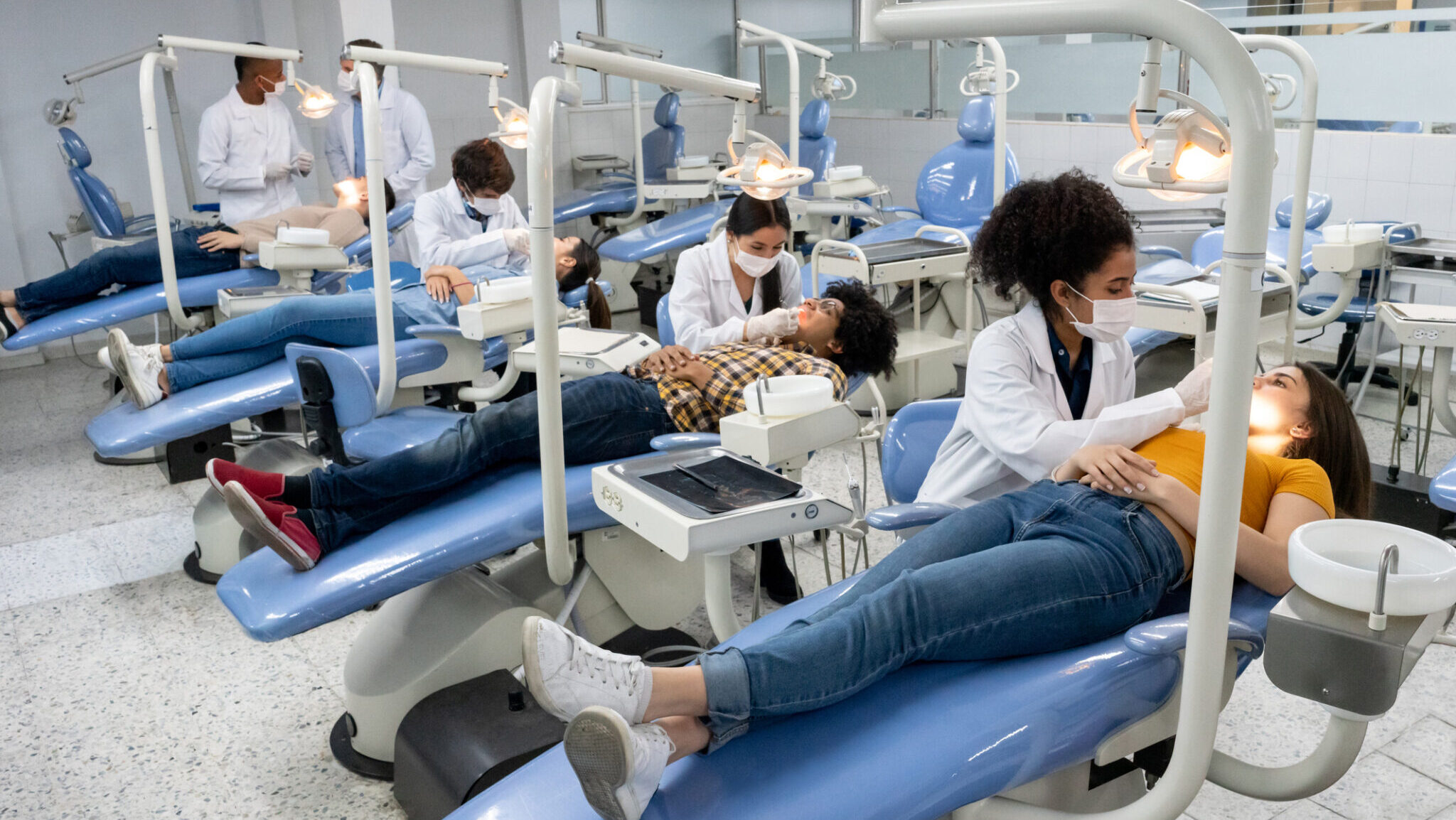
One of the interesting side effects of the CDCP, a plan that is designed to increase our patients’ access to a dentist, is the fact that many dental schools are having challenges accessing dental patients for our future practitioners. Why do patients go to dental schools for care? We all owe a great deal of gratitude to those patients we treated in dental school who sat in the chair for hours on end so that we could learn our craft. A large portion of the patient pool in dental schools consisted of patients from low socio-economic families, new Canadians, and retirees. Dental schools provided access to care at affordable pricing for these members of our society. With the institution of the CDCP, these patients that would be drawn to dental schools to have their dental work done are less likely to do so. Instead, they will seek treatment in the community by a dentist who accepts the plan. Although this may be more convenient for the patients from a geographical sense, how are our dental students going to learn? How are we going to pass on our knowledge to them as we have done for so many years as clinical instructors? If we have a decrease in patient flow in dental schools, we are going to have a major problem in our profession in the future. The hands-on interaction with patients in dental schools is critical to a good education. It is not uncommon to have dental students working on manikin heads in dental school clinics due to a lack of patients. With this decrease in patient pool, how are the students going to get the experience they need to go into practice?
We as a profession need to brainstorm and formulate ideas on how to offset this unfortunate side-effect of the CDCP. Do we have to start paying patients to come to school? I don’t know what the answer is. All I know is that since the CDCP came into place not only has it affected the way our patients receive dental care, but it also has affected the way we learn and practice dentistry.
 About the editor

Dr. David Farkouh is a pediatric dentist working in private practice in Toronto, Ontario. He is on staff at The Hospital for Sick Children in the Department of Dentistry. He is a clinical instructor in Pediatric Dentistry at the University of Toronto in the Faculty of Dentistry. Dr Farkouh is the Pediatric Dentistry editor for Oral Health.