
On Track with Kathleen
Your monthly reset button for professional growth and personal well-being
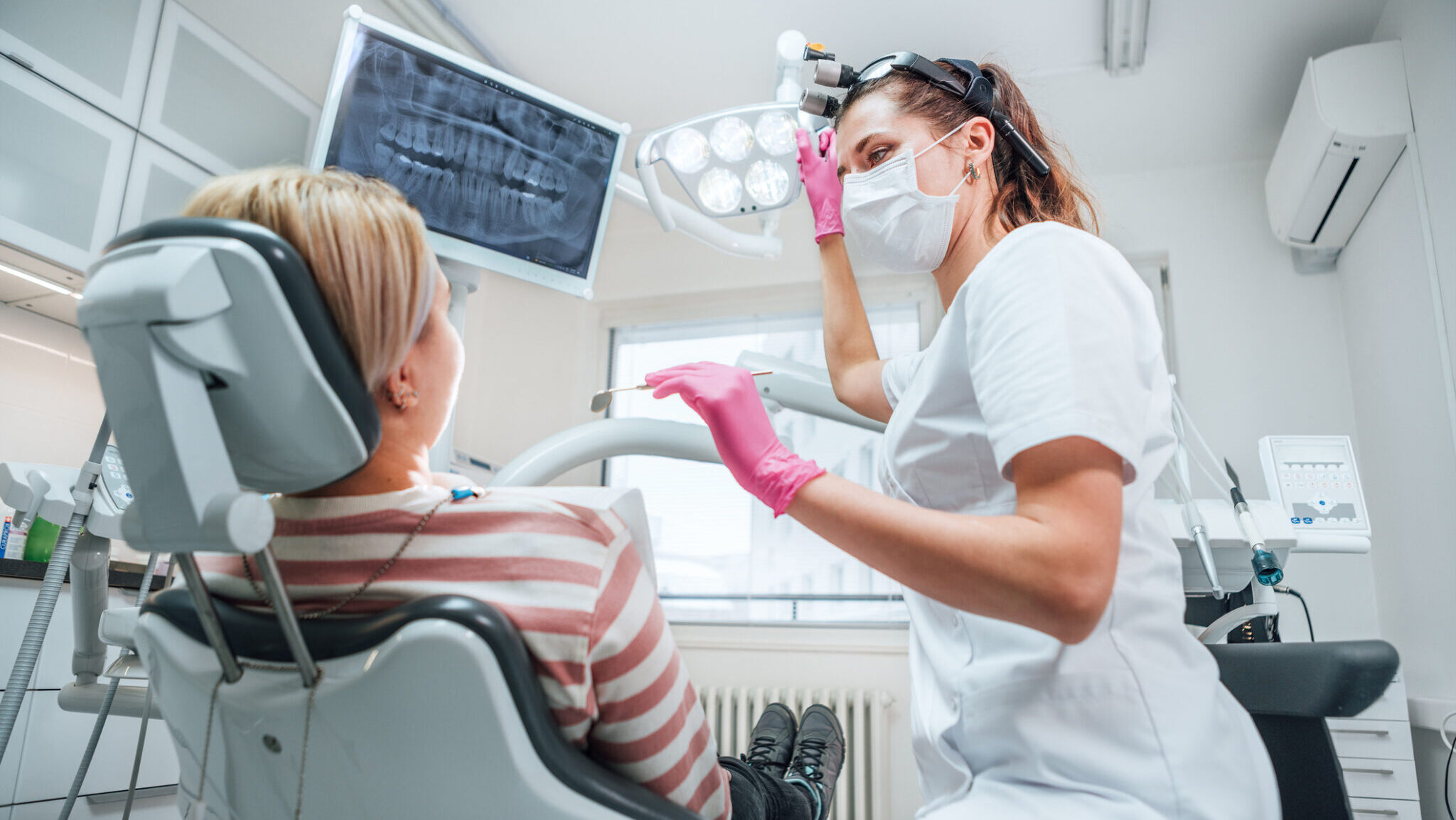
As dental hygienists, we know that clinical excellence matters. We calibrate, we assess, we document, and we educate. But once a patient walks through your door and settles into your chair, something even more powerful begins to unfold.
The During Experience is where trust is built—or quietly broken.
From the moment a patient arrives, they are forming impressions. Not just about your technical skill, but about your attentiveness, preparation, and consistency.
As we continue exploring each stage of the patient journey in this series, the During Experience is where preparation and connection meet in real time.
It begins the moment they walk in
Are they greeted by name? Does someone look up, make eye contact, and say, “We’ve been expecting you, Mrs. Jones”?
That small phrase carries weight. It communicates preparedness. It communicates intention.
Some practices go a step further: a take-home care package prepared in advance with the patient’s name on it. A personalized product recommendation bag. A child’s name written on their bib. A welcome sign in the room.
These are not grand gestures. They are signals.
Signals that say: You matter. We prepared for you.
The operatory tells a story too
Are your instruments sharp? Are they in excellent condition? Are you integrating current technology?
Patients may not know the technical details—but they sense confidence and precision.
Using an air polisher for biofilm management, disclosing first so they can visualize plaque accumulation, explaining biofilm in clear language—these are not just clinical steps. They are educational moments that position you as a modern preventive provider.
When patients see what you see, they understand why you recommend what you recommend.
Are you implementing advancements such as lasers where appropriate? Are you integrating technology that reflects current standards of care?
Staying current isn’t just about compliance. It communicates credibility.
Education during the appointment is powerful
Disclosing solution is one of the most underused educational tools we have.
When patients see biofilm illuminated, the conversation shifts. It becomes collaborative. It becomes visual. It becomes real.
Visual aids—whether digital imaging, intraoral photos, periodontal charts, or structured chairside consultation guides—help translate clinical findings into understanding. When patients can see what you see, they are far more likely to understand the “why” behind your recommendations.
This is where recommendations for power brushes, interdental aids, or adjunctive therapies become meaningful—not sales-driven.
You are not “selling.” You are guiding.
Consistency builds safety
If you offer a warm towel at one visit, offer it every visit. If you provide a personalized take-home bag, make it part of your system.
And when it comes to clinical standards—such as a comprehensive oral cancer screening—consistency is not optional. It is essential.
Early detection saves lives. Patients may not always recognize the significance of this screening in the moment, but they will notice if something that feels thorough and protective at one appointment is absent at the next.
When one visit includes a complete assessment and clear explanation, and the next feels abbreviated or inconsistent, subtle doubt can emerge.
In healthcare, inconsistency feels unpredictable. And unpredictability weakens trust.
When patients know what to expect at every appointment—thorough assessments, thoughtful explanations, consistent protocols—they feel safe. They feel confident. They feel protected.
And that stability builds long-term trust.
Reflect and reset
Ask yourself:
- If I were the patient in my chair today, what would I notice?
- Would I feel expected?
- Would I feel educated?
- Would I feel cared for in a way that is consistent and intentional?
- Would this appointment feel personalized to me—or would it feel routine?
- Did we tailor the conversation to their health history?
- Did we reference something personal they shared last time?
- Did we adjust our recommendations based on their unique risk factors?
A truly exceptional During Experience does not feel standardized—even when your systems are.
It feels personal.
The During Experience is not accidental. It is designed. And the practices that thrive are the ones that design it thoughtfully, every single time.
Want to put this idea into practice?
Ready to evaluate and elevate your During Experience? Download the complimentary During Experience Reflection Worksheet at www.rdhu.ca/oralhygiene
About the author

Kathleen is the founder and president of rdhu, a leading professional development company dedicated to transforming the dental hygiene experience. With a passion for lifelong learning, she provides innovative hands-on programs, online education, and team events that empower dental hygienists to elevate their clinical practice. Kathleen is also a strong advocate for integrating research into everyday hygiene care, inspiring clinicians to embrace continuous growth. Learn more at rdhu.ca