
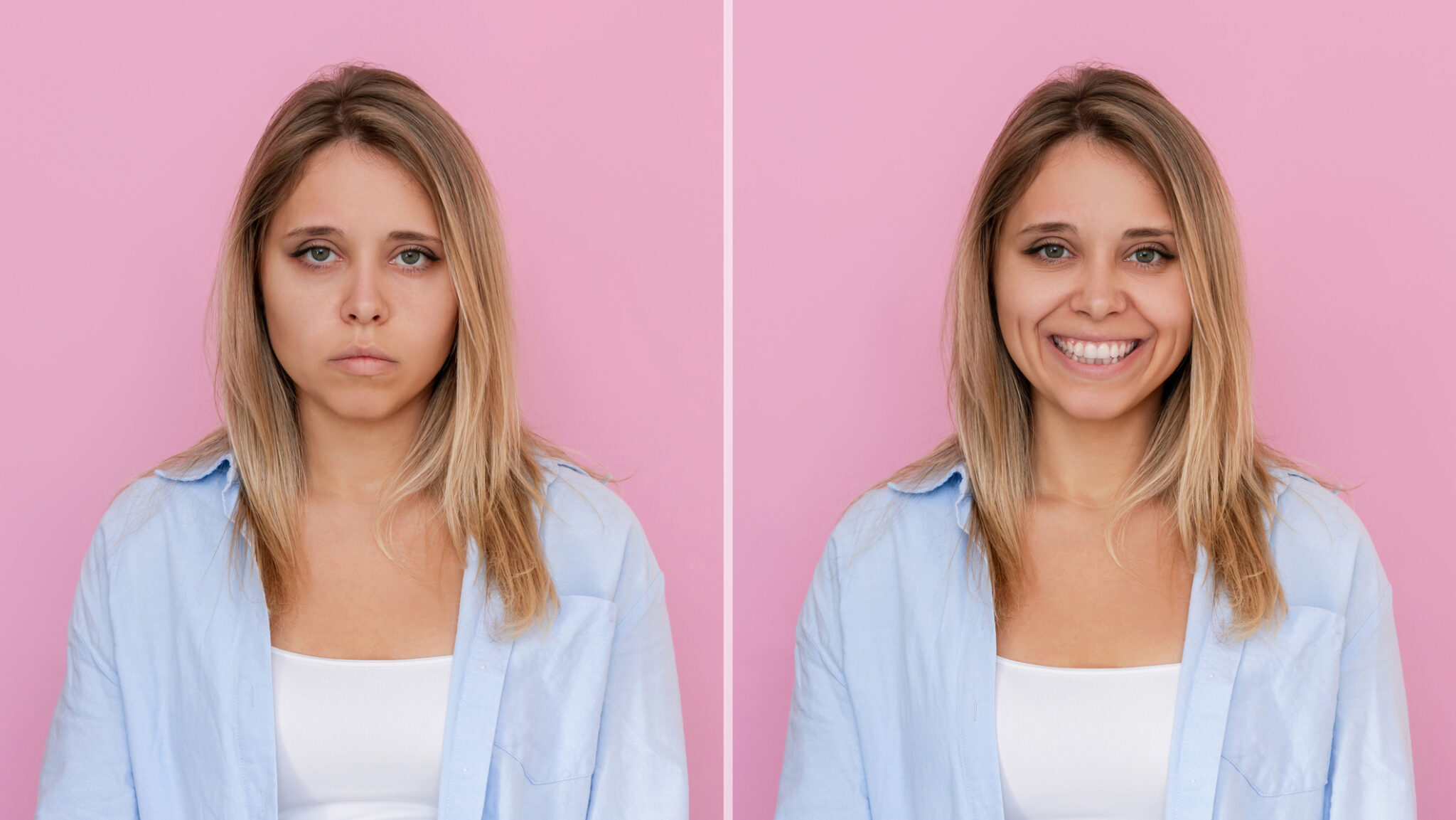
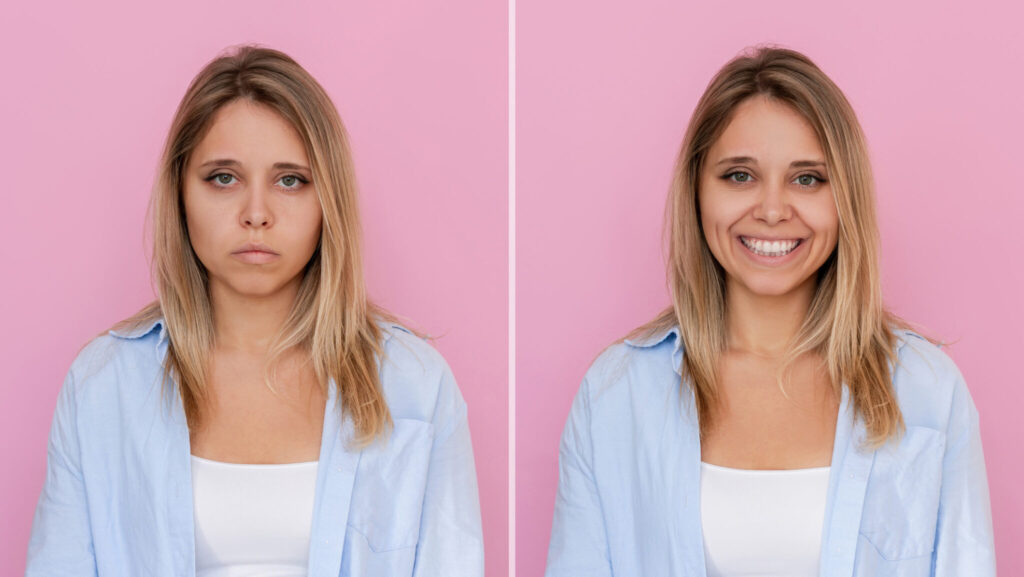
As a dentist, adding before and after photos to your dental website makes complete sense. You want patients to see what’s possible. You want them to look at your work and think “That’s amazing, I want that.”
And naturally, you take the kind of photos that show off the actual work. Detailed close-ups of the teeth. Clear intraoral shots that capture the craftsmanship, the margins, the transformation. The kind of photos you see on most dental websites.
Other dentists go a different route. Full-face before and after, where you see the patient’s whole face, their smile, the full picture of what changed. A lot of dentists feel strongly that this approach is better.
So which one do patients actually prefer? And which one is a mistake that turns patients away?
What patients think about dental photography
So we decided to actually put it to the test. We set up a user research study and recruited participants from North America, ages 30 to 65. All of them had visited a dentist at some point in their life.
We gave them one simple scenario: you have a missing tooth, you’re considering dental implants, and you want to learn more about the procedure and maybe book a consultation.
Then we showed them two websites. One had intraoral close-ups. And one had full-face before and after photos. We asked them one question: which website makes you actually want to book an appointment?
Click here to see what they had to say.
Related: Social media trends among Canadian dental patients
Related: Dental SEO is not a switch — It’s a reputation score
The problem with clinical photos
As you saw in the video, patients don’t respond well to clinical close-ups. And it’s not hard to understand why once you think about it from their perspective.
As a dentist, you look at a detailed intraoral shot and you see craftsmanship. You see precision and results that took years of training to deliver. But patients don’t see any of that. To most of them, extreme close-ups of teeth and gums just look uncomfortable.
Patients process images emotionally, not technically. When they land on a dental website and the first thing they see is a retracted, zoomed-in shot of someone’s mouth, they don’t think “wow, great work.” They feel uneasy. And that feeling is enough to make them leave.
What actually works for before and after
The version that won, by a clear margin, was the one with full-face before and after photos. And watching people react to them in our study was pretty telling.
Their reaction was that of surprise: “Wow, what a transformation.” You could see it in their face. They were genuinely surprised by how good the person looked in the after photo. That’s a real reaction you just don’t get from a close-up of someone’s teeth.
And that’s kind of the whole point. We’re used to looking at faces. We read them automatically, we notice expressions, we notice when someone looks happy and confident. So when a patient sees a full-face before and after, they get it instantly. They see where that person was and where they are now. And naturally, they start thinking about whether that could be possible for them too.
One participant in our study put it really well. They said that with full-face photos you don’t see the procedure, you see the person. And how much better they look after. That’s the difference. And that’s what actually makes someone want to book an appointment.
What you actually need for good dental photography
Here’s the good news: you don’t necessarily need expensive equipment. A modern smartphone is more than capable of handling dental photography for patient-facing content. What matters much more than the camera is your setup.
Lighting is everything. It accounts for about 80 percent of how good or bad a photo looks. A simple ring light or softbox, positioned at face height close to the camera, makes a massive difference. It creates even, soft light across the face, makes teeth look natural, and removes harsh shadows under the nose and lips.
Use a clean, solid background. White, grey, black, or light blue all work well. The point is to keep attention on the patient, not what’s behind them. Dental chairs, equipment, and posters in the background immediately shift the vibe from “transformation” to “treatment room.”
Frame the shot correctly. Include the head and the top of the shoulders. Keep the camera at eye level with the patient. Ask for a natural, relaxed smile rather than a forced “show me your teeth” expression. A genuine smile communicates confidence and approachability, which is exactly what future patients want to see in someone who has already been through the process.
Be consistent. Same background, same lighting, same framing, every single time. When patients scroll through a gallery and everything matches except the patients themselves, it creates a polished, premium impression. It signals that this is a practice that pays attention to detail.
Conclusion
Before and after photos are just one piece of the puzzle when it comes to your dental website. A lot of dentists want to know which other design features actually make a difference. Should you add video testimonials? What about FAQs? Should you display your Google Reviews star rating?
We’ve actually tested all of these and more with real patients using the same user research approach we used for this study. And the results aren’t always what you’d expect. If you want to see what we found, we put everything together in a full breakdown of dental website design features that actually influence whether a patient decides to book or not.
About the author:

Adrian Clocusneanu is the Marketing Manager at RevUp Dental, where he leads the company’s marketing department. RevUp Dental is a dental marketing agency that brings proven systems from top-performing practices across North America.