
Clinical competency or redundant barrier?
I graduated from an accredited post-secondary dental hygiene program in Ontario in 2006. Like many students entering a regulated health profession, I recall the persistent pressure to meet rigorous academic and clinical standards. The expectation was clear: only those who demonstrated both theoretical knowledge and clinical proficiency would advance.
Today, as a clinical instructor at one of Ontario’s leading post-secondary institutions and a practicing dental hygienist with 20 years of experience, I have observed significant changes in the educational and regulatory landscape. Currently in Ontario, dental hygienists must graduate from a program accredited by the Commission on Dental Accreditation of Canada. There are 18 accredited colleges across the province offering such programs. In addition to completing an accredited program, graduates must pass a national written examination administered by the Federation of Dental Hygiene Regulators of Canada in order to become licensed.
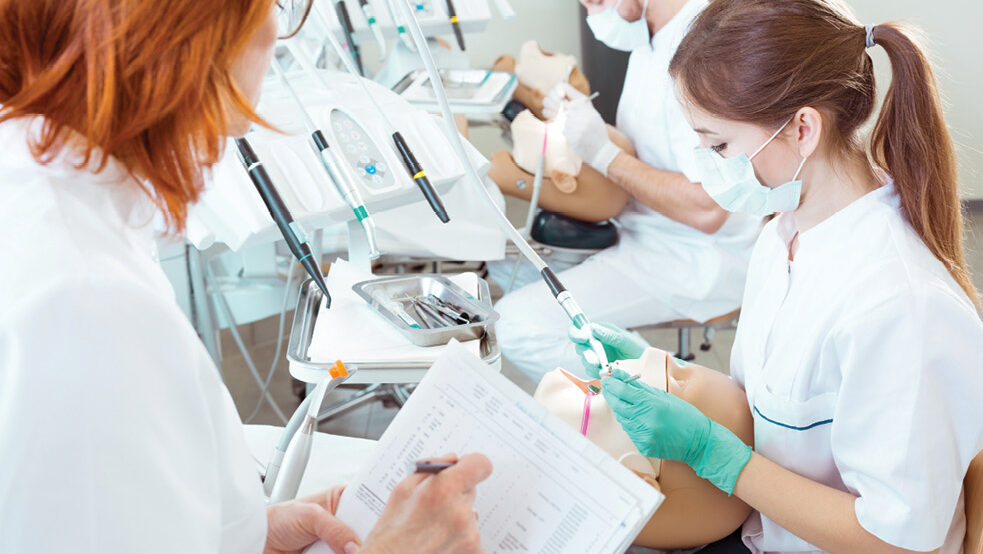
While academic standards remain firmly in place, Ontario no longer requires a standardized external clinical skills examination for licensure. Historically, this was not always the case. Graduates of non-accredited institutions were required to successfully complete both a written examination and a clinical competency assessment known as the Canadian Performance Exam in Dental Hygiene (CPEDH). The CPEDH was a two-day, performance-based evaluation that assessed candidates in both simulated and live clinical settings. Candidates who were unsuccessful could retake the examination within a two-year period; however, after four unsuccessful attempts, they were no longer eligible to sit for the exam.
Related article: Dalhousie University renames dental hygiene programs, adds Honours degree
The removal of a standardized clinical competency examination raises an important question: Is academic evaluation alone sufficient to ensure readiness for independent clinical practice?
As a clinician who has trained and mentored new hires across multiple practices, I have observed variability in clinical preparedness among graduates. While many enter the profession highly capable, others require substantial additional guidance to meet expected standards of care. This observation prompts a broader professional discussion about consistency, accountability, and public protection.
Dental hygienists are regulated health professionals who perform invasive procedures and play a critical role in both oral and systemic health. Given this responsibility, it is reasonable to ask whether a standardized, objective clinical skills assessment should complement academic and written evaluations prior to licensure.
Some may argue that clinical competencies are thoroughly assessed within educational institutions. However, this raises additional considerations: Should there be greater standardization in how clinical competency is evaluated across programs? Should those assessing student performance be required to maintain active clinical practice to ensure evaluations reflect current standards of care?
This discussion is not about increasing barriers unnecessarily, but about safeguarding public trust and strengthening professional standards. As a profession, we must continually evaluate whether our licensure processes adequately reflect the complexity and responsibility of contemporary dental hygiene practice.
Re-examining the role of a standardized clinical skills assessment may be one avenue toward reinforcing excellence, accountability, and consistency across the profession.
This is not a conclusion, but an invitation for thoughtful dialogue among educators, regulators, clinicians, and the public.
 About the author

Jenny brings over 20 years of clinical experience and a proven track record of elevating dental hygiene programs. A graduate of the Dental Hygiene program (President’s Honour Roll, 2006), she has served as a Clinical Instructor at Fanshawe College and held executive leadership as Hygiene President for a multi-practice organization. Jenny has trained and mentored more than 70 hygienists, implemented comprehensive periodontal programs, and standardized clinical protocols that drive both clinical excellence and team accountability. She is known for her bold leadership, passion for education, and commitment to advancing the dental hygiene profession.