Two Common Muscle Imbalances That Can Be Seen in Dental Professionals

That really hurts alternate text for this image

Musculoskeletal disorders are unfortunately affecting many dental professionals. A recent systematic review shows the prevalence of general musculoskeletal pain ranging from 64%–93%.⁵ This issue happens as a result of the awkward positions that are held for 6-8 hours during a typical workday. Additionally, there are several other risk factors that come with working in the … Read more

The Real Cost of Dentistry

oral-health-january-2023 alternate text for this image

When I returned from my first trip over seas since 2019, I realized the true price of what we do for a living. After spending ten days in Italy drinking wine and travelling through the beautiful countryside, I realized that I was tired from how hard I had been working over the last two and … Read more

Data Driven Dentistry: 2023 Summary

DDD-April-Intromain alternate text for this image

Oral Health is pleased to share the results of our annual Data Driven Dentistry survey! The purpose of the survey was to understand what dental practices are currently doing to thrive, grow and prosper, with a focus on themes of continuing education, the use of dental labs, transition planning and staffing. We will share the … Read more

To Expand or Not to Expand? That is the Question

Sectakof fig 1A alternate text for this image

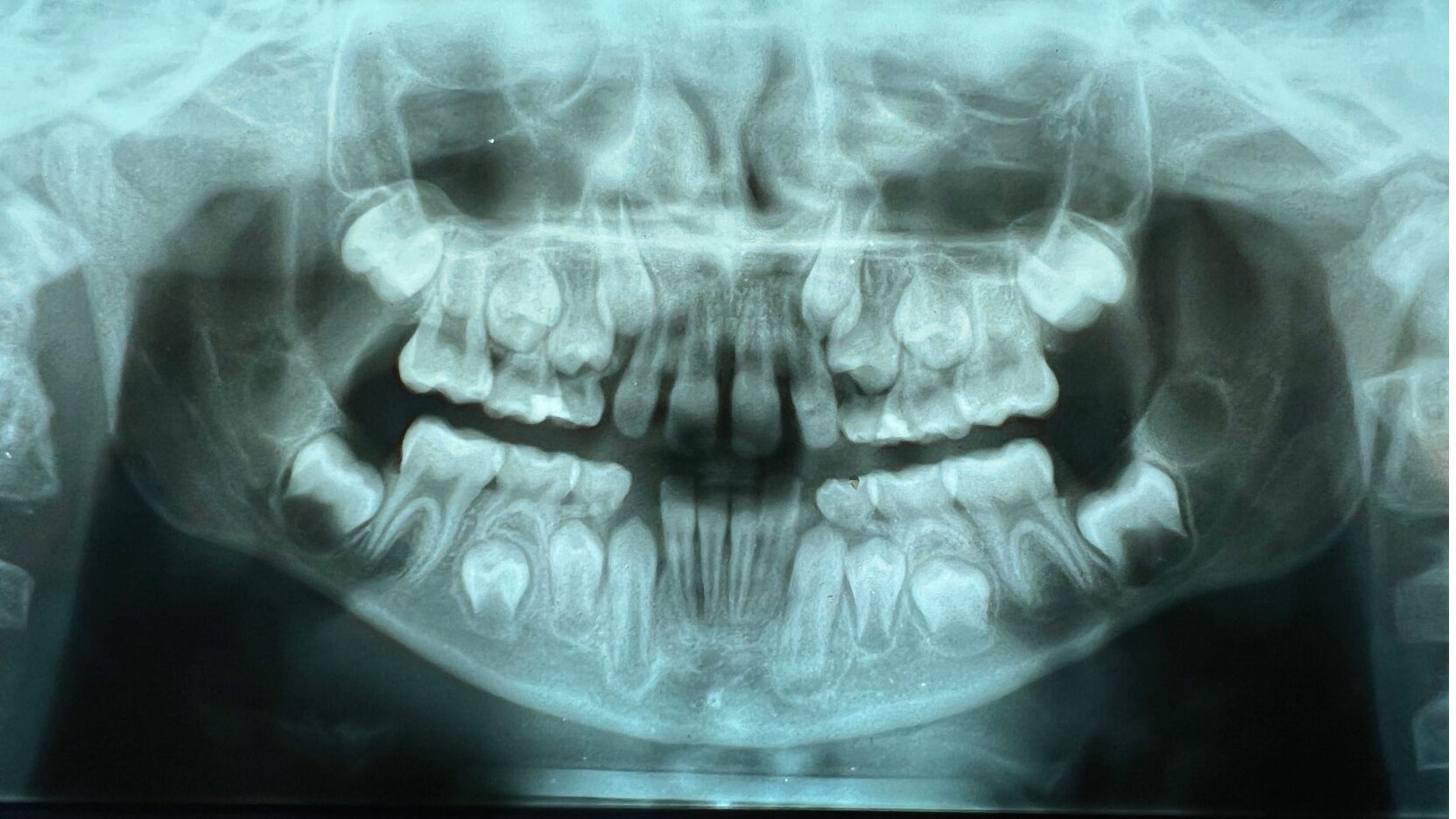
A 9-year-old female patient visited the orthodontic office for an initial consultation. She presented with a Class II malocclusion, crowding, and high/blocked out canines on the panorex. (Fig. 1A) The patient was placed on a reassessment schedule and returned 16 months later. She presented with an improved arch form that resulted in decreased crowding. A … Read more

The Role of the Parent in the Treatment of the Pediatric Patient

Figure 4 alternate text for this image

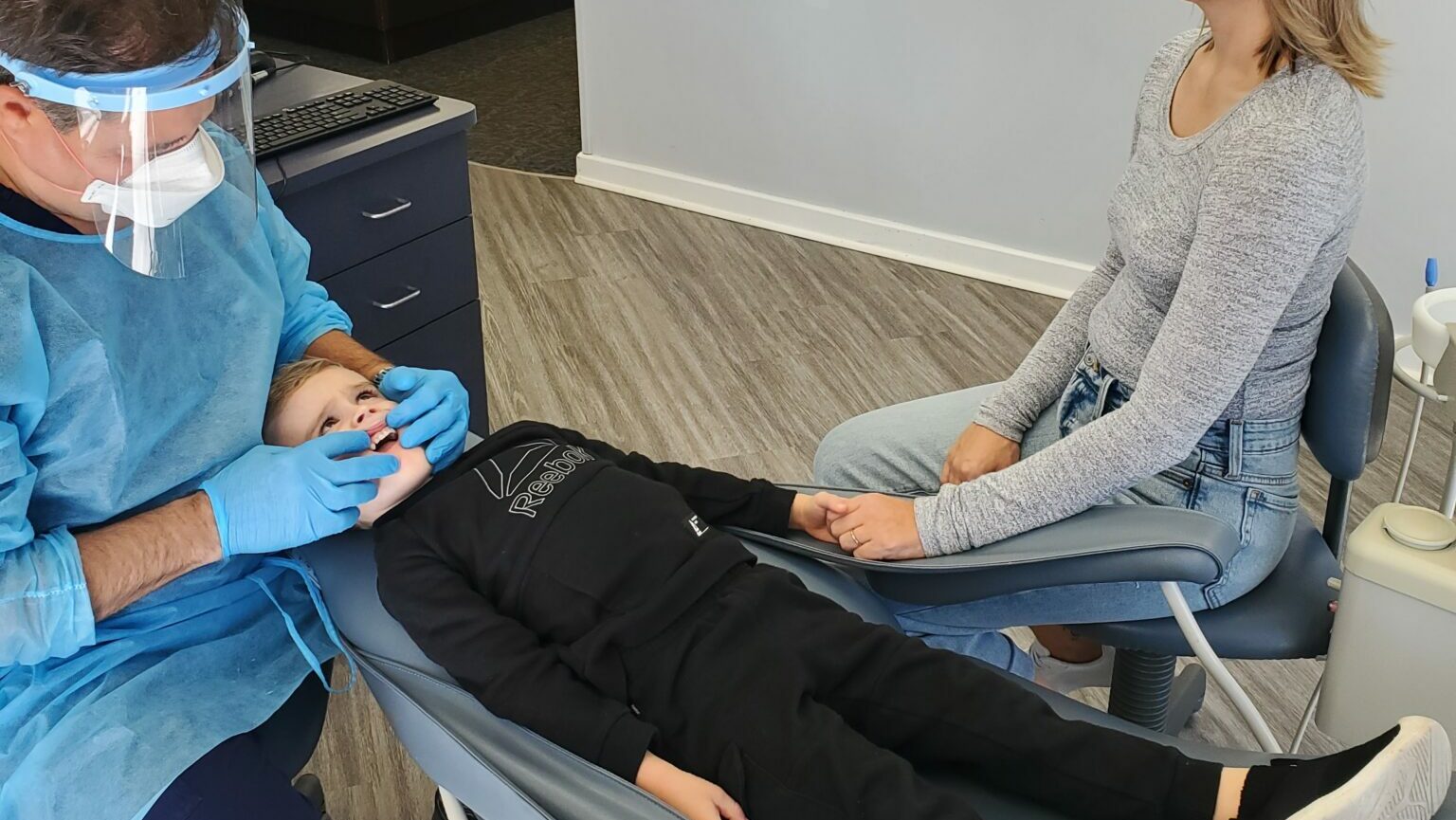
We are all aware that treating children in our dental practice can be extremely challenging. Whether it be their inability to sit long enough to complete their dental treatment or their anticipation or generalized anxiety, these factors and many more add to the difficulty in treating our pediatric patients. Not only is the experience difficult … Read more

Endodontic Retreatment of Tooth #11 with Dens Invaginatus: A Case Report

Lewis fig 2 alternate text for this image

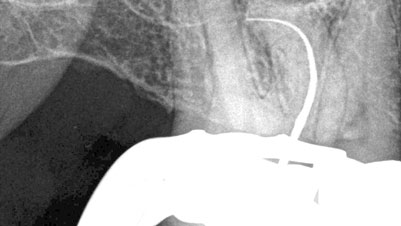
Dens invaginatus, also known as dens in dente, is an embryological anomaly that occurs during tooth formation. The condition results in invagination of the amelodental structure within the pulp that can look like a ‘tooth within a tooth’ on radiographic evaluation, hence the nomenclature.1 The reported prevalence of adult teeth affected with dens invaginatus is … Read more

Esthetic Management of Patient with Orofacial Granulomatosis

Dab-thumbnail alternate text for this image

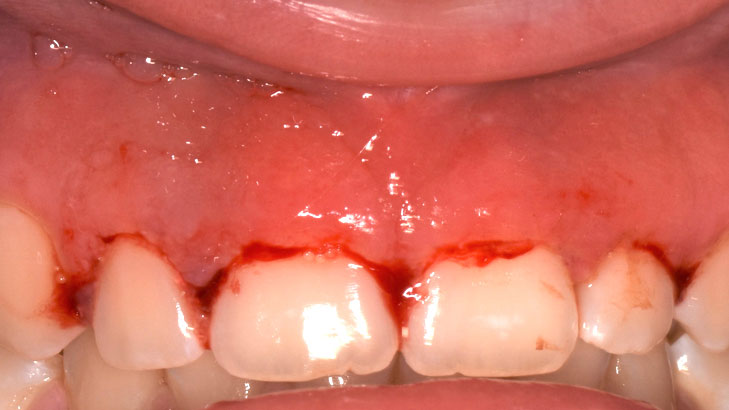
Abstract Orofacial granulomatosis (OFG) is a chronic inflammatory condition with unclear etiopathogenesis that presents with recurrent and/or persistent swelling in the orofacial region. This article describes a case of 14-year-old female with a chief complaint of recurrent swelling of the lips, hyperplastic maxillary anterior gingivae, angular cheilitis, and painful linear ulcerations. The lesion was biopsied, … Read more

Complex-compound Odontoma: A Case Report

Unknown-5 alternate text for this image

Odontomas represent the most common odontogenic tumor, with a prevalence that exceeds that of all other odontogenic tumors combined.1 The designation of odontoma as a tumor is misleading; the entity is in fact a hamartoma with limited growth potential. Growth of the lesion ceases following maturation of the lesional tissues.2,3 Odontomas arise from both odontogenic … Read more

The Ultimate Look: ‘It’s Not One Thing, It’s Everything’

West-Fig-3d alternate text for this image

INTRODUCTION Can you feel it? We all feel the stress of doing our next endodontic treatment to one extent or another. Why is that?Stress is present because endodontics is the only dental discipline where we “do it in the dark,” and doing dentistry blind is stressful for any dentist. After entering an endodontic root canal … Read more

Are They Satisfied? Patient Satisfaction Surveys are Important!

patient-satisfaction-survey-oho alternate text for this image

Patient experience is the most important part of any healthcare business. An excellent experience doesn’t just mean that you are likely to retain a patient – it can also help you to attract more patients through word of mouth. As well as this, all healthcare professionals strive to give the best treatment, and a patient’s … Read more

Planning for Retirement: Part 2 of 3

retirement-part-2-oho alternate text for this image

Two, Four, Six, Eight! Maximize and Appreciate! This article is the second in a three-part series that reviews some of the major considerations in preparing for practice ownership transition and comprehensive retirement planning. In the previous article, we discussed the two most common ways in which a dental practice is sold and four ways to … Read more

Understanding the Implications of the New Federal Dental Subsidy Program

dental subsidy program alternate text for this image

The new Liberal-NDP agreement suggests implementing a national dental care program for low-income Canadians. Such a program could result in the most considerable augmentation of the nation’s public healthcare system in decades. The new “supply-and-confidence” agreement between the Liberals and NDP incorporates a commitment to implementing a sustainable dentistry program. Instead of acting solely on … Read more

Profit and Loss / Where Do You Stand?

Blue and red arrows alternate text for this image

Practice overhead is one of the most critical metrics to track. What is your net profit? Where should it be? How you get this number is what truly matters. General practices should be at a net profit of 40% (higher is possible), yet reports show dentists are lucky to see 30% net profit these days. … Read more

Office Space: Loft 32 Dentistry

OS_Above Text alternate text for this image

THE WHY: Owner’s Story Dr. Elena Kalmantis is the proud owner and principal dentist of Loft 32 Dentistry. Her practice is strategically situated in the quaint nature-inspired town of LaSalle, a beautiful bedroom community next to the City of Windsor, Ontario. Upon graduating from Western University in 2012, she practiced as an associate for 9 … Read more

What Can Go Wrong vs. The Concept of Recovery

recovery-oho alternate text for this image

When I speak about preservation planning, I often hear, “Paul, tell me what can go wrong. What could possibly be my critical event? I am financially secure, in good health and insured for negligent acts. Preservation planning is not on my radar.” That’s a tough question to answer; we do not have a crystal ball … Read more

The Rights and Responsibilities of Dental Patients

All smiles after a good checkup alternate text for this image

Because of the special relationship that exists between a healthcare provider and a patient, dental practices must be dedicated to the well-being of their patients. The duty of healthcare providers obligates the entire dental office team to treat patients with dignity. Unlike the transactional relationships that may exist in non-healthcare retail sectors, clinicians and team … Read more

Frequent Swimmer? Your Oral Health May be Grimmer

swimmer

A few months ago, a patient of mine sat down and proudly informed me she had “swimmer’s mouth.” It was the first time I had ever heard that term, but having only been practicing dental hygiene for 3 years, I assumed it was something I had perhaps missed while in school. Upon further inquiry, I … Read more

Simple Strategies for Accommodating Neurodiverse Children in the Dental Setting

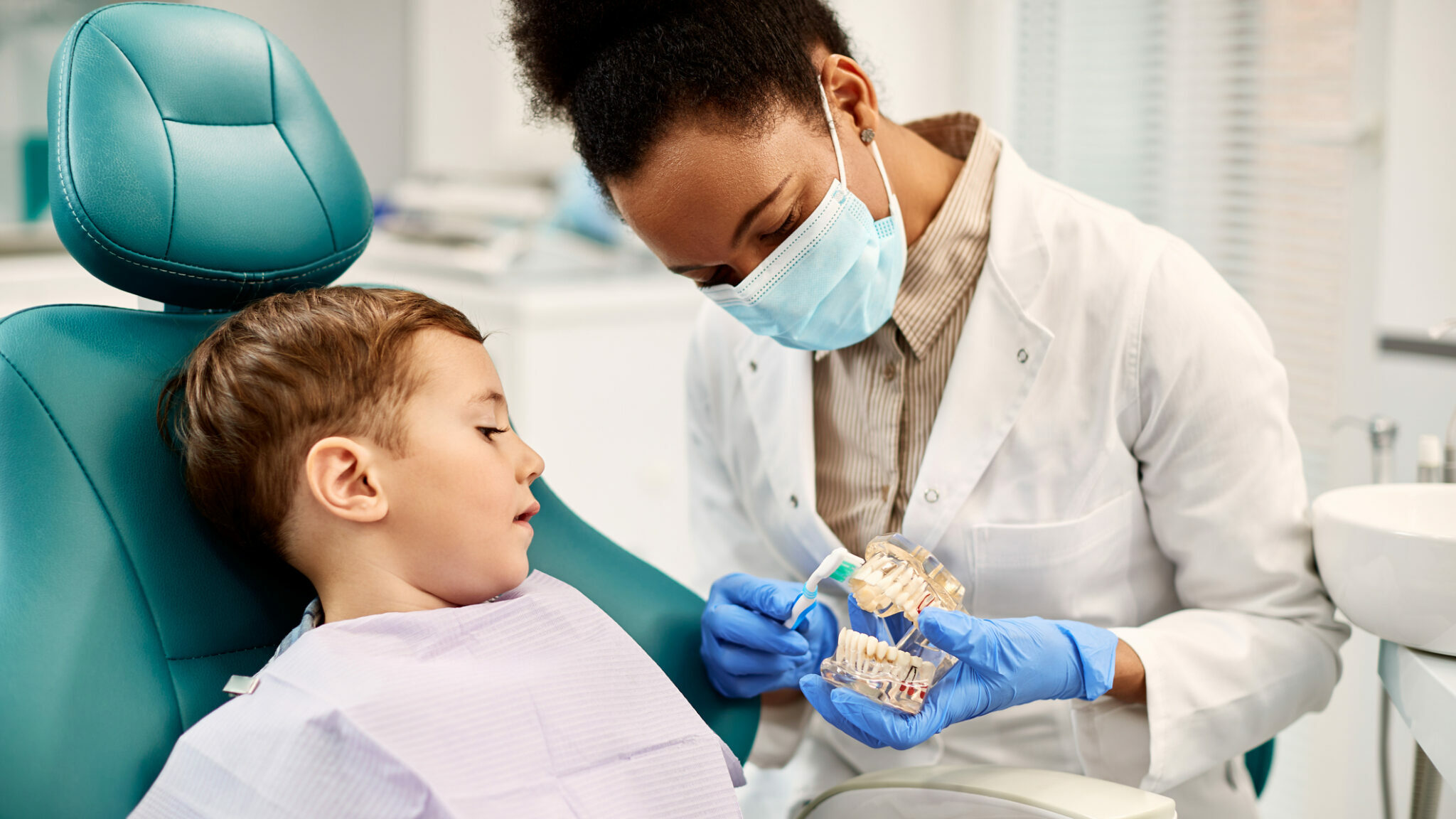
African American dentist teaching small boy how to brush teeth properly during dental appointment. alternate text for this image

Wikipedia defines neurodiversity, neurodivergence, or neurovariance as “Variations in the human brain and cognition, for instance in sociability, learning, attention, mood and other mental functions.”1 The term was first coined in the 1990’s by sociologist Judy Singer and tended to be used when discussing autism spectrum disorder and attention hyperactivity disorder within the self-advocacy movement. … Read more