Letters To The Editor

Re: We Can Only be the Best by Doing Our Best, With the Best, Louis Malcmacher, DDS, November, 2011 I read with interest Dr. Malcmacher’s excellent article on new technologies that make us more efficient while maintaining quality in our practice. I was especially intrigued by the DentalVibe (Bing Innovation) that Dr. Malcmacher described. Forty-five … Read more
DENTAL INTERNET DIRECTORY LISTINGS

ASSOCIATIONS ASSOCIATION OF DENTAL ECHNOLOGISTS OF ONTARIOThe official voice of Registered Dental Technologists in Ontariowww.ADTO.org CANADIAN DENTAL PROTECTIVE ASSOCIATIONBecause bad things happen to good dentists.www.cdpa.com ONTARIO ACADEMY OF GENERAL DENTISTRYQuality of care through life long learning.www.ontarioagd.org TORONTO ACADEMY OF DENTISTRYToronto Meetings Calendar, CE, Winter Clinic, Society Listings, etc.www.tordent.com CONTINUING EDUCATION FACULTÉ OF ORTHODONTIC RESEARCH & … Read more

Crown & Bridge Study Club

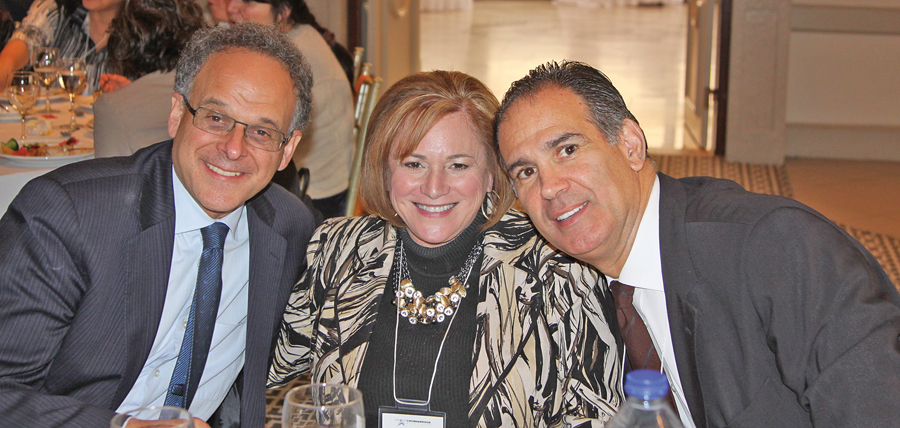
Dr. Elliot Mechanic, Melissa Summerfield & Dr. Jordan Soll

On Friday, December 2nd, attendees at the Crown & Bridge meeting in Toronto were treated to an informative and entertaining all day session, with Dr. Elliot Mechanic. His presentation was entitled “Artistic Smile Design: Building the Restorative Dental Practice” and the over 400 attendees had the opportunity to learn from this leading clinician in a … Read more

Oral Health through Life’s Stages

Dr. Fay Goldstep sits on the Oral Health Editorial Board (Healing/Preventive Dentistry), has served on the teaching faculties of the Post-graduate Programs in Esthetic Dentistry at SUNY Buffalo, the universities of Florida (Gainesville) and Minnesota (Minneapolis). She has lectured nationally and internationally on lasers, healing dentistry, innovations in hygiene, dentist health issues and office design. Dr. Goldstep is a consultant to a number of dental companies, and maintains a private practice in Markham, ON, Canada and can be reached at goldstep@epdot.com.

What an exciting time it is to be dentist! What an important part we play in our patients’ lives! We are an essential component of their primary health care team. Many of our patients do not have a physician that they see on a regular basis, yet they visit us every nine, six, or even … Read more

Fluorescence Visualization Devices in General Dentistry: Seeing the Big Picture

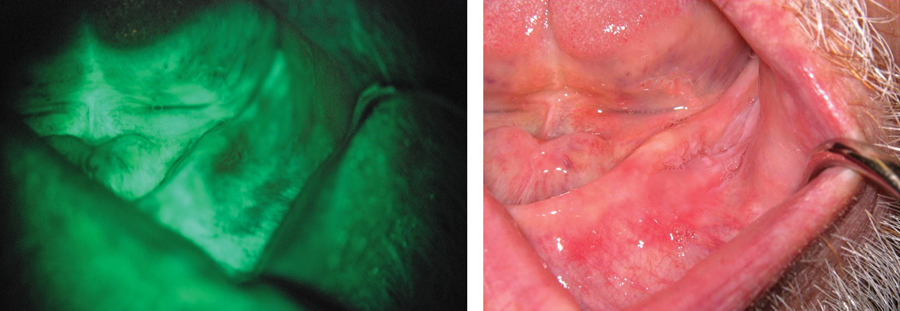
Figure 13. The loss of fluorescence exhibited in proximity to hyperkeratosis on the edentulous ridge was biopsy-confirmed as dysplasia. (Images courtesy of the University of Washington Oral

Dental professionals have been traditionally limited to the use of incandescent light for the visual inspection of the oral cavity. Direct visualization of reflected white light from mucosal surfaces can enable the detection of gross tissue abnormalities, but may fail to identify some early disease processes (such as dysplasia) that have not yet caused changes … Read more

Overcoming the Challenges of Caries Detection using The Canary System

Figure 6.

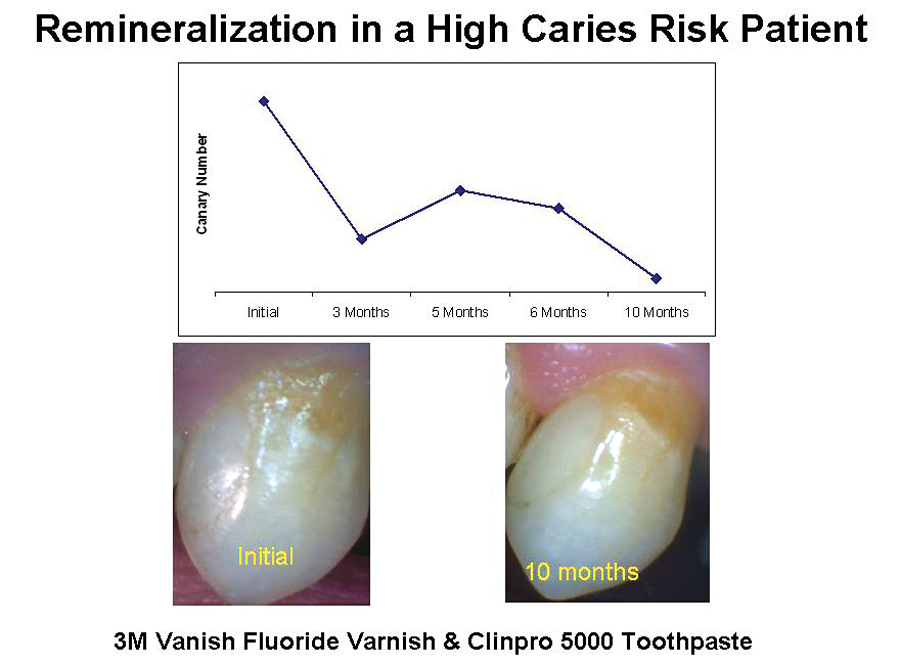
Dental caries is one of the major diseases that we treat in dentistry on a daily basis. The treatment of dental caries is a very common procedure in every dental practice. We have a vast array of techniques for treatment including: direct-placed restorations using materials such as composite resins, glass ionomers and amalgam, indirect-placed restorations … Read more

Dry Mouth: Simplified

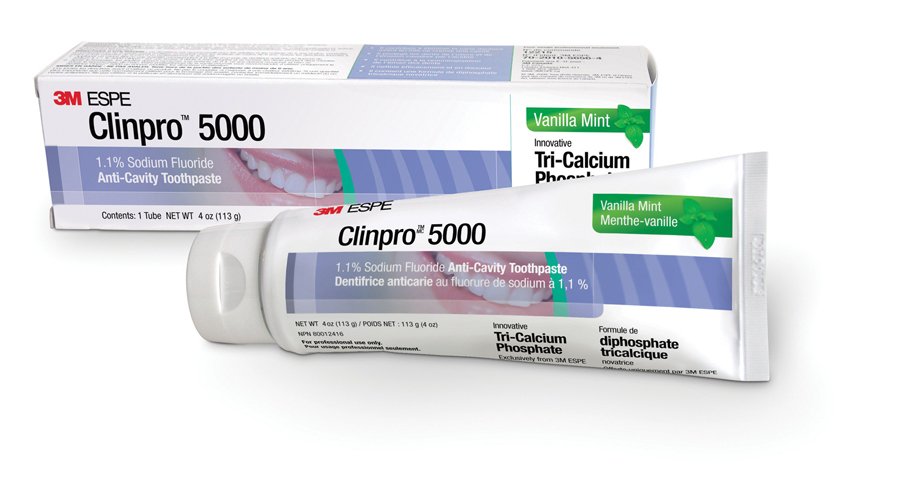
Figure 8. The remineralization product Tri-calcium phosphate is in Clinpro 5000 (3M ESPE).

Xerostomia (xero=dry, stomia= mouth) is defined as the subjective sensation of oral dryness that may or may not be associated with a decrease in the production of saliva.1,2 Saliva is one of those things that is appreciated only in its absence, when the patient perceives a significant negative effect on quality of life.3 Xerostomia is … Read more

Using Bioactive Materials to achieve Proactive Dental Care

Photo 12. Final polish tooth # 12.

Resin bonding of the human dentition has become a “standard” in the United States and Canada. There are well over 80 different bonding systems on the market today. We have seen them evolve through multiple generations in an attempt to “simplify” the bonding process. But as these agents have simplified, many in our profession have … Read more

Preparations In Composite Resin Part I: Principles And Instrumentation For Class V, Cusp Tips, And Incisal Attrition

Figure 39. Typical sextant of incisal and inciso-lingual restorations, 5 years post-op. 37% Liquid Phosphoric acid etch 15 seconds, Danville Microprime B, Kuraray Photobond, Tokuyama Estelite Sigma A3.

PREPARATION DESIGN FOR COMPOSITIESThe definitive textbook of composite restoration has yet to be written. Preparation designs are a common starting point in clinical technique before other complex variables such as resin, placement, shrinkage, and cure are encountered. This article explores principles, designs and instrumentation revised for composite resin Class V preparations, and new preparations to … Read more

Dental Internet Directory

ASSOCIATIONS ASSOCIATION OF DENTAL TECHNOLOGISTS OF ONTARIO The official voice of Registered Dental Technologists in Ontariowww.ADTO.org CANADIAN DENTAL PROTECTIVE ASSOCIATION Because bad things happen to good dentists.www.cdpa.com ONTARIO ACADEMY OF GENERAL DENTISTRYntistryQuality of care through life long learning.www.ontarioagd.org TORONTO ACADEMY OF DENTISTRYToronto Meetings Calendar, CE, Winter Clinic, Society Listings, etc.www.tordent.com CONTINUING EDUCATION  FACILIT É OF ORTHODONTIC RESEARCH & CONT. ED. Lectures … Read more

No-Prep Veneers: Enhancing the Natural Tooth

Figure 50

As we all know, preparation design can make or break a case. With proper planning and prep design we can create stunning esthetics with depth and vitality. Without proper planning and prep design the best we can do is usually an over-contoured, manufactured looking restoration. The same can be said about no-prep dentistry, although we … Read more

Neck Pain: A Scientific Look at the Dentist’s Neck!

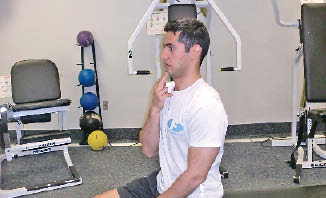
Chin Tucks

In the February 2009 issue of Oral Health the common musculoskeletal disorders (MSK disorders) that dentists face were outlined; specifically, the impacts MSK disorders have on professional performance and longevity as well as the implications leading to a decreased quality of life. Later on that year in September the discussion deepened by looking at the … Read more

Entrepreneurism and Dentistry

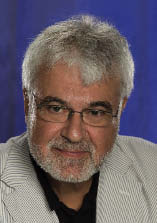
Bruce Glazer is the communication editor and a dental advisor for the Canadian Dental Protective Association (CDPA) and the Prosthodontic Editor for Oral Health.

The word ‘entrepreneur’ came into vogue in the 1980s and has now come to mean a person who organizes and operates a business or businesses, taking on greater than normal financial risks in order to do so. Entre­preneurism is an uncertain endeavor as the odds for success are not favourable. Thus, according to this definition, … Read more

Self learning, Self assessment 2011

2011 is the final year of the SLSA program in Oral Health. The 8-question quiz appears here. Because the program is half its usual length, provincial licensing authorities may alter the allocation of CE credits. Unlike previous years, SLSA will not be involved in processing the results or forwarding names of participants to the provincial … Read more

Radiographic Journey Through Implant Treatment

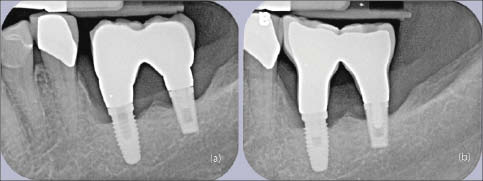
Figure 16. (a) This cemented two-unit fixed prosthesis (splinted crowns) 36-37 was clinically mobile. A slight gap is present between the abutments and the implant platforms especially at the implant 37. Note the "absence" of the abutment screw within the implant 36. This observation is important because it implies that this fixed prosthesis may be removed by accessing the distal abutment screw only. This cemented prosthesis had to be cut off and a new screw-retained fixed prosthesis was fabricated as part of an overall treatment plan. (b) The new two-unit screw-retained fixed prosthesis. Note the presence of both abutment screws as well as the depth of their positions within the implants (screw chambers). In particular, note that depth of abutment screw position within the implant screw chamber of implant 37 between the old loose prosthesis (a) and the new one (b).

INTRODUCTIONExcellent theoretical knowledge and clinical skills provide a firm foundation for success in implant dentistry. However, inability to see “inside” the tissues and the prosthetic replacements may hamper the ability to deliver optimum treatment outcomes. Radiographic prescription is often needed to provide a more complete picture of the current clinical situation and to guide further … Read more

Pipelines for Halitosis

WHAT IS IT? Halitosis or bad breath, oral malodor, foetor oris, or foetor ex ore, refers to the sense of an unpleasant smell in someone’s breath. Halitosis is not necessarily a disease but a sign indicating that something may be wrong in the body. Equally so it could be physiological or caused by poor oral hygiene. … Read more

A Microsurgical Approach for the Regeneration of Osseous Defects

Figure 18.

INTRODUCTIONA major issue for the near future is the growing incidence of peri-implant osteitis (Fig. 1). Depending on the study, between 25-53% of patients with implants in Europe have peri-implant osteitis.1 It is not surprising that patients that did not take care of their natural teeth do not take better care of their implants. The … Read more