Steam Sterilization: It’s in the Bag!

Steam Sterilization

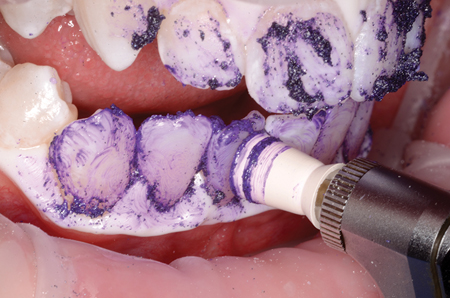
The question, “paper or plastic” takes on an entirely new meaning when related to instrument sterilization in the dental office. Classified as a medical device, there are stringent criteria for manufacturing of sterilization packaging. Quality sterilization pouches, usually constructed of paper and plastic, are a key component of any sterility assurance protocol. The goal of … Read more

Editorial: Doctor, Doctor… Teach Me, Teach Me

Steam Sterilization

US-based The Pew Research Group has a special unit following oral healthcare. Recently, it released a blog on three issues facing Americans (yes, it translates to us) oral healthcare: affordability, affordability, affordability. Dental care is one of the most unmet healthcare needs in the United States. Lack of insurance coverage and access to providers, even … Read more

The Fine Line Between Business and Science

at-the-root alternate text for this image

Congratulations for lunching AT THE ROOT in your January 2017 edition! The column promises to maintain and enhance Oral Health relevance. Over the years, the journal has maintained an effective balance between the business and the scientific sides of dentistry. The January 2017 editorial by Drs. Titley and Sigal is a fine example of scientific … Read more

Ludwig’s Angina – A Case Report

sham-fig-3a alternate text for this image

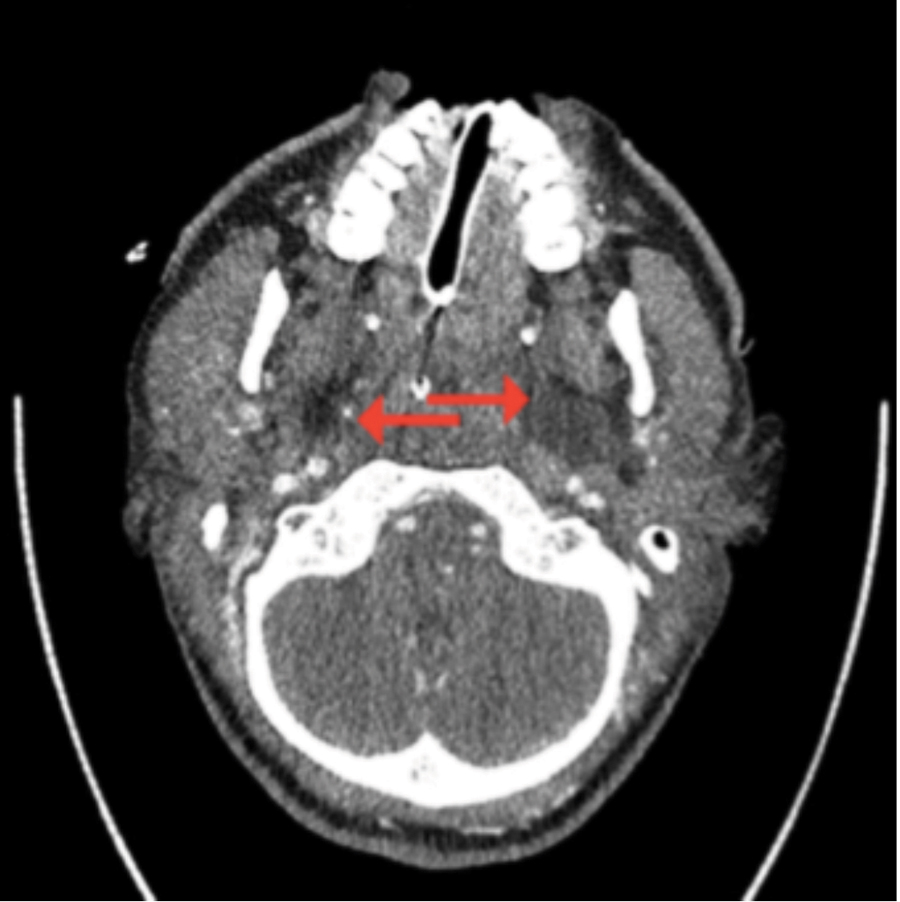
Introduction Ludwig’s angina was first reported by Wilhelm Frederick von Ludwig in 1836. It is a severe and quickly spreading cellulitis characterized by significant involvement of the submandibular, sublingual and occasionally submental space. This condition is potentially fatal if not treated aggressively and promptly due to the cellulitis leading to airway compromise. 1,2 Prior to … Read more

Safety of Dental Anaesthesia – A Short Literature Review

feb-cover alternate text for this image

Caleb Sears was a healthy six-year-old boy in California that went to his oral surgeon’s office for a routine extraction under general anaesthesia (GA). Unfortunately, Caleb did not survive the procedure. He suffered hypoxic brain damage and he was not able to be resuscitated. Caleb’s death lead to the introduction of Caleb’s Law which was … Read more

Barriers to Deep Sedation and General Anaesthesia in Dentistry

feb-cover alternate text for this image

Dental anaesthesiologists are dental specialists who administer deep sedation or general anaesthesia (DS/GA) to patients in order to facilitate dental treatment. The indications for DS/GA in dentistry are vast and include, but are not limited to: anxiety associated with dental treatment, pre-cooperative age, traumatic or extensive dental procedures, as well as patients with cognitive impairment … Read more

Editorial: The Extinction of the Operator-Anaesthetist?

feb-cover alternate text for this image

Recently the Royal College of Dental Surgeons of Ontario chose to update the Standard of Practice for the Use of Sedation and Anaesthesia in Dental Practice. While this was a semi-scheduled review (the document is revised roughly every five years), the context for this latest revision is different from the others in recent memory. Caleb’s … Read more

Conference Preview: Pacific Dental Conference 2017

pdc-vcc82_kg_0339_4c300-hpr alternate text for this image

The largest dental conference in North America is back this spring. Hosting at the Vancouver Convention Centre in British Columbia, the Pacific Dental Conference will have over 300 exhibiting companies and over 200 opportunities for hands-on courses and lectures. Over 150 sessions will keep you engaged in your area of choice, or allow you to … Read more

At the Root: Happy New Year, 2017 Edition

at-the-root alternate text for this image

As many of you know, Fall, 2011 saw the 100th anniversary of Oral Health, the publication for all practicing dentists in Canada, as well as 3rd and 4th year dental students and dental labs. That first issue was sent to 500 subscribers: it now reaches close to 22,000. It was an immediate success; advertisers and … Read more

White Lesion Eradication Using Resin Infiltration

greenwall-fig-3 alternate text for this image

Introduction Over the last decade it has been noted that there is an increasing incidence of white marks on erupting teeth. Some of this is due to a condition called Molar Incisor Hypoplasia (MIH) where both erupting incisors and first molars have white spots present. The prevalence of MIH has been documented to be in … Read more

Aesthetic Restoration of the Primary Anterior Dentition

OLYMPUS DIGITAL CAMERA alternate text for this image

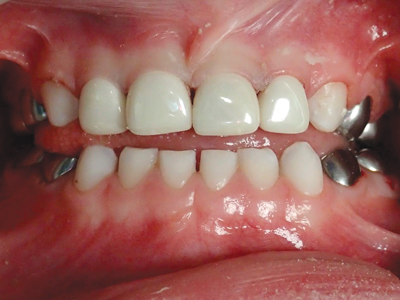
One of the greatest challenges in paediatric dentistry is aesthetic restoration of the primary maxillary dentition. We are faced with both a restorative and behaviour management challenge due to the lack of cooperation often exhibited by young children. These patients often present to the dentist between the ages of two and three with decay on … Read more

Diagnosis and Treatment Planning of Mandibular Crowding in the Mixed Dentition

Mandibular Crowding

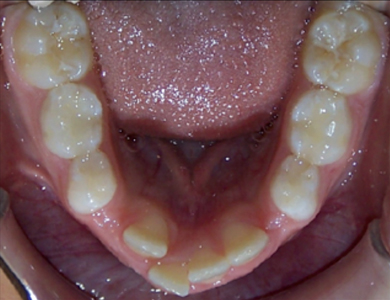
Crowding, or tooth size arch length deficiency, is one of the most common reasons that people seek orthodontic treatment for themselves or their children. As permanent mandibular anterior teeth erupt a primary tooth may become over-retained leading to a double row of “shark teeth”, causing parents a great deal of concern. While this may be … Read more

Editorial: The Stainless Steel Crown Revisited

jan-cover alternate text for this image

Sixteen years ago, Titley and Farkouh (2001) published a paper in this journal entitled “The Stainless Steel Crown – An Underused Restoration in Paediatric Dentistry.” A review of the current literature indicates that stainless steel crowns (SSC’s) continue to be the restoration of choice by paediatric dentists for heavily decayed primary molar teeth. On the … Read more

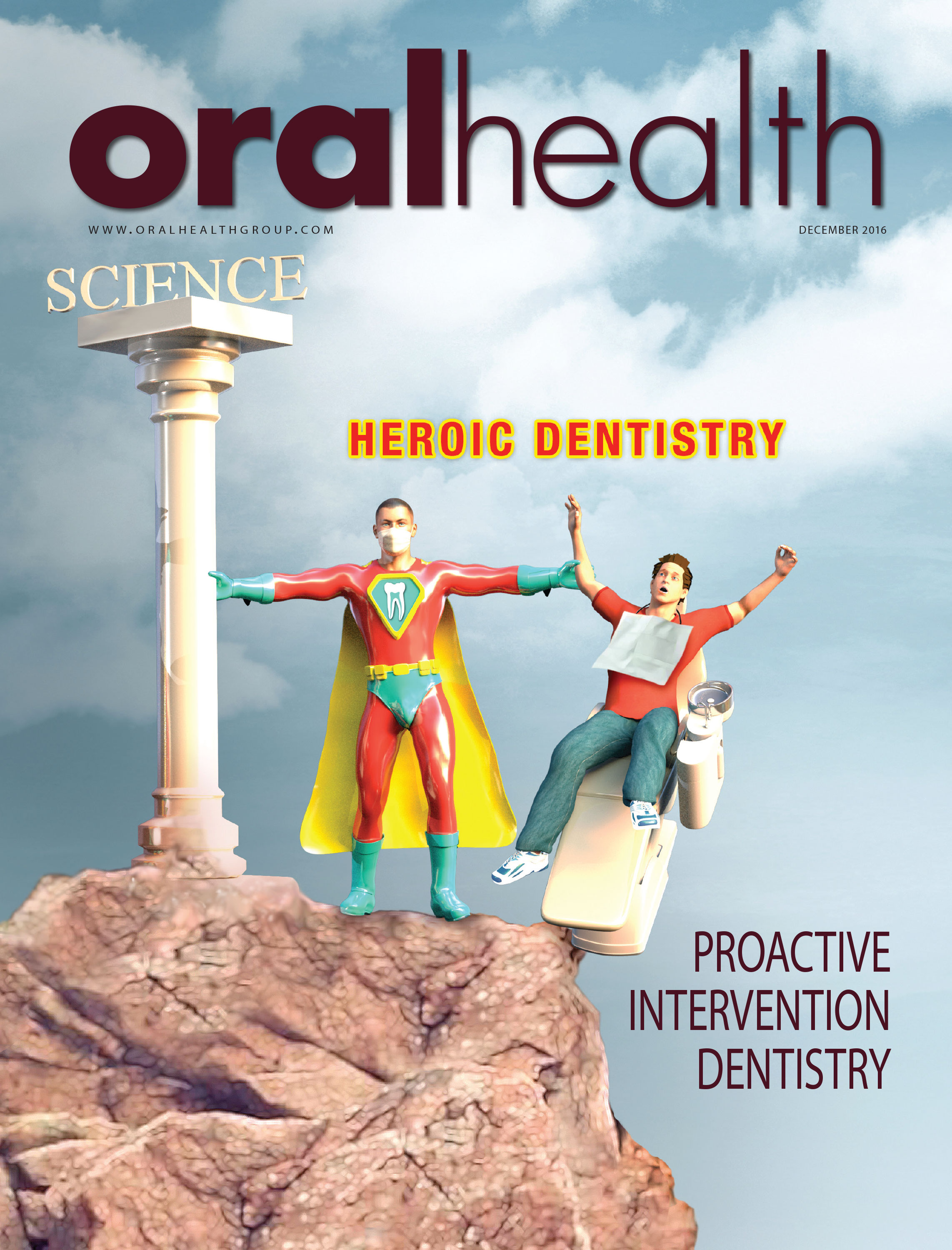
Heroic Dentistry – Courage or Folly?

december-oh-cover alternate text for this image

Every day we come to the rescue of our patients by taking them out of pain, combating the results of an accident, reversing the ravages of time or simply getting them ready for a special day in their lives. We become heroes to our patients. We can do this simply and easily because of the … Read more

Evidence-Based Dentistry: How to Find Answers to Apply in Clinical Practice

clinical-practice-2 alternate text for this image

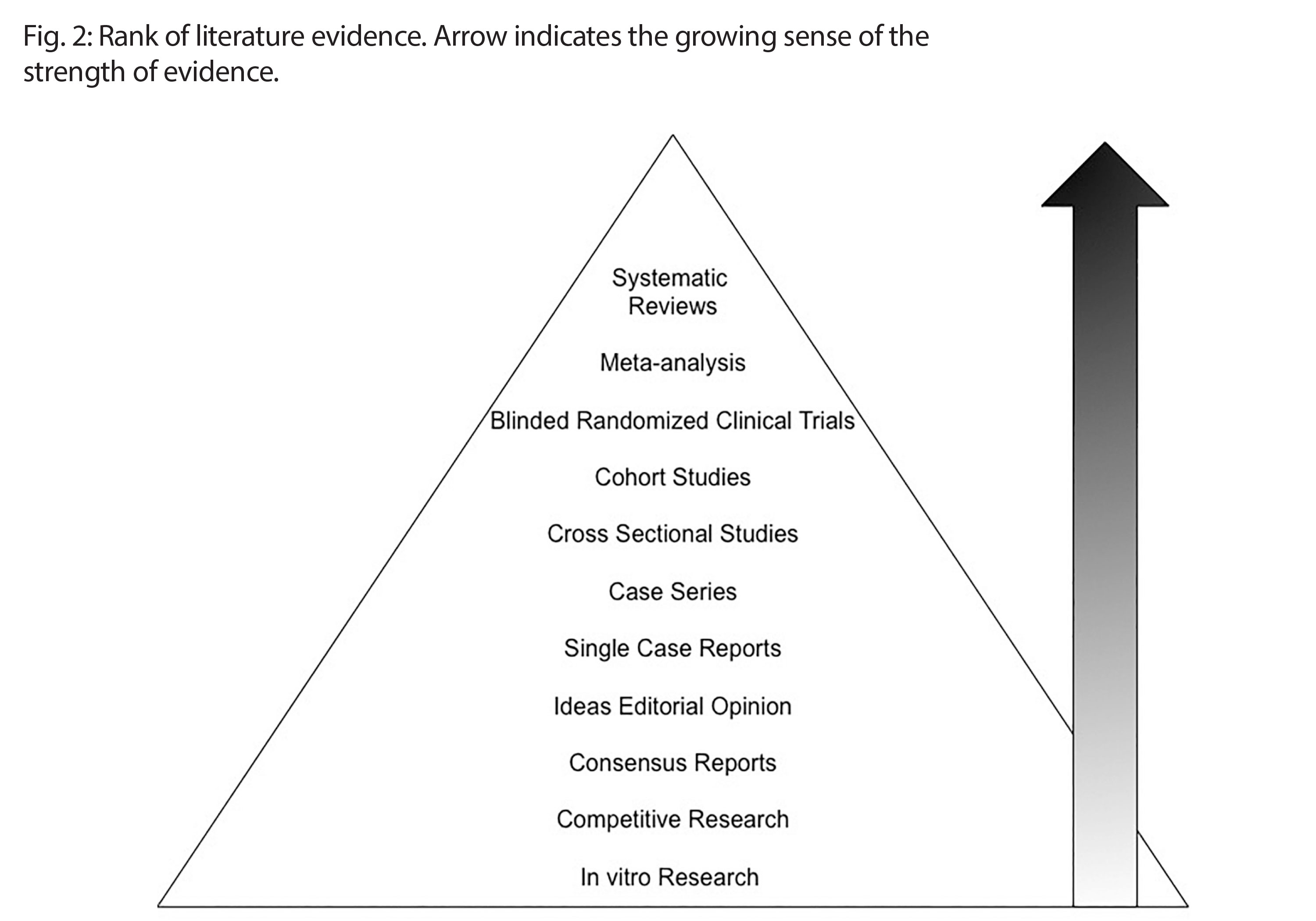
Evidence-Based Medicine Since the 1980s, when McMaster Medical School in Canada termed the process of integrating scientific information into medical practice, Evidence-Based Medicine (EBM), it was formally adapted by the Evidence-Based Medicine Working Group, and a new paradigm for medical practice emerged. 1 Later, other health fields, like oral health care, began incorporating the same … Read more

Heroic Restorative Repairs – A Universal Adhesive

freedman-fig-1 alternate text for this image

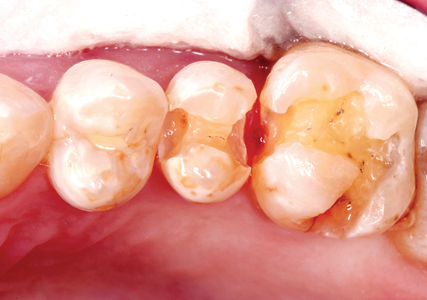
The task of repairing restorations has historically been an unproductive procedure in the dental practice. Dental professionals have learned through extensive personal experience that repairs, whether intra- or extra-oral, have a very poor prognosis. In fact, no matter how carefully the fractured ceramic or composite surface was roughed, cleaned, dried, primed, and bonded, the repair … Read more

Modern Advancements in Pediatric Dentistry

wren-case-1-figure-5 alternate text for this image

Pediatric dentistry has seen considerable improvements in materials and treatment options over the past few years. While other dental specialties have experienced tremendous developments in their materials and methods over the past forty years, pediatric dentistry has seemed to evolve much more slowly. Although we have enjoyed success with the treatments of the past, less invasive … Read more

The Evolution of Glass Ionomer Restorative Materials

ward-figure-15-first-molar-and-second-premolar-excavated alternate text for this image

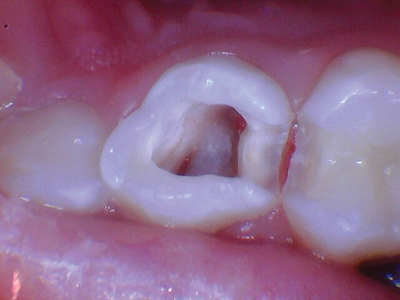
Glass ionomers have enjoyed many firsts in dentistry. They were the first materials designed to resist recurrent decay. They were the first bioactive materials, which release fluoride in an acidic environment and recharge or replace lost fluoride ions when they are re-introduced back into the oral environment. They were the first easy to use bulk-fill … Read more

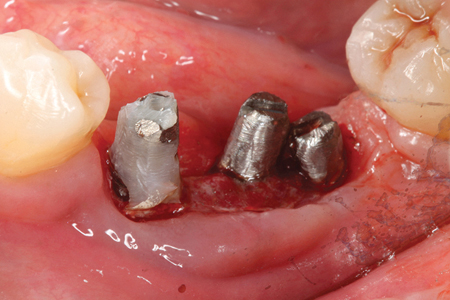
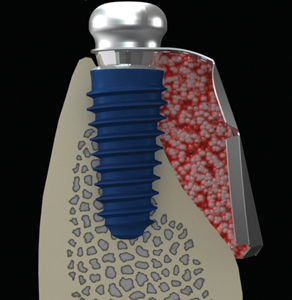
Avoiding Peri-implantitis: Key Factors for Improved Clinical Outcomes

tawil-figure-5 alternate text for this image

Dental implants have emerged as the standard of care for replacing a single tooth in healthy patients. In the US alone more than 35 million Americans are edentulous and 178 million are missing at least one tooth. 1 According to the Levin group it is estimated that the number of dental implants received by patients … Read more