
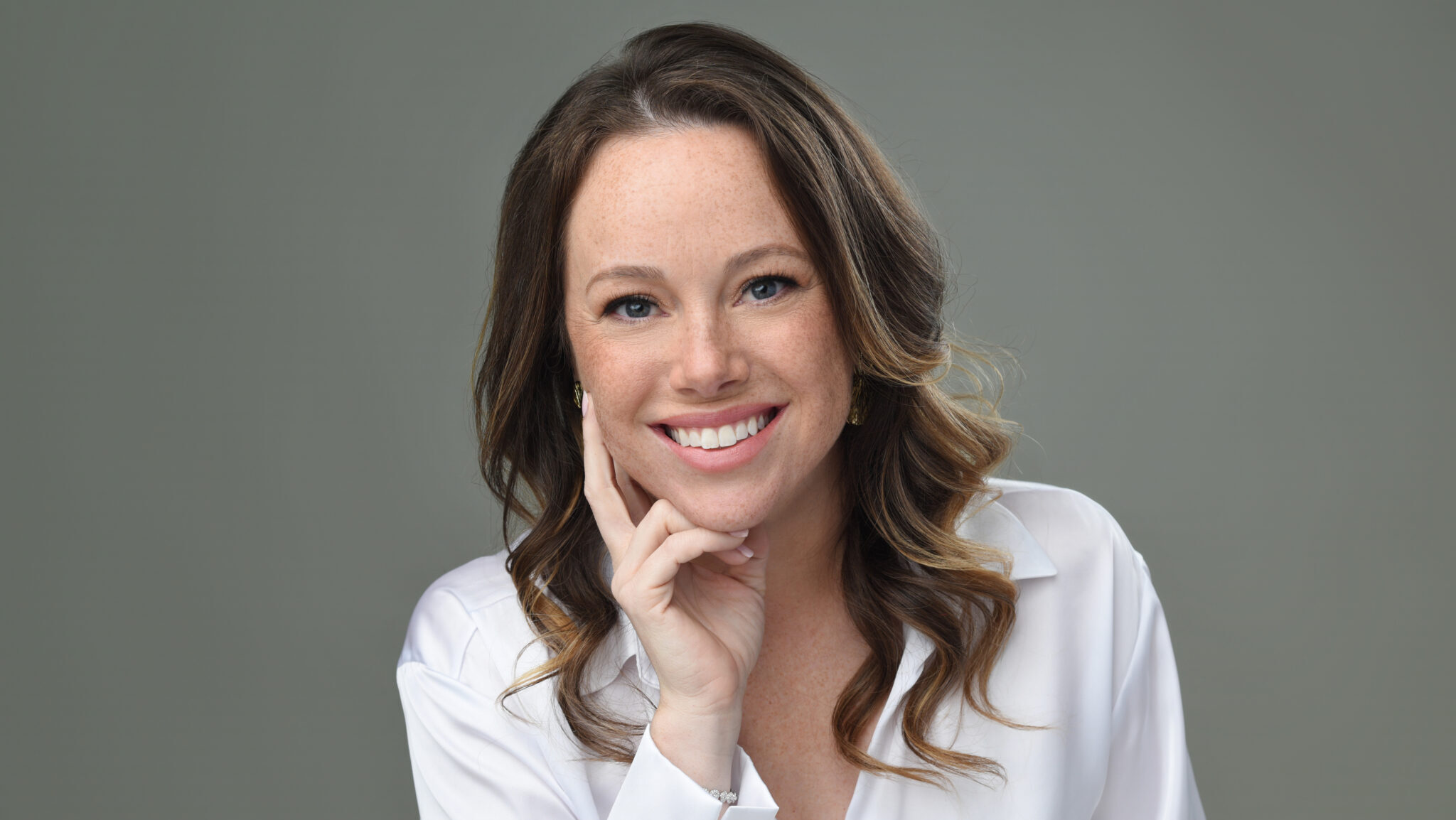
Hygiene Spotlight features an exceptional dental hygienist every month. This month we are showcasing Krystal Afzalzada, B.Ed, RDH, CDAII Educator, advocate for aging populations, and public speaker. With two decades in the dental industry, Krystal empowers professionals with evidence-based tools to improve patient outcomes and elevate standards of care.
Why did you decide to pursue dental hygiene as a career?
Early in my career as a dental assistant, I didn’t expect one ordinary day to change my path. While assisting during a hygiene appointment, I noticed myself quietly observing instead of working. Something about the pace, the autonomy, and the patient connection — I knew I wanted to grow in a new direction.
Dental hygiene offered exactly what I was looking for. It kept me rooted in healthcare, which I’ve always loved, while providing balance and sustainability in both work and home life. Once I stepped into the role, I realized dentistry could be so much more than working under a dentist’s provision. It could be educational, preventative, and rooted in compassion.
I worked clinically for several years before education found me. Over time, teaching became an extension of who I am. I take pride in guiding and supporting others, helping them see what they’re capable of, often before they see it themselves.
Subscribe to the monthly Oral Hygiene e-newsletter!
You have a passion for advocating for the aging population and the connection between oral health and Alzheimer’s/dementia. Is there a reason behind this?
This passion is deeply personal. My father was diagnosed with Alzheimer’s disease in 2016, and I lost him in 2022. As his daughter, the experience was emotionally overwhelming. As a healthcare professional, it revealed just how much more I needed to learn and where the gaps in care still exist.
As his disease progressed, I began noticing changes in his oral health that mirrored his cognitive decline. At the time, though, the topic felt uncomfortable and often avoided, even among colleagues. There was a lack of conversation, understanding, and collaboration in this space.
If I knew then what I know now, I would have advocated differently and adapted his care more intentionally. That realization has stayed with me. While this topic appears within hygiene curricula, it’s not always deeply understood or confidently applied. In a fast-paced profession, subtle cues, especially in seniors, can be easy to miss. Sometimes we are their only point of human connection outside caregiving environments. That awareness reshaped how I practice, teach, and advocate.

What is the #1 thing hygienists should keep in mind regarding this topic?
Active listening and trauma-informed care.
In today’s fast-paced world, we often listen to respond rather than to understand. When caring for older adults, slowing down matters. Be observant. Communicate with empathy. Small details like changes in behaviour, communication, or oral condition, often tell a bigger story.
Trauma-informed care reminds us that what we see in the chair is rarely the full picture. Past experiences, medical trauma, loss, or cognitive change can all influence how someone responds to care. When we approach clients with curiosity instead of assumption, we reduce the risk of re-traumatization and create space for trust and safety.
We can be a gateway for clients to feel heard, validated, and supported. Staying informed and present allows us to connect them with resources they may not even realize they need.
Related article: Elderly care in dentistry: A Canadian dental student’s perspective
What are you most proud of and why?
I’m most proud of my perseverance and finding purpose through pain.
I started in a space I loved but have evolved significantly over the years. After earning my dental hygiene diploma, I pursued a Bachelor of Education and will complete my Master of Education by the end of this year. Looking back, I didn’t always believe I was capable of achieving all this, but every challenge pushed me forward.
Publishing my first article on the link between Alzheimer’s and oral health was especially meaningful. It was deeply personal and vulnerable to share my family’s story publicly at an Alzheimer’s Gala. I’m proud that I continue to show up where others are asking to be heard, helping build bridges across healthcare disciplines that truly make a difference.
In the past year, I’ve collaborated with the Alzheimer’s Society, Behavioural Supports Ontario, and hospital-based programs to provide education for community and healthcare professionals. These experiences reaffirmed the importance of bringing oral health into broader discussions of systemic and cognitive health.
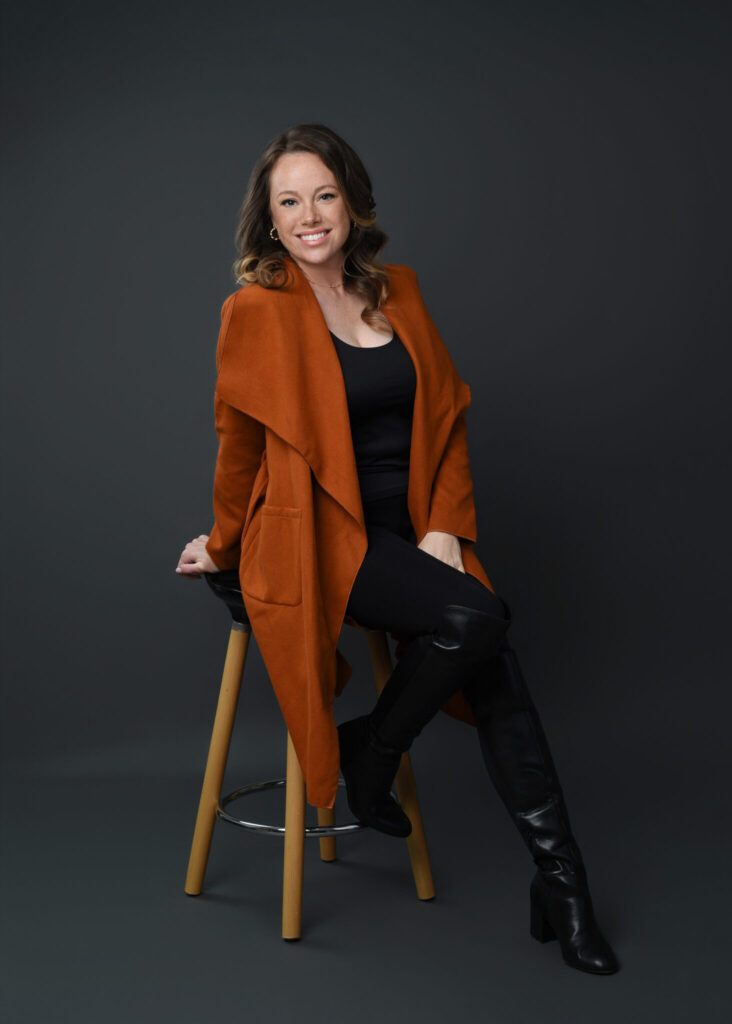
Do you have any advice for other dental hygienists hoping to start their own clinic?
If you’ve thought about it, you can do it.
It’s not human nature to imagine paths we can’t walk. Lay the groundwork, stay present, ask questions, and chase the dream with intention. Confidence grows through action. Start today.
What are some important trends or innovations in dental hygiene education that you’ve integrated into your teaching?
I focus strongly on trauma-informed care. Understanding how past experiences shape a person’s comfort, communication, and trust is essential, especially when working with older adults or those with cognitive challenges. How we approach someone can completely change their experience and their perception of care.
I also value interprofessional collaboration. Oral health doesn’t exist in isolation. When hygienists collaborate with nurses, PSWs, physicians, and other healthcare providers, we advocate more effectively and improve client outcomes. This is where we truly bridge the gap between oral and systemic health.
What would you recommend to new educators entering dental hygiene teaching?
Teach who you are, not just what you know.
Others will have opinions, but staying true to yourself matters. Be reflective, curious, and open to evolution. Not everyone will be on the same page, and that’s okay. What matters most is that students gain knowledge they can confidently apply in the real world.
Every educator can recite curriculum, but it’s our lived experience that helps students connect the dots and understand why the work matters. Don’t be the educator who gives up. Be the one who leans in with understanding, finds new ways to reach students, and meets them where they are. Sometimes, that even means explaining something “backwards.”

What do you like to do for fun or to unwind?
I unwind by intentionally slowing down. Time in nature helps me clear my head and reconnect with myself. Travel, movement, music, and reflective writing allow me to recharge. I also love deep, meaningful conversations, the kind that ground you and remind you what truly matters.
Where can we find you?
LinkedIn: https://www.linkedin.com/in/krystal-hurteau-rdh/
Instagram: https://www.instagram.com/krystal.afzalzada.rdh/
You’ll find reflections on dental hygiene, education, aging, and oral-systemic health there, as well as updates on my continuing education and community outreach initiatives aimed at improving care for older adults.