
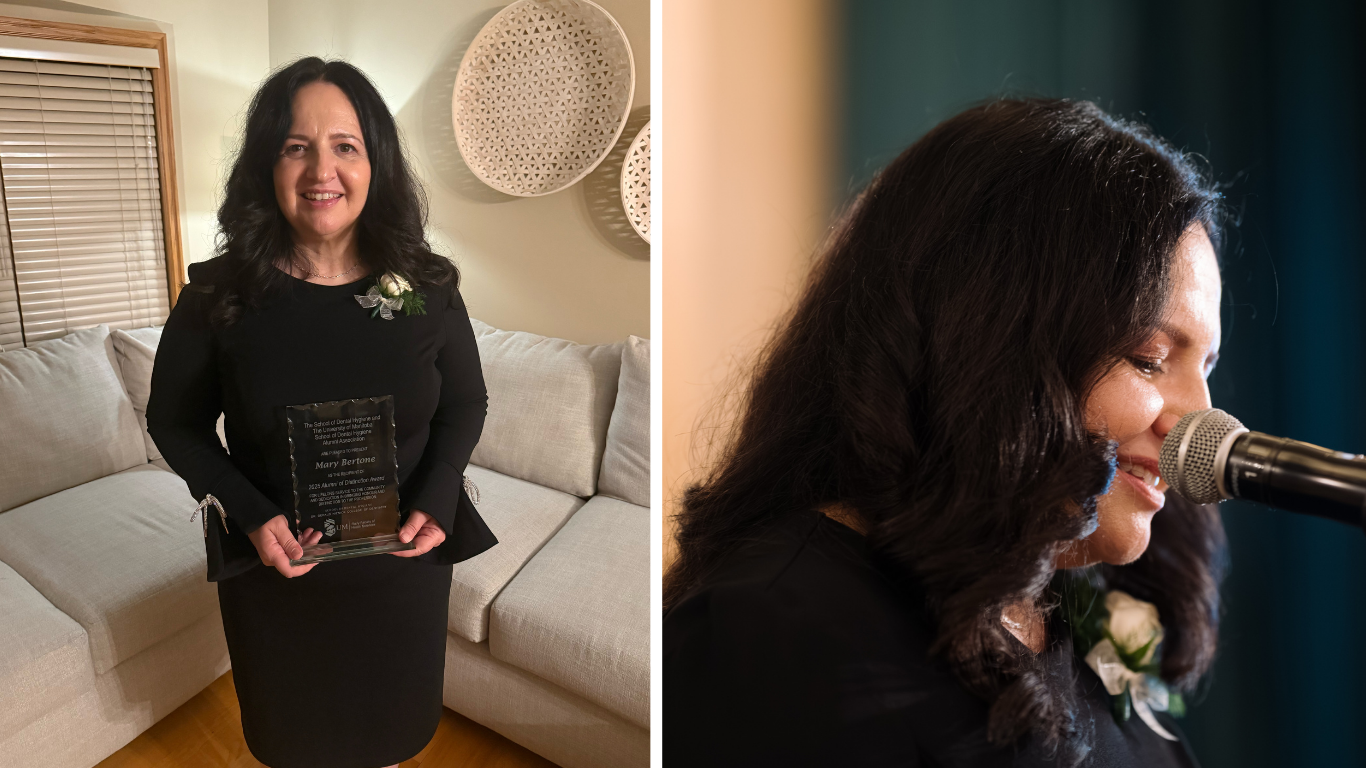
Hygiene Spotlight features an exceptional dental hygienist every month. For March, meet Mary Bertone, a professor with a long record of leadership and community service in dental hygiene be it on ground, leadership or education.
Last fall, Bertone, RDH, BSc(DH), MPH, an associate professor and director of the School of Dental Hygiene at the University of Manitoba’s Dr. Gerald Niznick College of Dentistry, received the School of Dental Hygiene Alumni Association’s Alumni of Distinction Award. The honour recognized her sustained leadership and contributions to the profession.
Bertone has led the School of Dental Hygiene for 11 years, overseeing curriculum development, supporting students, and strengthening the program’s academic standing. From 2017 to 2021, she also served as director of the Centre for Community Oral Health, overseeing outreach initiatives aimed at improving access to care for underserved populations.
Her contributions have been recognized nationally. In 2025, Bertone received the Distinguished Service Award from the Canadian Dental Hygienists Association. Earlier, in 2017, She was recognized with a University Outreach Award for her leadership in community dental health initiatives.
What first drew you to dental hygiene, and how did community service become central to your career?
My story, and the reason I am here today, began at Green Acres Elementary School in Brandon. A dental hygienist visited our classroom to talk about oral health. I was captivated! This professional planted a seed in me, and my journey to become a dental hygienist started. After graduating in dental hygiene, I was fortunate to secure a position with the Centre for Community Oral Health at the University of Manitoba. There, I promoted oral health and provided care in various community settings, including remote northern communities.
It became clear that traditional models of care were not reaching everyone equally, and that dental hygienists have an important role beyond the clinic. Through outreach, partnerships, and community-engaged initiatives, I learned the value of meeting people where they are and working in ways that are respectful, culturally responsive, and grounded in trust.
Looking back on 11 years as director, what leadership lessons stand out most?
I struggled with Imposter Syndrome. I could usually identify problems and notice gaps in service, but my own lack of confidence as a leader held me back. The more courses I took and the more time I spent with exceptional leaders and mentors, the more my confidence grew. Eventually, I learned that it’s okay to be vulnerable, to show your empathy openly, and to admit when you don’t know something. And when in doubt, humour and humility are almost always the best approach.
How has community outreach shaped the way students learn and practise dental hygiene?
The dental hygiene program at the University of Manitoba has always prioritized and emphasized community outreach. Our students gain experience in providing dental hygiene care and engaging in health promotion and education in various community settings outside the school clinic. This allows students to see firsthand the challenges people may face in accessing care or in having programs created and personalized for groups.
What gaps in access to oral health care concern you most in Manitoba today?
There are many concerning gaps in oral health care in Manitoba, particularly in rural, northern, and Indigenous communities where distance, limited providers, and transportation barriers hinder regular preventive care. These gaps often affect children, older adults in long-term care, and individuals with complex needs, who encounter challenges with system navigation and access to providers. Addressing these issues requires increasing workforce capacity and strengthening community-based, collaborative, and culturally safe care models that meet people’s needs.
How do you define leadership in dental hygiene education?
Leadership in dental hygiene education advances the profession and prepares graduates for evolving community oral health needs. It involves creating an evidence-based learning environment that promotes critical thinking, social responsibility, innovation in curriculum, clinical training, and research. Successful leaders emphasize mentorship, teamwork, and inclusivity, incorporating Indigenous knowledge and community input to shape strategies. Ultimately, leadership aims to strengthen the profession, improve oral health access, and train graduates to be adaptable, reflective, and compassionate practitioners.
What role should dental hygienists play in Canada’s evolving oral-health system?
Dental hygienists can take on many roles, but I would encourage them to advocate for expanded roles within the healthcare system. Imagine having access to a dental hygienist in more primary care clinics or in long-term care settings. I would love to see more dental hygienists working in public health and fully utilizing their scope of practice.
Of the recognitions you’ve received, what accomplishment are you most proud of, and why?
This past year, I was honoured to receive the Alumni of Distinction award from the School of Dental Hygiene and the Distinguished Service Award from the Canadian Dental Hygienists Association, which was particularly meaningful as I was nominated by my peers. But honestly, the reward of community service is not in recognition; it is in giving back or paying it forward.
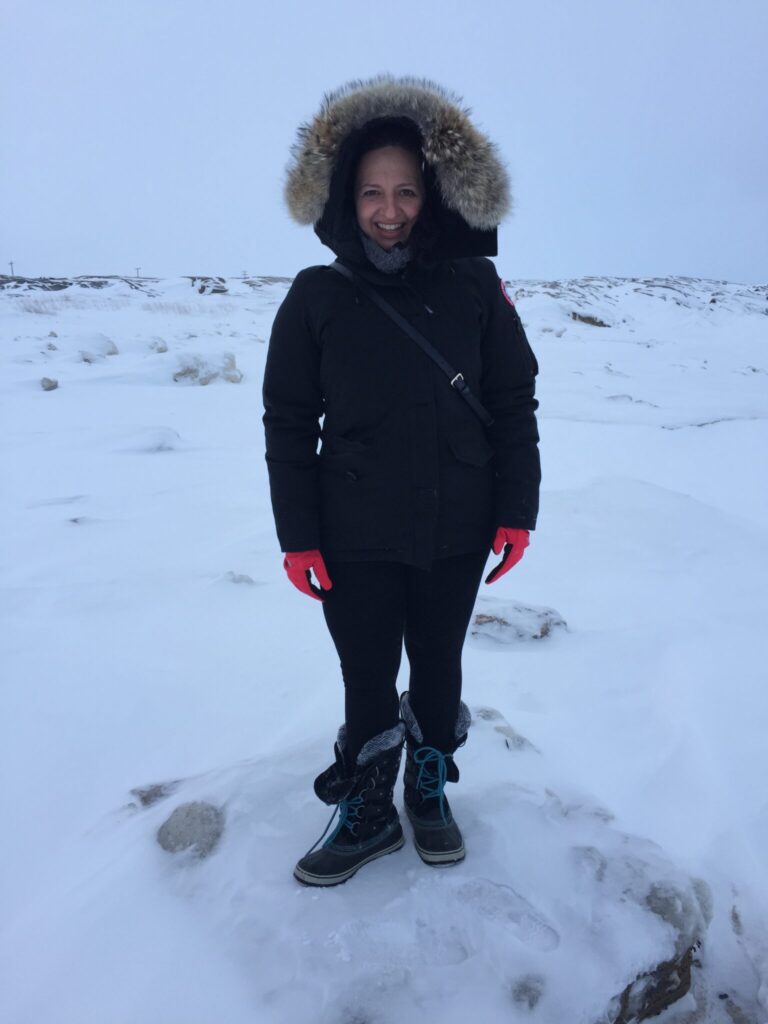
The accomplishment that makes me proudest is my work in Northern communities, where being invited into people’s homes shows I have created real, meaningful connections, listened, and learned from the people I serve.
What advice would you give dental hygienists who want to make a broader impact in their communities?
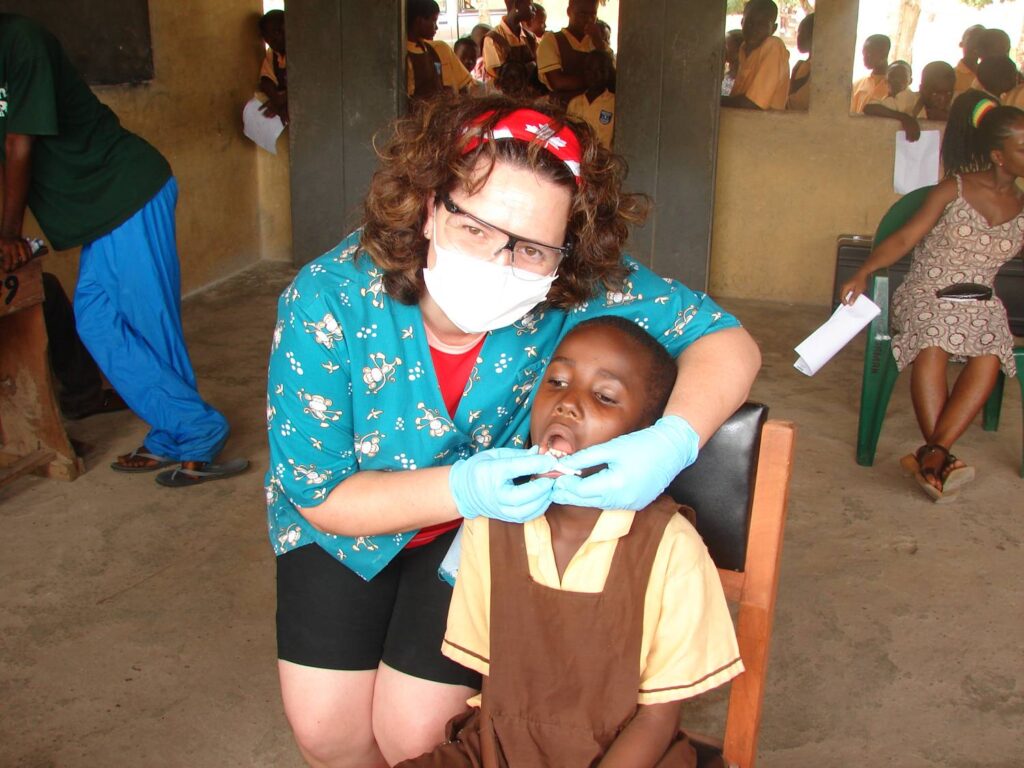
The underserved in our communities face many barriers to getting the care that they need. If you want to help people overcome those barriers, make the extra effort to meet people where they are, wherever and however that may be. Not only can you help others, but you may also find it rewarding for yourself. For me, there’s nothing quite like promoting oral health in northern communities – the connection you can make to the people and the community is genuine. And it’s not just about mouths and oral health. It’s about people. It’s about building trust and recognizing that oral health is deeply linked to everything else, from self-esteem and systemic health to social equity.
What guidance would you offer hygienists considering a career in education, research, or academic leadership?
Be ready to work! Sometimes you will put in longer hours than planned, but please know that the benefits outweigh the effort. Embrace feeling uncomfortable; it means you are challenging yourself. Commit to continuous learning. Whenever a student acquires a new skill or insight, whether through research that broadens understanding or in academic leadership that improves programming, it will keep you fresh and motivated.

Outside of work, how do you like to relax or recharge?
Outside of work, you will find me on a bike that doesn’t move! I enjoy spin classes to clear my mind and work away the stresses of the day. I also took up resistance training later in life as a new way to stay active, and I was surprised by how quickly I took to it. The heavier the weights, the better! I enjoy sneaking off to our cottage at the lake and spending time with family and friends.
You can find Bertone on Instagram or through the University of Manitoba.