
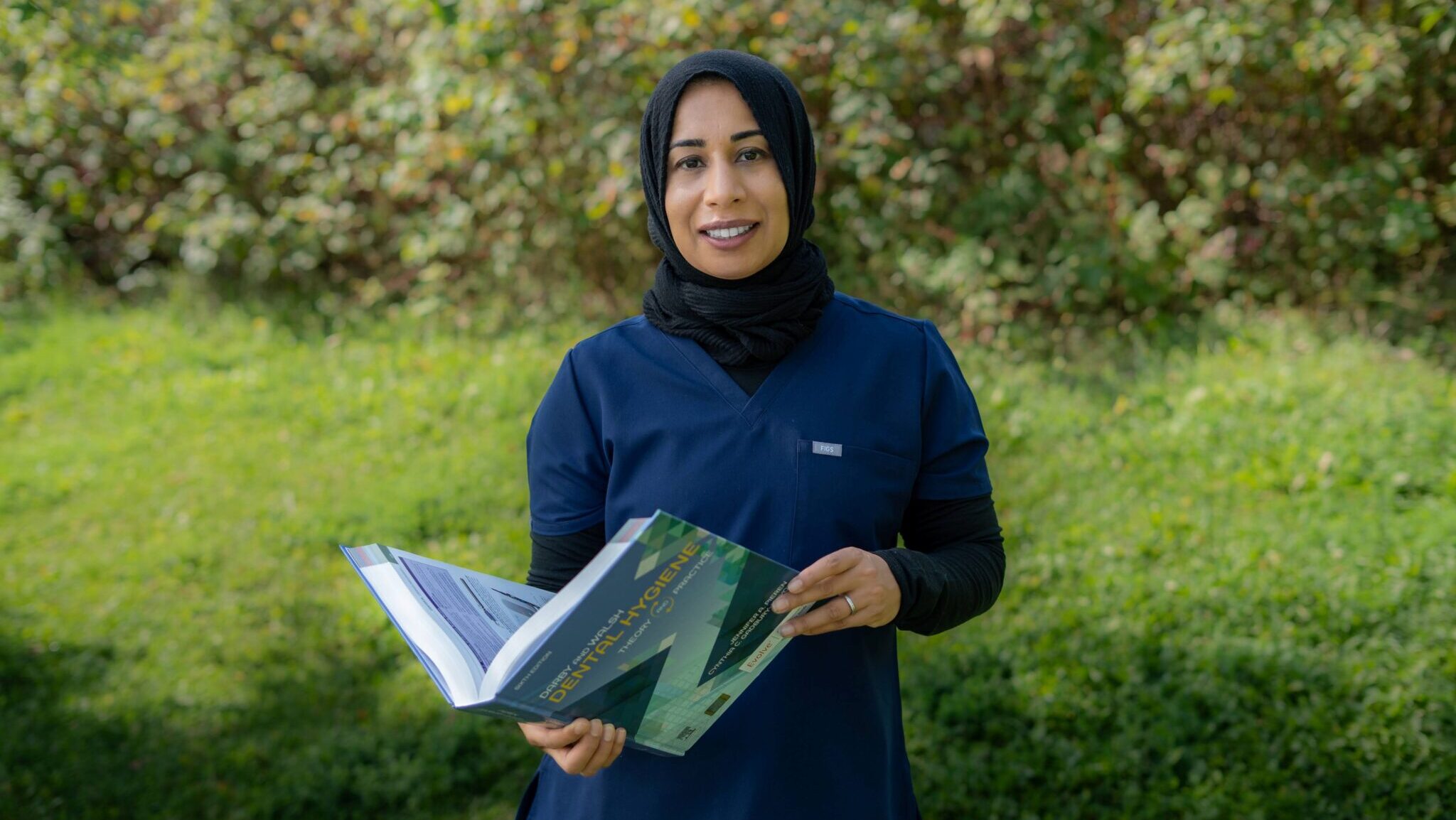
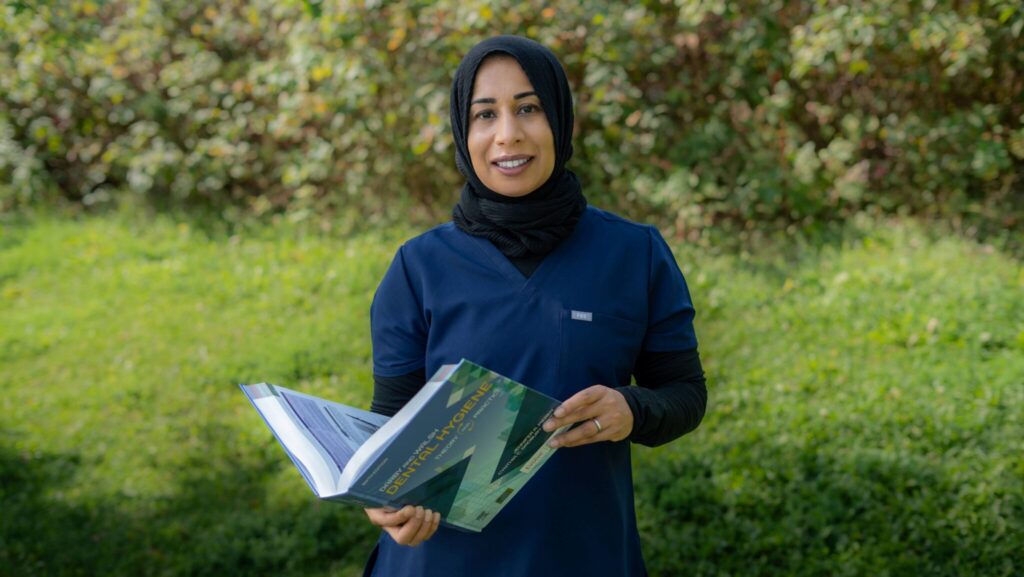
Hygiene Spotlight features an exceptional dental hygienist every month. This month, we are showcasing Fatimah Datoo, RDH, BDScDH, MEd., EdD(c). Fatimah is a dental hygiene educator currently working full-time as a Dental Hygiene Professor at George Brown College and is the creator of the online education platform “Dental Hygiene Made Easy.”
Why did you decide to pursue dental hygiene as a career?
I was drawn to dental hygiene because it perfectly blends science, education, and human connection. I love that it allows me to help people feel confident about their smiles while promoting overall health and wellness. Every client interaction is a chance to make a genuine difference—and that’s incredibly rewarding.
Do you have a mentor in the industry? How did you find them, and what advice would you give to others seeking mentorship?
I’ve been fortunate to have several mentors who’ve guided and inspired me throughout my career—from clinical practice to academia and now through my doctoral journey. I found them by staying curious, asking questions, and showing genuine enthusiasm for learning. My advice? Don’t be afraid to reach out! Mentorship often starts with a simple conversation. Most professionals are happy to share their experiences when they see your passion and initiative.
What inspired you to begin Dental Hygiene Made Easy, your dental hygiene education platform?
Dental Hygiene Made Easy began when students and new grads started reaching out on YouTube, asking for simple explanations and study resources. I realized there was a real need for accessible, easy-to-understand, and encouraging dental hygiene education. My goal was to create a platform that makes learning feel less intimidating and more empowering.
Today, Dental Hygiene Made Easy offers self-paced modules for students from the U.S. and Canada in preparation for the dental hygiene board exam, along with live multi-week tutoring sessions offered three times a year. These sessions focus on building confidence, strengthening critical thinking, and helping students feel fully prepared for their board exams—all within a supportive, motivating learning community.
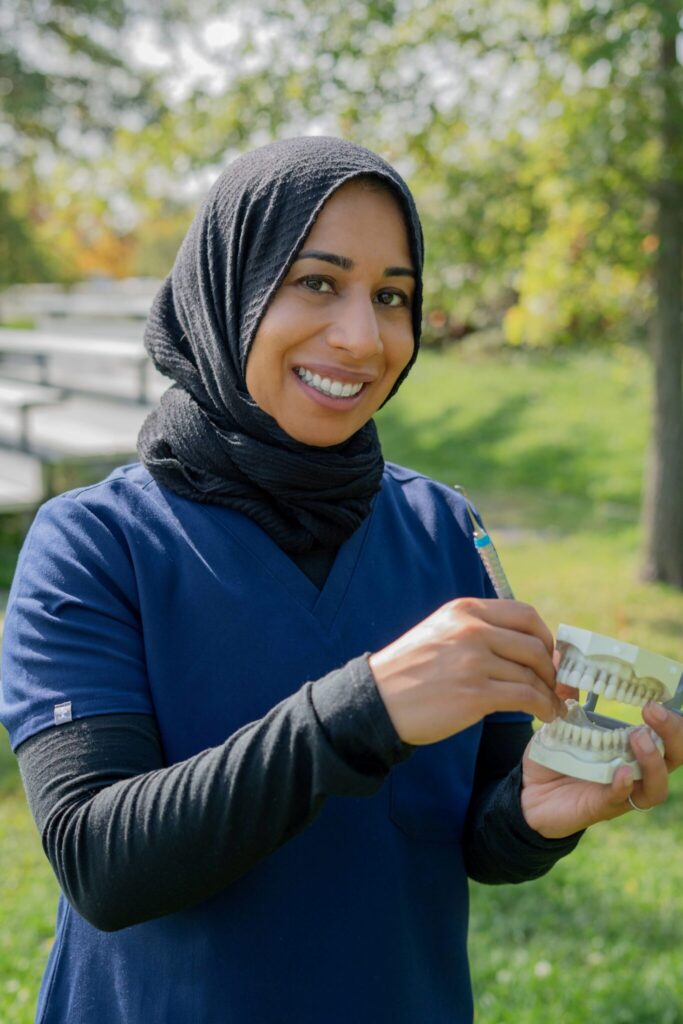
What accomplishment are you most proud of, and why?
I’m incredibly proud of finding harmony between my roles as a full-time educator, doctoral student, and mom of three. It’s been a journey of growth, resilience, and time management! I want my children—and my students—to see that it’s possible to continue learning, evolving, and pursuing their goals at any stage of life.
What’s one piece of advice you wish someone had given you at the start of your career?
Don’t strive for perfection—strive for progress. Early in my career, I felt pressure to have all the answers and do everything flawlessly. But I’ve learned that growth happens through curiosity, reflection, and collaboration. Mistakes are part of the process—what matters most is how you learn and adapt from them.
As someone pursuing a Doctor of Education (EdD) in Curriculum and Instruction, what gaps in dental hygiene education are you passionate about addressing?
I’m passionate about bridging the gap between theoretical knowledge and real-world application. Dental hygiene students are often inundated with information but need more support in developing critical thinking, communication, and professional identity skills. My studies focus on developing a curriculum that enables students to think like professionals—not just perform tasks, but truly understand their purpose and the impact of their work.
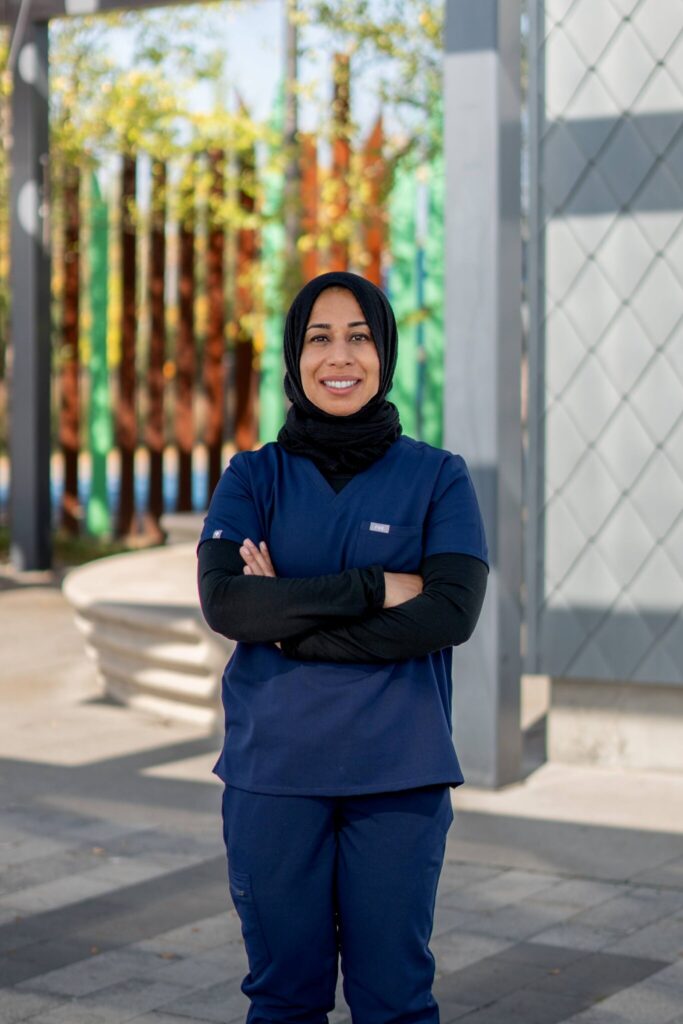
What do you like to do for fun?
Volleyball is my favorite way to unwind—I love playing drop-in games at my community center. I also enjoy my workouts at F45, which keep me energized and focused. And if time allows, I love to read or listen to audiobooks during my commute to work—it’s my favorite way to start the day feeling inspired and motivated.
How do you balance teaching the “mechanics” of dental hygiene with the “soft skills” like communication and professional identity?
For me, the two go hand in hand. Every technical skill—from instrumentation to radiography—involves a human element. I encourage students to see the person beyond the procedure and connect with clients through empathy, trust, and education. By integrating reflection and real-world scenarios into teaching, students learn to pair clinical precision with compassionate care.
Where can readers find you?
You can connect with me on Instagram and YouTube at @DentalHygieneMadeEasy or visit www.dentalhygienemadeeasy.com for educational resources, self-paced board exam modules, and details about my upcoming live review sessions.