
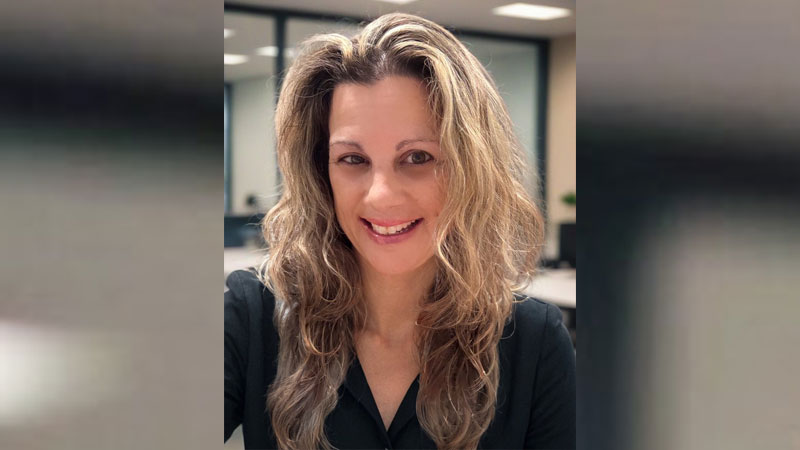
In the world of dental hygiene, there are leaders who don’t just practice the profession—they elevate it. One such leader is Ann Cadoret, MS, MPH, whose career has taken her from animal science to chair side care, and, ultimately, into consulting, mentorship, and innovation. I had the privilege of sitting down with Ann to hear her story in her own words.
Melissa Turner: Let’s start at the beginning of your journey. What first inspired you to pursue a career in dental hygiene, and how has your journey evolved since those early days?
Ann Cadoret: Honestly, after undergraduate school I was working as a dental assistant and wanted to make enough money to get my own apartment. The hygiene pay was going to get me to that goal! Another honest point, I NEVER wanted to work with people, only animals. When I started as a dental assistant, I found that I truly loved making connections with patients. Later on, as a hygienist, I was not only able to make a personal connection but also an educational connection. I loved the autonomy of dental hygiene and the ability to help shape my patients’ view on taking care of their mouth and their body by sharing evidence-based, scientific information with them.
Since the mid 1990’s I have gone from animal science to dentistry to dental business development and management. I now provide consulting and guidance to federally qualified health centers (FQHCs) and nonprofit dental programs as well as large, well-established for-profit dental programs. I help build internal infrastructure that produces high value, patient-centered care models that are profitable and sustainable.
Melissa Turner: Your story shows how what began as a practical choice soon became a purpose-driven career. This leads me to wonder about the pivotal moments along your path. Was there a defining moment that shifted your career path from clinical hygiene into leadership, innovation, or broader industry impact?
Ann Cadoret: Another honest truth: What shifted me away from clinical hygiene initially was the poor treatment I received from working in small practice dental offices. I went to work at the FQHCs that provide care to the underserved and found so much red tape in their processes and policies that were likely made with good intentions but hindered providing comprehensive, coordinated, and patient centric care. I realized I had so much privilege, which developed a spirit in me that wanted to do all I can for those who cannot.
Melissa Turner: Hearing that turning point, it’s clear you developed a broader vision for the role of hygienists. It makes me wonder how you see that role evolving in the years ahead. So, as an industry leader, how do you see the role of the hygienist changing in shaping the future of oral health?
Ann Cadoret: I would love to see many things happen for the role of hygienists. First, I think they need more education whether it be in public health, artificial intelligence, evidence-based research, dental business, and business management. Second, hygiene schools need to include evidence-based care using new materials and methods to scale teeth and educate patients. All hygiene school professors should be well-versed in new techniques, methods, and materials. Lastly, courses should be taught on motivational interviewing, meeting patients where they are, risk averse conversations, and what team care truly means.
I think those are big needs in the field to move hygienists into positions where autonomy, growth and development, comprehensive preventive care, and business ownership can be at their fingertips if they choose to pursue more in their career than a “tooth cleaner.”
Hygienists can be amazing advocates, scientists, researchers, healers, clinicians, leaders, and a trusted resource all in one. They can go in so many different directions. I see their future as prevention specialists who will dominate the current dentistry model of drill, fill and fear to restore, regenerate, and trust.
Melissa Turner: With such bold ideas for the future, I’d love to step back and learn about your own journey—and the challenges you faced getting here. What challenges have you faced along the way, and how did you overcome them to continue advancing your career?
Ann Cadoret: The real question isn’t, “What challenges have I faced?” but rather, “What challenges haven’t I faced?” I’ve been fired without cause, denied my job after maternity leave—twice—caught in corporate layoffs, told I was either overqualified or “perfect” for a position and still not hired, even given a job only to have it taken away days later in favour of someone else. These experiences were not easy to overcome, and I wish I could say I have a perfectly packaged story of resilience. The truth is, I got through those brutal setbacks by allowing myself to feel the disappointment, leaning on great friends and mentors, and then putting myself back out there again and again.
Through that process, I’ve met the most incredible people. While they may not have provided the steady paycheck I am looking for, they offered something far more valuable—education, perspective, and inspiration that reshaped how I see the role and future of dental hygienists. Today, I have more freedom, knowledge, confidence, and purpose than I ever imagined. And those experiences haven’t just shaped my career—they’ve transformed the way I envision the future of our profession.
Melissa Turner: Your resilience is undeniable. But you’re not just looking back—you’re also looking ahead, especially when it comes to technology. Which new technologies or innovations in dentistry excite you the most right now, and how do you see them impacting hygiene?
Ann Cadoret: Medical management of caries is not a new innovation per se but really gaining steam as of lately. It is a care model that has been used for over three decades but was not valued as much as it is today. Hygienists can build an independent practice on using medicines and therapeutic restorative materials that heal teeth and are needle, drill, and pain free to use. Innovations in other materials to reduce sensitivity and heal cavities such as PapaCaries Duo, Silver Diamine Fluoride, Curodont, and others can change an entire culture of dentistry from fear to trust. Advances in data management, collection, and measurement technologies are truly exciting because they allow us to transform information into meaningful insights with far greater efficiency. Instead of spending hours combing through countless reports, these tools make it possible to quickly identify gaps in care, track trends over time, and highlight opportunities for improvement. Even more importantly, they enable us to tell compelling stories with data—stories that bring numbers to life, demonstrate impact, and inspire action among clinicians, leadership, and policymakers. With these technologies, we can shift from simply reporting information to actively using it to drive smarter decisions and better outcomes for patients and communities.
Melissa Turner: Technology and innovation are important, but mentorship has also shaped your career. That brought me to my next question. Have mentors or role models played an important role in your journey? And how do you now mentor or inspire others coming up in the field?
Ann Cadoret: When I was writing my Master’s Thesis on medical-dental integration, I repeatedly saw the same names come up of published authors who were working hands-on in the exact field I was writing about. The research I was reading was fulfilling me with where I wanted my career to go. I tracked down many of those authors to get a better understanding of where they work, what their job titles and roles were, and hoped to meet some of them face-to-face. The first of the authors, Dr. Mark Doherty Sr., I met in person and was the first who gave me an opportunity to work outside of the clinic walls as a project manager in nonprofit dental program sustainability. He taught me so much and encouraged me to continue my education, my research, and my constant quest for knowledge. He became my boss but also my mentor. From that job opportunity I met many of the other experts that I saw as heroes in the dental public health space. Dr. Carolyn Brown, Dr. Timothy Martinez, Dr. Mark Koday, Dr. Mike Shirtcliff, Dr. John Frachella, and many others who have encouraged me, mentored me, inspired me, and became my friends and confidants.
I’ve been fortunate to have several interns and early-career professionals seek me out after reading my published work, attending my presentations, or connecting with me through LinkedIn and other platforms. It’s been incredibly rewarding to know that my work has inspired them, and I’m always eager to listen to their ideas, provide guidance, and explore potential collaborations. I feel honored to be seen as a source of inspiration, and I encourage others not to hesitate in reaching out to those who inspire them—you’ll often find they’re more than willing to share their experiences and help you take the next step toward your goals.
Melissa Turner: Those mentors clearly left a mark. Now I’d love to talk about what day-to-day life looks like now compared to your early clinical years. What does a typical day in your current role look like compared to when you were working chair side?
Ann Cadoret: My typical day starts early morning around 5am catching up on emails and going through my tasks from the day before to make sure those are completed. I then create a new task list for the day. I don’t over schedule my list as much of my work is research in nature and takes several hours to several days to complete. I make sure I get up from my desk around 9am to have breakfast and take care of my pets. I work for several more hours and get up again around 1pm to workout and then back to the grind. I work with several dental programs on different time zones so I am cognizant to make sure I work my breaks and workouts so I get those in but am available to meet with clients during their working hours.
Also, I still work as a clinical hygienist at least a few times a year. I believe there is great value in staying connected to patient care. This experience strengthens my strategic approach and sustainability efforts when I can tell leadership and clinicians that I am not asking them anything I haven’t done or wouldn’t do myself. Returning to the clinic keeps me humble, focused on what’s best at the patient level, and creating realistic solutions to complex problems.
Melissa Turner: Even with a busy schedule, you remain connected to patient care. In that regard, what advice would you give to new graduates entering the profession today who may want to follow a similar path?
Ann Cadoret: My advice to new graduates is to work in as many different dental practices and alongside as many different dentists as possible. Doing so exposed me to a wide range of approaches, personalities, and clinical styles. I learned new techniques, care models, and even how educational backgrounds can shape practice philosophies. This experience showed me that there isn’t just one way to practice dentistry—and just as importantly, it helped me recognize which practice philosophies I did not want to emulate.
I also encourage new graduates to volunteer as a dental assistant and spend time working at the front desk. The more you understand each role within the office, the more well-rounded you’ll become as a clinician. This experience not only deepens your ability to provide meaningful patient education but also gives you valuable insight into the business side of dentistry.
Melissa Turner: Your advice is practical and inspiring! I’m curious if you also carry a guiding philosophy, a personal motto or philosophy that guides your work and career decisions?
Ann Cadoret: My personal motto is: Even when it seems impossible, find a way to do it anyway (and do it with a smile). This philosophy guides my work and reminds me that even if I feel as though I have failed or didn’t get the position that I wanted or hoped for, to put a smile on my face and keep grinding.
Melissa Turner: With that philosophy in mind, what’s next for you—and what future changes do you hope to see in the profession of dental hygiene?
Ann Cadoret: I continue my search for the right dental businesses and practices to engage with and make BIG changes happen for them. I love to see success stories and know that I played a role in that. Even the setbacks within those stories are steps forward in my own education on how to avoid those in the future.
I would love to see hygienists grow into professionals who are not only clinically skilled but also deeply educated and well-rounded across the entire dental field. By stepping outside of their own hygiene operatory and gaining experience with different dentists, diverse practice settings, and various roles within a dental team, hygienists can cultivate a broader perspective of oral health. This holistic view allows us to understand how every function in a practice—whether clinical, administrative, or operational—contributes to the overall wellness of patients. A more well-rounded hygienist is also better positioned to become a leader, an advocate, and an innovator in shaping the future of dental care.
Through resilience, mentorship, and vision, Ann Cadoret continues to elevate dental hygiene far beyond the operatory. Her journey is proof that even in the face of setbacks, determination and purpose can create a legacy—one that reshapes not only careers, but the profession as a whole.
About the author

Melissa K. Turner, BASDH, RDHEP, EFDA, CHO, is a brand strategist, growth consultant, and visionary at the forefront of dentistry’s transformation era. Known for her ability to help companies cut through the noise and scale with purpose, she advises startups, manufacturers, and industry leaders on brand strategy, innovation, and business growth. Turner is also a keynote speaker, published author, and recognized influencer shaping the intersection of dentistry, technology, and human connection. She can be reached at www.melissakturner.com.