
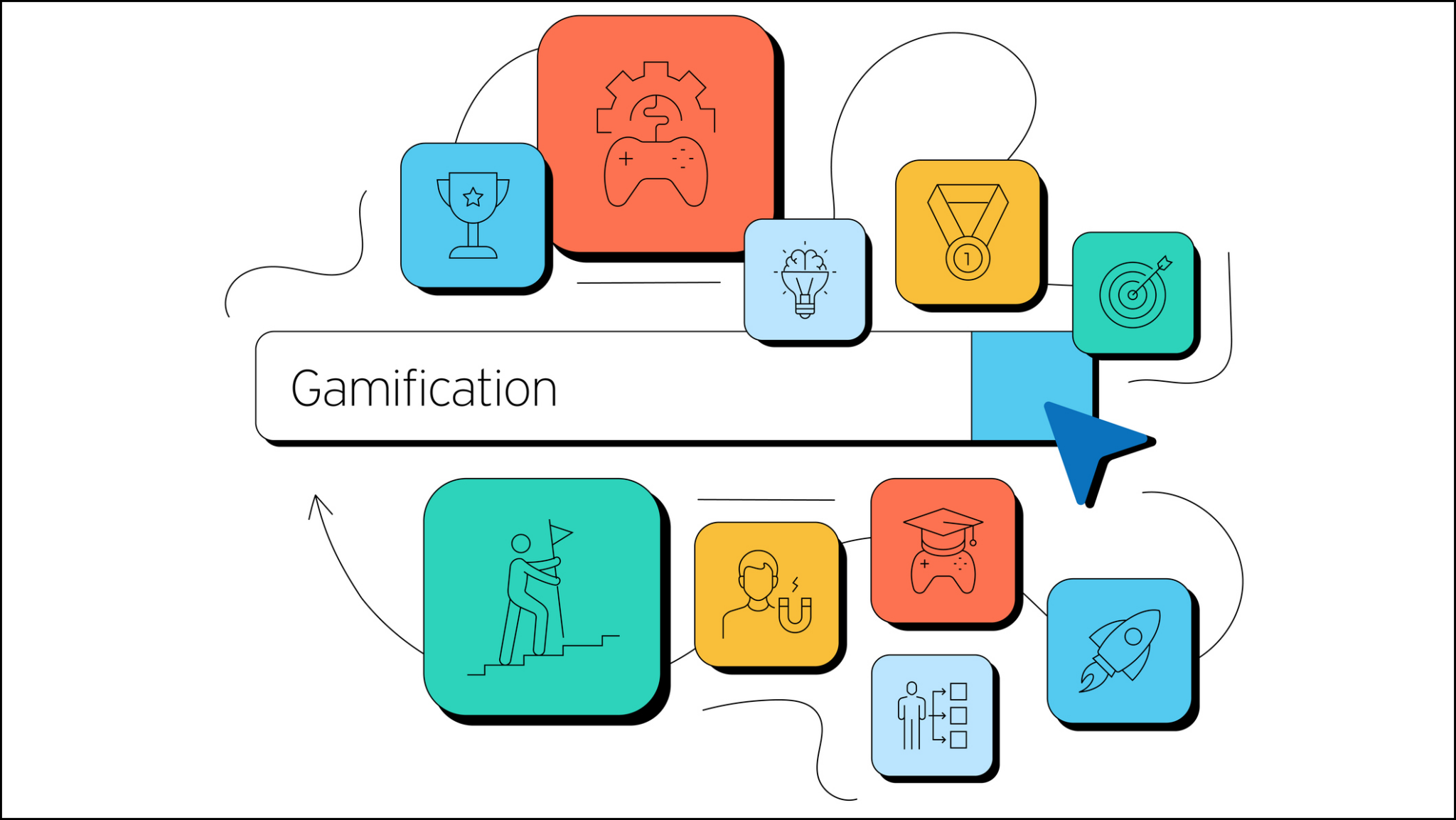
“Gamification” is already big business in health care. While historically used in healthcare education, it is increasingly being applied to drive better management of various medical conditions. And this trend is certainly not all about fun and games, as it can lead to significant improvements in patient engagement and increased traffic to your dental office.
What is gamification?
Gamification is defined as strategically applying elements of game design into “non-game” contexts. Common elements include the use of points, rewards, challenges, leaderboards, progress bars, and badges. The idea is to make tedious, mundane, and run-of-the-mill tasks or behaviours exciting, interesting, and pleasant. Health care represents a non-game context that is seemingly made for gamification. After all, numerous day-to-day habits and behaviours support health, wellness, and function. Solutions that draw inspiration from the gaming industry can offer effective interventions, motivating patients to adopt and maintain healthy habits. Likewise, many aspects of health care can be quite complex and technical. So, the incorporation of game design elements into patient education and communication is also an effective way for the “layperson” to grasp clinical topics. According to a study by PMC, gamification has been shown to have positive effects on everything from health outcomes for stroke patients and hospitalized seniors, to glycaemic control for patients with type 2 diabetes.
How gamification works in practice
As dentists, we can borrow the best practices from e-commerce, retail, education, finance, and other industries (whose use of game-related strategies is maturing) and apply those ideas in our own offices. We can also apply effective strategies from other types of medical clinics and health care organizations to deepen relationships and engagement with patients. Gamification can also be leveraged to support “back office” functions, helping your practice operate more effectively and efficiently. As artificial intelligence and other technologies that support these solutions continue to evolve, more dynamic and innovative features may be incorporated into your practice’s operations. The integration of AI with gamification, for instance, helps personalize and optimize the experience for each patient or user. Any time you can personalize and optimize these tools, the greater the chance of their resonating with your patients and teams (depending on how you use such game mechanics). The following strategies can be a winning addition to your practice that also accounts for the varied functions and aspects of your office that contribute to an exceptional patient journey.
Pediatric dental care
Instead of simply instructing your young patients on how to brush and floss, you can make the experience more engaging by introducing them to and playing with apps during the visit that utilize features such as cute character avatars and timers to teach correct brushing and flossing techniques. These apps can be linked to your website and used at home to inspire and motivate children as they develop and maintain good oral health habits.
Behavioral modification for all
The power of gaming techniques is not limited to young children and teens. Everyone can benefit from programmes and technologies that track brushing and flossing habits. Rewards integrated with these systems may be applied toward discounts on services or products available at your office or through partners in your neighbourhood or community. For instance, partnerships with health food stores or fitness centres lend themselves well to such incentives, as these partners are associated with similar, complementary wellness-oriented goals.
Bolster or kickstart a formal rewards programme
Gamification is by its very nature an important element of loyalty and membership rewards programmes. Promoting game features is a great way to launch a new or redesigned programme. You may even add gamification elements to an existing member savings plan, which also draws attention to this offering and supports good utilization of your membership plans.
Virtual reality
We often say, ‘show, don’t tell.’ Technologies that simulate aspects of treatment or oral anatomy and physiology in a non-intimidating manner can be beneficial in educating and empowering patients with information about complex topics or treatment alternatives. Additionally, dentists are integrating virtual and augmented reality technologies into the treatment experience as a distraction for patients who are anxious about the visit or who have a history of dental fear. The incorporation of such technologies creates a more positive and relaxing experience that is also drug-free.
Educate, motivate, and reward your employees
Insurance providers and employee benefits professionals have long utilized such elements to promote better habits, screenings, and wellness that ultimately reduce healthcare utilization and costs. You may integrate challenges, quizzes, simulations, role-playing games, and more into continuing education, skills-based training, and efforts to maintain camaraderie, morale, and wellness among your team members. When team members feel that their work is exciting, fresh, and challenging, they are more likely to “operate” at their absolute best, providing responsive, quality care and service to your patients.
Add a touch of fun to your practice and patient experience with gamification. It has never been more engaging to bring loyal patients back to your practice and to welcome more referrals and new patients through your doors!
About the author

Naren Arulrajah, President and CEO of Ekwa Marketing, has been a leader in medical marketing for over a decade. Ekwa provides comprehensive marketing solutions for busy dentists, with a team of more than 180 full time professionals, providing web design, hosting, content creation, social media, reputation management, SEO, and more.