
As dental hygienists, we are part of a vibrant and essential workforce. There are approximately 33,500 registered dental hygienists in Canada, according to the Federation of Dental Hygiene Regulators of Canada (FDHRC), and over 214,700 dental hygienists in the United States, based on data from the American Dental Hygienists’ Association (ADHA, 2024). Each of us depends daily on the quality and reliability of the instruments crafted behind the scenes. Yet few of us have had the chance to witness the incredible journey these instruments take, from raw materials to the hands that care for millions of patients.
Throughout my career, I have had the rare opportunity to tour three iconic factories, Dentsply in York, Pennsylvania; Hu-Friedy in Chicago, Illinois; and American Eagle in Missoula, Montana. Each visit deepened my understanding of the complexity and care embedded in the instruments we use and reshaped how I value quality and pricing in dental hygiene.
Dentsply, York, Pennsylvania: The cradle of precision innovation
York, Pennsylvania, is a city steeped in manufacturing heritage, a fitting home for Dentsply, one of the world’s largest producers of dental equipment. Walking the factory floor, I witnessed the intricate process of crafting Cavitron ultrasonic tips, a critical tool that vibrates at over 30,000 cycles per second to remove calculus efficiently and gently.
Did you know that Dentsply produces over 1 million Cavitron tips annually (Dentsply Sirona Annual Report, 2023). This scale demands precision machinery and stringent quality control to meet the high standards hygienists expect worldwide. The meticulous attention to detail underscored how a single instrument’s performance impacts every patient’s experience.
Read related article: Why functional safety is crucial for dental hygiene instruments
During the tour, I was particularly struck by the advanced materials science behind their products. Dentsply continually invests in developing new alloys and composites that enhance durability and biocompatibility. This means each Cavitron tip isn’t just shaped precisely; it’s made from cutting-edge materials designed to resist wear and corrosion, directly influencing instrument longevity and patient safety. For us dental hygienists, this translates to fewer replacements and consistent clinical performance.
Hu-Friedy, Chicago, Illinois: Where crafts-manship meets legacy
Chicago is a city known for resilience and innovation, much like Hu-Friedy, whose roots stretch back over a century. Touring their expansive facility, I witnessed a blend of artisanal skill and modern engineering shaping the very instruments that define dental hygiene care.
At Hu-Friedy, many employees have dedicated 30 years or more to perfecting their craft (Hu-Friedy Corporate Website, 2024). Their expertise ensures every scaler and curette meets exacting standards before reaching the operatory tray. The sense of pride and precision permeates the factory, embodying Chicago’s spirit of craftsmanship and relentless pursuit of quality.
One fascinating aspect I discovered is their ability to customize instruments to exact practitioner preferences, down to handle weight, grip, and blade angulation. Additionally, their traceability system tracks each instrument through every step of production, ensuring accountability and impeccable quality assurance. This level of customization empowers dental hygienists to work with instruments tailored to their unique clinical style, improving precision and comfort.
The stringent safety protocols, mandatory closed-toed shoes, eye protection, and more, serve as a constant reminder that excellence requires discipline and respect for process. It reinforced that quality instruments are not simply made; they are meticulously forged.
American Eagle, Missoula, Montana: Innovation in the heart of nature
Nestled in the rugged landscapes of Montana, Missoula is a city where tradition and innovation coexist. Here, American Eagle manufactures a significant portion of the dental hygiene instruments used across North America, including their revolutionary Sharpen-Free® XP line. Impressively, approximately 80% of instruments produced at this facility are Sharpen-Free® models (American Eagle Website, 2025), designed to maintain sharpness longer and reduce downtime in clinical practice.
The factory’s commitment to innovation reflects Missoula’s blend of natural beauty and pioneering spirit. Watching the precision engineering unfold, I realized that behind every instrument lies a commitment to enhancing clinical performance and patient outcomes.
What stood out most was American Eagle’s dedication to sustainability and environmental responsibility. The factory prioritizes recycling metals, reducing waste, and minimizing energy. It uses practices that resonate strongly with the growing healthcare movement towards sustainability. For dental hygienists passionate about environmental stewardship, knowing that the instruments they use are crafted with respect for the planet adds a meaningful dimension to clinical choice.
The rise of robotics in dental manufacturing
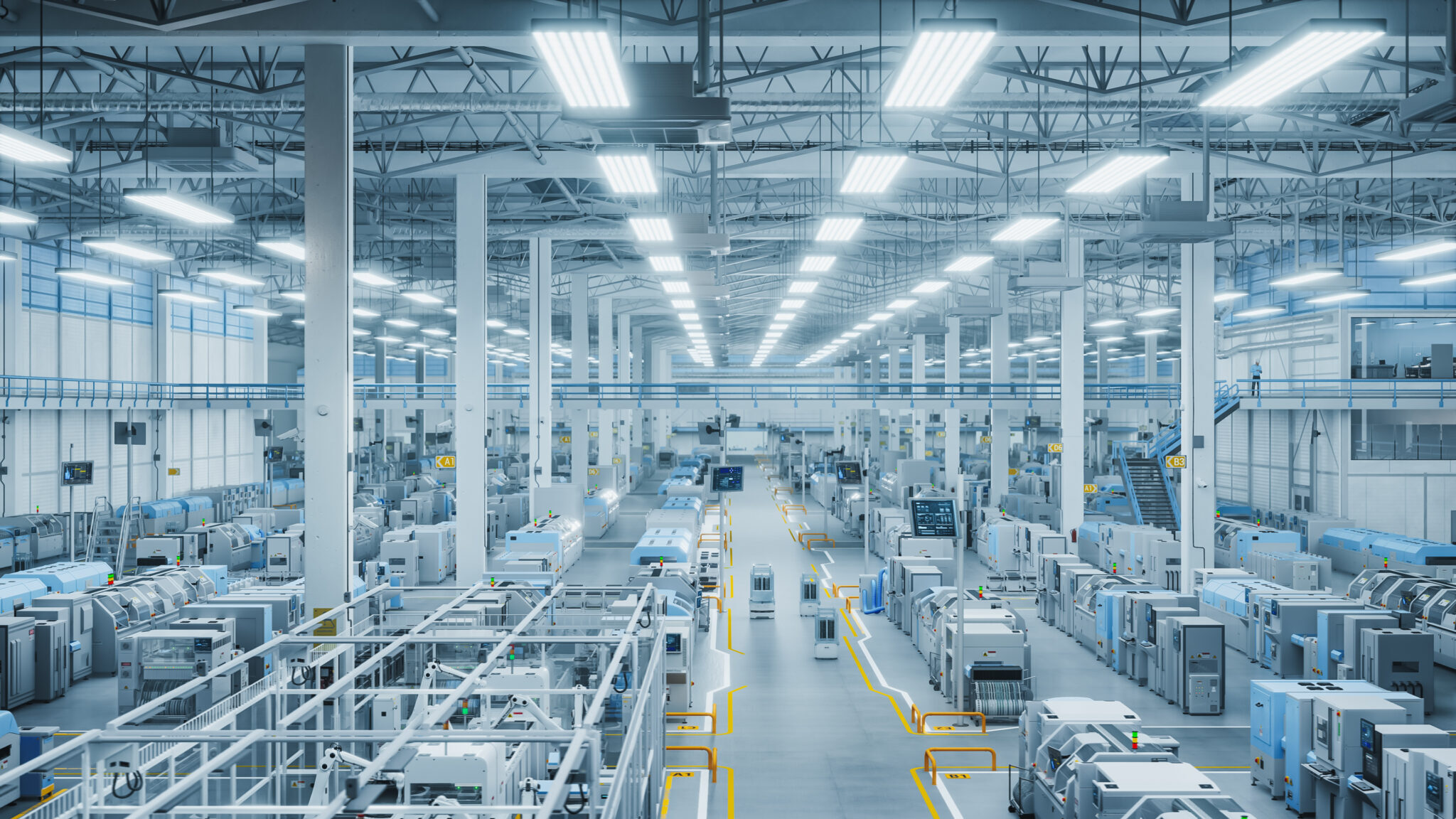
A particularly striking aspect of these factory tours was the integration of robotics into the manufacturing process. Observing robotic arms precisely assembling instruments and performing repetitive tasks with unparalleled accuracy was both fascinating and inspiring. These advanced systems not only enhance efficiency but also ensure consistency and quality control, reducing human error and increasing production capacity.
Witnessing these technologies in action provided a profound appreciation for the precision and innovation that go into creating the instruments we rely on daily. It also highlighted the evolving landscape of dental manufacturing, where automation and robotics play a crucial role in meeting the demands for high-quality, consistent products.
Lessons beyond the factory floor
These factory tours were more than behind-the-scenes visits; they were masterclasses in quality, dedication, and innovation. They challenged the common clinical mindset that sometimes focuses too heavily on cost, overlooking the value embedded in every instrument.
To truly appreciate what we use daily, we must recognize the decades of experience, the relentless quality controls, and the human hands involved in bringing these tools to life. This realization reshaped how I view pricing, not as a barrier, but as an investment in excellence and patient care.
The cities themselves, York, Chicago, and Missoula, stand as symbols of industrial strength, craftsmanship, and innovation. Each factory embodies the values of its home, producing instruments that set the standard for dental hygiene worldwide.
A call to value and leadership
After witnessing the complexity and care behind these instruments, I can say with conviction: I will never discuss the price of dental hygiene instruments without honouring the craftsmanship, innovation, and dedication they represent. The quality we demand in our clinical work must be matched by the respect we give to the products that enable it.
Understanding where our dental hygiene instruments come from empowers us to stop settling and start leading. The instruments we choose reflect the standard we uphold, for patient care, for clinical excellence, and for the future of dental hygiene. When we choose with purpose, we elevate more than our practice, we elevate our profession.
References
- Federation of Dental Hygiene Regulators of Canada (FDHRC). Dental Hygiene in Canada. 2024. https://www.fdhrc.ca/pages/dental-hygiene-in-canada/
- American Dental Hygienists’ Association (ADHA). 2024 Workforce Data. https://www.adha.org/resources-docs/7227_ADHA_Workforce_Data.pdf
- Dentsply Sirona. Annual Report 2023.
- Hu-Friedy Corporate Website. Company History & Workforce. 2024.
- American Eagle Instruments Website. Sharpen-Free® Product Line Information. 2025.
- 3Laws Robotics. Collaborative Robots and the Future of Dental Equipment and Supplies Manufacturing. https://3laws.io/pages/Collaborative_Robots_and_the_Future_of_Dental_Equipment_and_Supplies_Manufacturing.html
About the author

Jennifer is a powerhouse in dental hygiene, transforming practices through strategic growth, clinical excellence, and patient-centered care. In 2025, she was globally recognized as one of the “10 Most Ambitious Women in Business.” A two-time Dr. Bicuspid Award winner for Educator of the Year and recognized as one of the “10 Most Influential Healthcare Leaders to Watch,” Jennifer’s impact is undeniable. With executive roles at 123Dentist, dentalcorp, the College of Dental Hygienists of Ontario, and the Canadian Dental Hygienists Association, along with a history of leadership, training, and education, she is a sought-after expert and dynamic speaker. A true trailblazer, Jennifer elevates teams, drives innovation, and redefines success in dental hygiene.