
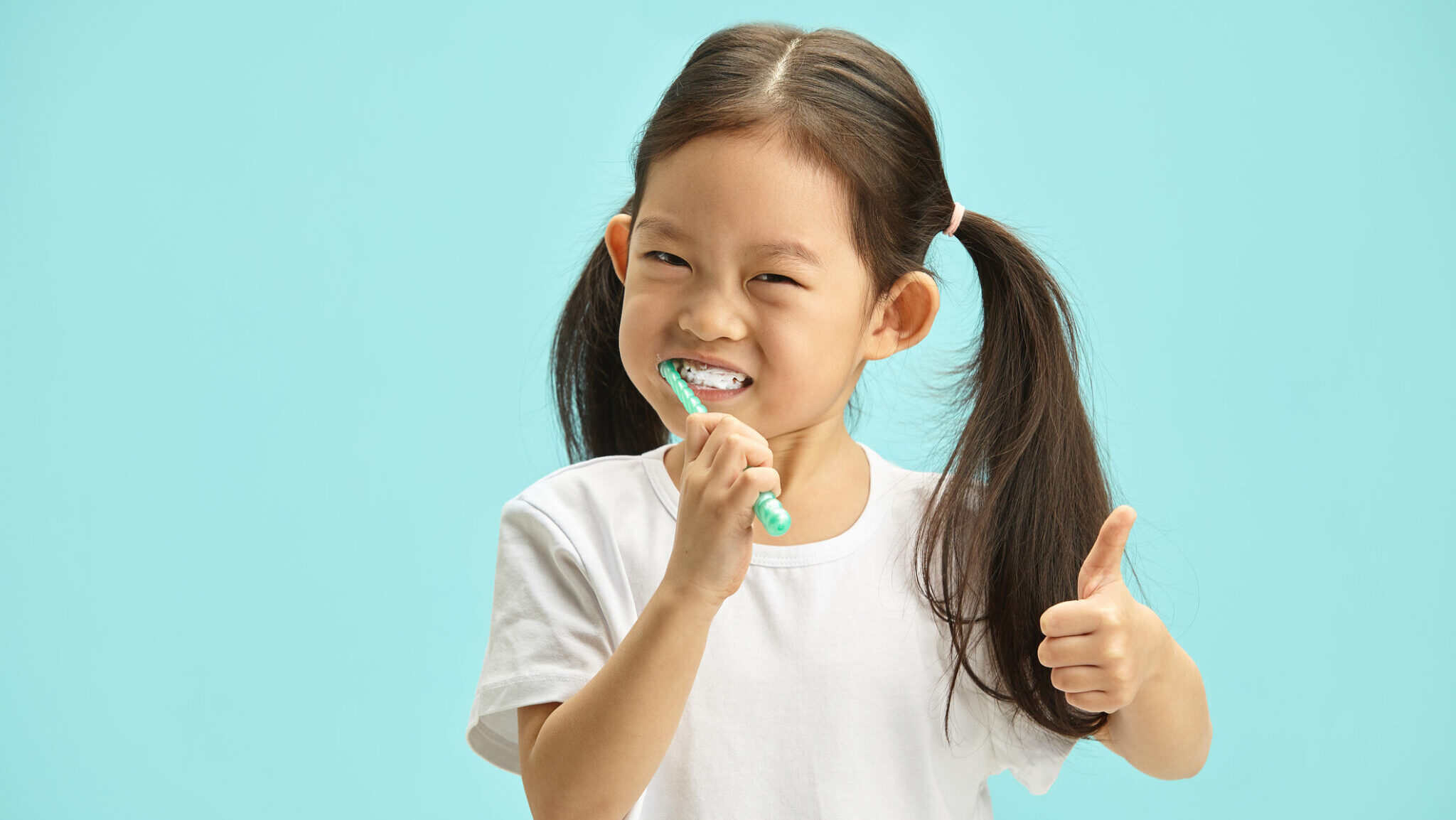

Toothbrushing—everyone knows they should do it, and that it’s the primary way to prevent tooth decay and periodontal disease. Yet dental disease remains widespread. Why? As with other forms of preventive healthcare, such as diet and exercise, the problem lies not in knowledge but in the application of knowledge. Patients must be taught, motivated, and given a clear program with ways to measure success—before failure leads to disease.
The basics of oral hygiene
Oral hygiene starts with effective toothbrushing. Toothbrushes come in many shapes and sizes, but the best manual brush has soft bristles and a small head that can reach the back of the mouth and lingual areas without triggering a gag reflex. Electric toothbrushes are increasingly popular and effective; many feature small heads, rapid vibration, built-in timers, and even music for children.
The old standard of brushing three times daily has shifted to twice daily: once after breakfast and once before bed. I recommend flossing before brushing to remove debris between teeth. Proper technique is essential—too much force can cause gingival recession, while too little pressure leaves plaque behind.
Related: Fluoride: When, where, why
The accepted method is the roll technique: place the bristles at a 45-degree angle on the gingival-enamel junction and roll them toward the biting surface. This requires manual dexterity and can be difficult in the molar region, so many adults fall back on the easier scrub technique. While scrubbing can cause issues in adults, it is often the most effective option for children until they develop the coordination for the roll technique in adolescence.
Brushing should take 2–3 minutes for adults, about 30 seconds for infants and toddlers, and 1 minute for preschoolers. Waving a brush around for 20–30 seconds does little good.
Explaining the “why”
Patients should understand why brushing matters. The purpose is to remove soft plaque before it hardens. Plaque changes within 2–3 days: if not removed daily, it becomes more adherent and resistant to brushing, eventually requiring professional removal.
This is why people develop dental disease even if they “brush every day.” Missing spots allows plaque to accumulate. To prevent this, patients should brush systematically, covering the entire mouth.
A systematic approach
Divide the mouth into six sections (sextants) and spend about 20 seconds per section. Clean both buccal and lingual surfaces, giving extra attention to the lingual surfaces of the lower incisors, where plaque and calculus build up most quickly.
If a patient insists they brush correctly but still shows disease, use a disclosing solution to reveal missed areas. This reinforces the importance of recall visits to evaluate technique and prevent pathology.
Children’s brushing needs
- Ages 1–3: Let children handle the brush, but parents must brush firmly twice daily. Often, this requires two adults—one to stabilize the child and one to brush.
- Ages 3–6: Children can brush themselves, but an adult must finish the job.
- Ages 6–12: Children can manage brushing with supervision. Scrubbing is sufficient until all permanent teeth erupt, at which point the roll technique should be taught.
Any bleeding indicates gingivitis from past inadequate brushing.
Electric toothbrushes
Electric brushes can be especially effective, particularly those with small spinning heads. They reduce gagging, clean difficult areas (such as the lingual surfaces of lower incisors), and include timers to encourage sufficient brushing time.
Technique differs from manual brushing: instead of scrubbing, the brush head should be held in place for 2–3 seconds per area, then moved slowly. Patients should bring their electric brush to appointments so technique can be evaluated with disclosing solution. These brushes are also excellent for children and special needs patients.
When brushing isn’t enough
If patients brush correctly yet still develop caries, investigate other factors:
- Diet (sugar intake, snacking habits)
- Medications (that reduce salivary flow)
- Saliva quality (flow and buffering capacity)
- Tooth anatomy (crowding, deep grooves)
Sealants may be indicated for occlusal caries, and adjuncts like water flossers can help patients with braces, crowns, or bridges.
Beyond oral health
Good brushing habits support not only oral health but overall health, as the oral microbiome may influence systemic diseases. As clinicians, we must guide, motivate, and support patients—because prevention extends beyond a healthy smile to general well-being.
About the author

Dr. Jack Maltz is a Pediatric Dentist providing dental care to children in Brampton for over 40 years. Dr. Maltz is the former head of the OSPD and Head of the Brampton Civic Hospital Department of Dentistry. He can be reached at Drjdentistry5@gmail.com.