
Story Behind the Article: Inspired by the widely shared Associated Press article “Menopause can bring on dental problems, but you can protect your mouth,” published in September, we explore insights from Dr. Marina Polonsky, a respected member of the Oral Health Group’s editorial board. In her article, Polonsky discusses hormonal fluctuations—particularly during perimenopause—and their implications for dental professionals. As more women, such as actress Halle Berry, openly share their experiences, Polonsky’s candid account not only highlights the challenges of this natural stage of aging but also provides practical strategies for maintaining oral health and well-being.
“It is my personal health issue; I am dealing with it.” That was my first reaction when asked about perimenopause and its impact on dental professionals. “Why is this even a topic for broader discussion?”
As always, it’s wise to take a step back, reflect, and see the bigger picture. This article is the product of my reflections on nearly 50 years of life, including three decades devoted to learning and practising dentistry.
Before diving into this topic, let’s consider how North American dentistry has evolved over the past 50 years from a male-dominated to a female-dominated profession. In the early ’70s, only 1–2% of dental school graduates were women. By the ’80s, this number rose to 15–20%, and by the late ’90s, 30–40% of graduates were women.
My class: The ‘first’ to achieve a 50/50 ratio
In 1999, my graduating class at the University of Toronto was the first in the school’s history to achieve a 50/50 male-to-female ratio. By the 2000s, the North American average was 40–50%, and by 2020, 50–60% of dental school graduates in the United States and Canada were women.
Why this demographic shift? The feminist movements of the ’70s and ’80s, which advocated for equal rights, opportunities, and pay for women, played a significant role. Women’s roles were no longer confined to the home; we demanded an equal share in society. This translated into increased educational support, scholarships, and initiatives encouraging women to enter fields traditionally dominated by men, such as science, technology, engineering, and mathematics (STEM). Today’s woman can choose to focus on a career, take on a more traditional nurturing role, or try to balance both—though it’s no easy task.
If you’re a woman dentist who graduated in the late ’90s or early 2000s, like me, you’ve likely been trying to maintain a work-life balance for 20–25 years. You’ve worked hard to grow your practice, raise a family, enhance your skills, and navigate interpersonal relationships. Some of us have managed to balance it all, while others had to sacrifice certain aspects of life to pursue other goals. Regardless of past career choices, none of us can outrun physiology. Mother Nature is now persistently reminding us that our bodies are changing and demanding that we listen.
Perimenopause: The hormonal transition period
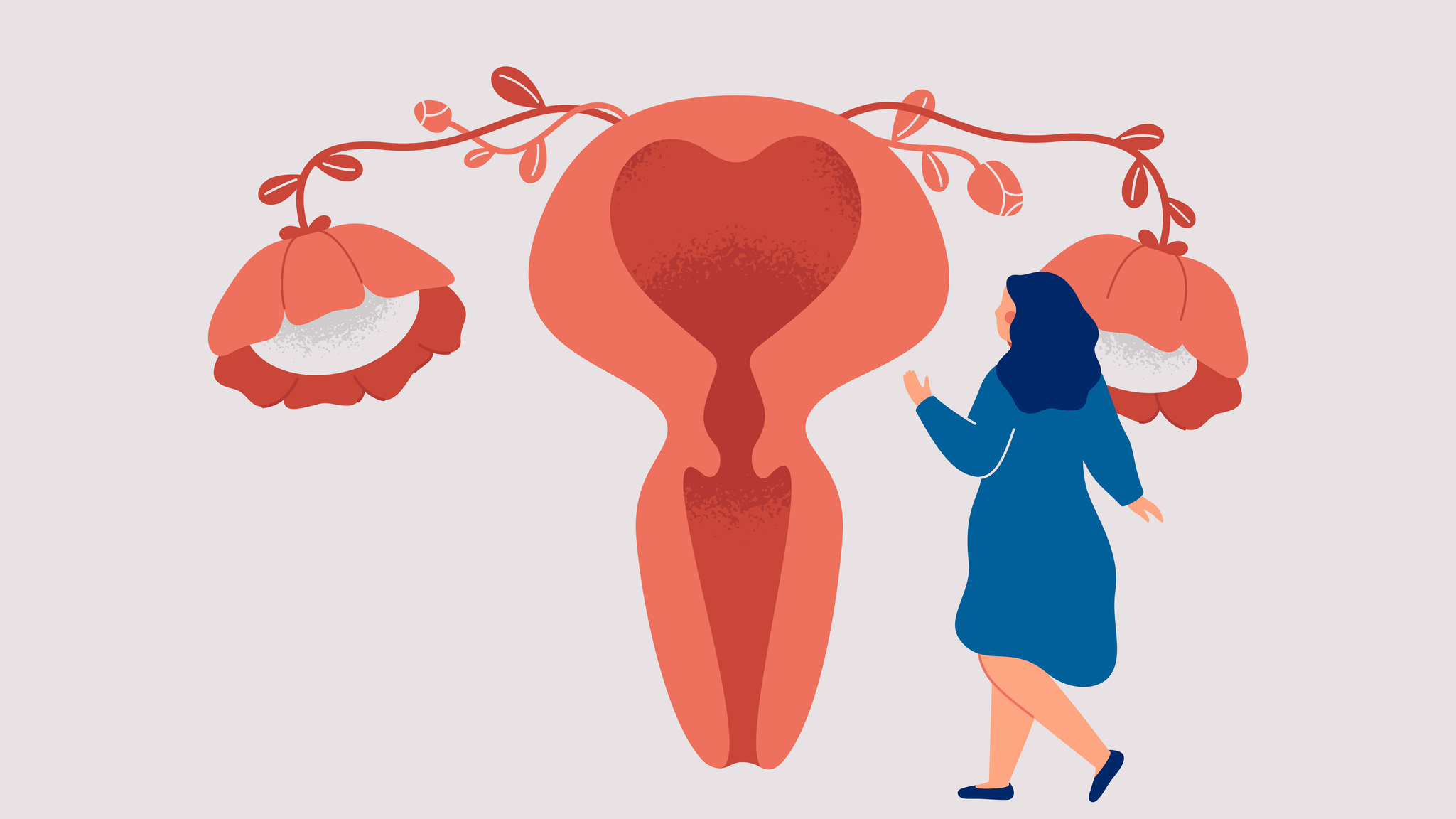
What is perimenopause? It’s a transition leading to menopause, marked by decreased production of estrogen and progesterone. This stage usually begins in the 40s but can start as early as the mid to late 30s. Symptoms include hot flashes, night sweats, mood changes, sleep disturbances, irregular menstrual cycles, vaginal dryness, and changes in libido. The duration and severity of these symptoms vary from woman to woman. Menopause officially begins after 12 consecutive months without a menstrual period.
How it impacts women dentists
Why is this stage of life particularly important for women dentists? The physical and mental demands of dentistry require special considerations, as perimenopause symptoms may affect one’s ability to work at full capacity. Fortunately, with self-awareness and mindful adjustments, these impacts can be mitigated.
Physical challenges include prolonged sitting, visual changes, hearing loss, and issues with hand-eye coordination. Joint pain, fatigue, and hot flashes can make working in awkward positions more difficult.
Solution: Consider ergonomic adjustments to your chair, take more frequent breaks, reduce work hours or workdays, and invest in better HVAC systems (fans and air conditioning) in your office. Some may opt for part-time work, sell their practices to reduce stress, or shift to academia, research, or mentoring.
Vision changes due to hormonal fluctuations can present unique challenges. The need for magnification increases, which means heavier loupes that strain the neck.
Solution: Microscope dentistry, offering the highest magnification and best posture, is on the rise but requires a significant learning curve and financial investment. I encourage newly graduated dentists to prioritize their neck, back, and eye health. Regular eye exams and updating prescriptions as vision changes are essential. Estrogen helps maintain tear production and eye moisture, so dry eyes, blurry vision, and light sensitivity can be managed with artificial tears or prescription drops. Polarized lenses or filters can help with light sensitivity. Consult an optometrist or medical doctor if you experience these symptoms and keep an eye on risks like cataracts and glaucoma.
Hearing loss is also a concern, as dental work environments involve high noise levels. The risk is increased during perimenopause due to reduced blood flow to the cochlea, which can impair sound processing and exacerbate tinnitus.
Solution: Use noise-filtering earplugs that allow conversation while reducing background noise.
Mental demands can be exacerbated by forgetfulness, difficulty concentrating, and mood fluctuations, affecting clinical performance.
Solution: Collaborate with colleagues, encourage teamwork, ask assistants to remind you of any missed steps, and consider implementing AI in record-keeping to combat brain fog.
The silent issue: LPR
Do you or your middle-aged colleagues often clear your throat during lunch? This could be a sign of laryngopharyngeal reflux (LPR). Estrogen helps regulate the esophageal sphincter, preventing acid reflux. As estrogen levels drop, reflux symptoms may appear, especially with weight gain.
Solution: Maintain a healthy lifestyle to prevent weight gain, avoid acidic foods, and eat earlier in the evening. Sleeping in a more elevated position can help, and a consultation with a doctor about proton pump inhibitors (PPIs) may be beneficial.
Is there anything good about aging?
Getting older has its perks: watching children grow, having more free time, enjoying the rewards of hard work, and experiencing less financial stress. Every stage of life has its pros and cons. Our profession should support the needs of an aging female demographic by raising awareness and offering education to help navigate perimenopause in good health
About the author:

Dr. Marina Polonsky, DDS, MSc is a gold medal University of Toronto ’99 graduate, she maintains private general practice in Ottawa, Ontario with focus on multi-disciplinary treatment utilizing lasers of different wavelengths. She holds a Mastership from World Clinical Laser Institute (WCLI), Master of Science in Lasers in Dentistry from RWTH University in Aachen, Germany. She is the founder of the Canadian Dental Laser Institute (CDLI), the only study club affiliated with the Academy of Laser Dentistry. She serves on the Executive Committee for Oral Health and is the editor of the Laser Dentistry issue.