
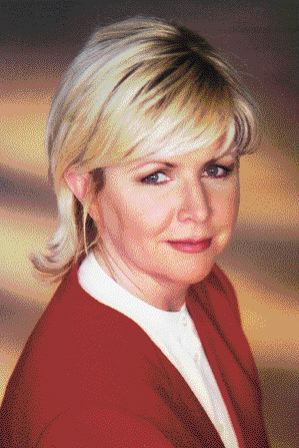
We do it right here in the pages of Dental Practice Management.
We talk about hardware and software and technology and equipment and in-chair entertainment and spas and gadgets and gizmos and marketing and coaching and law and architecture and finance, graduating and retiring.
Finally, we get to talk about health.
I’m not sure when the divorce between mouth and body occurred but the two have been reintroduced and it appears to be ‘taking’.
Oral health and systemic health.
Research is being conducted on the impact of periodontal diseases and systemic health. The relationship between perio disease and illnesses such as diabetes, cardiovascular disease, respiratory disease and others is being carefully scrutinized.
According to the National Institute of Dental and Craniofacial Research, “There is no doubt that oral health and general well-being are inextricably bound. Many conditions that plague the body are manifested in the mouth, a readily accessible vantage point from which to view the onset, progress and management of numerous systemic diseases.”
“One human mouth is home to more microorganisms than there are people on our planet earth…The oral and systemic health connection, then, lies in the many factors they hold in common. Fully integrated into the realm of biomedical research, oral health science is not only expanding our understanding of craniofacial-oral-dental diseases and disorders, but also is broadening the critical knowledge base of fundamental disease processes.”
The eyes may be the windows to the soul but the mouth is the front door to the body.
“The identification of dental caries and periodontal disease as infectious diseases by the 1960s heralded the first revolution in dental research. We are now in the midst of a second revolution where oral health research is taking its place in an ever-changing scientific world driven by the need to understand health and disease through the intricate interactions of human behavior, environment, and biology. Infectious diseases that took the young lives of our ancestors have been replaced with chronic and degenerative diseases that victimize us in our old age. These changing patterns of disease and demographics now challenge science to shift its focus from its success in extending life to the challenge of improving the quality of life from before birth until death. To reach this goal, science cannot look at a single molecule, or cell, or system in isolation, but rather at how these act in concert with behavioral, environmental, and genetic influences to heighten or minimize one’s risk of disease,” reports the National Institute of Dental and Craniofacial Research.
This multi-disciplinary problem presents the opportunity for a multi-disciplinary solution. Which brings us directly to the reality of integrated health care. This is the marriage of traditional health care disciplines and complimentary/ alternative medicine (CAM). Such tools include everything from energy therapies like Reiki and therapeutic touch to herbs, supplements, massage and acupuncture.
At a recent Health in the City presentation, Heather Boon, BScPhm, PhD, Leslie Dan Faculty of Pharmacy, University of Toronto said, “Integrated health care seeks, through a partnership of patient and practitioner, to treat the whole person, to assist the innate healing properties of each person and to promote health and wellness as well as the prevention of disease.”
Clearly, dentists, hygienists, all dental care providers are stakeholders, indeed front-liners, in this multi-disciplinary approach to healthcare. Openness, trust and mutual respect are key if the marriage between oral and systemic health is to flourish.