Grin and Share It: Unmasking the Reality Behind Social Media and Dentistry

oral-health-feb-2024 alternate text for this image

Afew weeks ago, I was delivering a continuing education session to a group of lovely general dentists, and following my lecture I opened the floor to questions. I found myself in an intriguing situation: a dentist in attendance asked if I had heard about patients taking several Tums before receiving local anesthesia to enhance its … Read more
An Implant Osteotomy Paradigm Shift – Benefits of Minimally Invasive Implant Osteotomy Creation Utilizing a Simple 2-Step Process

Birdi-Fig-35 alternate text for this image

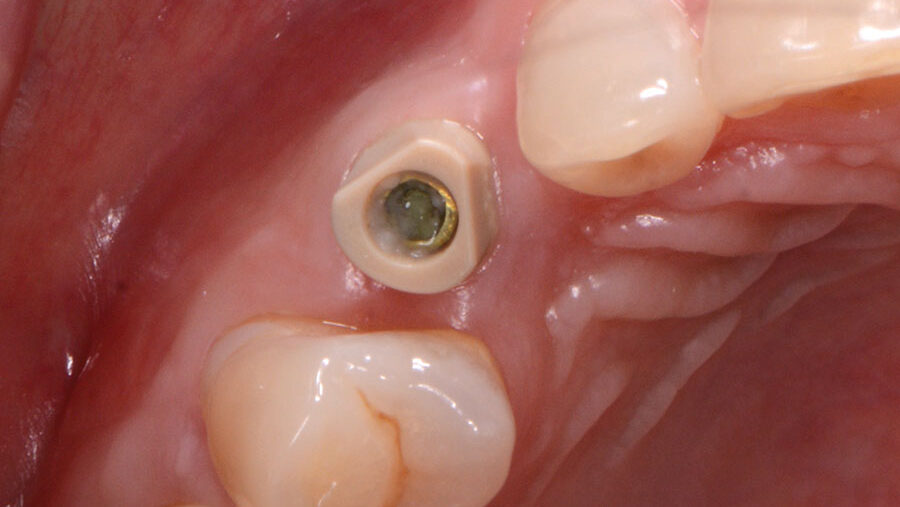
The field of implant dentistry has seen rapid innovation since Per-Ingvar Brånemark1 placed the first screw-retained dental implant in 1965. Yet, the approach to osteotomy creation has remained largely unchanged. Even with the advent of guided implant surgery and drilling innovations,2 patients are still expected to wait anywhere from three to six months for delivery of the … Read more

Hospital Dentistry: Willingness to Treat Individuals Living with Intellectual and Developmental Disabilities (IDD) Under General Anaesthesia

Lipinski-fig2 alternate text for this image

In addition to financial and physical barriers in accessing care, people living with intellectual and developmental disabilities (IDD) are on a spectrum for their ability to tolerate dental procedures (Fig. 1).3 Oral Health Care Provider’s ability and willingness to treat are factors determining the delivery of oral health care. Many oral health care providers feel they … Read more

Should MONA Be Used for the Treatment of Acute Coronary Syndrome

oral-health-feb-2024 alternate text for this image

Cardiovascular disease (CVD) encompasses illnesses of the heart and blood vessels.1 Worldwide, amongst all the CVDs, coronary heart disease (CHD) is leading cause of mortality and loss of Disability Adjusted Life Years (DALYs) globally.2,3 In Canada, approximately 2.6 million people aged 20 and above are diagnosed with heart disease.4 Although mortality in patients with known heart disease has … Read more

Epinephrine for Everybody?

oral-health-feb-2024 alternate text for this image

Epinephrine is the second-most frequently administered medication by dentists as it is present in almost all local anesthetic cartridges. Epinephrine is an endogenous hormone released from the adrenal medulla. Its main function is to support the body in times of physiologic stress by increasing cardiac output and glucose delivery to tissues.1 Within dentistry, epinephrine serves … Read more

Anesthetic Considerations for Patients Taking Glucagon-Like Peptide-1 Agonists

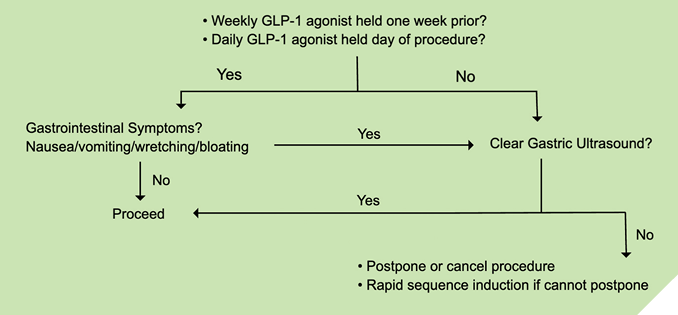
Decision algorithm for elective procedures adapted from CAS and ASA consensus statements.12,13

Semaglutide, more commonly known by the brand names Ozempic®, Rybelsus®, and Wegovy™ is a glucagon-like peptide-1 (GLP-1) agonist that has been used for several years in the management of type 2 diabetes mellitus (T2DM). Ozempic® and its cousins are recognizable names now because of their role in weight loss programs. The first GLP-1 agonist was … Read more

Maxillary Nerve Block via Greater Palatine Canal: An Olde Technique Revisited

bharathidasan-image alternate text for this image

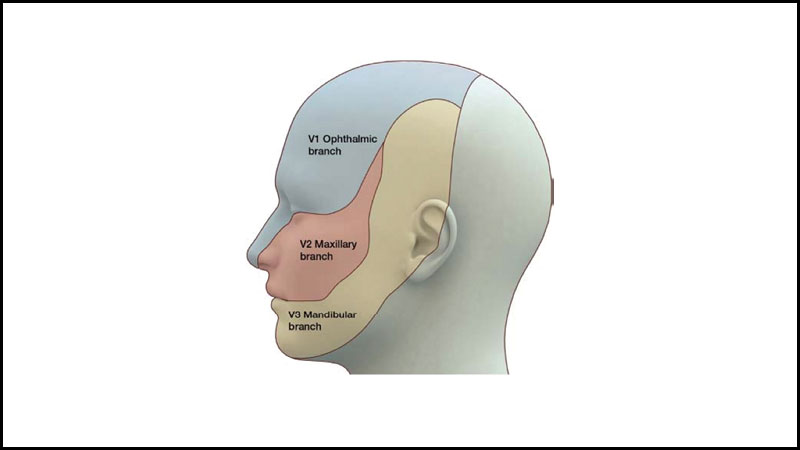
The maxillary nerve (V2) block via the greater palatine canal is a technique for providing profound anesthesia of the hemi-maxilla. However, many dentists lack confidence with respect to administering the maxillary block, as they are relatively unfamiliar with the anatomy of the region as it relates to this method. It has the advantage of obviating … Read more

Regulation of Dental Procedures or Dental Practitioners? Why Should We Care?

oral-health-feb-2024 alternate text for this image

On December 14, 2023, the Royal College of Dental Surgeons of Ontario (RCDSO) published a document entitled “Best Practices for Orthognathic Surgery in Out-Of-Hospital Facilities” (referred to as the “Best Practices Document” in the rest of this article), in which it specified a recommendation that, “[t]he general anaesthesia is administered by a medical anesthesiologist…” but … Read more

A Risk Manager’s Practical Guide to Meeting the Demand for Sedation Services

oral-health-feb-2024 alternate text for this image

Fear and anxiety toward dentistry are common in all cultures. Such feelings usually originate in childhood, persist through life, lead to avoidance of dental therapy, and contribute to diminished dental health.1 Indeed, psychological factors pose significant barriers to access to oral health care. Dentists are by and large aware that anesthesia and sedation services assist … Read more

A New Era Has Begun

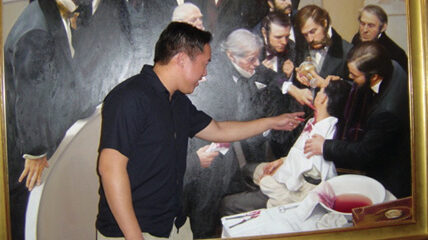
Photo: “Etherdome” at Massachusetts General Hospital (2006) Painting: “Ether Day” October 16, 1846 at the Massachusetts General Hospital. “The very first public demonstration of Anesthesia achieving insensibility to pain”. Dr. William Thomas Green Morton, A Boston dentist administered Sulphuric Ether to the patient Gilbert Abbott. The surgeon, Dr. John Collins Warren, removed a tumor from his neck. Knowledge of this discovery spread from this room throughout the civilized world and new era for medicine and dentistry had begun.

On February 17, 2023, the Canadian Dental Regulatory Authorities Federation approved the national recognition of Dental Anesthesia as a Specialty in Dentistry. Shall I be so bold to say “A New Era Has Begun”? As current President of the Canadian Academy of Dental Anaesthesia (CADA), I think I will be so bold as to name … Read more