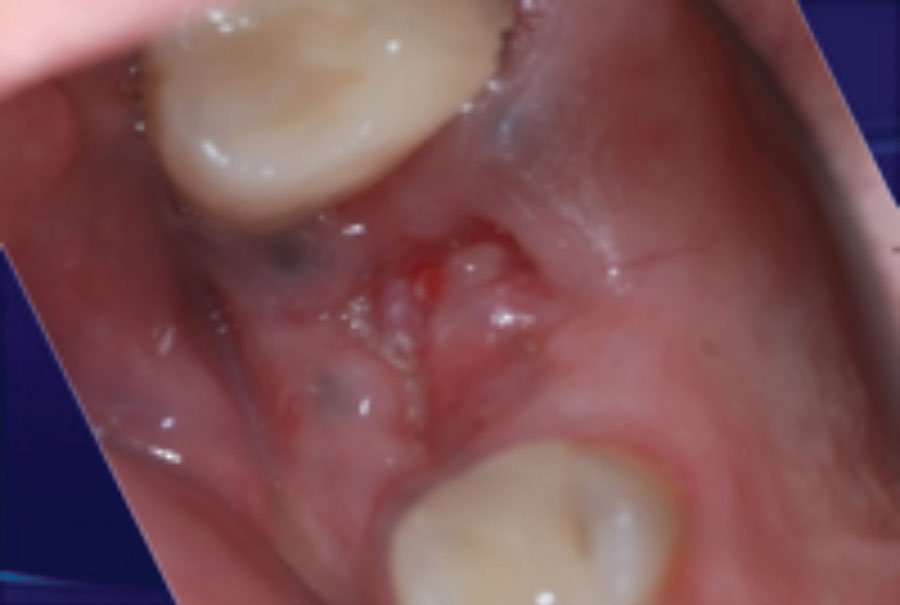
Risk Factors in Implant Dentistry: “Patient Related” Risk Factors
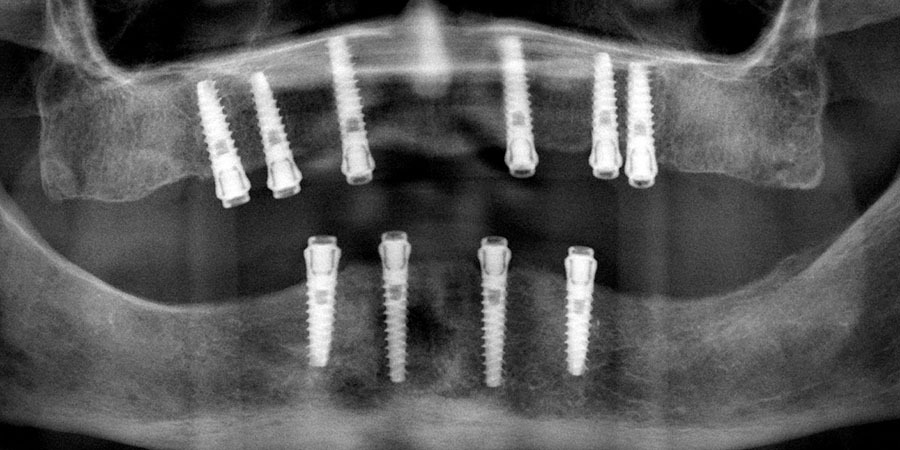
Arlin Case 2 image 10 3 years alternate text for this image

This article is the second in a series for Oral Health. The first article was published in the August 2015 issue, with the title “Surgical Risk Factors in Implant Dentistry: Influence on Failures and Bone Loss”. Table 1 in this article, organizes risk factors in implant dentistry into four categories. These were introduced in the … Read more
Dynamic Surgical Guidance to Facilitate Dental Implant Placement: A Case Report

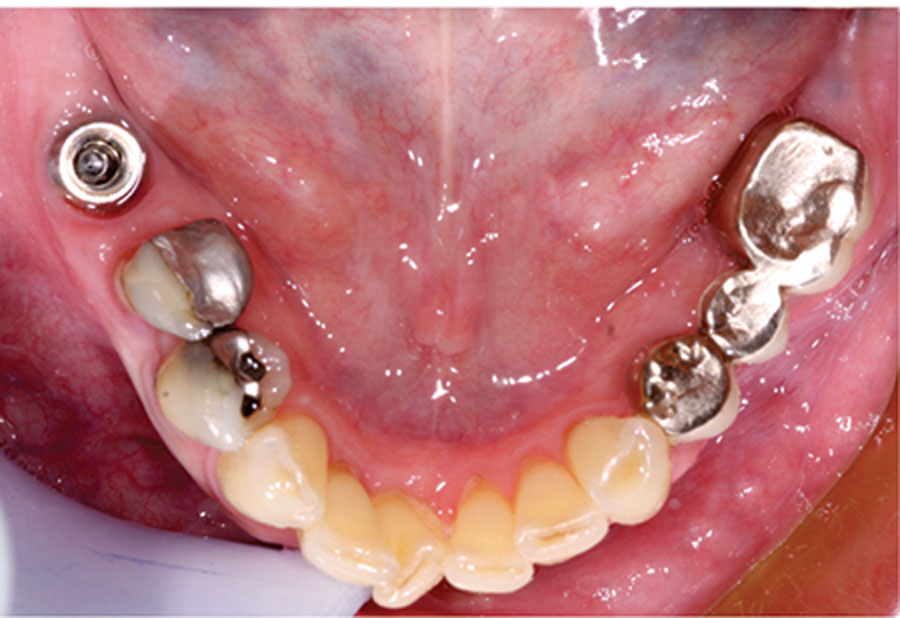
Bashutski Fig16A alternate text for this image

Introduction The long-term success of dental implant surgery is dependent, in part, on accurate planning and placement of the implant.1 Currently, there are many digital planning systems available to aid the clinician in pre-operative treatment planning, although the main challenge with these planning systems is to accurately transfer the digital plan to the clinical situation. … Read more

Innovation Comes to Life: Nobel Biocare Global Symposium 2016

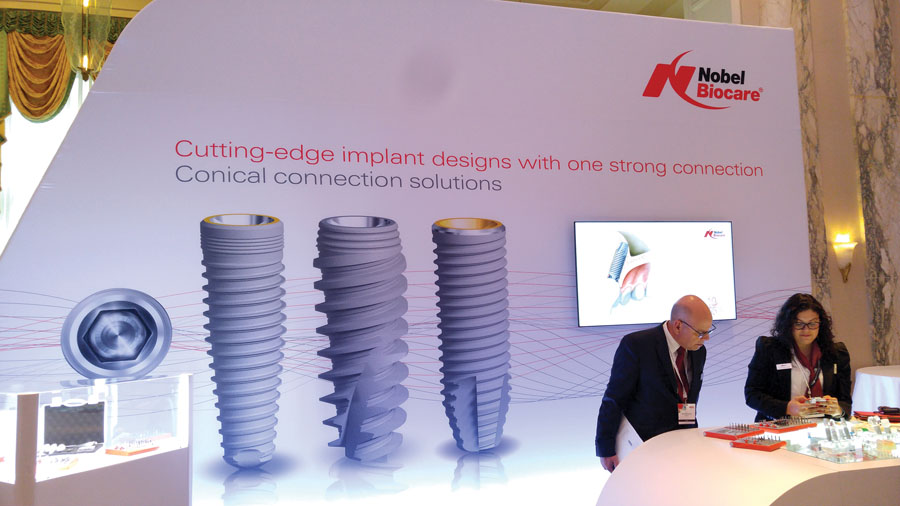
NOBEL 20160623_103907 alternate text for this image

Waldorf Astoria, NYC A continuous increase in demand for dental implant treatments as a result of growing consumer awareness, an ageing population, growing accessibility as well as greater product availability, has accelerated the demand for education in this field. With its global symposium in particular, Nobel Biocare has established itself as a provider of top-level … Read more

Advances in Implant Dentistry

Editorial pic Portrait alternate text for this image

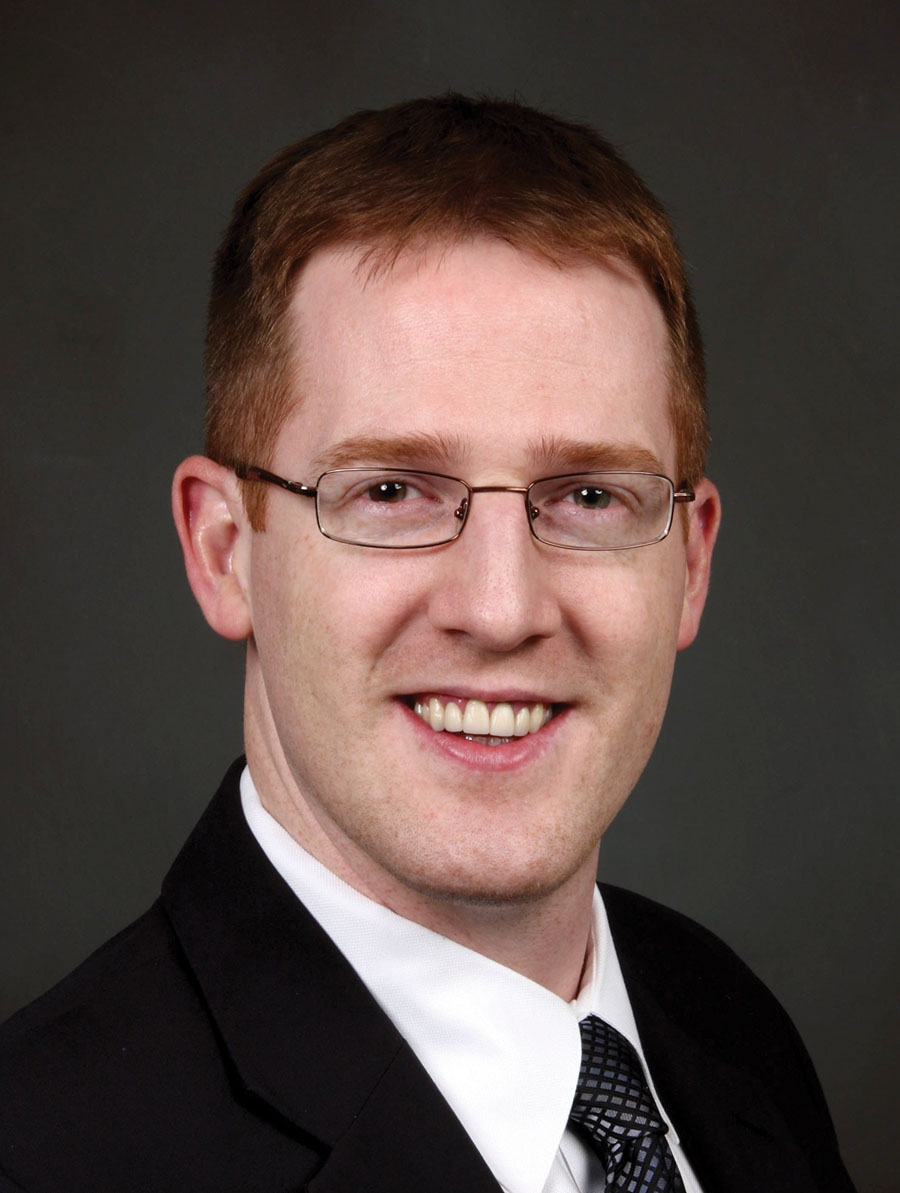
I am honoured to have been selected as an editor for the implantology issue of Oral Health. My father, Blake Nicolucci, has had an extensive career full of accolades and I can only hope to achieve some of what he has accomplished. He has served both Oral Health and the profession as a whole with … Read more

An Updated Approach to Ridge Preservation

Kohl 36. resorbable membrane secured with tack alternate text for this image

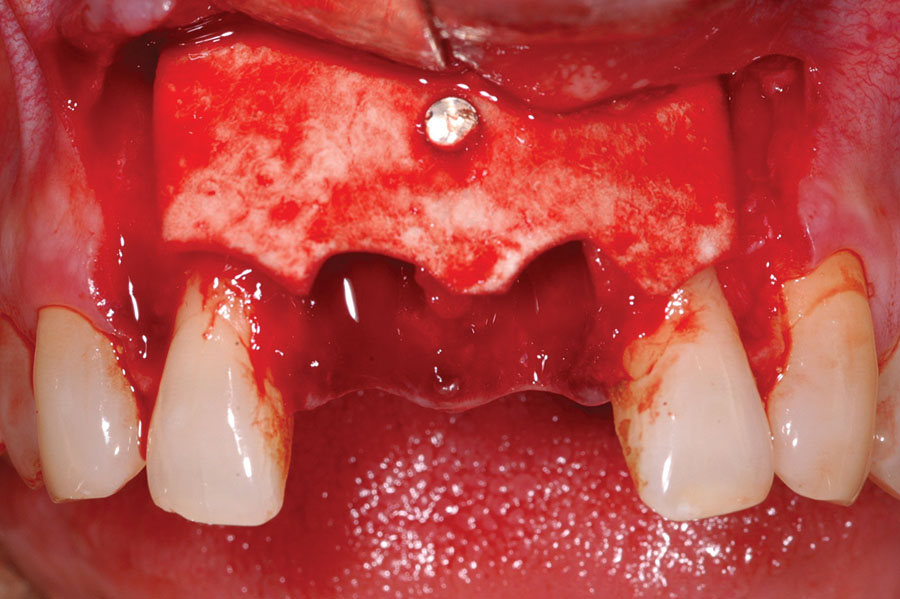
In a perfect world, after the extraction of a tooth, there would be complete preservation and restoration of the original ridge volume via the natural process of tissue modeling, which is ideal for future implant placement. Commonly, and unfortunately, this is not the case. Regardless of whether tooth removal is atraumatic or not, healing of … Read more

CAD-CAM Surgical Guides for Implantology: The New, The Old and The Essential

Poitras Figure-11 alternate text for this image

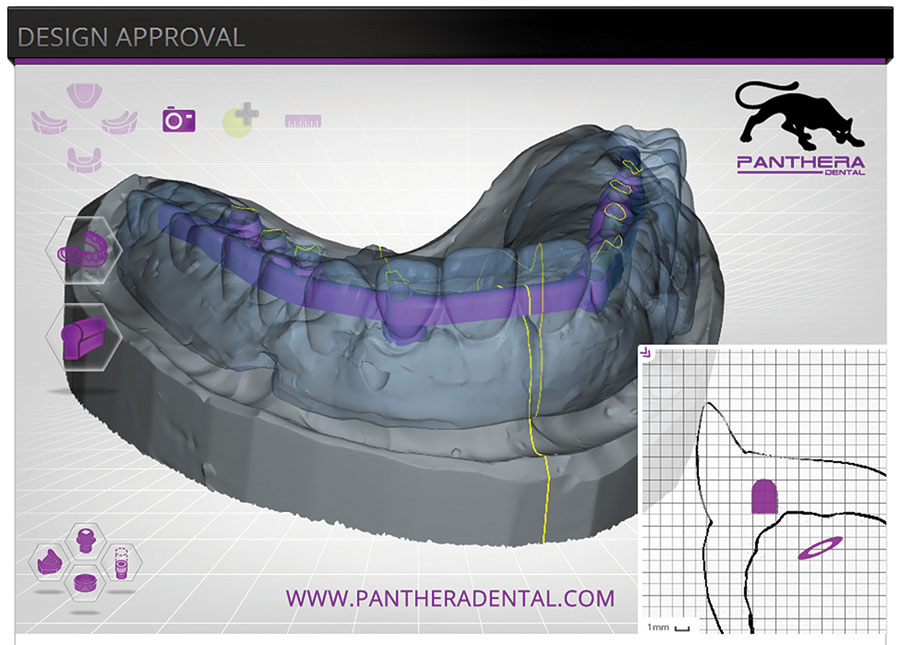
Introduction The use of a surgical guide is nothing new or revolutionary as clinicians have always had a need to more precisely position implants during surgery. Nearly 25 years ago, we at the Institut Canadien d’Implantologie developed a surgical guide. We wanted a better solution for the problems of conventional guides, which were often left … Read more

Predictable Enhanced Esthetics in Implant Restorations

Rosenfeld Fig42 alternate text for this image

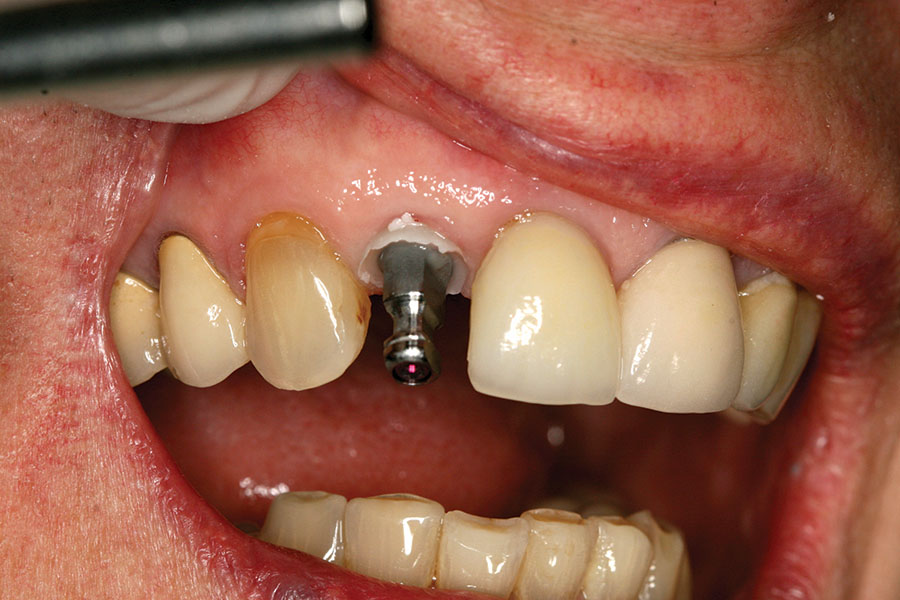
Much has evolved about the placement protocols and usage of endosseous dental implants. Early on, the osseointegration of dental implants was imagined as a way to restore patients with total or near-total edentulism, through the stabilization of a removable prosthesis. Initial protocols called for several months of healing after tooth removal. It was recognized that … Read more

Keys to Predictable Socket Grafting – Part 1

Misch Fig 5 alternate text for this image

To satisfy the ideal goals of implant dentistry in a predictable manner, hard and soft tissues should present in ideal volumes and quality. The alveolar process is affected so often after tooth loss that socket grafting is usually indicated to achieve optimal results. Reasons for socket grafting include an improved esthetic appearance particularly in the anterior alveolar ridge, preservation of remaining … Read more