
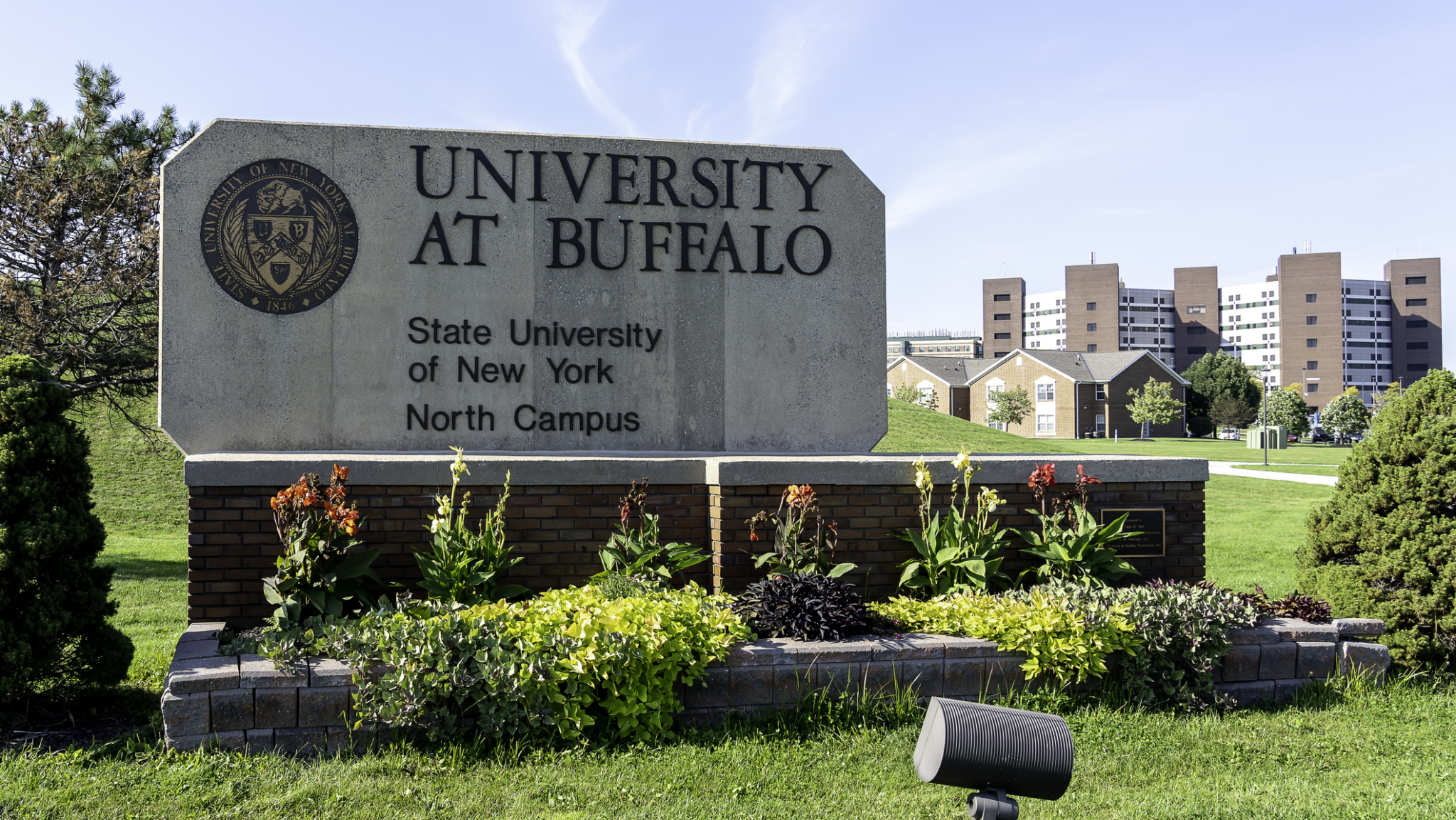

Two researchers from the University at Buffalo have received a two-year US$440,275 grant from the National Institute of Dental and Craniofacial Research to study how salivary glands repair and regenerate after injury.
Rose-Anne Romano, PhD, associate professor of oral biology in the University at Buffalo University at Buffalo School of Dental Medicine, is leading the project with co-primary investigator Satrajit Sinha, PhD, professor in the Department of Biochemistry at the Jacobs School of Medicine and Biomedical Sciences.
The researchers will examine how stem cells in the salivary glands enable the organ to recover and regenerate after damage or disease, ensuring proper saliva production and normal gland function.
“Despite the clear clinical need, we still do not fully understand how salivary glands maintain their normal physiological function and secrete saliva as and when needed upon the right stimulus,” Romano said.
Studying regeneration at the gene level
When organs such as salivary glands are damaged, stem and progenitor cells help rebuild tissue. Ideally, these cells replicate, determine what type of cells they should become and grow into functioning tissue.
“These decisions are controlled by networks of genes and signalling pathways that must turn on and off at the right time,” Romano said.
Previous studies by Romano, Sinha and collaborators used genomic and epigenomic data to decode salivary gland identity and the molecular mechanisms that support tissue maintenance and regeneration. That work identified a gene called Six1 that may play a key role in these processes.
Related: Chronotherapy in Dentistry: Another Treatment Approach
In the new study, researchers will examine what happens when Six1 is selectively turned off in a mouse model to determine how essential the gene is to tissue regeneration.
“We will also draw knowledge insights from other tissues and organs where similar regrowth and repair take place,” Sinha said. “Once this study is completed, we should be able to identify and better understand the key molecular cogs in the cellular machinery that facilitate the healing process.”
A global health issue
Salivary gland disorders affect an estimated 20 per cent of people worldwide, according to the researchers.
“Medication use — especially in older adults — is one of the most widespread contributors,” Romano said. “Overall, salivary gland dysfunction represents a significant and often underrecognized global health burden.”
Patients undergoing radiation therapy for head and neck cancer, those living with autoimmune conditions such as Sjögren’s disease, people taking certain medications and individuals experiencing age-related decline may develop chronic dry mouth.
The condition can affect eating, swallowing, oral health, sleep and overall quality of life.
Related: Use of “Black Magic” in arresting oral decay in Sjögren’s disease patients
Related: Sugarcane-based artificial saliva may protect teeth after head and neck radiation
Related: $2.1M NIH grant renewed for UB dental professor studying Sjögren’s disease