
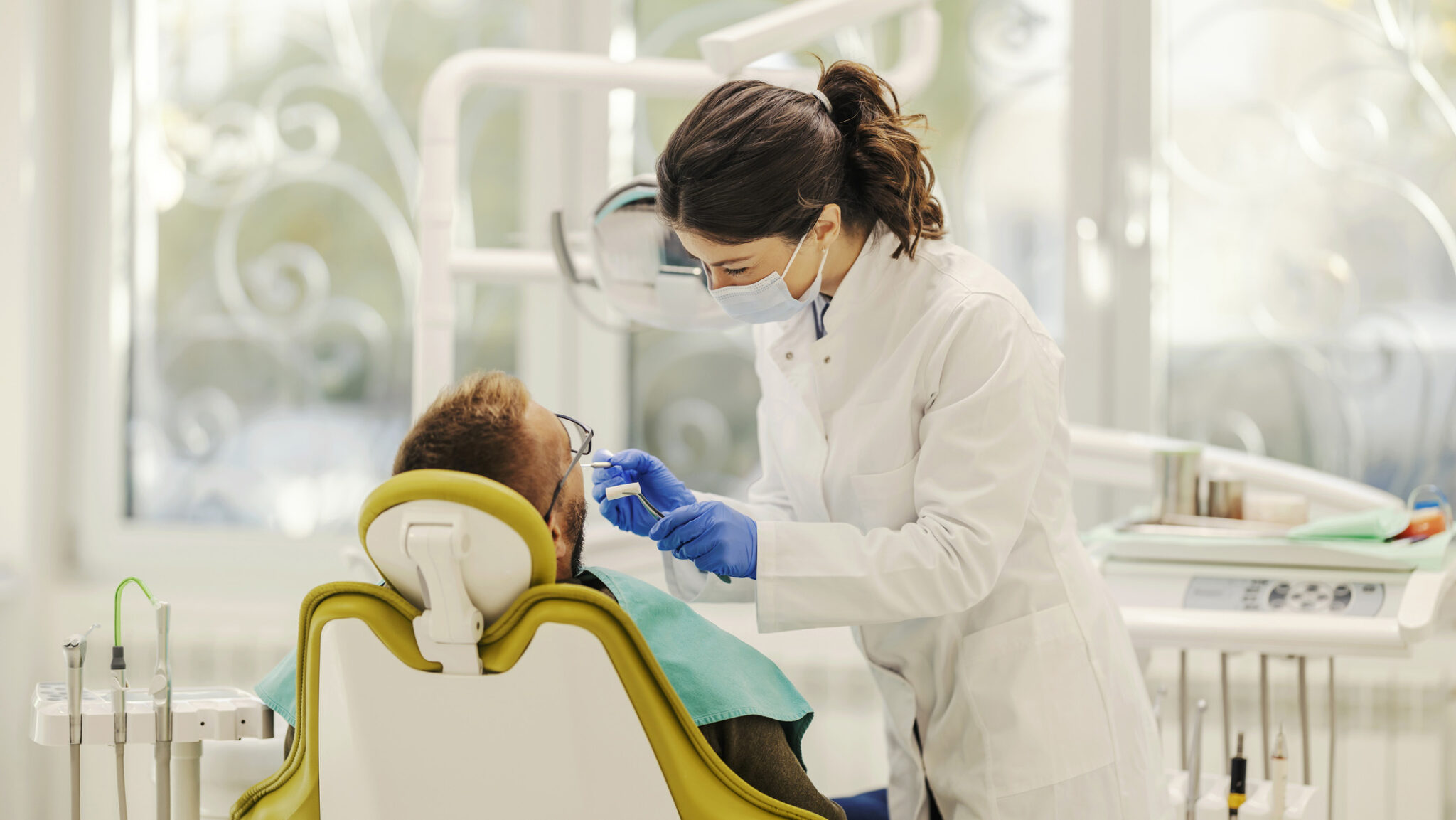

Regular dental care may significantly reduce the risk of a second ischemic stroke among patients with cardiovascular disease, according to research presented at the International Stroke Conference (ISC) 2026.
One abstract showed that patients who visited a dentist at least once a year had a 39 per cent lower risk of secondary ischemic stroke compared with those who sought dental care only when problems arose.
“Oral health care is a very actionable yet still underrecognized component of secondary stroke prevention,” Carly Pikel, a first-year medical student and study author, told The American Journal of Managed Care (AJMC).
Pikel noted that oral infection and gum disease are among the most prevalent modifiable health conditions worldwide, affecting an estimated 3.7 billion people, according to the World Health Organization. She added that this burden exceeds that of many traditional cardiovascular risk factors, even though oral health is not yet formally recognized in stroke-prevention guidelines.
Still not formally recognized
Despite growing evidence linking oral inflammation to vascular disease, oral health care is not formally recognized as a stroke-prevention strategy in major guidelines. The U.S. Preventive Services Task Force has concluded that there is insufficient evidence to recommend oral health care for stroke prevention, and the 2021 Secondary Stroke Prevention Guidelines do not address it.
Still, previous research led by Pikel’s mentor, Dr. Souvik Sen, has demonstrated associations between periodontal disease, oral inflammation, atrial fibrillation and stroke.
Related: NYU researchers urge adding oral health as a ‘significant’ dementia risk factor
Followed for 25 years
To further explore the relationship between oral health behaviours and stroke risk, Pikel and colleagues analyzed data from the Atherosclerosis Risk in Communities (ARIC) study, focusing on participants with a history of cardiovascular disease.
Participants answered oral-care questions at visit four and were classified into regular dental care (n = 637) or episodic dental care (n = 587) groups. Regular care was defined as visiting a dentist at least once per year, while episodic care referred to dental visits only when problems occurred.
Participants were followed for 25 years for the occurrence of secondary ischemic stroke.
Cox regression models showed that regular dental care was associated with a reduced risk of secondary ischemic stroke (hazard ratio [HR], 0.56; 95% confidence interval [CI], 0.40–0.78; P < .001). The association remained statistically significant after adjusting for demographics, vascular risk factors, oral hygiene practices and medication use (adjusted HR, 0.61; 95% CI, 0.40–0.93; P = .02).
For Pikel, the findings underscore the need for stronger collaboration between physicians and dental care providers.
Related: A year in review: Why 2025 showed oral health matters far beyond the mouth
Flossing and stroke risk
The findings add to emerging evidence linking oral health behaviours to stroke outcomes. A preliminary large-scale U.S. study led by Dr. Souvik Sen involving more than 6,000 participants suggested that flossing at least once a week may be associated with a lower risk of ischemic stroke and atrial fibrillation.
Related: Study: Flossing teeth at least once a week linked to lower stroke risk
The study, published by the American Stroke Association, found that flossing was associated with a 22 per cent lower risk of ischemic stroke, a 44 per cent lower risk of cardioembolic stroke, and a 12 per cent lower risk of atrial fibrillation. The findings are scheduled to be presented at the International Stroke Conference 2025 and have not yet been peer-reviewed.