
The University of Toronto’s Biomedical Engineering Design Competition (BMEC) is expanding nationally for the first time this year, with dentistry and oral health selected as the central theme — an area drawing increased national attention.
As of Dec. 31, more than six million Canadians have been approved under the Canadian Dental Care Plan (CDCP), with 3.7 million having already received dental care through the federal program following its full rollout to all eligible age groups last year.
BMEC is organized by the Club for Undergraduate Biomedical Engineering (CUBE), the oldest biomedical engineering student society at the University of Toronto. The group serves as a point of connection between students, researchers, clinicians and industry partners.
Related: CDCP ends 2025 with a milestone — but challenges persist
A national expansion
Presented this year as SmileHacks, the two-day competition will take place Feb. 20-21 and marks the first time BMEC is expanding beyond the university. Organizers say the event will bring together hundreds of students from diverse academic backgrounds and institutions across Canada.
Participants will be challenged to apply biomedical engineering principles to dentistry and oral health—fields that present significant opportunities across surgical, restorative and public-health domains. Throughout the event, students will compete in teams to develop solutions addressing key challenges within one of three streams: surgical intervention, restorative care or public health.
Competitors will have access to workshops and mentorship sessions designed to help refine their ideas and translate concepts into viable designs. At the conclusion of the competition, a panel of judges will evaluate the projects and select winning teams.
Overall, organizers say SmileHacks aims to foster measurable improvements in patient outcomes, clinical efficiency and access to care, while translating urgent clinical dental needs into scalable biomedical technologies. The event also highlights dentistry’s growing role as a critical and investable frontier for biomedical innovation.
Related: Harvard dental researchers explore AI for earlier head and neck cancer detection
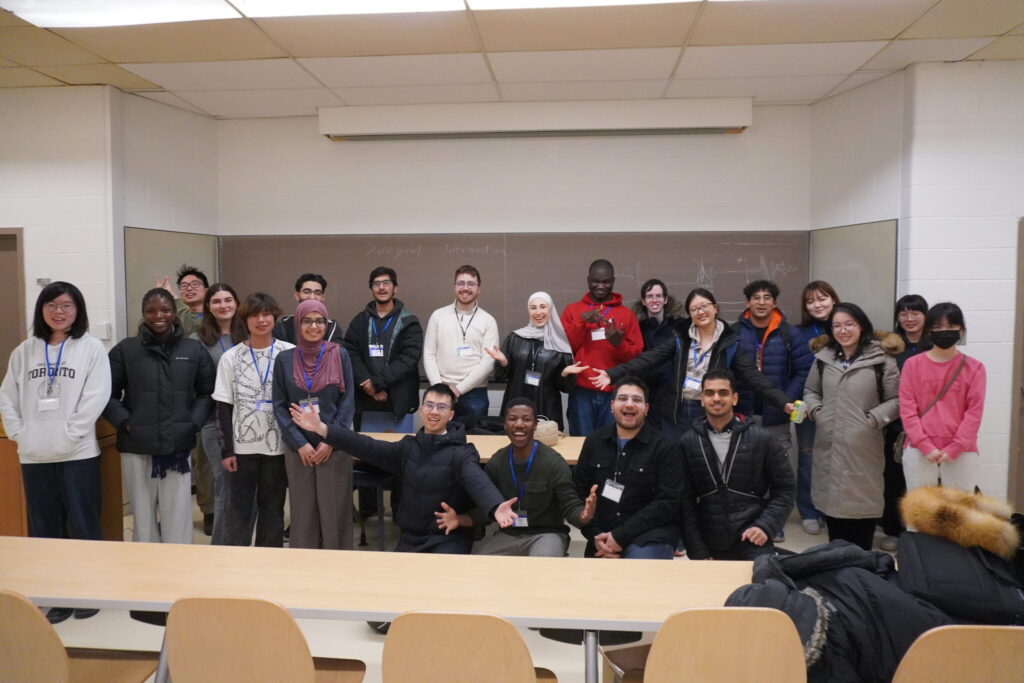
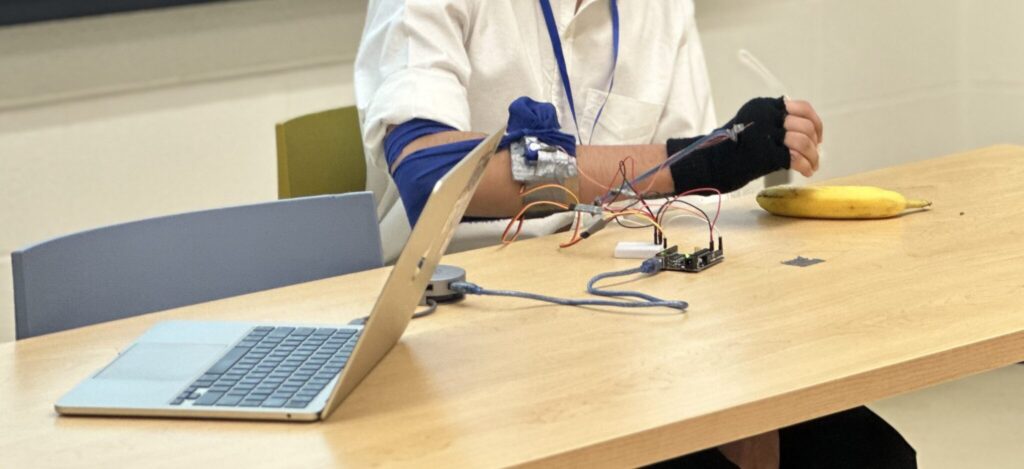
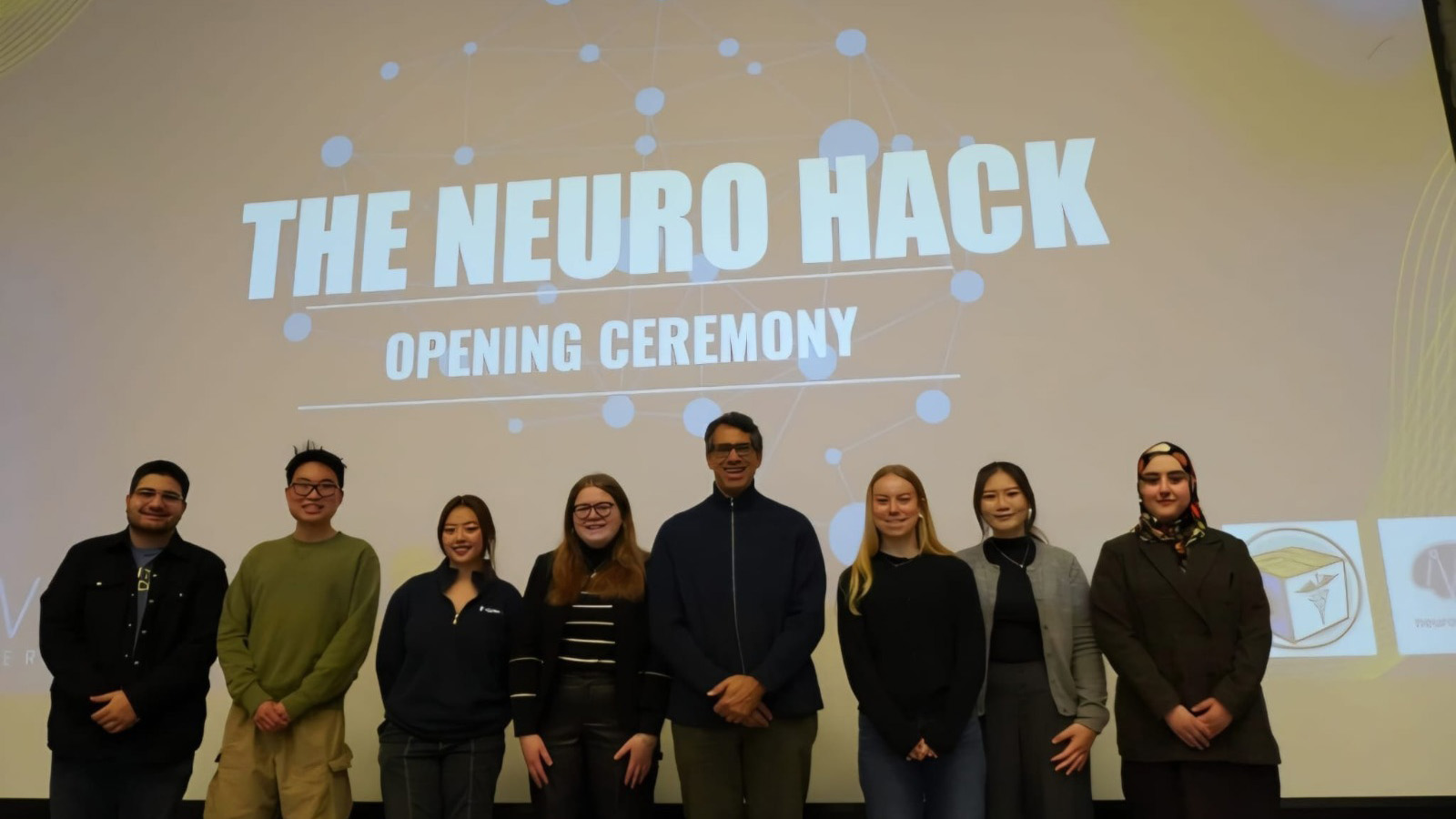
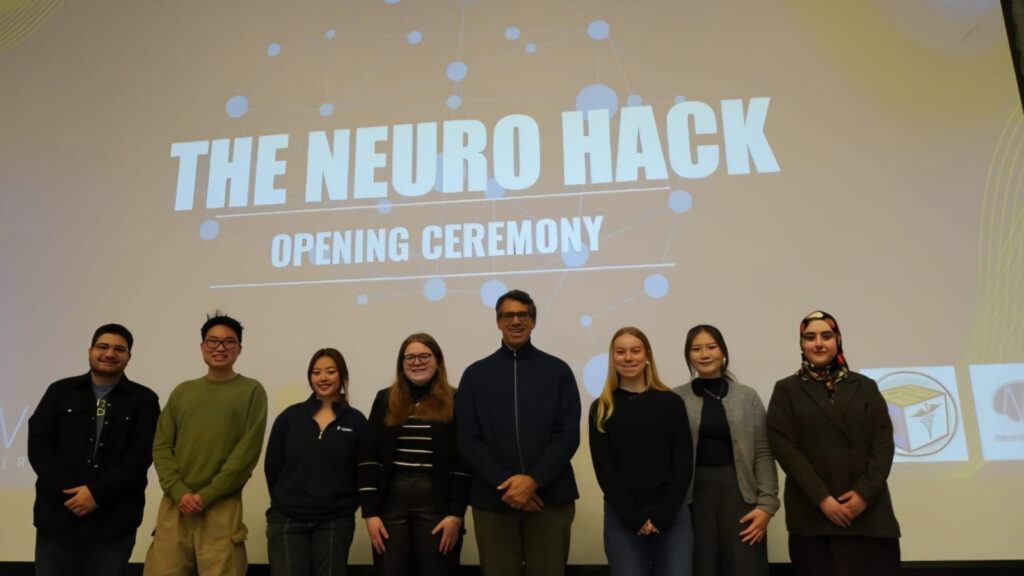
Each year, CUBE hosts BMEC, which is considered the largest biomedical engineering hackathon at the University of Toronto. Previous editions have explored topics ranging from cardiovascular disease to sleep disorders. In 2025, the competition was presented as The NeuroHack, focusing on neurological challenges in biomedical engineering.
Follow SmileHacks for event updates and highlights on Instagram.