

Researchers at Penn Dental Medicine have developed a plant-based drug to help treat periodontal diseases, commonly known as gingivitis and periodontitis.
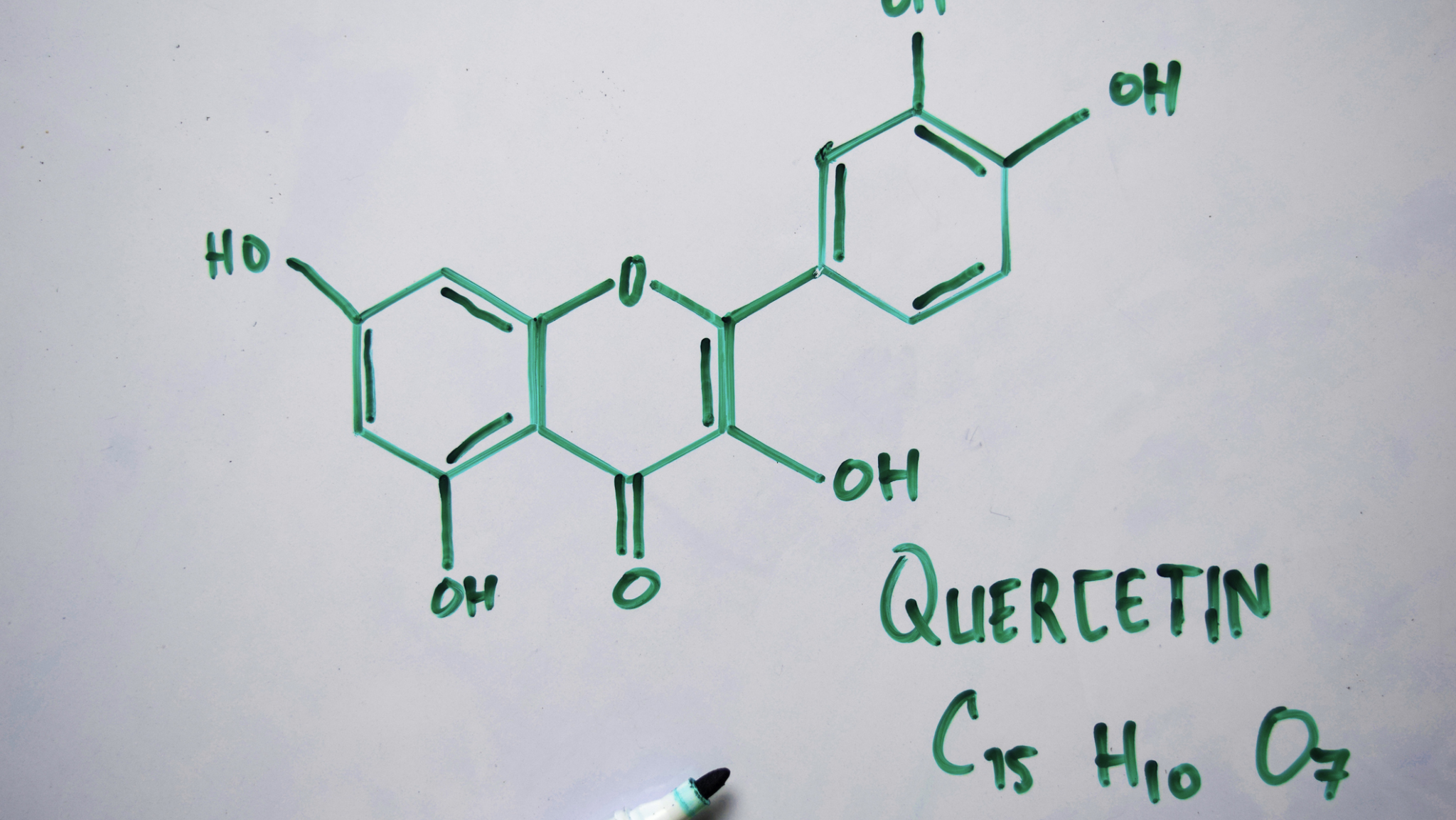
The anti-senescence therapy, or “senotherapy,” consists of an enzyme inhibitor called dasatinib and a natural flavonoid plant compound called quercetin, the university said in a statement on April 11.
“Our findings suggest that senotherapy offers a promising approach to preserving periodontal health,” said Dr. Esra Sahingur of Penn Dental Medicine. “Periodontitis is more than a bacterial infection—it’s driven by immune and metabolic dysfunction, cellular aging and inflammation. By targeting inflammation and senescent cells, we may disrupt the chronic disease cycle and unlock new preventive and therapeutic possibilities for oral and systemic health.”
Sahingur believes the drug could lay the foundation for more targeted and effective treatments and delivery options, especially in high-risk patients such as older adults, people with diabetes and those who are immunocompromised.
New therapy builds on earlier findings
The new therapy builds on the team’s earlier findings. In a previous study, the researchers showed that chronic gum inflammation can promote an aging-related condition called “senescence,” even in younger tissues. Senescent cells have permanently stopped dividing in response to stress and release inflammatory molecules that increase tissue damage, slow healing and accelerate disease.
“These results are consistent with our previous studies and a growing body of research that shows the powerful role of natural compounds, like quercetin, in promoting oral and systemic health.” Dr. Esra Sahingur.
The therapy works by reducing markers of senescence as well as inflammation and bone loss in laboratory and animal models. In one study, the team exposed gum cells to periodontitis-associated bacteria. The cells responded with a senescence-like molecular signature, which the dasatinib-quercetin (DQ) combination significantly weakened. Quercetin alone also had a similar effect.
In aging mice, the treatment reduced senescence markers and inflammatory mediators in gum tissues, restoring them to levels observed in younger animals.
Importantly, the DQ supplements also helped prevent the loss of alveolar bone—the bone that supports teeth—suggesting that senotherapy may help preserve the structural integrity of the periodontium.
“These results are consistent with our previous studies and a growing body of research that shows the powerful role of natural compounds, like quercetin, in promoting oral and systemic health,” said Sahingur.
“Our hope is that these initial clinical trials will provide proof of concept for leveraging the therapeutic potential of natural products—either as standalone agents or in combination regimens—as host modulatory strategies to enhance clinical outcomes in the management of periodontitis,” she added.
Their findings were published in the Journal of Dental Research. Sahingur now hopes to launch an early-stage clinical trial focused on quercetin, and potentially on lower, intermittent doses of dasatinib to assess its safety in periodontal use.
The study included undergraduate and dental students at Penn and was supported in part by the U.S. National Institute of Dental and Craniofacial Research.