
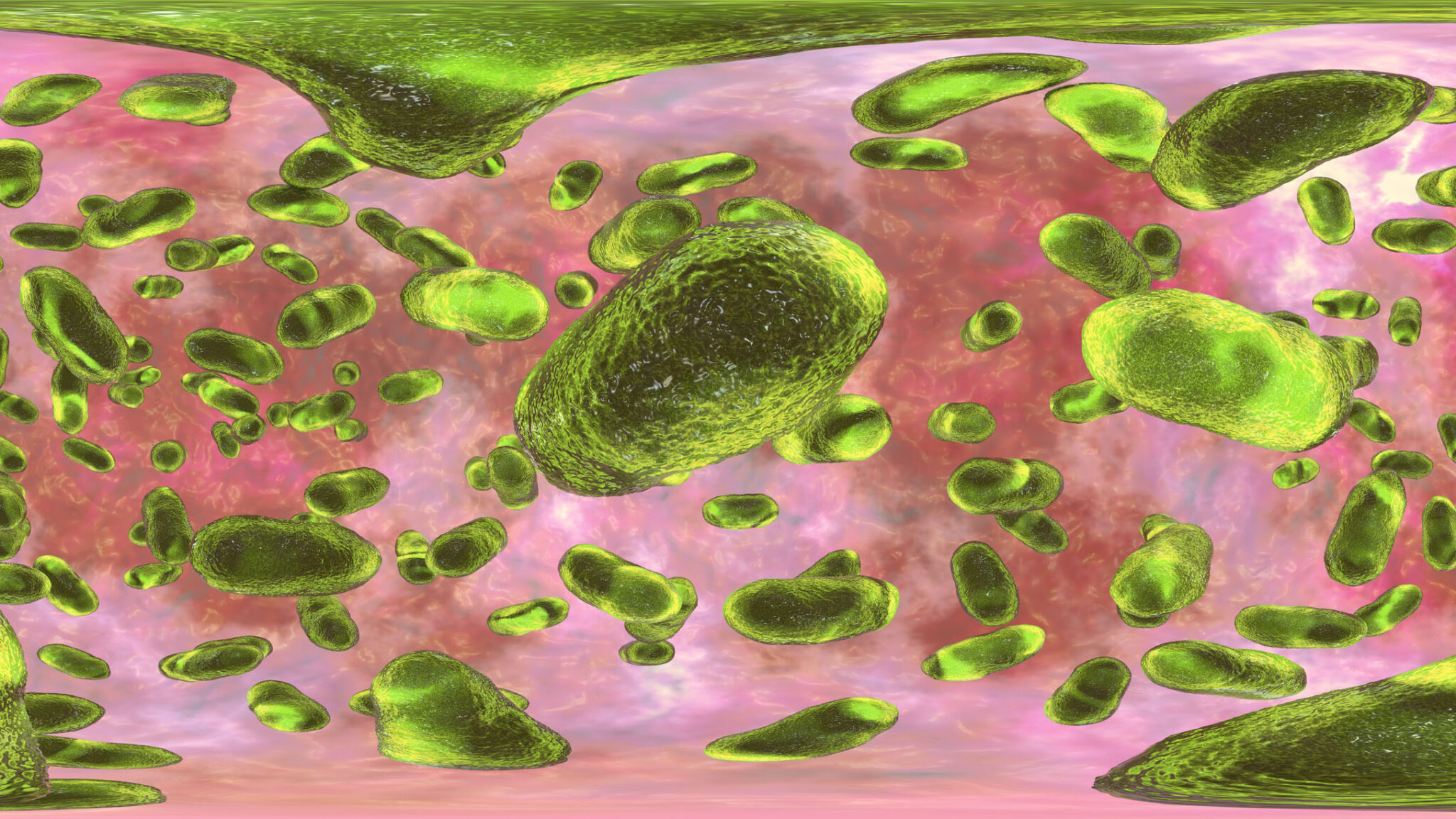
Dental researchers have discovered that the primary bacterium driving gum disease carries an internal “genetic brake” that controls its own aggression — a finding that could open the door to targeted genetic therapies.
Researchers at the University of Florida College of Dentistry say that by locking this brake in place, future treatments could silence Porphyromonas gingivalis while leaving beneficial oral bacteria untouched.
The study, led by oral biologist Jorge Frias-Lopez, PhD, focused on P. gingivalis, a so-called keystone pathogen. Even in small amounts, the bacterium can manipulate the surrounding microbial community, turning a healthy oral microbiome into a diseased one. It was published in the journal Microbiology Spectrum.
To understand how the pathogen regulates its behaviour, researchers examined a section of its genetic code known as a CRISPR array — part of the bacterial immune system that normally protects microbes from viruses.
However, the array investigated by the team did not match viral DNA. Instead, its genetic fragments appeared to target the bacterium’s own genome.
Related: Abundance of oral bacteria strongly influenced by genes, large study finds
Related: Dental researchers target bacterial communication to shape healthier oral microbiomes
When it became more aggressive
To test its role, researchers used gene editing to remove the sequence. Rather than weakening the pathogen, the deletion made P. gingivalis significantly more aggressive.
Without the genetic brake, the bacterium produced about twice as much biofilm — the sticky bacterial buildup that forms dental plaque — and triggered much stronger inflammatory responses in immune cells. In laboratory models, the altered strain also proved more lethal than the normal version.
The findings suggest the CRISPR sequence acts as a self-regulating mechanism that keeps the bacterium’s virulence below the threshold that would trigger a strong immune response.
By moderating its aggression, P. gingivalis can remain hidden within gum tissue and sustain the chronic inflammation characteristic of periodontal disease.
Related: Study reveals gums are pre-wired for immune defense — even in health
Current periodontal treatments — including deep cleaning, surgical tissue removal and antibiotics — reduce bacterial load but also disrupt beneficial microbes and may contribute to antimicrobial resistance.
Researchers say future therapies could instead target the bacterium’s internal regulatory system.
“Future studies should explore individual spacer-target interactions through targeted editing or spacer swapping within CRISPR arrays,” the researchers wrote.
They added that therapeutic approaches such as small-molecule inhibitors or antisense oligonucleotides that disrupt these interactions could represent a new class of antimicrobial strategy.
Scientists are also exploring the possibility of engineered bacteriophages — viruses designed to infect specific bacteria — that could deliver CRISPR instructions directly into P. gingivalis, effectively locking the genetic brake in place.
In Canada, signs of gum inflammation remained common among Canadians aged 20 to 79 years, with 83 per cent showing bleeding gums in 2022–2024, an important early sign of gum disease.
In the United States, about 42% of adults aged 30 and older have some form of gum disease — roughly two in five people. The condition is also a leading cause of tooth loss because it gradually destroys the bone that supports the teeth.