
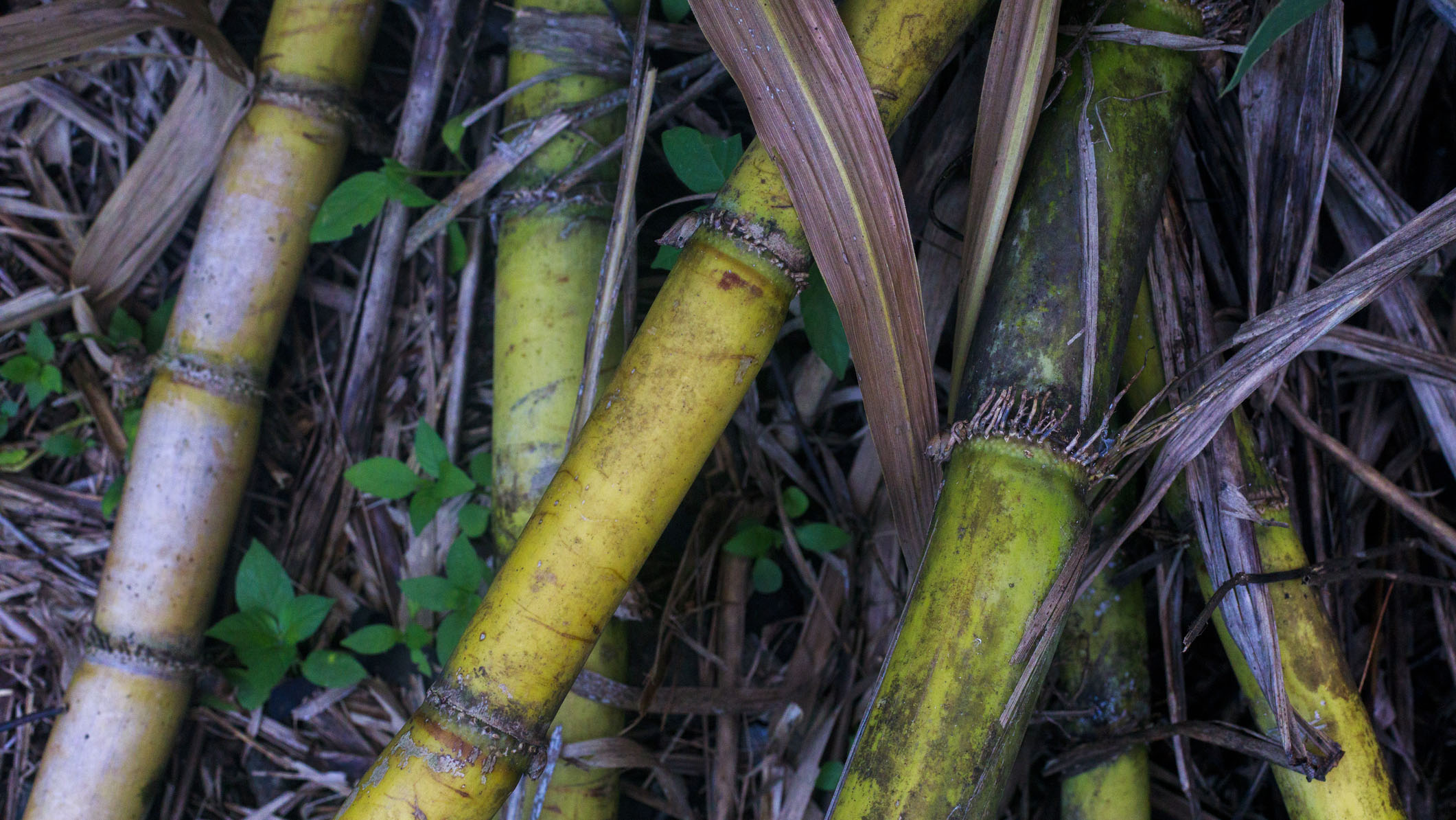
An artificial saliva developed from a sugarcane protein could help protect teeth in patients treated for head and neck cancer, a group at high risk of severe oral complications following radiotherapy.
Researchers at the University of São Paulo’s Bauru School of Dentistry have developed a saliva substitute containing CANECPI-5, a protein extracted from sugarcane and modified in the laboratory. Radiotherapy delivered close to the oral cavity can irreversibly damage salivary glands, sharply reducing saliva flow and leaving patients vulnerable to rapid tooth decay, infection and chronic dry mouth.
The study, published in the Journal of Dentistry, found that CANECPI-5 forms a protective “shield” over tooth enamel, helping defend it against acids from bacteria, beverages and even gastric reflux. The research was led by Natara Dias Gomes da Silva during her doctoral studies and involved collaborators from Brazil, the United States and South Korea.
Related: Researchers spotlight garlic extract mouthwash as possible alternative to chlorhexidine
In laboratory testing, the team applied a CANECPI-5 mouthwash once daily to small sections of animal teeth. The protein bound directly to enamel and significantly reduced demineralization — the loss of calcium and phosphate that weakens teeth and leads to cavities. The effect was strongest when CANECPI-5 was combined with fluoride and xylitol, which together lowered bacterial activity and acid damage.
“This is the first product to use the concept of the acquired pellicle to treat xerostomia,” said Prof. Marília Afonso Rabelo Buzalaf, who coordinates the broader research project. The acquired pellicle is a thin, protein-rich layer that naturally forms on teeth and plays a key role in protecting enamel.
Related: Maple compound and chamomile extract show promise in fighting cavities
The findings are particularly relevant for patients undergoing head and neck cancer treatment, who currently lack targeted products to prevent the aggressive cavities that often develop after radiation therapy. While existing artificial saliva products can ease discomfort, they do little to actively protect teeth.
Researchers have already tested CANECPI-5 in multiple formats, including mouthwash, gel and an orodispersible film that dissolves on the tongue. A patent has been filed, and the next challenge is scaling up production through partnerships with industry.
Further studies will explore combining CANECPI-5 with other salivary peptides, antioxidants such as vitamin E, and potential applications in periodontal disease and wound healing.