Food Choices For Optimal Post-Operative Healing: What Advice Can We Provide a Patient?

The success of a delicate periodontal procedure is dependent on both the skill of the clinician as well as several patient-associated factors. These include the past and present smoking status, systemic health conditions and compliance to post-operative protocols. Any one of the factors or in combination can delay or impair the healing process. However, common … Read more


Bacteria responsible for gum disease facilitates development and progression of rheumatoid arthritis

University of Louisville

Does gum disease indicate future joint problems? Although researchers and clinicians have long known about an association between two prevalent chronic inflammatory diseases – periodontal disease and rheumatoid arthritis (RA) – the microbiological mechanisms have remained unclear. In an article published today in PLoS Pathogens, University of Louisville School of Dentistry Oral Health and Systemic … Read more

New Reports Confirm Perio-Systemic Connection and Outline Clinical Recommendations

American Academy of Periodontology

European Federation of Periodontology and American Academy of Periodontology Issue Consensus Reports Reaffirming Relationship between Periodontal Disease and Cardiovascular Disease, Diabetes, Adverse Pregnancy Outcomes The American Academy of Periodontology (AAP), in collaboration with the European Federation of Periodontology (EFP),) recently published a series of consensus reports that analyze the scientific evidence linking periodontal disease, specifically … Read more

American Academy of Periodontology Issues Report on Peri-Implant Disease Risk Factors, Diagnoses and Clinical Implications

American Academy of Periodontology (AAP)

The American Academy of Periodontology (AAP) recently published a report, “Peri-Implant Mucositis and Peri-Implantitis: A Current Understanding of Their Diagnoses and Clinical Implications” in April’s Journal of Periodontology. The paper was developed in an effort to review the current knowledge of peri-implant mucositis and peri-implantitis, and guide dental professionals in their diagnoses and disease prevention. … Read more

Careful what you wish for … Dad and Mom

Dr. Birek is an Associate Professor in the Department of Periodontics and staff surgeon with the Oral Reconstruction Unit at the University of Toronto. He maintains a private practice in Periodontics and Implant Surgery in Toronto. Peter is the Periodontology editor for Oral Health Journal.

There is no more precious moment in the life of a parent than the celebration of a child’s achievement – in my case a graduation. One such moment occurred this year when I hooded my daughter in front of the Chancellor accepting her into the Doctor of Dental Surgery degree at her convocation from Schulich … Read more

Host Modulation Therapy for Periodontal Disease: Subantimicrobial-dose doxycycline, Medical as well as Dental Benefits

Introduction and BackgroundA number of articles over the past two decades have reviewed the scientific and clinical rationale for incorporating a novel non-antibacterial formulation of doxycycline in the treatment of: (a) periodontal diseases (chronic periodontitis primarily, but also generalized aggressive periodontitis, and refractory periodontitis); (b) other oral inflammatory conditions such as pemphigoid; and (c) several … Read more

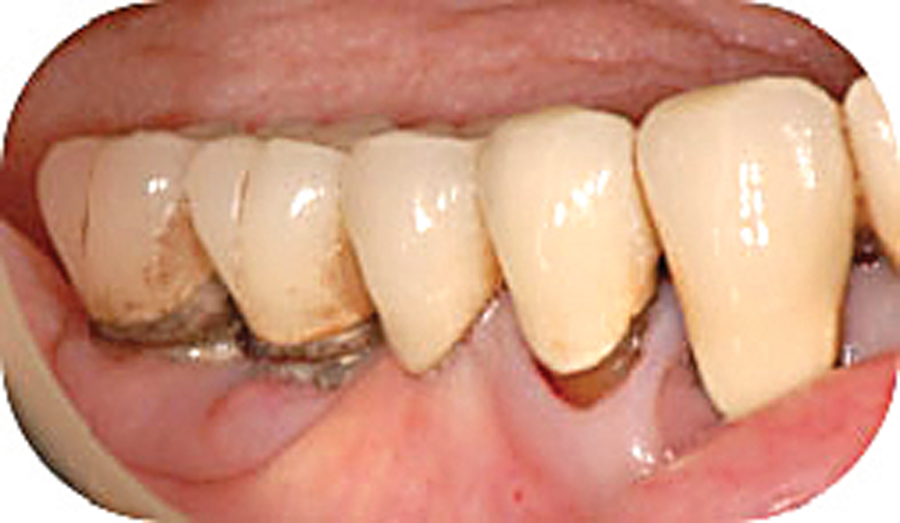
Supportive Implant Therapy Protocol for the Patient with Single or Multiple Implants

Figure 13. (B)

While the advent of implant dentistry has provided the option of a fixed prosthetic solution, the responsibility for the maintenance of implant dentistry often rests with the patient and the dental hygienist. Without supportive implant therapy, the possibility of peri-implantitis developing is well established1. However, the development of effective protocols has been limited due to … Read more

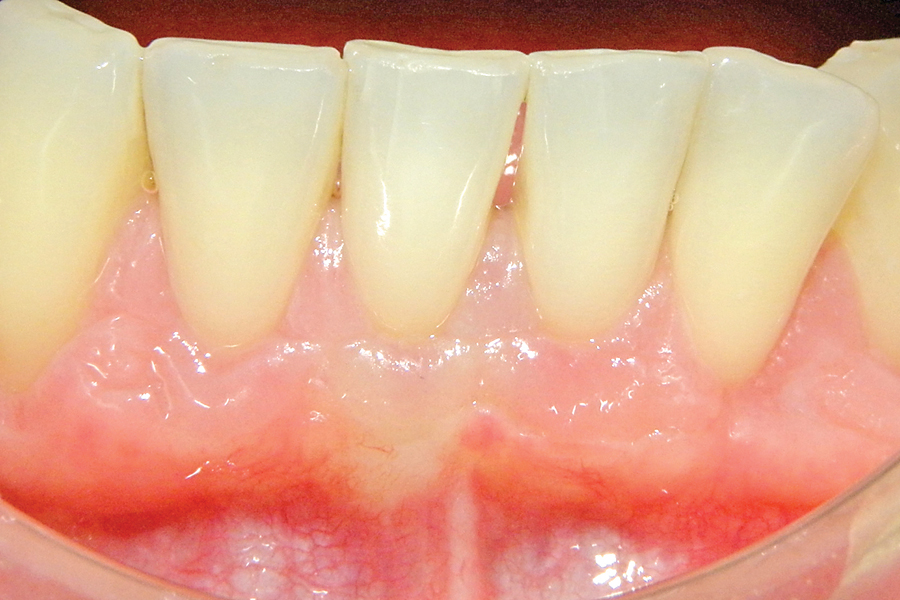
Management of Soft Tissue Recession: Rationale and Treatment Options

Figure 10. 1 month post-operative view of connective graft procedure over the buccal of teeth 31-42.

Many techniques have been developed over the years for managing gingival recession and preventing it from progressing. These techniques have been shown to be very successful (Chambrone et al. 2010), provided proper diagnosis has been made. Proper diagnosis of a mucogingival deformity relies on clinical assessment of the recession present and soft tissue assessment, specifically … Read more

Obesity and Periodontal Health: What’s the link? Should I be concerned?

Are the waistlines of your patients changing? Are your patients heavier than they were 10 years ago? Canadian statistics suggest that the answer is a resounding “yes”. Over the past 20 years, the percent of men and women who are obese has increased by 8-10%. The latest estimate is that almost 25% of all Canadians, … Read more

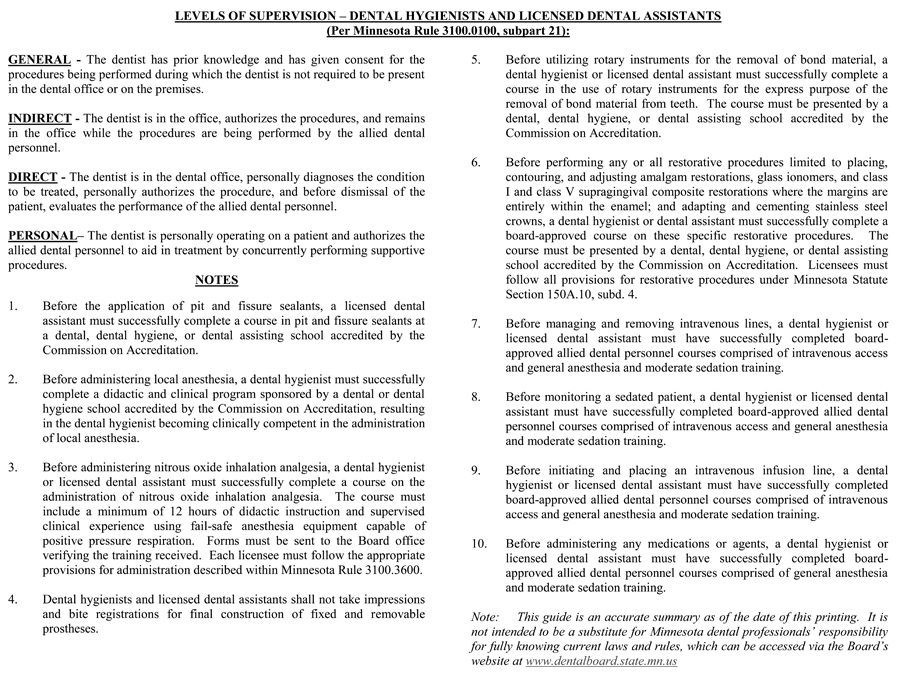
Minnesota’s New Dental Therapist: Where Are We Now?

Figure 3. Levels of Supervision - Dental Hygienists And Licensed Dental Assistants (Per Minnesota Rule 3100.0100, subpart 21)

The State of Minnesota has finally licensed the first Dental Therapist and the whole world is watching this new dental experiment down in the Land of Ten Thousand Lakes. The American Dental Association and the Minnesota Dental Associated were initially opposed to the new Dental Therapist Law, mainly because of concerns about patient safety and … Read more

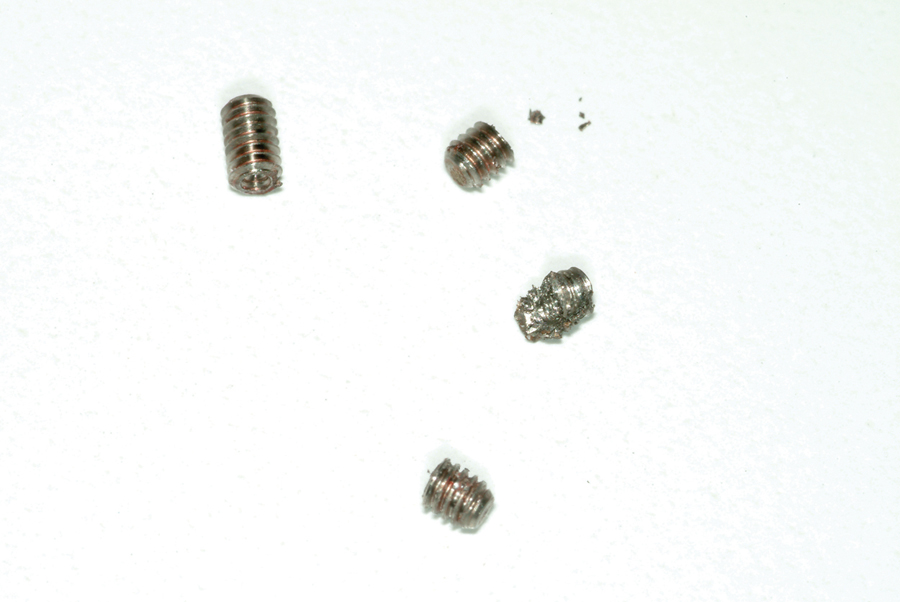
Retrieval of Fractured Prosthetic Screws from Dental Implants: A Case Report

Figure 8. Three fractured prosthetic screws retrieved successfully (one of the screws had broken into two pieces).

Endosseous implants were introduced to the dental community in 19811 and are becoming increasingly popular in both the dental profession and with patients as a reliable treatment choice for the replacement of missing dentition; there is ample supporting evidence of their long-term success.2 With high success rates of between 95-98%3 and low incidence of complications, … Read more

Removing Implants…With a Twist…

Figure 6D.

INTRODUCTIONIn the last three decades, dentists have placed and restored implants to meet patient’s functional and esthetic needs. As the field evolved, we have learned through shared collective experience to evaluate clinical surgical and prosthetic parameters and risks factors to successfully manage difficult situation involving compromised soft and hard tissues. The accumulated research clearly supports … Read more

Radiographic Journey Through Implant Treatment

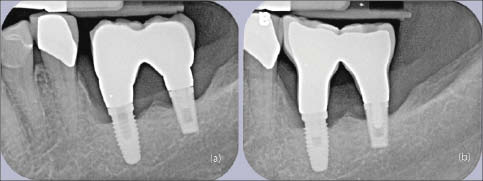
Figure 16. (a) This cemented two-unit fixed prosthesis (splinted crowns) 36-37 was clinically mobile. A slight gap is present between the abutments and the implant platforms especially at the implant 37. Note the "absence" of the abutment screw within the implant 36. This observation is important because it implies that this fixed prosthesis may be removed by accessing the distal abutment screw only. This cemented prosthesis had to be cut off and a new screw-retained fixed prosthesis was fabricated as part of an overall treatment plan. (b) The new two-unit screw-retained fixed prosthesis. Note the presence of both abutment screws as well as the depth of their positions within the implants (screw chambers). In particular, note that depth of abutment screw position within the implant screw chamber of implant 37 between the old loose prosthesis (a) and the new one (b).

INTRODUCTIONExcellent theoretical knowledge and clinical skills provide a firm foundation for success in implant dentistry. However, inability to see “inside” the tissues and the prosthetic replacements may hamper the ability to deliver optimum treatment outcomes. Radiographic prescription is often needed to provide a more complete picture of the current clinical situation and to guide further … Read more

Periodontal Health and the New Recommendations for the “Sunshine Vitamin” and Calcium

This same time last year we provided a summary of literature suggesting that vitamin D – often referred to as the “sunshine vitamin” because we can endogenously synthesize it via stimulation of our skin by ultraviolet rays – may protect against periodontal disease. Since vitamin D and calcium are often studied together when assessing bone … Read more

Pipelines for Halitosis

WHAT IS IT? Halitosis or bad breath, oral malodor, foetor oris, or foetor ex ore, refers to the sense of an unpleasant smell in someone’s breath. Halitosis is not necessarily a disease but a sign indicating that something may be wrong in the body. Equally so it could be physiological or caused by poor oral hygiene. … Read more

A Microsurgical Approach for the Regeneration of Osseous Defects

Figure 18.

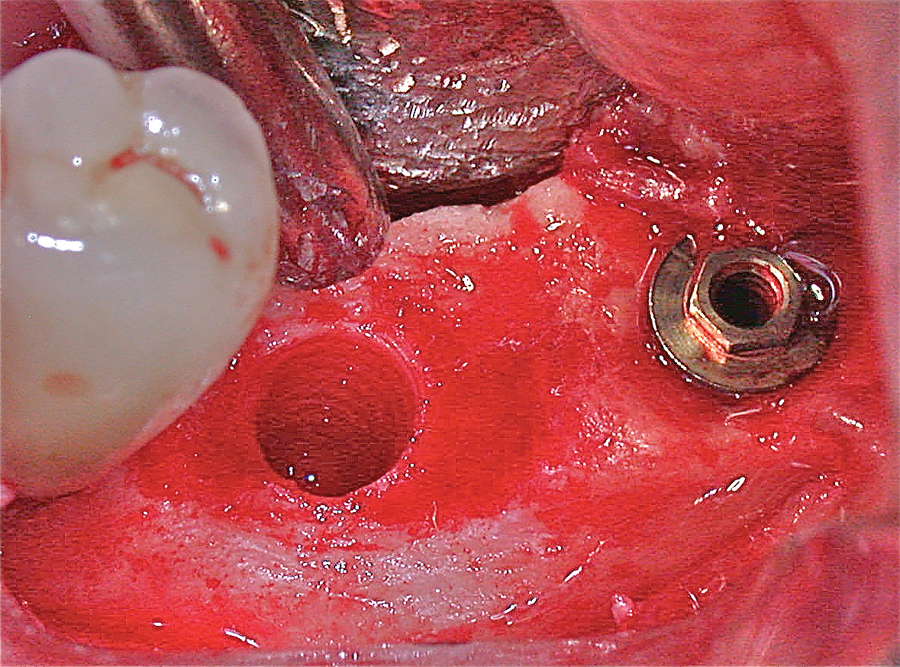
INTRODUCTIONA major issue for the near future is the growing incidence of peri-implant osteitis (Fig. 1). Depending on the study, between 25-53% of patients with implants in Europe have peri-implant osteitis.1 It is not surprising that patients that did not take care of their natural teeth do not take better care of their implants. The … Read more

A Hybrid’s Perspective on Dentistry

Eric Freeman DDS, MSC.D, DIP. Periodont. Professor and Course Director, Histology Professor, Discipline of Periodontology Faculty of Dentistry University of Toronto

I have had the privilege of teaching at the Faculty of Dentistry, University of Toronto for 41 years. I teach Histology, a basic science and Periodontology, a clinical science. As a practicing periodontist for the last four decades I have been very lucky to have an extramural private practice with wonderful staff and patients. Being … Read more

Dental Internet Directory

ASSOCIATIONS ASSOCIATION OF DENTAL TECHNOLOGISTS OF ONARIO The official voice of Registered Dental Technologists in Ontariowww.ADTO.org CANADIAN DENTAL PROTECTIVE ASSOCIATIONBecause bad things happen to good dentists.www.cdpa.com ONTARIO ACADDEMY OF GENERAL DENTISTRYQuality of care through life long learning.www.ontarioagd.org TORONTO ACADEMY OF DENTISTRYToronto Meetings Calendar, CE, Winter Clinic, Society Listings, etc.www.tordent.com CONTINUING EDUCATION FACILITE OD ORTHODONTIC RESEARCH & CONT. … Read more

The OravitalTM System: A Paradigm Shift in the Treatment of Periodontal Disease

Figure 10 - Patient #10 results.

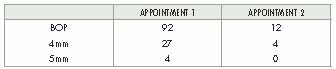
There is substantial evidence indicating that most forms of periodontal disease are specific infections caused by an overgrowth of mainly anaerobic bacteria species. Standard treatment for periodontal disease is mechanical debridement and successful treatment can be associated with the reduction in levels of these anaerobes in the dental plaque, thus improving periodontal health.1 Patients may … Read more