The 411 on 911s in Orthodontic Treatments
Epstein Picture1 alternate text for this image

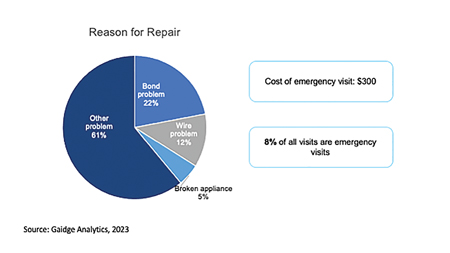
Abstract Orthodontic treatments can seem overwhelming, burdensome, and uncomfortable for patients, parents, and – when it comes to emergency visits – for orthodontists as well. As we evolve the industry, we must keep the patient’s experience top of mind and put them in the driver’s seat. In her article, Dr. Sima Yakoby Epstein, Founder and CEO of … Read more
Diagnosis and Management of the Transverse Dimension in Non-Growing Patients: Introducing the Surgical Expansion Calculator

Figure-5-richmond alternate text for this image

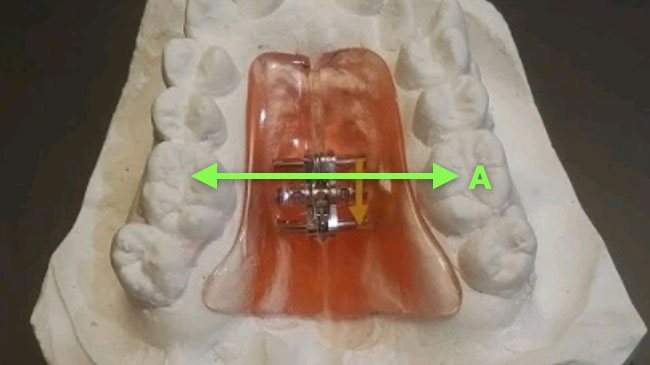
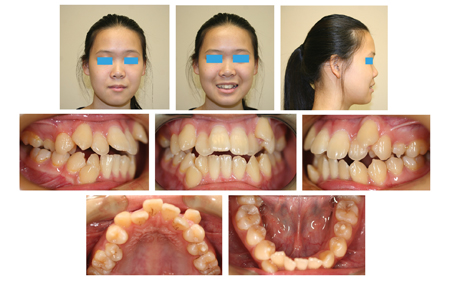
Transverse facial growth is the first dimension to complete in the growing adolescent and is often overlooked by clinicians in the absence of a posterior crossbite.1,2 Early diagnosis and treatment is critical for prevention of more invasive treatment modalities such as orthognathic surgery. However, interceptive treatment may not always be feasible as an increasing number … Read more

Orthognathic Surgery: Embracing Digital Technology

Mascarenhas-Fig-8A alternate text for this image

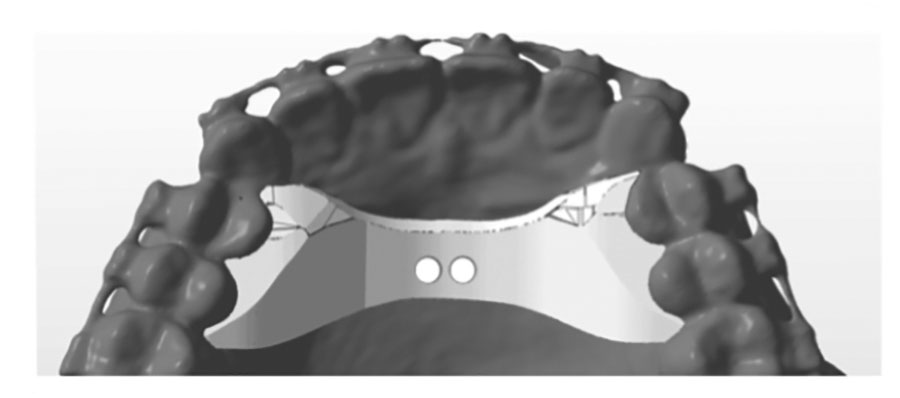
Orthognathic surgery (OGS), often referred to as “corrective jaw surgery,” involves complex three-dimensional analysis and movements of the maxilla, mandible, and chin. It includes a variety of procedures that can help manage malocclusion, a constricted airway, and esthetics. Traditionally, OGS involved a clinical and surgical workup consisting of collecting several data points, performing a mock … Read more

Time for a Change? Exploring Orthodontics as a Dental Hygienist

iStock-1419565205 alternate text for this image

Now, more than ever, we keep hearing and reading about how dental hygienists are leaving the profession. New and ever-changing guidelines, critical Quality Assurance programs, and personal burn-out are adding up and causing dental hygienists to explore other career paths. Before you jump ship on a profession you have spent years in school training for … Read more

To Expand or Not to Expand? That is the Question

Sectakof fig 1A alternate text for this image

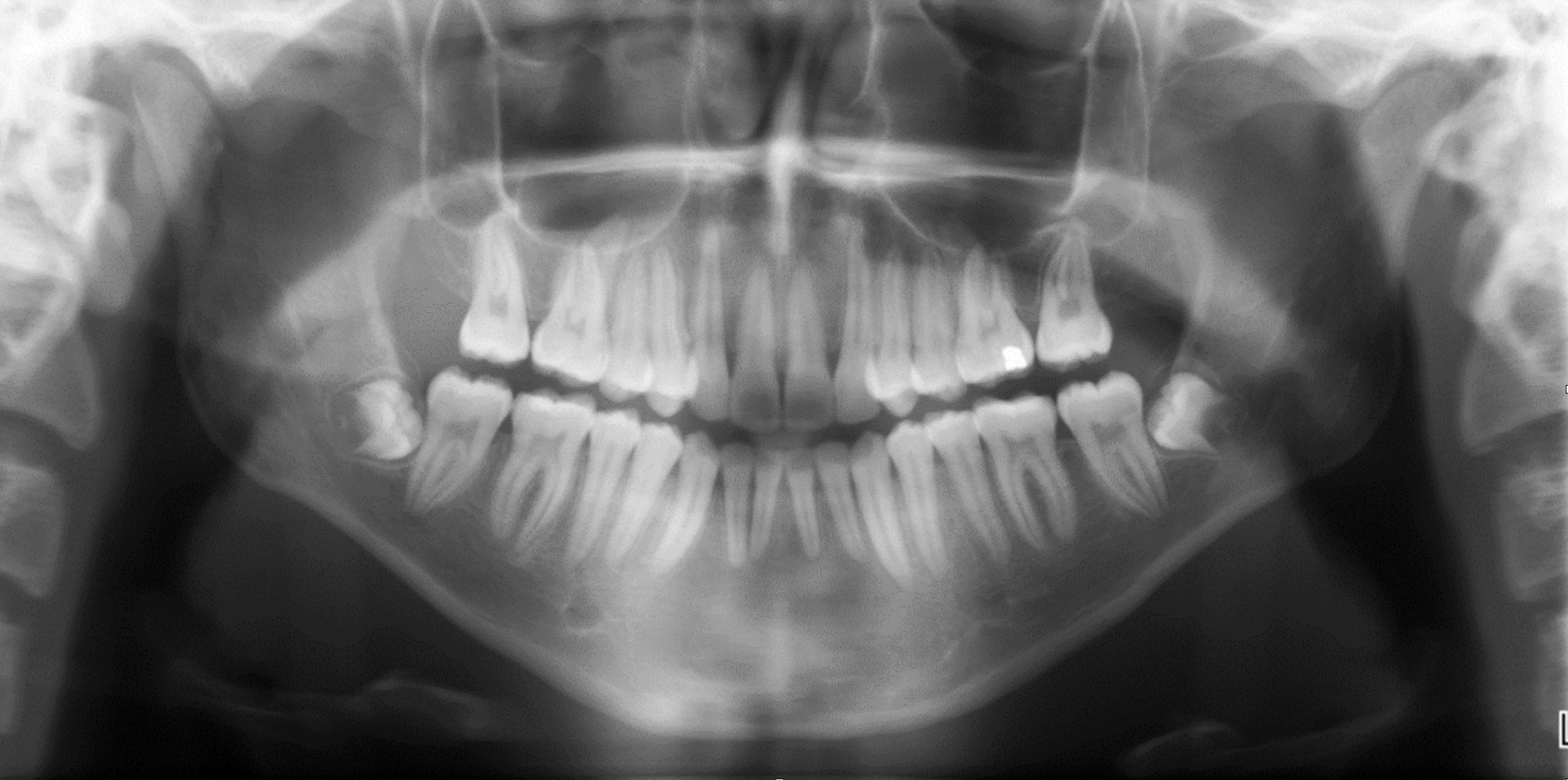
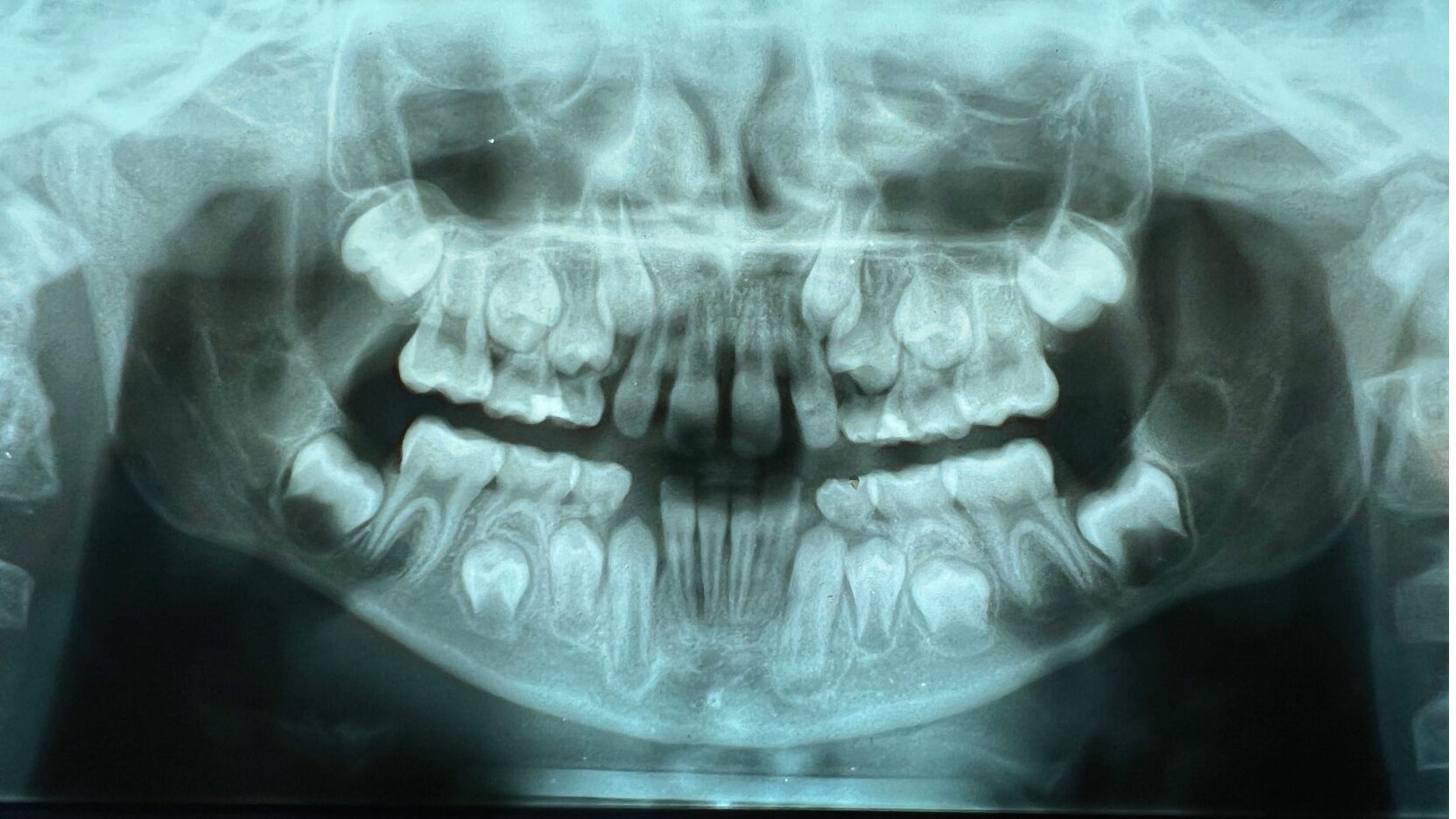
A 9-year-old female patient visited the orthodontic office for an initial consultation. She presented with a Class II malocclusion, crowding, and high/blocked out canines on the panorex. (Fig. 1A) The patient was placed on a reassessment schedule and returned 16 months later. She presented with an improved arch form that resulted in decreased crowding. A … Read more

Contemporary Aesthetic Crown Lengthening: An Interesting Orthodontic/Periodontics Case Utilizing Digital Design, Digital Planning and 3D Printing Technology to Aid in Patient Management

chang-thumbnail alternate text for this image

Introduction Displaying an optimal amount of gingiva while smiling is one of the critical elements in the ideal conceptual smile.1 In orthodontics and aesthetic dentistry, it is not rare to encounter a patient complaining of a ‘gummy smile’ or excess gingiva on smiling.2 Therefore, it is essential to understand the etiology, biology and management strategies … Read more

Periodontal Health and Maintenance for Clear Aligner Therapy

aug-oral-health-2022 alternate text for this image

INTRODUCTION Periodontal diseases are a diverse family of inflammatory conditions that affect the periodontium and negatively impact our oral health.1,2 Orthodontic appliances, such as traditional brackets and wires can create numerous plaque retention sites, increasing the patients’ risk of developing periodontal disease and dental caries.3 The periodontal tissue reaction to the orthodontic appliance depends on … Read more

Missing Maxillary Lateral Incisors and Considerations for Treatment Plans

Manficio Fig4 alternate text for this image

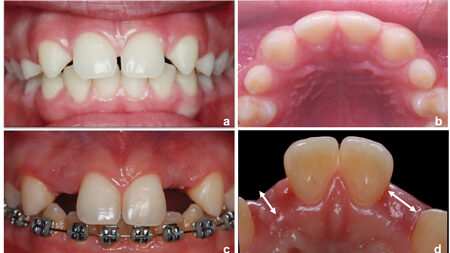
The congenital absence of one or more teeth is the most common anomaly of dental development in humans. Several terms have been used in the literature to describe this anomaly. Agenesis is considered to be the most suitable term, since from its’ Greek derivation it describes the failure of an organ to develop during embryonic … Read more

Treatment of a Class II Subdivision Type 2 Malocclusion with Customized Lingual Brackets and a Simple Distalizer Appliance

Floria thumbnail alternate text for this image

Introduction Class II subdivision malocclusions can be difficult to treat because of their asymmetric occlusal relationships. An accurate diagnosis, etiologically based when possible, is essential to perform a correct and efficient orthodontic treatment. The aim of this article is to illustrate a case report treated with customized lingual brackets in association with a simple vestibular … Read more

Presurgical Maxillary Segmented Orthodontics: A Simple Concept to Prevent Relapse of Segmented Lefort 1 Osteotomy for Maxillary Expansion

Ricard thumbnail alternate text for this image

Keywords: Palatal constrictionMaxillary constrictionSegmented Lefort 1 osteotomyMaxillary expansionPalatal expansion stability INTRODUCTION: Insufficient transverse palatal dimension is a major component of several types of malocclusion.1 This skeletal anomaly is rarely isolated. Most of the time it is in association with a problem of vertical maxillary excess, a mandibular retrognathism or, more rarely, a mandibular prognathism, a … Read more

The DSO Model: Your Questions Answered

Helpard 1G7A9892 copy 2 lg pic alternate text for this image

In North America, there’s a trend toward consolidation of individual orthodontic practices as the specialty evolves – from people and operations to technology and the business model itself. Some have predicted this change, seeing other medical professions consolidating in recent years, including dental, fertility, endocrinology, and even veterinarian clinics. But since most orthodontists are already … Read more

7 Confessions of a Working Orthodontist Mom

Hendler 5 IMG_7934 alternate text for this image

People often ask me how I “do it all” and if I have any balance in my life. Being a working mom with a busy practice isn’t easy. But I’ve discovered that the key to finding work/life balance is to not do it all. I’m a partner at Forest Hill Orthodontics – the same practice … Read more

Unsuccessful Outcomes

oral-health-september-2021 alternate text for this image

If you’re like me, you’ve had your share of unsuccessful outcomes and can appreciate the negative feelings that come with them. Just the other week I ruminated over the need to leave posterior spaces on a case that was progressing well in the grand scheme of things. As dental practitioners we tend to be critical … Read more

Faster and More Predictable Treatment with 100% Custom 3D-Printed Brackets from LightForce Orthodontics: Q&A

3D-Printed Brackets

Last year, Dr. Tim Dumore added fully custom 3D-printed tooth moving tools from LightForce Orthodontics to his treatment options. LightForce, which is headquartered in Burlington, Massachusetts, has developed a cloud-based platform to create patient-specific 3D-printed ceramic brackets delivered in patient-specific indirect bonding (IBD) trays that are 3D printed from a proprietary material.1 Dr. Dumore digitally … Read more

Smile Design with Clear Aligners

Chong fig 5 case 2 A-C alternate text for this image

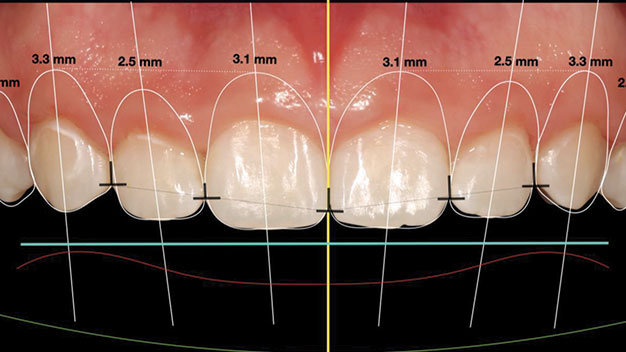
The contemporary practice of orthodontics focuses not only on achieving ideal alignment and occlusion, but also on how the teeth relate to the soft tissues of the face. Smile arc is one of the most important factors when assessing and optimizing smile esthetics. In the pursuit of attaining a well-treated orthodontic case, the smile arc … Read more

Self-Ligation has Significantly Shorter Chair Time Compared to Conventional Ligation with 8 Techniques: Systematic Review with Meta-Analysis of Randomized Controlled Trials of Clinical Outcomes

Voudouris-fig-3H alternate text for this image

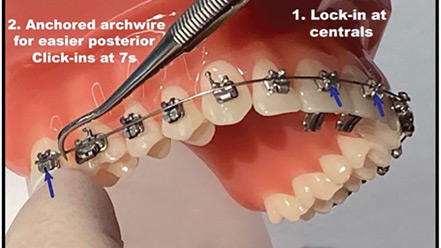
Objective: To test if there are significant evidence-based differences in effectiveness between self-ligation (SL) and conventional-ligation (CL) brackets, including observation of eight daily, self-ligation clinical techniques. The clinical SL advantages are: 1) using colour elastomers upper 2-2, but converting to a completely ligature-free appliance when poor oral hygiene develops, 2) simple clip-click for coil spring … Read more