Radiofrequency Ablation for Management of Mental Nerve Neuropathy

Penetrating Injury

Often referred to as “numb chin syndrome”, mental nerve neuropathy is a sensory neuropathy characterized by an altered sensory perception along the distribution of the mental nerve. Patients may present with anesthesia, paresthesia, dysesthesia, neuropathic pain or a combination of these symptoms. The impact that these symptoms can have on a patient cannot be underestimated. … Read more

CAOMS, An Acronym: What’s In It?

Penetrating Injury

It behooves me to talk about CAOMS as a recently appointed executive director to the organization. Let me first mention I’ll be as excited as uncomfortable trying to walk in shoes quite larger in size than my small footprint. So happens when one follows Chris Robinson in a task. Back at consonants and vowels: C … Read more

At the Root: The Curious Case of the Cranky Comrade

at-the-root alternate text for this image

Middle age, for me, has produced all kinds of wonderful little miracles – like hair growing out of my ear, and a sporadic weird eye twitch. These, although not exactly pleasing, have been expected. One thing that I hadn’t expected was the onset of cranky friends. These are people, for whom, life has been pretty … Read more

Editorial: Complications & Communication

Penetrating Injury

As I gathered the submissions to this month’s Oral Surgery issue, I could not help but notice that most of the papers submitted dealt with complications following extractions or a related procedure. I did a search of the world literature in PubMed on “complications and dental extractions” and to my surprise, there were more than … Read more

Backlog of Pediatric Dental Surgeries Continues to Grow

Children are suffering, and there’s nothing they can do — that’s the message from a group of East Tennessee dentists this week. The group, headed by Dr. Richard Myers of Western Heights Dental, is concerned that TennCare is falling behind in covering dental surgeries for high-risk, low income children. “This isn’t coming in and doing … Read more

New Implant Advancement Hopes to Lower Risk of Infection

A multidisciplinary team of researchers at KU Leuven (University of Leuven, Belgium) has developed a dental implant that gradually releases drugs from a built-in reservoir. This helps prevent and fight infections. Our mouth contains many micro-organisms, including bacterial and fungal pathogens. On traditional dental implants, these pathogens can quickly form a so-called biofilm, which is … Read more

QuickSplint Now Available for Sale Through Benco Dental

Orofacial Therapeutics, LP announced today that its premier product, QuickSplint®, will now be available for sale through Benco Dental, the largest privately owned dental distributor in the United States. QuickSplint is an interim dental splint that can be fabricated quickly and easily in the dental practice. It is the only dental splint designed specifically for … Read more

Diagnosis and Treatment Planning of Mandibular Crowding in the Mixed Dentition

Mandibular Crowding

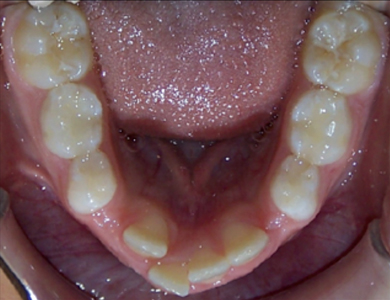
Crowding, or tooth size arch length deficiency, is one of the most common reasons that people seek orthodontic treatment for themselves or their children. As permanent mandibular anterior teeth erupt a primary tooth may become over-retained leading to a double row of “shark teeth”, causing parents a great deal of concern. While this may be … Read more

Dental Implant Coatings Could Prevent Common Bacterial Infection

Mouth infections are currently regarded as the main reason why dental implants fail. A piece of research by the UPV/EHU has succeeded in developing coatings capable of preventing potential bacterial infection and should it arise, eliminate it as well as providing implants with osseointegrating properties, in other words, ones that facilitate anchoring to the bone. … Read more

New Stem Cell Delivery Regenerates Dental Pulp-Like Tissue

When a tooth is damaged, either by severe decay or trauma, the living tissues that comprise the sensitive inner dental pulp become exposed and vulnerable to harmful bacteria. Once infection takes hold, few treatment options–primarily root canals or tooth extraction–are available to alleviate the painful symptoms. Researchers at Tufts University School of Dental Medicine (TUSDM) … Read more

Treatment Planning: The Full Mouth Reconstruction

mancuso-18 alternate text for this image

Every patient with extreme tooth wear has unique treatment needs, and all of these needs may not be addressed specifically in this article. The general guidelines for treatment of these patients include the following: 1. A comprehensive examination, including a thorough medical and dental history, orofacial and dental clinical examination, dental radiographs, TMD screening history … Read more

Grafting with Biomaterials – Did You Get Consent?

nov-cover alternate text for this image

I remember my first days as a new dentist and my introduction to the great debate over amalgam restorations vs. composite restorations. Today, we no longer place an amalgam or resin restoration without having a discussion with our patients over the advantages and disadvantages, strengths and weaknesses of amalgam vs. resin. This also applies to … Read more

Many Questions are Arising Around Alberta’s Anesthesia Guidelines

Alberta is one of just two provinces where dentists with specialized training both administer general anesthetic and perform a dental procedure on a patient, according to a CBC inquiry. The majority of provinces require at least two “operators” be present in accredited dental offices to do such work — one person to deliver the sedative drugs … Read more

A Stepwise Approach: Restoring a Failed Maxillary Anterior Tooth

dabuleanu-40-final-abutment-made-out-of-zirconium-oxide alternate text for this image

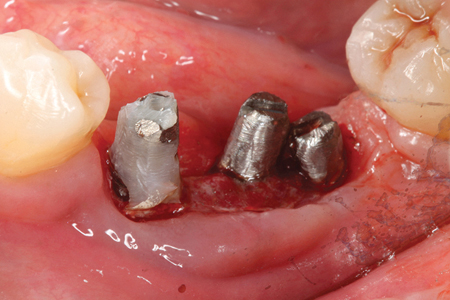
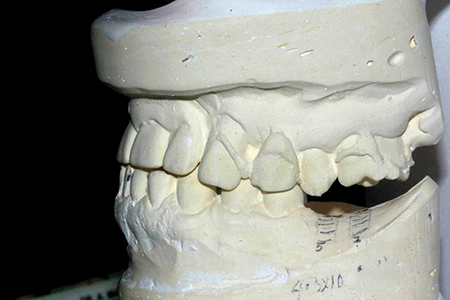
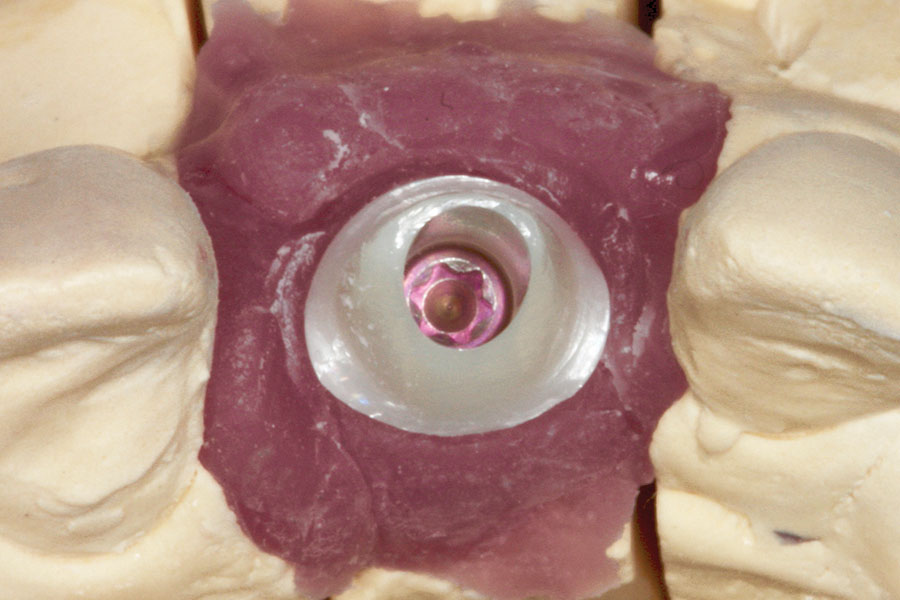
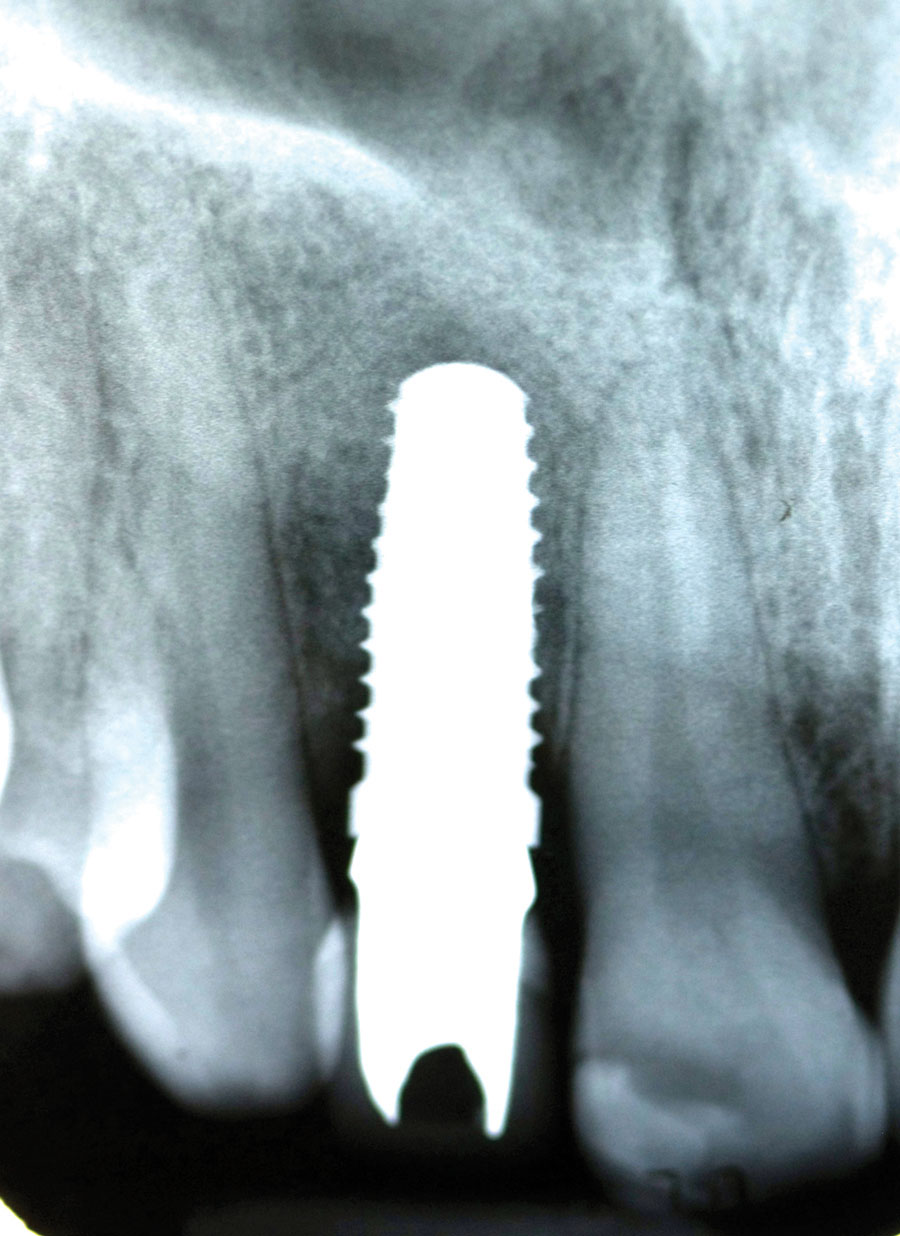
Introduction This case report will discuss a staged approach for the delivery of implant therapy in the upper anterior jaw. A crown-down surgical approach was used to help determine the ideal prosthetic location for implant placement. Cone beam CT imaging was utilized to visualize the available volume of bone. Treatment was delivered in stages, to … Read more

Sinus Lift: An Update

Sinus Lift

The sinus lift is a recognized method for augmentation if the bone volume for implantation at first seems inadequate in posterior aspect of the maxilla. When the practitioner plans for such a procedure, the question is often as to whether use a lateral window approach or an indirect, supposedly less invasive, crestal approach. The following … Read more

Case Report: The Titanium Smile

Add a description…5×13 3i alternate text for this image

Achieving ideal esthetics in addition to restoring the patient’s function is every clinician’s goal. Successful outcomes in restorative dentistry are well documented in publications and readily displayed in practice promotional materials. Although most patients are happy with the treatment outcomes, achieving highly esthetic result can be challenging in implant dentistry. Successful implant integration does not … Read more

Careful Communication Cuts the Cost of Complications

granuloma

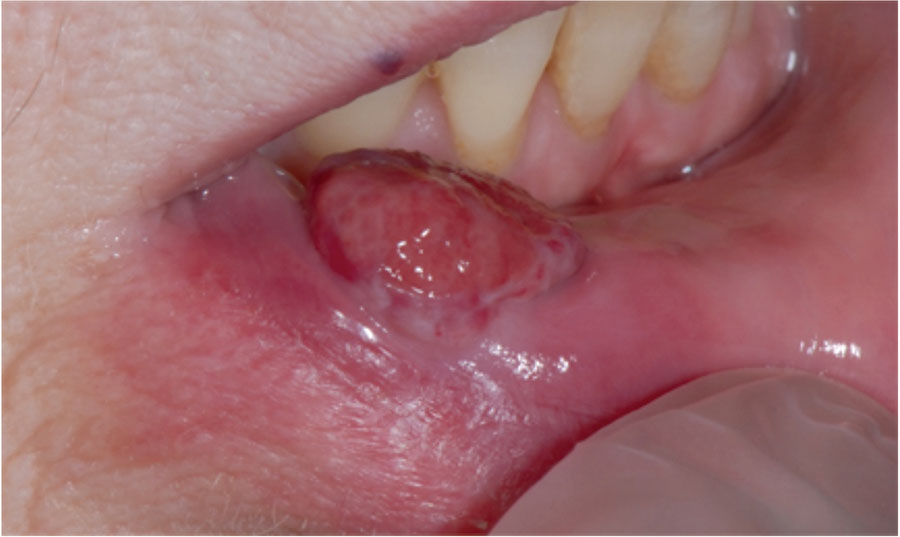
A 72-year-old female patient was referred to our office by her physician with the chief concern of a large granuloma on her lower lip. The patient had a medical history positive for hypertension, thyroid disease, hypercholesterolemia, osteopenia, sinusitis and eczema. The patient reported that over the past two to three years, she had a re-occurring … Read more

Dental Implant Prosthetics: Using a Modified Installation Technique

svoboda-fig-2 alternate text for this image

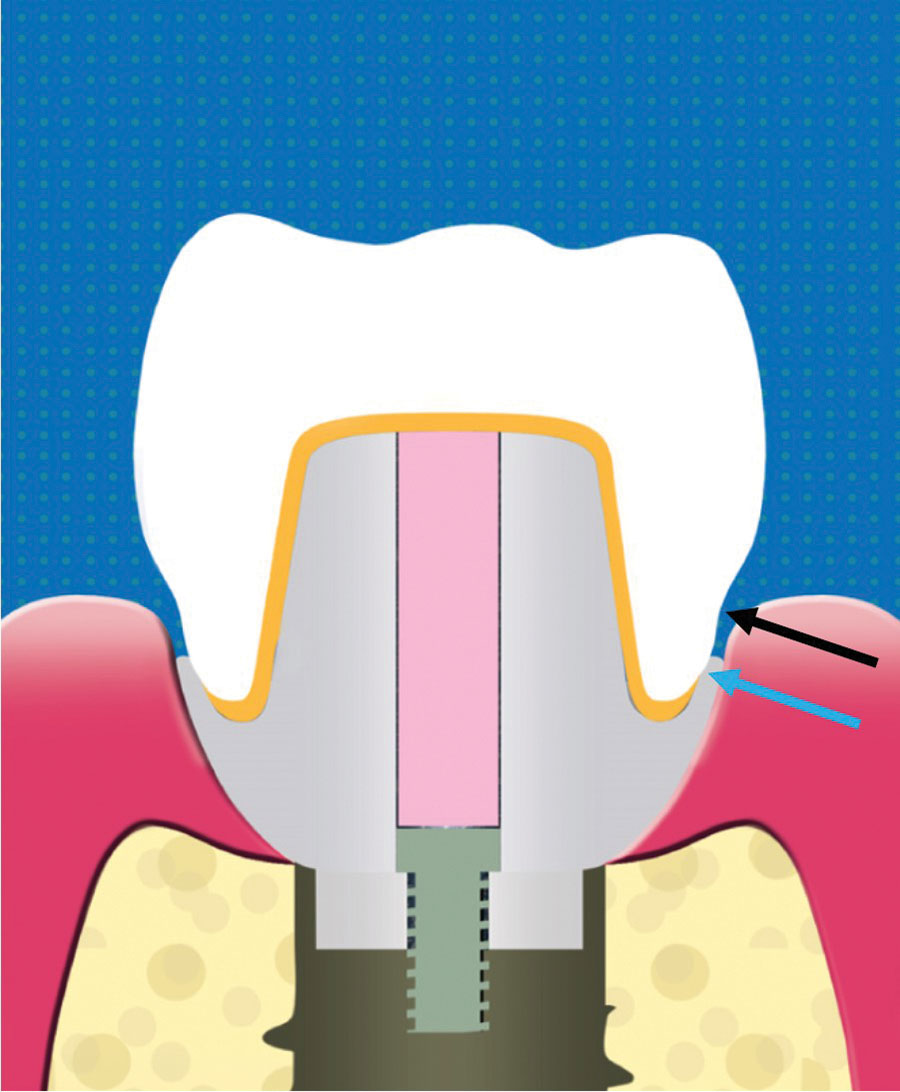
Abstract Many clinicians prefer to install implant prosthetics by the screw-in method because they believe that this method allows for prosthesis retrievability. However, retrievability does not result from the prosthesis installation method, but relates to “Retrievability Features” created by the implant surgeon and enhanced by implant manufacturers. Unfortunately, these features are not free of cost … Read more

Stem Cells From Jaw Can Create and Repair Cartilage

Columbia College of Dental Medicine researchers have identified stem cells that can make new cartilage and repair damaged joints. The cells reside within the temporomandibular joint (TMJ), which articulates the jaw bone to the skull. When the stem cells were manipulated in animals with TMJ degeneration, the cells repaired cartilage in the joint. A single … Read more