What’s your diagnosis? Case #3
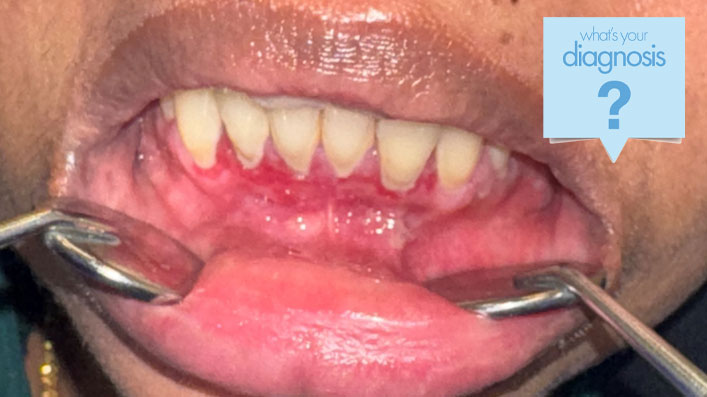
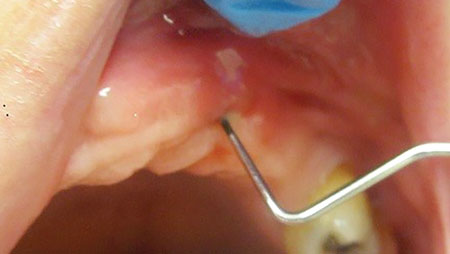
A healthy 49-year-old female was referred to the Oral and Maxillofacial Pathology service for evaluation of intensely painful gingival lesions, which were associated with bleeding and difficulty brushing.

A healthy 49-year-old female was referred to the Oral and Maxillofacial Pathology service for evaluation of intensely painful gingival lesions, which were associated with bleeding and difficulty brushing.
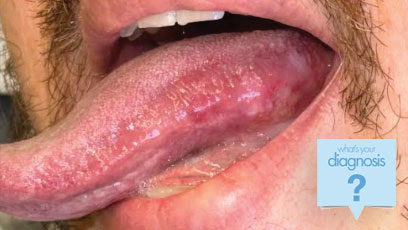
Note from editor Oral Health is proud to introduce a brand-new series by Dr. Bruce Pynn and Dr. Hagen Klieb, featuring a curated collection of compelling cases. This series aims to raise awareness and deepen understanding of unique and unusual oral pathology. How would you diagnose this case? A 38-year-old male was referred to the … Read more
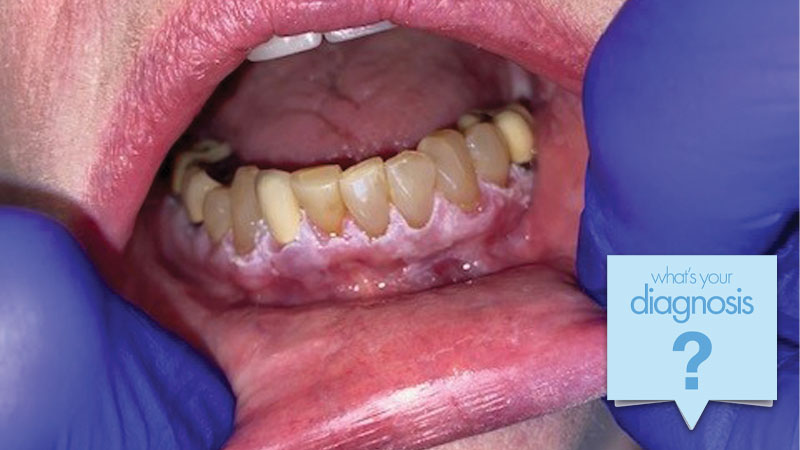
Note from editor Oral Health is proud to introduce a brand-new series by Dr. Bruce Pynn and Dr. Hagen Klieb, featuring a curated collection of rare and compelling cases. This series aims to raise awareness and deepen understanding of unique and unusual pathologies within the dental profession. How would you diagnose this case? A 68-year-old … Read more

Looking back on fifty years of oral and maxillofacial surgery training in Quebec, it’s impossible not to appreciate the foundations that brought us here. In May 2024, we had the opportunity to celebrate the fiftieth anniversary of the McGill University OMFS graduate training program, a meaningful milestone that brought together many generations to reflect on … Read more
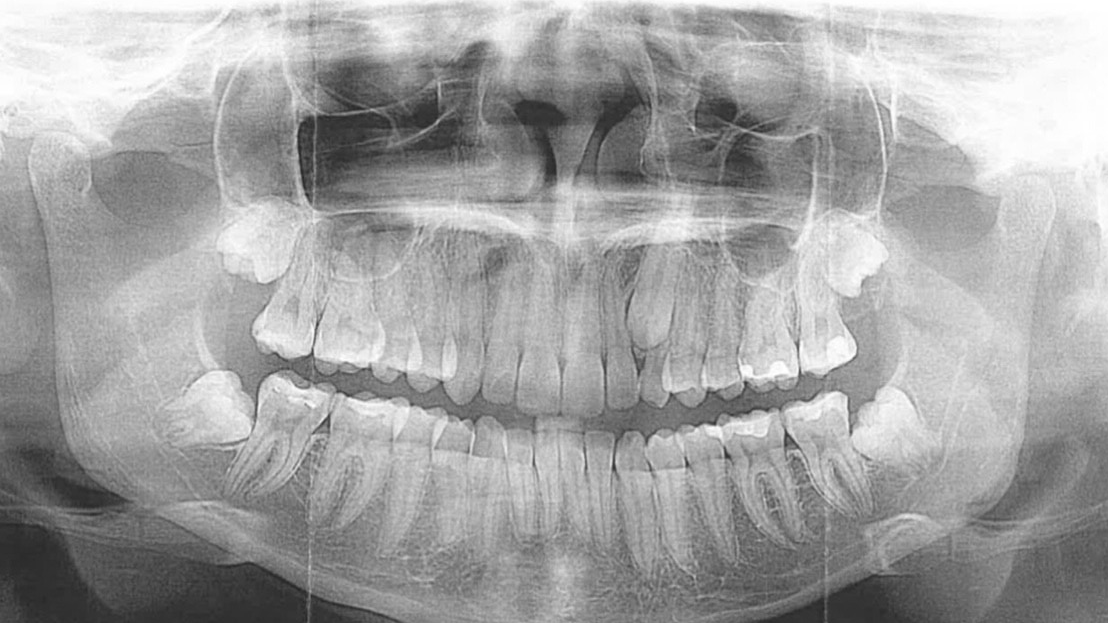
The surgical removal of impacted maxillary third molars is a routine procedure performed by both general dentist and specialists. It is usually associated with a low rate of morbidity and few complications.1 The accidental displacement of the maxillary third molar into adjacent anatomical spaces such as the maxillary sinus, infratemporal fossa, and lateral pharyngeal space has … Read more
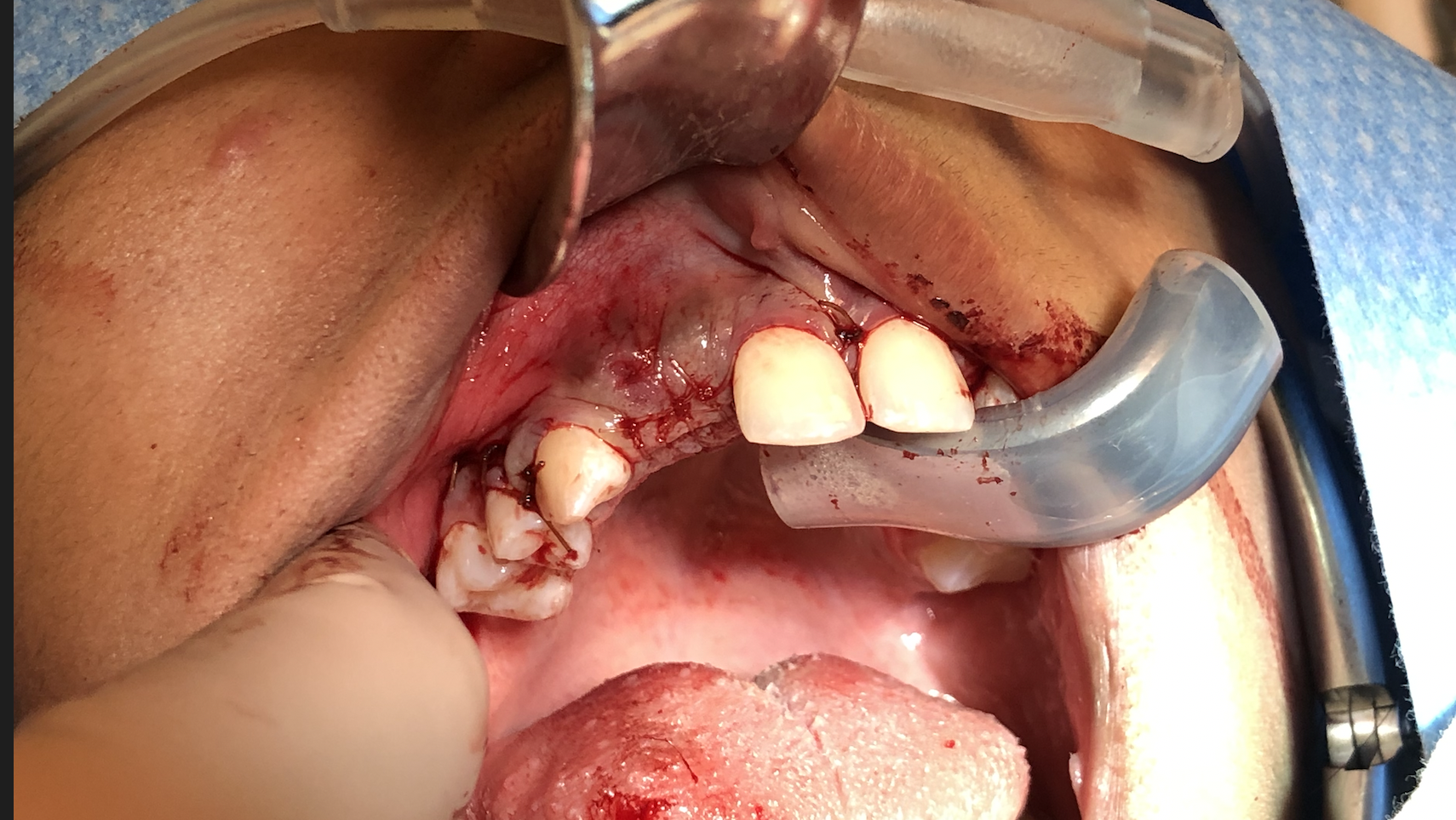
Management of alveolar defects is a common challenge in dental practice, particularly when preparing for implants or prosthetic restorations. A strong bone and soft tissue foundation is crucial to achieving predictable esthetic and functional results.1 Ridge augmentation can be achieved through block bone grafting or guided bone regeneration (GBR), utilizing various graft materials, including autogenous … Read more
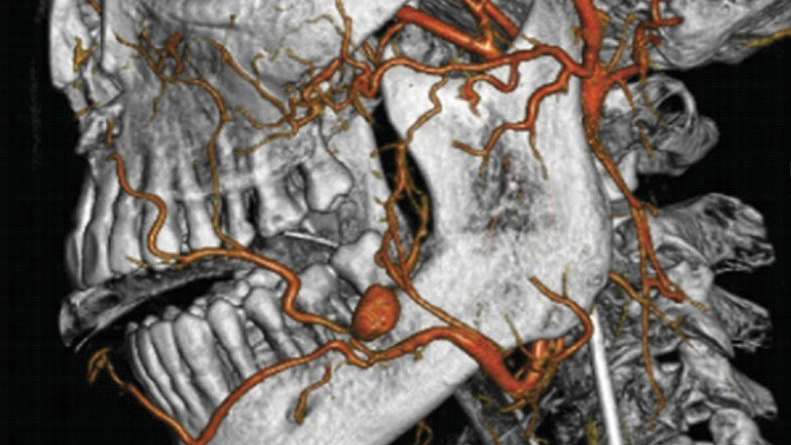
Life-threatening hemorrhage following oral surgical procedures, including the placement of dental implants and tooth extractions has been reported in numerous case reports and literature reviews.1–7 Although infrequent, profuse hemorrhage is a significant complication that clinicians performing oral surgical procedures may encounter and subsequently need to manage.8 The complex and often variable anatomy of the floor of mouth … Read more
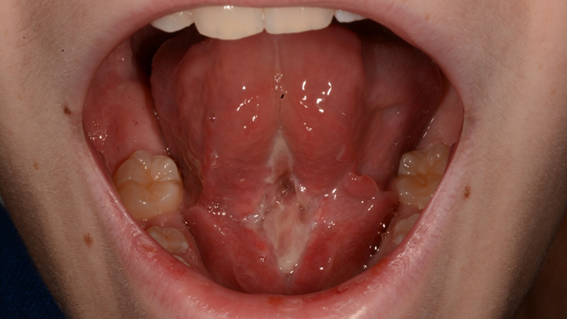
Abstract Inappropriate use of lasers in frenotomy can lead to serious complications in patients with ankyloglossia (tongue-tie), a condition that restricts tongue mobility and affects functions like breastfeeding, swallowing, speech, and facial development. While laser frenotomies have gained popularity, improper technique and insufficient training can result in significant postoperative complications. These include hemorrhage, airway obstruction, … Read more
Balancing publishing with a demanding surgical practice is one of the most challenging aspects of an academic surgeon’s career. Clinical responsibilities—emergency surgeries, patient rounds, administrative duties, and on-call obligations—can easily consume most of a surgeon’s time and energy. Yet hiring and academic advancement hinge heavily on scholarly productivity, including publishing in peer-reviewed journals, presenting at … Read more
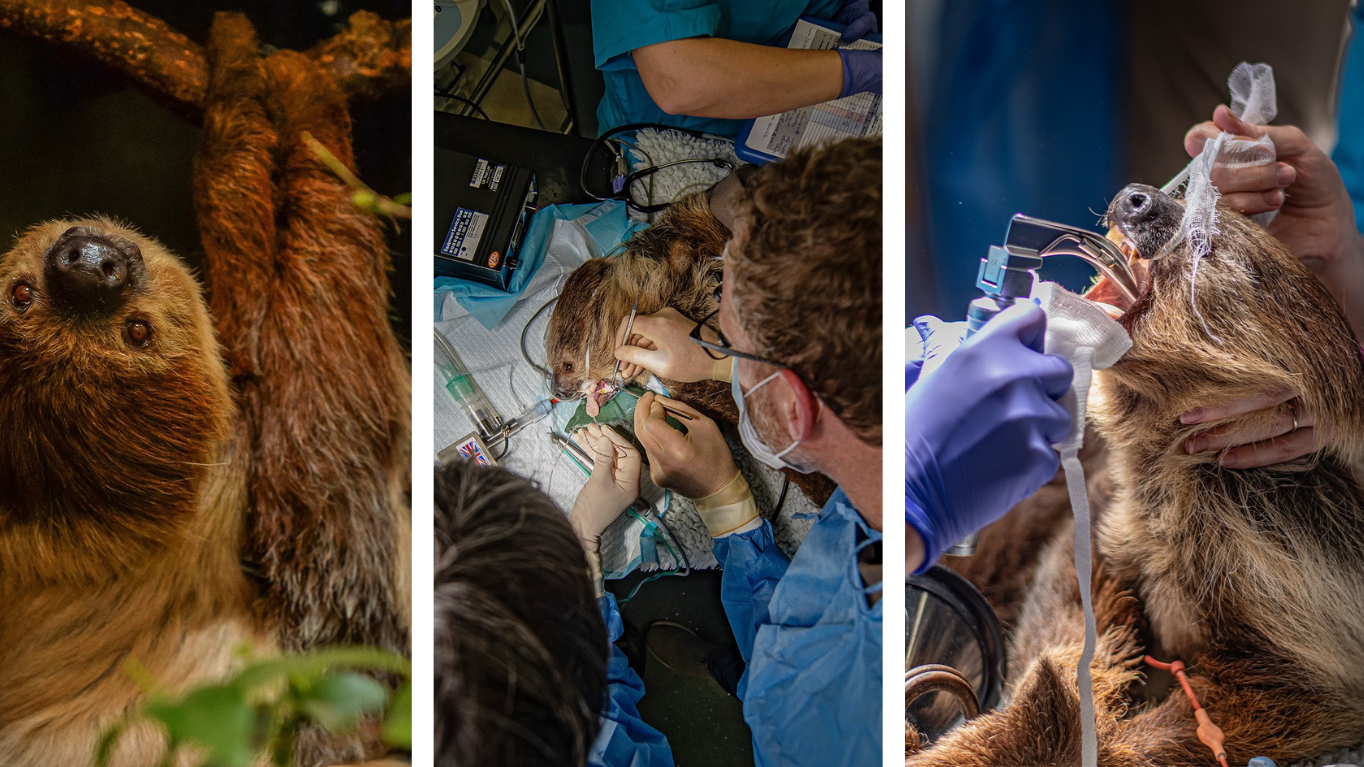
Chester Zoo has made history with the world’s first-ever endodontic treatment on a two-toed sloth to address a painful toothache. Rico, the 25-year-old sloth, underwent the groundbreaking procedure with the help of expert veterinarians and dental specialists from Newcastle University. The zoo announced the achievement, saying, “World FIRST as Rico the sloth undergoes ground-breaking dental … Read more
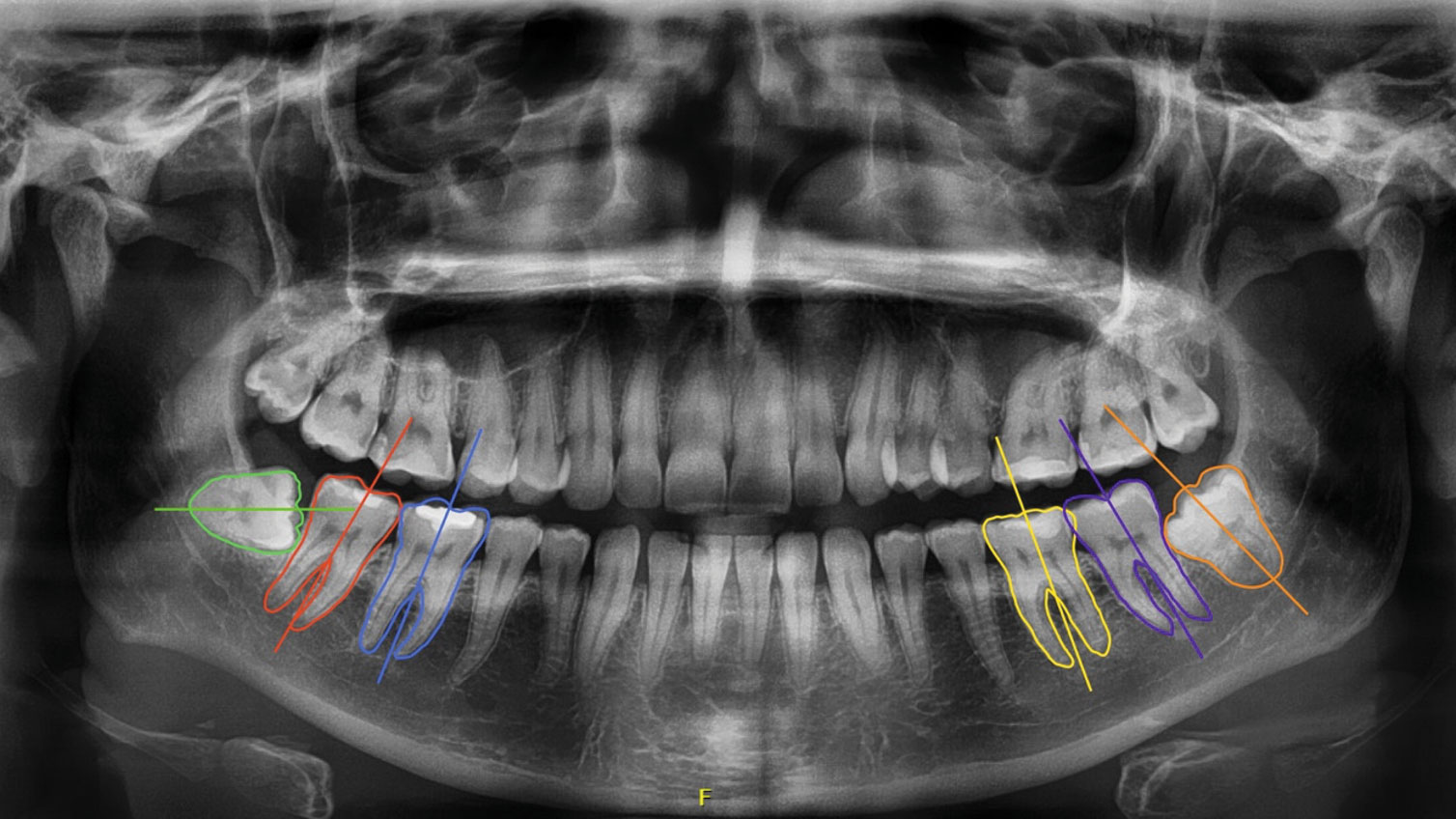
Abstract Third molar removal complication rates can be as high as 30%. Risk assessment tools may lower these rates. Artificial intelligence (AI) driven prediction models are a promising approach to predict possible unfavorable outcomes and cone-beam computed tomography imaging may play an important role. AI prediction models are showing excellent results in research settings. To … Read more

There has been an accelerated growth and application of artificial intelligence over the past decade. Facial recognition software continues to undergo significant advances each year, ranging from personal technology use, such as unlocking a mobile phone or laptop, to government security (i.e., CCTV, passports, biometrics, and border control). Facial recognition uses stored images to identify … Read more
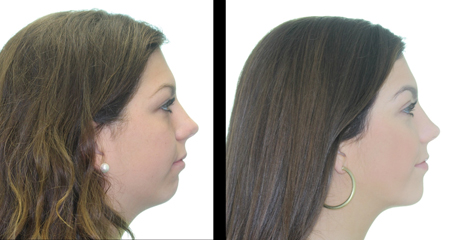
Orthognathic surgery (OGS), often referred to as “corrective jaw surgery,” includes a variety of procedures that can help manage malocclusion, constricted airway, and esthetics. OGS can be beneficial for functional concerns such as temporomandibular dysfunction from repetitive posturing of the jaw necessary with limited tooth contact that leads to muscle aches and osteoarthritis of the … Read more
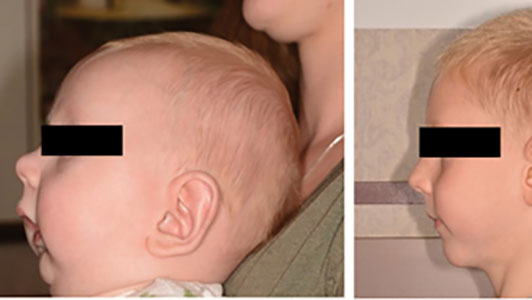
Abstract Severe mandibular hypoplasia, or micrognathia is a debilitating condition that hinders neonatal breathing, feeding, growth and development. This condition predisposes children to prolonged early life hospital admission, airway embarrassment, obstructive sleep apnea, feeding difficulties, speech delay and caregiver burnout. Many conservative and surgical approaches have been utilized to treat neonates and children for severe … Read more
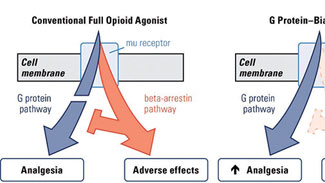
Advances in our pharmacology and physiology knowledge have allowed for the creation of medications that have improved safety profiles and enhanced clinical action. One only needs to look at how quickly vaccines and therapeutics for SARS-CoV-2 were produced to realize how our knowledge has advanced. What once took years, if not decades, to make was … Read more
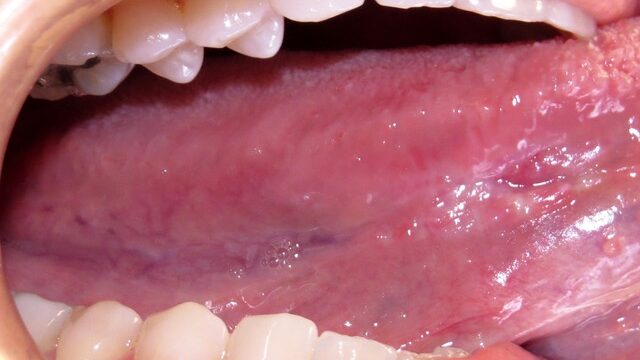
The Problem Every week there will likely be a patient in your office with a white, red, or white & red mucosal patch in their oral cavity. It is estimated that 1-5% of the population, at any given time, may harbour one such lesion.1 With few exceptions, the oral mucosa should be pink. Some of … Read more

It is with honor and gratitude that I am the President of the CAOMS for the next year. The same sentiment goes to being a dentist, physician, and specialist in Oral and Maxillofacial Surgery. As with anyone reading this, you have made sacrifices and have worked hard to achieve your professional designation as a care … Read more
Six thousand seven hundred and eighty-three; the number of miles from Lahore, Pakistan, to Winnipeg, Manitoba. It’s the journey I took in September of 2009 to embark on a new challenge in my professional career as an OMFS. Accompanying me was a wide and diverse repertoire of clinical and surgical skills gained, accumulated, and refined … Read more
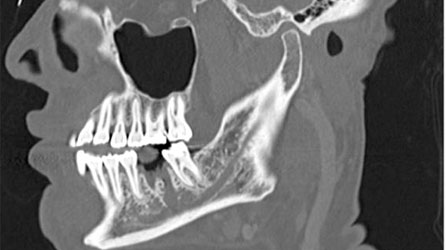
Introduction Altered sensation in the head and neck can be associated with a broad array of local, regional, and systemic etiologies. Though there are multiple cranial and cervical peripheral nerves supplying the craniofacial region, neurosensory disturbance of the inferior alveolar nerve (IAN), its terminal branches, and the lingual nerve are most likely to present in … Read more
Abstract Patients who are diagnosed with MRONJ while being treated with bone modifying agents(BMAs) at oncologic doses, there is insufficient evidence to support or refute the discontinuation of BMAs. Administration of the BMA may be deferred at the discretion of the treating physician, in conjunction with discussion with the patient and the dental specialist. The … Read more