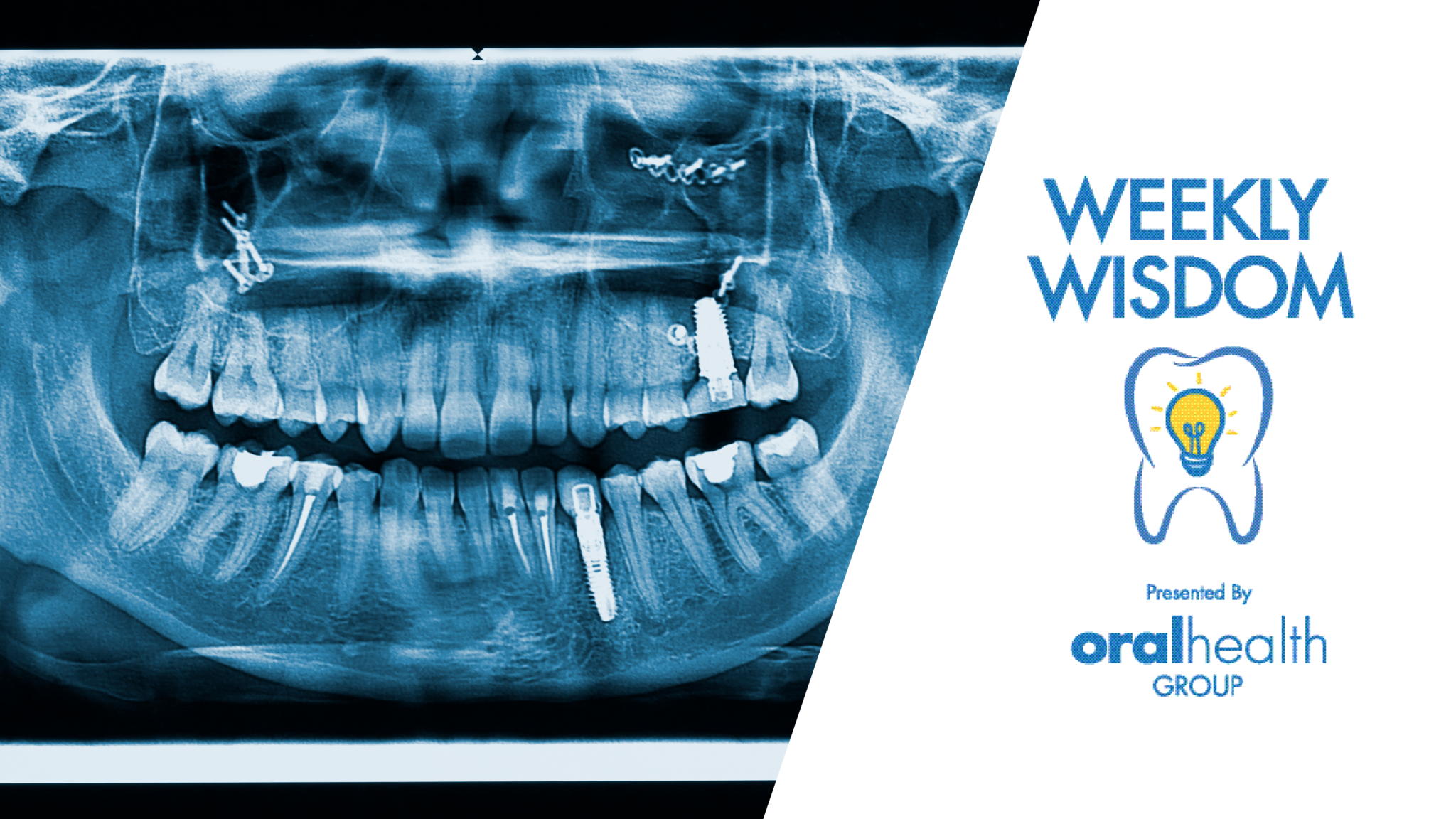
Congenitally Missing Teeth: A Prosthodontic Case Report
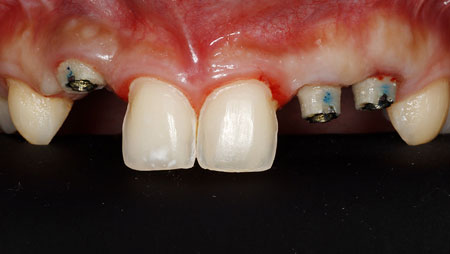
Seyedan-thumbnail alternate text for this image

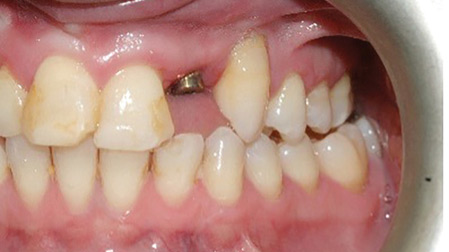
Introduction The maxillary lateral incisors are the most common congenitally missing teeth after the upper and lower second premolars. Gender differences are negligible, with women slightly more affected than men.1 Agenesis of the maxillary lateral incisors presents a significant challenge to clinicians since it negatively impacts dental and facial esthetics. Furthermore, this condition impacts function … Read more
Weekly Wisdom: Define Implant Dentistry

WW Thumbnail_1920x1080_310522 1 alternate text for this image

  Dr. Mark Lin, Director of TIDE, shares the definition of implant dentistry in this episode of Weekly Wisdom.     Subscribe to Oral Health’s weekly e-newsletter to have the latest episode delivered straight to your inbox every week!   Sponsored by The Institute for Dental Excellence (T.I.D.E.) is committed to providing its members with … Read more

Weekly Wisdom: Indications for the Use of CBCT in Implant Dentistry

WW Thumbnail_1920x1080_190422 1 alternate text for this image

  Dr. Mark Lin, Director of TIDE, discusses the indications for the use of cone beams in implant dentistry in this episode of Weekly Wisdom.     Subscribe to Oral Health’s weekly e-newsletter to have the latest episode delivered straight to your inbox every week!  

Top 3 Trends Impelling The Growth Of Dental Implants Market Through 2026

The demand for dental implants is expected to grow exponentially on account of surging cases of dental disorders globally. Rise in prevalence of unhealthy habits, such as increasing consumption of junk foods on a regular basis and lack of exercise, might lead to periodontal diseases which may cause tooth decay and dental caries. Dental disorders … Read more

Dental Implant Self-Care: Implant Supported Dentures (Second in a Series)

Lyle-FIG-2B-thumbnail alternate text for this image

Implant supported dentures provide many individuals with a better quality of life, but this is not without some challenges. Specifically, what is the recommended self-care for this type of prosthesis? There are two areas for discussion: removable dentures and fixed dentures. Research in the area of implant self-care is limited and often based on low-level … Read more

Key Factors in Maintenance Protocols for Dental Implant Restorations – A Scoping Review

Gebril-FIG-1-thumbnail alternate text for this image

Statement of Problem It has been established that maintenance is of utmost importance in the delivery of comprehensive prosthodontic treatment. Therefore, consideration of the possible factors which impact the maintenance phase is essential to take into account during the treatment planning stage. Although, most clinicians recognize the importance of prosthesis maintenance, few of them are … Read more

Risk Management Issues in Implant Dentistry

ORAL-HEALTH-NOV-2021 alternate text for this image

Implant dentistry can be profitable and challenging work for dentists. However, this area of dentistry is not without legal risks. Dental regulators across Canada look closely at implant complaints, because they may be concerned that some dentists chose implant dentistry for financial reasons only, without having the necessary skills to practice successfully. Regardless of whether … Read more

Prognosis of Implants in Previously Failed Surgical Sites

Desouza-case-3-fig-6-thumbnail alternate text for this image

Introduction Implant therapy has been shown to be predictable, effective and reliable for the replacement of missing teeth in edentulous and partially edentulous patients. Clinical evidence has demonstrated long-term (>10 years) survival rates up to 95% (Moraschini et al., 2015). Despite the high success and survival rates of dental implants, failures can and do occur. … Read more

What is the Best Option to Rehabilitate the Edentulous Maxilla Using Dental Implants?

Aragon-case-5-fig-3-thumbnail alternate text for this image

Maxillary implant prosthetic treatments may be considerably more difficult to accomplish when compared to the similar treatments for patients with edentulous mandibles due to many factors including bone quality, position of implants due to anatomical landmarks, need for grafting, prosthetic space needed, etc. It is very important to assess a patient’s dental and medical history … Read more

An Alternative Prosthetic Design for Lower Full-Arch Implant Restorations

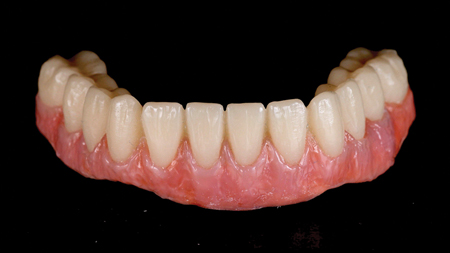
Frontal view of finished prosthesis.

Replacing a full set of teeth with dental implants, especially in the mandible, has been well researched and is often a life-changing treatment for many patients. This treatment involves the extraction of failing teeth, immediate implant placement, immediate loading of the implants with a fixed provisional prosthesis, followed by the fabrication of a definitive prosthesis … Read more

Peri-implantitis: How to Reduce Risk and Manage Implant Failure?

Suzuki-Fig-3-thumbnail alternate text for this image

Abstract Peri-implantitis can lead to implant failure. Strategies to reduce risks and treat peri-implantitis can manage implant failure and restore function. These strategies can be derived from information on peri-implantitis progression in patients, including prevalence, diagnostic and microbial findings, the impact of systemic diseases, and peri-implantitis therapies. These reports suggested that: 1) peri-implantitis is higher … Read more

AI Helps Predict Treatment Outcomes for Patients with Diseased Dental Implants

Although dental implant-supported crowns offer aesthetic, functional and natural-feeling tooth replacements, and the market is estimated to reach $6.8 billion by 2024, the emerging endemic of peri-implantitis has severely compromised the long-term success of implant dentistry. Roughly one-quarter of dental implant patients are threatened by peri-implantitis, a destructive inflammatory process that infects the tissue and … Read more

Host-Modulation Therapy for Peri-Implantitis: Current Systemic and Future Medical Applications Recognizing the Potential Systemic Impact of Peri-Implantitis on Systemic Disease

OCTOBER-2021 alternate text for this image

Introduction It is well known that current strategies for managing peri-implant mucositis and peri-implantitis are highly varied, and in many cases, unpredictable. This is an important issue since evidence suggests that the prevalence of peri-implant mucositis and peri-implantitis range from 22–43 percent of implants placed.1 In most cases, the existing model for treating chronic periodontitis … Read more

Rehabilitation of Both Failing Implants and Remaining Dentition with Implant Overdentures: A Case Report Part 2: Prosthetic Treatment

dabuleanu-thumbnail alternate text for this image

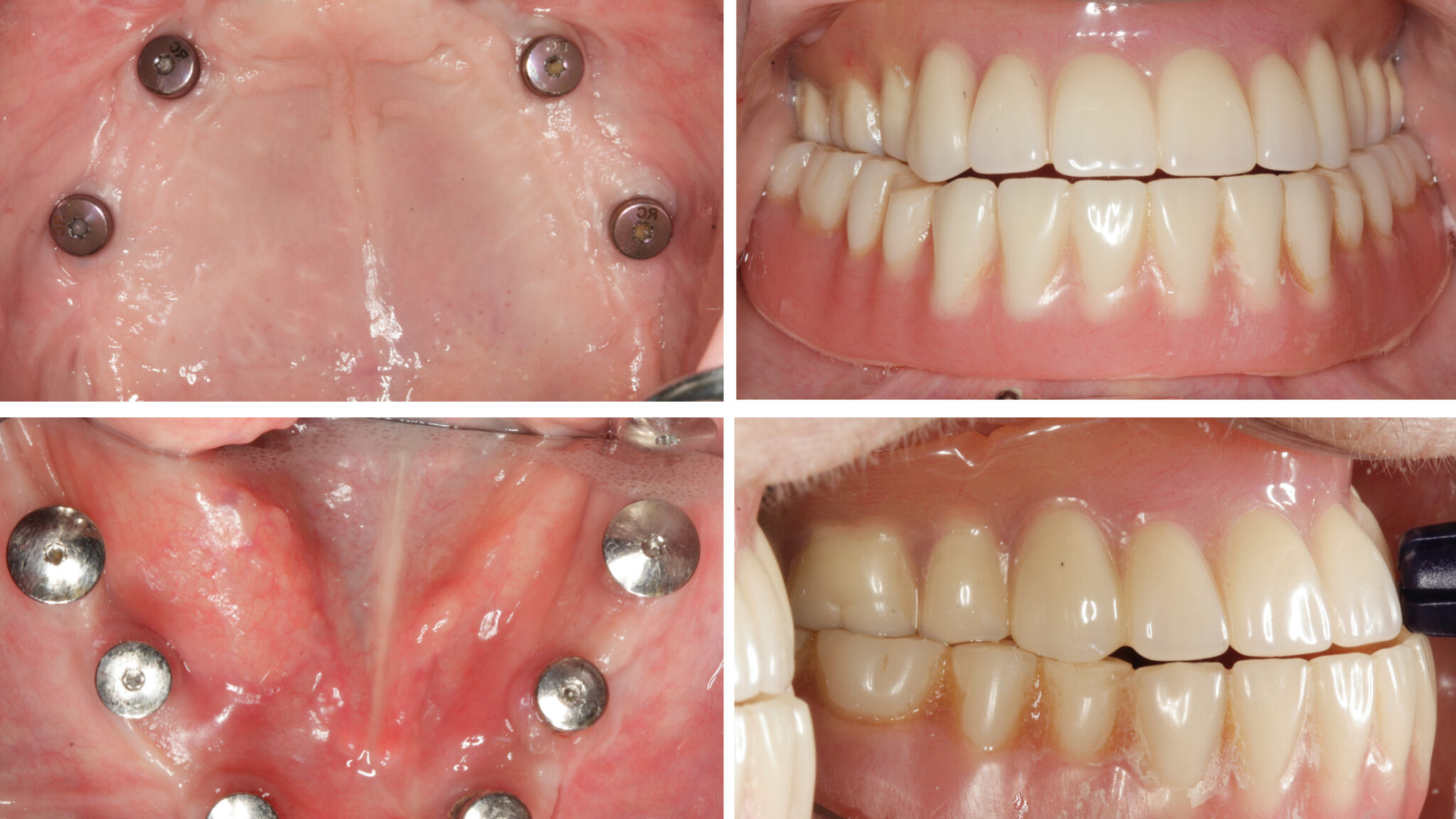
Introduction This publication is a continuation of the case report published in 2020, on rehabilitation of both failing implants and remaining dentition with implant overdentures. Prosthetic treatment was delayed last year due to COVID-19. Prosthetic Treatment The patient’s provisional upper denture was under-extended to maximize support, retention, and stability in light of the horizontal prosthetic … Read more

Dentsply Sirona Announces a Comprehensive Restage of its Implant Business

With a digital base, historical product strength and signature workflows supported by ongoing education and training, Dentsply Sirona is launching DS Implants, harmonizing  successful brands like Simplant, OSSIX, Atlantis and MIS. Three completely connected, seamless signature workflows will take full advantage of digital dentistry for excellent outcomes and patient satisfaction. DS Implants presents DS PrimeTaper, … Read more

Paradigm Shifts

AUGUST-2021 alternate text for this image

Dental implants are a standard of care in dentistry but this wasn’t always true. I distinctly remember one of my dental instructors saying I shouldn’t get involved in that “voodoo” dentistry. Perhaps he had heard the ADA say in the late ’70s that dental implants were not recommended for routine clinical practice and was simply … Read more